

Sensitive skin often brings more questions than answers. You hear so many opinions, but confusion grows when tried-and-true advice fails to deliver calm, happy skin. As research highlights, sensitive skin involves more than just surface-level reactions—it is an interplay of your skin barrier, ingredient tolerance, and even emotional triggers. If you seek clarity, this guide will help you break free from myths and discover soul-nurturing skincare that truly heals both skin and spirit.
Table of Contents
- Soul-nurturing Skincare And Common Myths
- Holistic Ingredients Powering Emotional Wellness
- How Rituals Transform Skin And Self-esteem
- Eczema Care And Sensitive Skin Solutions
- Avoiding Synthetic Irritants And Quick-fix Mistakes
Key Takeaways
| Point | Details |
|---|---|
| Sensitive skin requires targeted support | Rather than using fewer products, individuals with sensitive skin may benefit from carefully selecting high-quality, gentle products that support skin healing. |
| Not all natural ingredients are safe | While natural ingredients can be beneficial, they can also trigger reactions, emphasizing the importance of individual responses over generalizations. |
| Skincare rituals enhance emotional wellbeing | Mindful skincare routines transform ordinary application into rituals that promote self-care, reduce stress, and improve overall mood. |
| Patience is crucial for long-term improvement | Effective skincare, especially for conditions like eczema, demands consistent practices rather than quick fixes for lasting results. |
Soul-nurturing skincare and common myths
Sensitive skin sparks confusion. Everyone seems to have a different opinion about what works, what doesn’t, and why your skin reacts the way it does. Many of these conflicting ideas come from widespread myths that have taken root in beauty culture.
The truth is more nuanced. Sensitive skin isn’t simply about having “delicate” skin that needs special treatment. It’s a complex condition involving your skin’s barrier function, its ability to tolerate certain ingredients, and how your nervous system responds to external triggers. Understanding this helps you separate fact from fiction.
Breaking Down the Most Common Myths
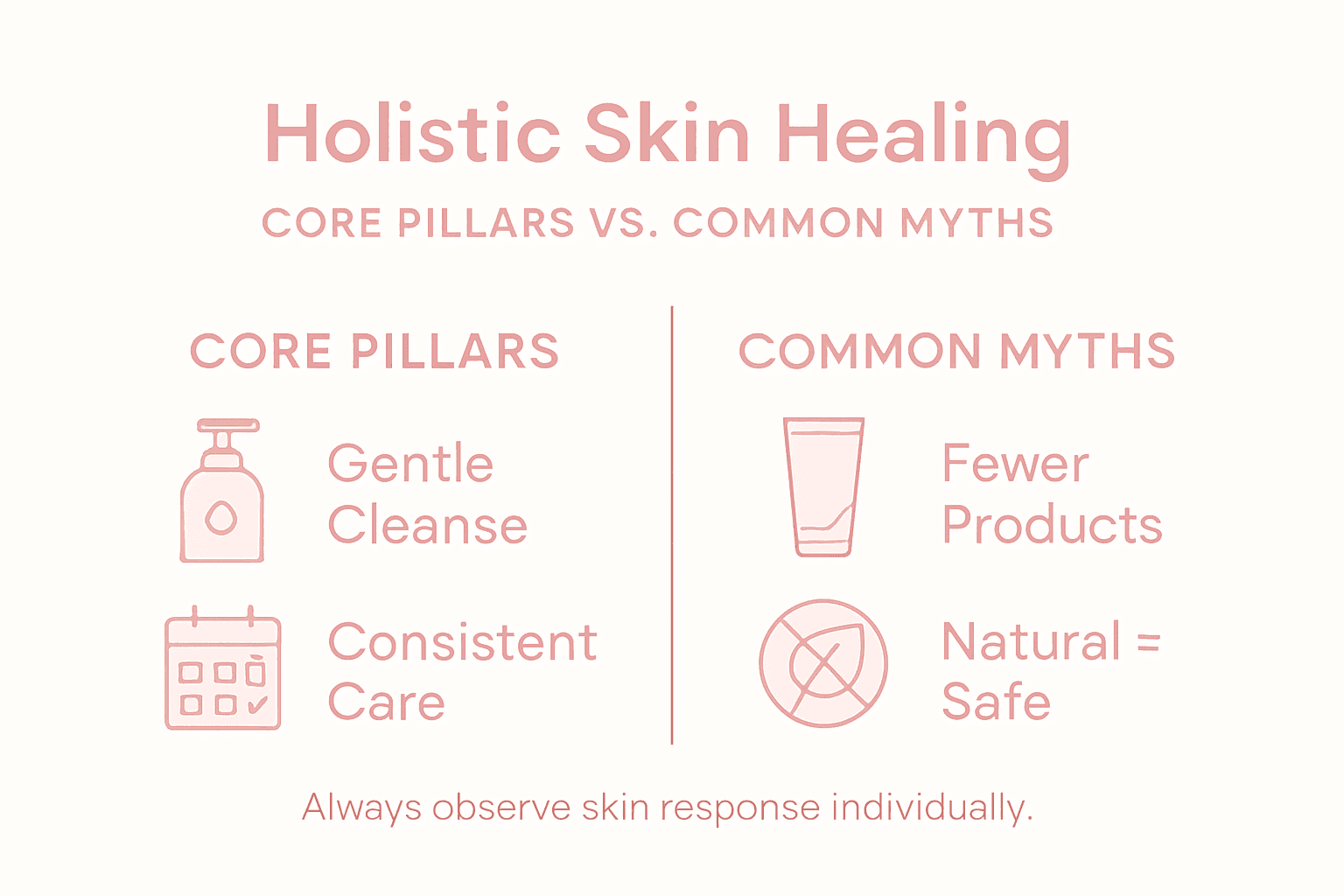
Myth 1: Sensitive skin means you need fewer products
This one persists because it sounds logical. But the opposite is often true. Your sensitive skin may need more targeted support, not less. The key is choosing the right products—not eliminating care altogether.
Your skin barrier needs hydration, nourishment, and protection. Stripping away all products leaves your skin vulnerable. Instead, focus on quality over quantity by selecting products with botanical ingredients that actively support your skin’s healing.
Myth 2: Natural automatically means safe for sensitive skin
Not all natural ingredients work for everyone. A plant that soothes one person’s skin might trigger another’s sensitivity. Nature is powerful—that’s precisely why individual responses vary so widely.
Myth 3: Sensitive skin can’t tolerate any color cosmetics
This belief keeps many women from the confidence boost that comes with makeup. The real factor isn’t makeup itself—it’s the ingredients. Clean, plant-based formulas designed without harsh synthetics work beautifully for sensitive skin. Your complexion deserves both healing and expression.
Myth 4: You should avoid all scent
While synthetic fragrance irritates many sensitive skin types, botanical scents derived from essential oils and plant extracts offer a different experience. The source matters more than whether something has aroma.
Myth 5: Sensitive skin conditions can’t improve
This might be the most damaging myth of all. Your skin has remarkable capacity for healing when given proper support. Conditions like eczema and rosacea respond to consistent, nourishing routines built on the right foundation.
Here’s how common skincare myths compare with scientific reality:
| Myth | What People Think | What Science Shows |
|---|---|---|
| Fewer products help sensitive skin | Minimal is best | Targeted support is often needed |
| All natural means safe | Nature equals gentleness | Many naturals can irritate skin |
| Color cosmetics always irritate | All makeup is bad | Ingredients, not color, matter |
| All scent should be avoided | Fragrance always damages skin | Botanical scents can be soothing |
| Sensitive skin can’t improve | Healing is impossible | Consistency brings improvement |
The Four Pillars of Holistic Skincare
Research confirms that true skin healing depends on these interconnected practices:
- Cleansing gently removes impurities without stripping your natural oils
- Moisturizing restores hydration and supports barrier function
- Nourishment comes from botanical ingredients that actively heal
- Protection shields your skin from environmental stress and UV damage
These aren’t separate steps—they work together as an integrated ritual.
Real skin transformation happens when you address the whole picture: physical care, ingredient quality, and emotional wellness combined.
Pro tip: Start your myth-busting journey by paying attention to how your skin responds over two to three weeks of consistent botanical skincare. Real results take time, but understanding natural beauty rituals for sensitive skin can help you build a routine that actually works for your unique complexion.
Holistic ingredients powering emotional wellness
Your skin doesn’t exist in isolation from your emotions. When your skin feels calm and nourished, your mood shifts. When stress triggers inflammation, you feel it emotionally too. This connection—called the skin-brain axis—reveals why skincare truly is self-care.
Botanical ingredients do more than heal your skin surface. They communicate with your nervous system, influencing the hormones and neurotransmitters that shape how you feel. This is where soul-nurturing skincare becomes genuinely transformative.
The Science Behind Botanical Emotional Support
Certain plant compounds directly influence your brain chemistry. Lavender reduces cortisol, your stress hormone, while simultaneously calming skin inflammation. Chamomile works similarly, promoting serotonin and dopamine production—the neurotransmitters behind mood stability and joy.
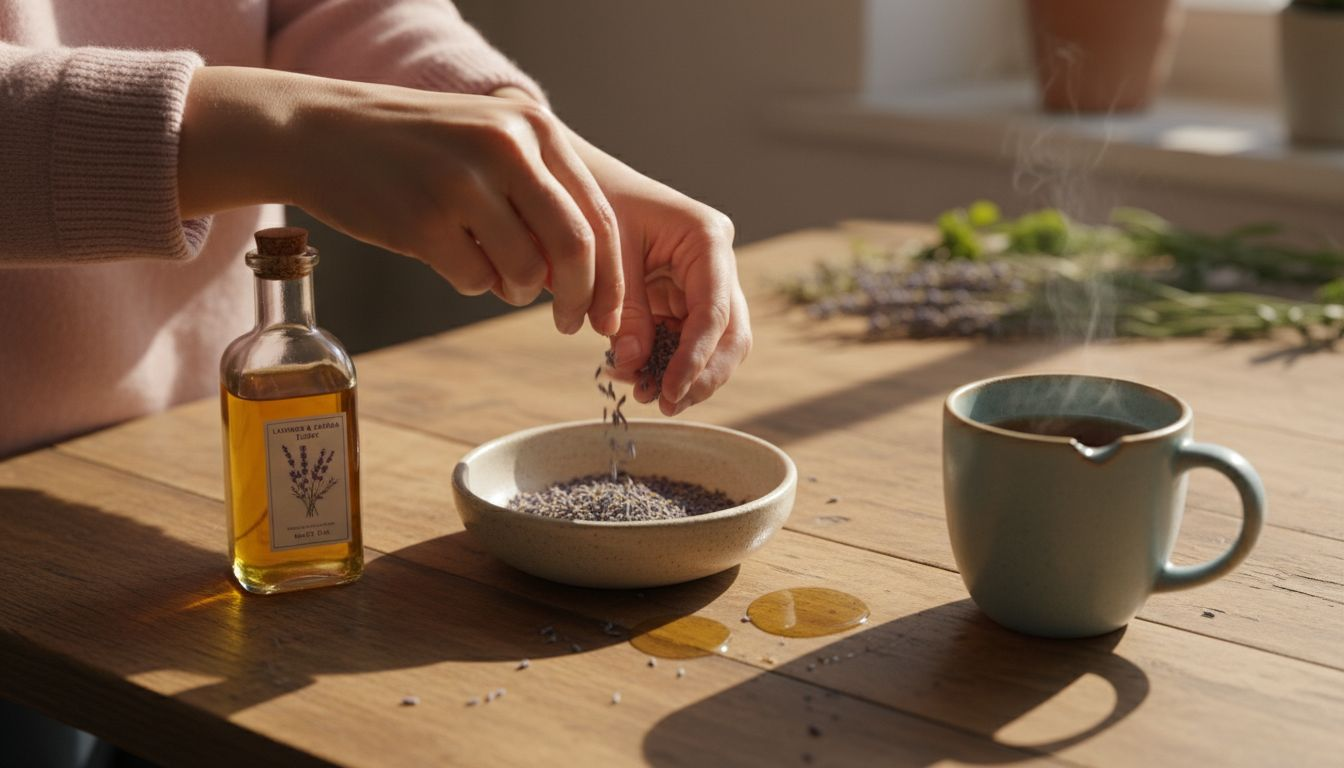
These aren’t coincidences. Your skin’s immune system and your emotional responses operate through shared biological pathways. When you support one, you naturally support the other.
Research shows that natural ingredients possess immunomodulatory properties, meaning they help regulate your skin’s inflammatory response. This reduces physical discomfort, which relieves emotional stress. It’s a gentler cycle than the typical stress-inflammation loop.
Key Botanical Players in Emotional Wellness
When selecting skincare, look for these ingredients known for emotional and dermal support:
- Lavender reduces cortisol and eases both anxiety and skin reactivity
- Chamomile promotes relaxation and supports skin barrier healing
- Rose soothes sensitive skin while lifting mood through its gentle aroma
- Botanical peptides support skin firmness and resilience, boosting confidence
- Plant-derived antioxidants protect skin while reducing inflammation-related stress
Each ingredient carries both physical and emotional benefits. Using them intentionally transforms your routine from obligation into ritual.
Here is a quick reference to holistic ingredients and their dual benefits:
| Ingredient | Skin Benefit | Emotional Benefit |
|---|---|---|
| Lavender | Calms inflammation | Reduces stress, promotes relaxation |
| Chamomile | Supports skin barrier | Elevates mood, encourages joy |
| Rose | Soothes sensitivity | Improves mood with gentle aroma |
| Botanical peptides | Boosts firmness, resilience | Builds confidence through skin strength |
| Antioxidants (plant-derived) | Protects and reduces inflammation | Eases stress from discomfort |
Building Your Emotional Wellness Ritual
The magic happens when you combine these ingredients with mindful application. Taking two minutes to massage nourishing balm into your face becomes meditation. Feeling your skin respond to healing botanicals reinforces your commitment to yourself.
This sensory experience—the texture, warmth, gentle fragrance—anchors you in the present moment. That presence itself reduces anxiety and strengthens emotional resilience.
When you understand what holistic cosmetics truly are, you recognize that every ingredient choice is an act of self-love. You’re not just treating your skin; you’re honoring your whole self.
Your skin absorbs more than botanical ingredients—it absorbs the intention and care you bring to your routine, creating emotional wellness from the inside out.
Pro tip: Apply your botanical skincare during moments when you can pause—morning coffee, evening wind-down—and focus on how each product makes your skin feel, not just how it looks. This conscious connection deepens the emotional benefits and helps you notice improvements faster.
How rituals transform skin and self-esteem
Skincare routines become rituals when you bring intention to them. A ritual is different from a routine. Routines are things you do. Rituals are things that do something to you.
When you transform your skincare into a ritual, your brain responds. The sensory experience—warm water, soft textures, gentle fragrance—triggers the release of oxytocin and endorphins. These neurochemicals are your body’s natural mood elevators. They don’t just make you feel better temporarily; they rewire how you perceive yourself.
The Science of Sensory Transformation
Every time you touch your face with intention, you’re sending signals to your nervous system. Tactile stimulation during skincare activates pathways that reduce cortisol (stress hormone) and increase feelings of safety and belonging.
This isn’t shallow self-care. This is neuroscience working in your favor. Your skin doesn’t just receive the botanical ingredients; your mind receives the message that you deserve nourishment.
When skincare becomes mindful rather than rushed, something shifts internally. You stop viewing your skin as a problem to fix and start viewing it as a living system worthy of respect. That mindset change transforms everything.
Building a Ritual That Actually Works
True rituals share specific characteristics that amplify their impact:
- Consistency creates neural pathways that reinforce self-care commitment
- Sensory awareness keeps you present and deepens emotional benefits
- Intention setting aligns your actions with your values
- Unrushed timing allows your nervous system to fully relax
- Quality ingredients make you feel genuinely cared for
You don’t need fancy tools or complicated steps. You need presence. Two minutes of intentional skincare beats ten minutes of mindless application.
The Self-Esteem Connection
When your skin improves, your confidence grows. But the reverse is equally true: when you treat your skin with care and respect, your internal dialogue shifts. You begin believing you deserve good things.
This is why using makeup for empowerment works so powerfully when paired with nourishing skincare. Makeup applied over skin you’ve tended to becomes an extension of self-love, not a mask.
Your skin reflects how you treat yourself. When others see radiant, healthy skin, they see someone who values themselves. More importantly, you see that reflection too.
The transformation isn’t just visible on your skin—it lives in how you hold yourself, speak about yourself, and believe in your own worth.
Pro tip: Schedule your skincare ritual at the same time each day and eliminate distractions during those minutes. Light a candle, play soft music, or simply breathe deeply while you apply your botanicals. This consistency trains your nervous system to associate that moment with safety and self-love, multiplying the emotional benefits over time.
Eczema care and sensitive skin solutions
Eczema isn’t a flaw you’re doing wrong. It’s your skin signaling that it needs support. Atopic dermatitis and other eczema variants respond best when you address them holistically—not just with medication, but with a complete skincare foundation.
The difference between temporary relief and lasting improvement comes down to consistency. Your skin barrier needs regular nourishment, not occasional rescue. This is why dermatologists worldwide now recommend combining treatment with intentional skincare habits.
The Four Pillars of Eczema Care
Holistic eczema management rests on four interconnected practices:
- Gentle cleansing removes irritants without stripping natural oils
- Strategic moisturizing happens immediately after cleansing, while skin is still damp
- Targeted treatment addresses inflammation with botanical compounds
- Daily photoprotection prevents UV stress that triggers flare-ups
Skip any one, and your skin struggles. Implement all four consistently, and transformation happens. Most people underestimate the power of moisturizing alone.
Cleansing Without Compromise
Your cleanser is the foundation. Harsh formulas strip the lipid barrier—the protective layer that keeps irritants out and moisture in. Once that barrier breaks, eczema flares regardless of what else you do.
Choose cleansers free from sulfates, fragrance, and drying alcohols. Lukewarm water matters too. Hot water inflames eczema; cold water can shock sensitive skin. Pat dry gently rather than rubbing.
Applying skincare to damp skin locks in moisture. This simple step multiplies the effectiveness of everything that follows.
Moisturizing as Medicine
Moisturizing isn’t luxury; it’s treatment. Products rich in plant-derived oils and botanical butters create an occlusive layer that heals inflammation from the outside while your skin regenerates underneath.
Look for plant oils formulated for sensitive skin that deliver both hydration and anti-inflammatory benefits. Apply within two minutes of cleansing for maximum absorption.
Consistency matters more than perfection. Daily moisturizing with the right product reduces eczema symptoms significantly over time.
Real-World Adherence
Knowing what to do and actually doing it are different challenges. The biggest barrier to improvement isn’t finding the right products—it’s maintaining the routine through busy seasons and flare-ups.
Start simple. Master gentle cleansing and moisturizing before adding treatment layers. Once those habits stick, everything else becomes easier.
Eczema healing is a marathon, not a sprint. Consistent small actions over months create changes that intensive treatments alone cannot achieve.
Pro tip: Create a morning and evening eczema ritual with the exact same products in the same order. Your skin learns to expect this rhythm, and your nervous system relaxes, which paradoxically reduces stress-triggered flare-ups. Set phone reminders if needed—establishing the routine is half the battle.
Avoiding synthetic irritants and quick-fix mistakes
Your sensitive skin doesn’t need more products. It needs the right ones. The beauty industry thrives on quick fixes—serums that promise overnight transformation, treatments that claim to solve everything. Most deliver disappointment and inflammation instead.
Synthetic irritants hide in plain sight. Fragrance compounds, sulfates, parabens, and alcohol denat feel effective in the moment but damage your skin barrier over time. You feel relief today; your skin pays tomorrow. This cycle keeps you buying more products, not healing.
The Synthetic Irritant Problem
Synthetic chemicals work against sensitive skin in specific ways:
- Fragrance triggers inflammatory responses and sensitizes skin further
- Sulfates strip natural oils, compromising barrier function
- Parabens and preservatives accumulate in skin, causing long-term irritation
- Drying alcohols evaporate moisture faster than hydration can replace it
- Harsh actives (strong acids, high-percentage retinols) overwhelm compromised skin
Each feels like progress initially. Your skin might look clearer for a week. But the underlying barrier weakens, making you more reactive. You become trapped in a cycle of sensitivity and searching.
Why Quick-Fix Products Fail
Marketing promises results in days or weeks. Real skin healing takes months. Your skin regenerates every 28 days; meaningful barrier repair takes three to six months of consistency.
Quick fixes work by aggressive exfoliation or inflammation reduction—both unsustainable. Once you stop, your skin crashes harder than before. You’ve essentially borrowed tomorrow’s health to pay for today’s appearance.
When choosing clean beauty for sensitive skin, prioritize ingredient transparency over dramatic promises. Trustworthy brands list what’s in the product and why each ingredient matters.
Building a Sustainable Approach
True improvement comes from consistency with gentle, nourishing formulas. This means:
- Eliminating synthetic fragrances completely
- Choosing sulfate-free cleansers
- Using botanical actives instead of harsh synthetics
- Accepting that visible results take weeks, not days
- Trusting your skin’s natural healing timeline
Your skin didn’t become sensitive overnight. Patience in restoration pays dividends that quick fixes never deliver.
The Ingredient Label Reality Check
If you can’t pronounce it and don’t know why it’s there, question it. Botanical ingredients serve clear purposes: lavender soothes, chamomile reduces inflammation, plant oils nourish. You understand their function intuitively.
Synthetic compounds promise clinical efficacy without explaining how they work on sensitive skin. That opacity itself is a red flag.
Long-term skin health beats short-term visual improvements. Your sensitive skin needs ingredients that respect its current state while gradually strengthening it.
Pro tip: When you find a gentle formula that works, resist the urge to “upgrade” to something stronger. Document your skin’s improvement over three months with the same product. You’ll see that consistency builds resilience better than any quick-fix ingredient ever could.
Embrace Holistic Healing with Pure Light Botanical Beauty
Sensitive skin challenges like eczema need more than quick solutions—they require gentle, consistent care that supports both your skin and emotional wellness. This article highlights how myths about sensitive skin can lead to frustration and damage. At Pure Light Botanical Beauty, we understand your desire for skincare that nourishes deeply using clean, plant-based ingredients designed to strengthen your skin barrier while honoring your whole self.
Discover how embracing natural beauty rituals for sensitive skin can transform your daily skincare into a soul-nurturing ritual. Our collection, including products like the Petal Perfect Lip Oil and Botanical Crème Blush, offers targeted botanical nourishment for eczema-prone and reactive skin. Begin your healing journey today by visiting Pure Light Botanical Beauty, where each product embodies the harmony of wellness, self-love, and radiant confidence. Take the first step in transforming your sensitive skin care into a ritual that does more than beautify—it heals.
Frequently Asked Questions
What are the misconceptions about sensitive skin?
Many misconceptions exist, including the idea that sensitive skin needs fewer products or that all natural ingredients are safe. In reality, sensitive skin often requires targeted support with carefully chosen products to enhance its barrier function and healing.
How can I improve my sensitive skin condition?
Improving sensitive skin often involves a holistic approach that includes gentle cleansing, consistent moisturizing, nourishing with botanical ingredients, and protecting from environmental stressors. Commitment to a routine is key for long-term improvement.
Are all natural ingredients safe for sensitive skin?
Not all natural ingredients are suitable for everyone. While some botanical ingredients can be soothing, others may trigger sensitivities. It’s essential to understand how your skin responds to specific ingredients to select the right products.
How does emotional wellness impact my skin health?
The connection between emotional wellness and skin health is known as the skin-brain axis. When your skin feels calm and nurtured, your mood often improves. Using products with botanical ingredients can help stabilize emotional responses while simultaneously caring for your skin.
Recommended
- How to Embrace Natural Beauty Naturally for Sensitive Skin – Pure Light Botanical Beauty
- Glowing Skin Routine Guide for Sensitive Skin Relief – Pure Light Botanical Beauty
- Understanding Natural Beauty Rituals for Sensitive Skin – Pure Light Botanical Beauty
- 7 Clean Beauty Routine Ideas for Sensitive Skin Relief – Pure Light Botanical Beauty