

Over 85 percent of American beauty shoppers now demand to know exactly what goes into the products they trust on their skin. With ingredient lists ranging from simple botanicals to complex chemicals, transparency has become a pressing issue for anyone seeking safe, effective skincare. This article unpacks what true transparency really means for American consumers, guiding you toward brands that value honesty as much as results.
Table of Contents
- Defining Transparency In Beauty Products
- Types Of Transparency: Ingredients, Ethics, Sourcing
- How Transparency Supports Sensitive Skin Needs
- Common Pitfalls: Greenwashing And Mislabeling
- Choosing Truly Transparent Beauty Brands
Key Takeaways
| Point | Details |
|---|---|
| Importance of Transparency | Transparency in beauty products is crucial for consumer safety, especially for those with sensitive skin. Full disclosure of ingredients helps prevent adverse reactions. |
| Types of Transparency | The beauty industry categorizes transparency into ingredient disclosure, ethical practices, and sourcing methods, all of which empower informed consumer choices. |
| Risks of Greenwashing | Brands may use misleading marketing terms, leading consumers to believe products are safe when they contain harmful ingredients, particularly for sensitive skin users. |
| Evaluating Brands | Consumers should thoroughly assess beauty brands for genuine transparency by examining ingredient lists, sourcing practices, and ethical commitments. |
Defining Transparency in Beauty Products
Transparency in beauty is about radical honesty with consumers—revealing exactly what ingredients are inside each product and how they impact skin health. For those with sensitive skin, this goes beyond mere marketing; it’s a critical safety measure. Transparent beauty means complete disclosure of every component, its origin, and potential interactions with different skin types.
At its core, transparency challenges the traditional beauty industry’s opaque practices. While regulatory guidelines require ingredient listing, many brands exploit loopholes that allow them to group complex chemical compounds under generic terms like “fragrance” or “parfum.” Certified clean beauty standards push back against these intentionally vague labeling practices, demanding that companies provide comprehensive information about their formulations.
True transparency involves more than just listing ingredients. It means explaining the purpose of each botanical extract, the sourcing methodology, and potential skin interactions. For sensitive skin warriors, this level of detail isn’t just appreciated—it’s essential. Understanding whether an ingredient is synthetic or plant-based, processed using ethical methods, and free from common irritants becomes a critical decision-making factor.
The movement toward transparency reflects a deeper shift in consumer expectations. Women are no longer accepting mysterious formulations or vague health claims. They want scientific evidence, clear communication, and products that respect their body’s unique biochemistry. This isn’t just about avoiding harmful chemicals; it’s about building trust between brands and consumers.
Pro Tip: Become an Ingredient Detective: Always turn product packaging around and read the entire ingredient list before purchasing, looking for clear, comprehensible language and avoiding products with generic terms like “fragrance” or lengthy chemical names you cannot pronounce.
Types of Transparency: Ingredients, Ethics, Sourcing
Transparency in beauty is a multifaceted concept that extends far beyond simple ingredient listing. Ingredient transparency represents the foundational layer, where brands disclose every single component in their products with clear, comprehensible language. This means moving beyond cryptic chemical names and providing context about what each ingredient does, its potential skin interactions, and its overall purpose.
Ethical transparency takes this understanding deeper, examining not just what ingredients are used, but how they are sourced and processed. Clean beauty certification standards now require brands to demonstrate responsible sourcing practices that respect both human communities and environmental ecosystems. This includes ensuring fair wages for workers, protecting indigenous knowledge, and maintaining sustainable harvesting methods that do not deplete natural resources.
Sourcing transparency is perhaps the most complex dimension of beauty industry openness. It involves tracing ingredients from their original botanical or mineral source through every stage of production. For sensitive skin consumers, this means understanding not just the final ingredient, but its entire journey—from the soil where a plant was grown to the extraction methods used, and the potential environmental and social impacts of its procurement. Brands committed to true transparency will provide detailed information about their supply chains, highlighting partnerships with local communities and sustainable agricultural practices.
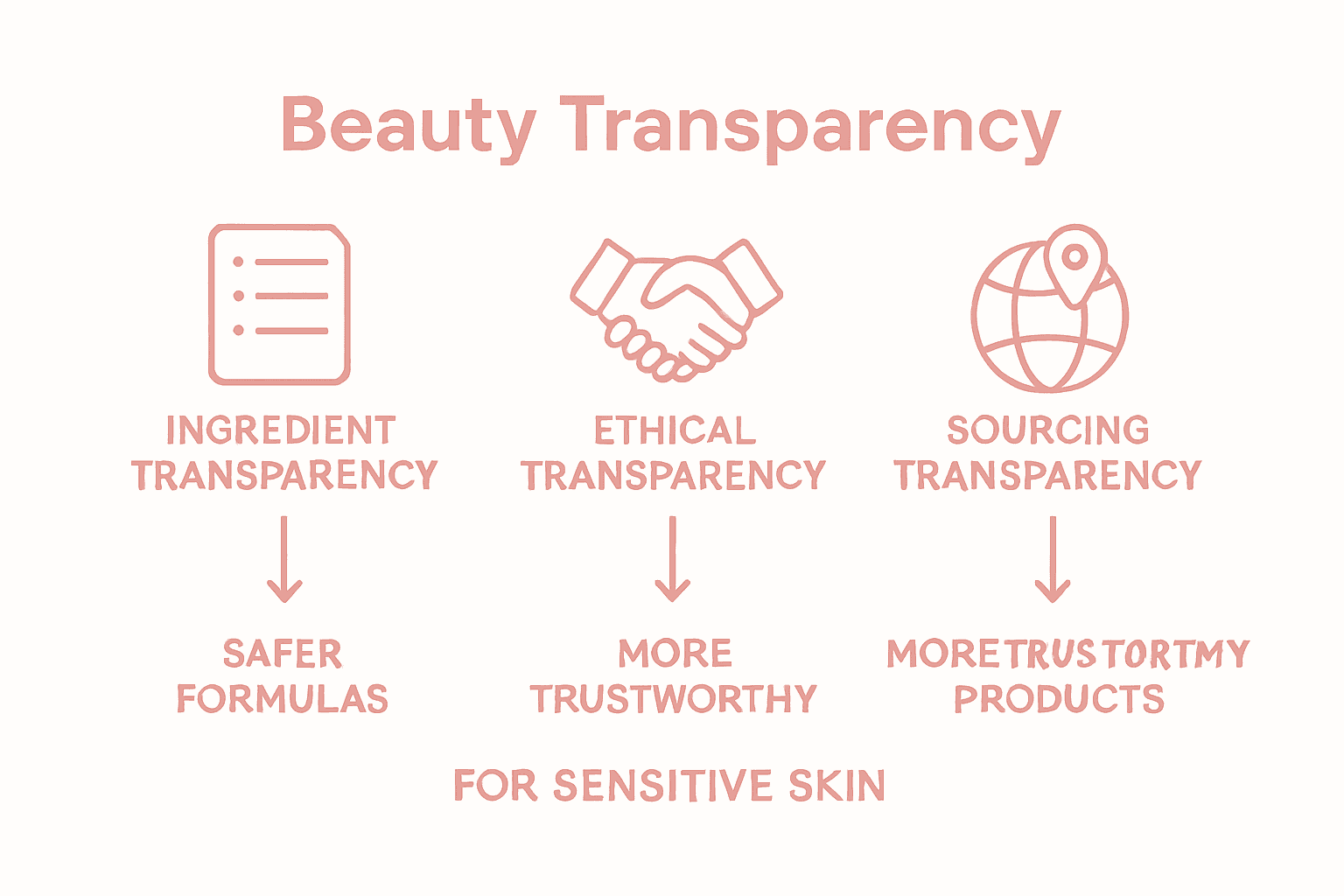
The interconnected nature of these transparency types creates a holistic approach to beauty product development. It’s no longer enough to simply list ingredients or make vague claims about natural origins. Consumers, especially those with sensitive skin, demand comprehensive insights that allow them to make informed choices about what they apply to their bodies.
Here is a comparison of the main types of transparency in the beauty industry:
| Transparency Type | Focus Area | Consumer Benefit | Typical Brand Action |
|---|---|---|---|
| Ingredient | Full ingredient disclosure | Safer product choice | Detailed, comprehensible lists |
| Ethical | Responsible practices | Confidence in brand values | Fair trade and eco-friendly methods |
| Sourcing | Traceability and origin | Insight into supply chain | Sharing supplier and harvest info |
Pro Tip: Supply Chain Sleuth: Research brands that provide detailed origin stories for their ingredients, looking for those who share specific information about farmer partnerships, sustainable harvesting techniques, and community impact.
How Transparency Supports Sensitive Skin Needs
For individuals with sensitive skin, transparency isn’t just a marketing buzzword—it’s a lifeline to safer, more comfortable beauty experiences. Ingredient disclosure becomes a critical shield against potential skin irritants, allowing those with reactive skin to make informed decisions about what touches their most vulnerable surfaces. Understanding exactly what compounds are present helps prevent painful flare-ups, allergic reactions, and long-term skin damage.
The complexity of sensitive skin demands more than surface-level ingredient lists. Natural skincare solutions provide comprehensive insights into how each botanical extract interacts with different skin types. This means detailing not just the ingredient, but its molecular structure, potential interactions, and specific benefits for sensitive skin conditions like eczema, rosacea, or contact dermatitis. Transparency transforms product selection from a guessing game into a strategic, health-conscious choice.
Moreover, transparent brands recognize that sensitive skin requires more than just avoiding harmful ingredients—it needs active, healing components. By openly sharing sourcing practices, extraction methods, and scientific research behind their formulations, these companies empower consumers to understand how specific plant-based ingredients can actually soothe and repair sensitive skin. This level of detail goes beyond traditional marketing, offering a holistic approach that treats skin as a living, dynamic ecosystem deserving of nuanced, compassionate care.
The emotional impact of transparency cannot be understated for those struggling with skin sensitivities. After years of feeling abandoned by mainstream beauty industries, individuals with reactive skin finally have brands willing to provide complete, honest information. This shift represents more than a product selection strategy—it’s a profound act of validation and respect for those whose skin requires extraordinary attention and understanding.
This table summarizes how transparency specifically supports those with sensitive skin:
| Transparency Element | Sensitive Skin Advantage | Example Disclosure Type |
|---|---|---|
| Ingredient Listing | Avoid allergens and irritants | Full list of all chemical names |
| Source Information | Reduce risk from contaminants | Organic or local sourcing details |
| Processing Methods | Prevent exposure to harsh chemicals | Cold-pressed or solvent-free method |
Pro Tip: Skin Detective: Create a personal ingredient watch list of known irritants specific to your skin type, and cross-reference this list with every new product’s full ingredient disclosure before making a purchase.
Common Pitfalls: Greenwashing and Mislabeling
In the complex world of beauty marketing, greenwashing has become a sophisticated art of deception that preys on consumers’ good intentions. Brands strategically use green-tinted packaging, nature-inspired imagery, and misleading terminology to create an illusion of environmental responsibility and natural purity, when their actual formulations often contain synthetic chemicals and potentially harmful ingredients.
The terminology trap runs deep, with marketing language designed to obscure rather than illuminate. Clean beauty certification standards reveal how terms like “natural,” “organic,” and “green” remain largely unregulated, allowing companies to make sweeping claims without substantive evidence. For sensitive skin consumers, these vague descriptors can be particularly dangerous, potentially triggering allergic reactions or skin irritations when products fail to deliver on their implied promises.
Mislabeling extends beyond mere marketing spin—it represents a fundamental breach of consumer trust. Some brands strategically hide complex chemical compounds under generic terms like “fragrance” or “parfum,” which can contain dozens of undisclosed synthetic ingredients. This practice is especially problematic for individuals with sensitive skin, who require absolute clarity about every single component that might interact with their unique dermatological profile. The lack of comprehensive ingredient transparency transforms product selection from an informed choice into a potentially risky gamble.
The emotional toll of greenwashing goes far beyond product performance. For consumers who have invested significant time, energy, and hope in finding safe, nurturing beauty solutions, these deceptive practices can feel like a profound betrayal. They represent not just a marketing strategy, but a systemic disregard for consumer health, particularly for those managing chronic skin conditions who rely on genuine, transparent information to protect their well-being.
Pro Tip: Ingredient Investigator: Always scrutinize the entire ingredient list, research unfamiliar terms, and prioritize brands that provide complete, scientifically-backed explanations of their formulations rather than relying on trendy marketing language.
Choosing Truly Transparent Beauty Brands
Choosing a truly transparent beauty brand requires more than superficial research—it demands a holistic approach to evaluating a company’s commitment to genuine openness. Ingredient transparency goes beyond a simple list of components, requiring brands to provide detailed context about each element’s origin, processing, and potential skin interactions. The most trustworthy brands treat their ingredient list like a comprehensive scientific document, not a marketing brochure.
Authenticity in cosmetics involves multiple layers of investigation. Consumers should look for brands that not only disclose full ingredient lists but also explain the specific purpose of each botanical extract, share sourcing methodologies, and provide clear information about their manufacturing processes. This means seeking out companies that can articulate why a particular plant-based ingredient was chosen, how it was harvested, and what specific benefits it offers for sensitive skin.
The digital age has empowered consumers to become sophisticated ingredient detectives. Transparent brands now leverage technology and scientific communication to provide unprecedented levels of detail. This includes offering molecular breakdowns of ingredients, explaining extraction methods, and providing clear documentation about sustainable and ethical sourcing practices. For individuals with sensitive skin, this level of information isn’t just appreciated—it’s absolutely essential for making safe, informed choices that protect their skin’s delicate ecosystem.
Truly transparent brands understand that openness is an ongoing commitment, not a one-time marketing strategy. They welcome scientific scrutiny, actively engage with consumer questions, and continuously update their formulations based on the latest dermatological research. These companies recognize that trust is built through consistent, honest communication that prioritizes consumer health over short-term sales tactics.
Pro Tip: Brand Transparency Audit: Create a personal checklist that includes reviewing a brand’s full ingredient list, researching their sourcing practices, checking for third-party certifications, and examining their willingness to provide detailed scientific information about their products.
Experience True Transparency Designed for Sensitive Skin
The article highlights the crucial need for complete ingredient transparency to protect and nurture sensitive skin from irritants hidden in vague formulations. If you have struggled with skin sensitivities or conditions like eczema, you know how vital it is to trust every ingredient in your beauty products. Pure Light Botanical Beauty embraces this challenge with open arms by offering clean, plant-based formulas crafted with full transparency about their origins and benefits, turning your makeup routine into a healing ritual.
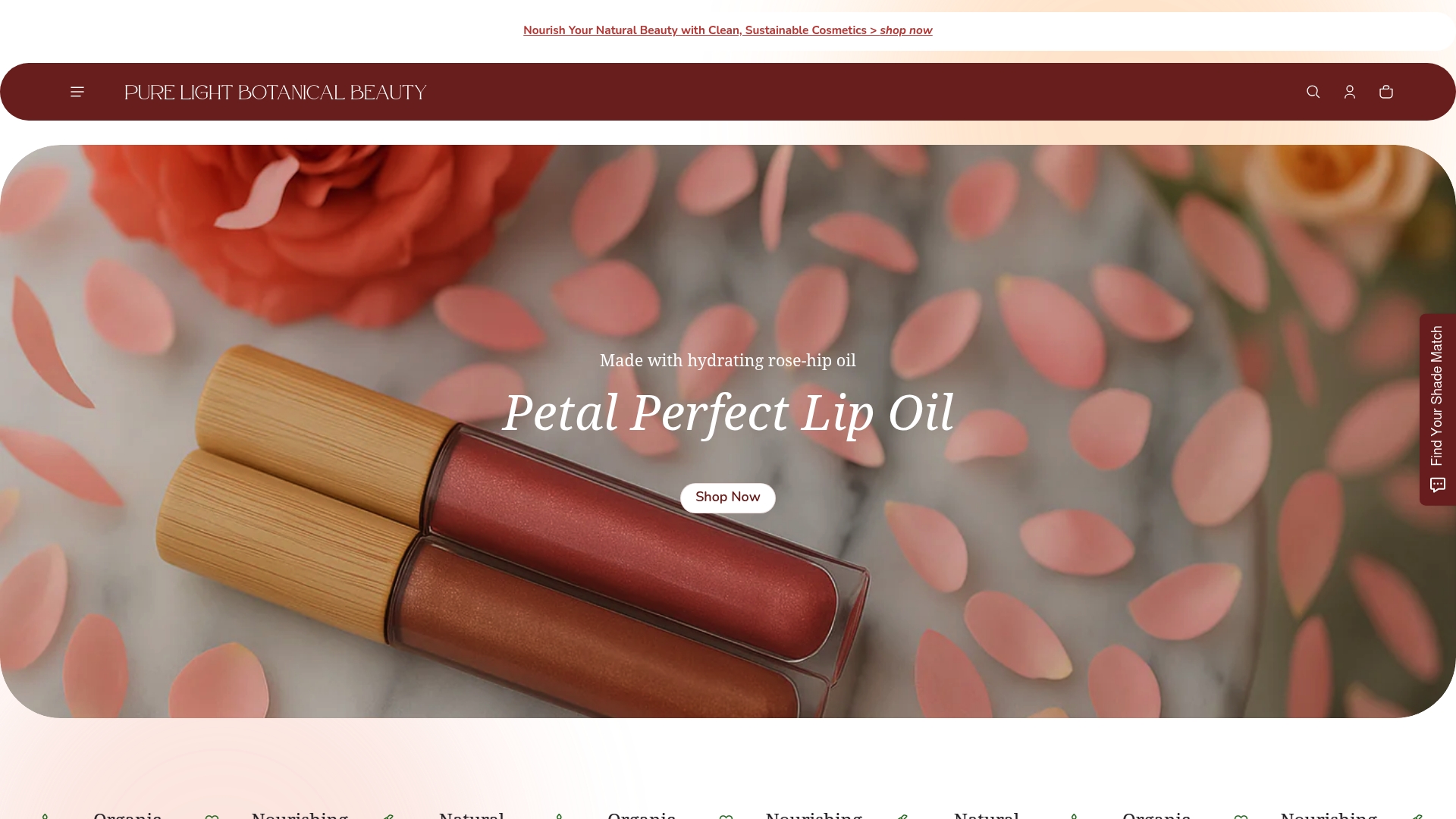
Discover how our thoughtfully created products like Petal Perfect Lip Oil and Botanical Crème Blush prioritize your skin’s delicate balance by providing honest insight into every botanical element involved. Visit Pure Light Botanical Beauty to explore a collection where wellness meets artistry. Take the next step toward skin confidence and radiant beauty that shines from the inside out—because your skin deserves nothing less than true transparency.
Frequently Asked Questions
What does transparency in beauty products mean?
Transparency in beauty products refers to the complete disclosure of all ingredients, their origins, and their effects on skin health. It emphasizes honesty from brands about what is in their products and how these ingredients interact with different skin types, particularly for those with sensitive skin.
Why is transparency important for individuals with sensitive skin?
Transparency is essential for those with sensitive skin because it allows them to identify potential irritants and allergens in products. Detailed ingredient listings help consumers make informed decisions and avoid compounds that may trigger reactions, leading to safer and more comfortable beauty experiences.
How can I assess the transparency of a beauty brand?
To assess a beauty brand’s transparency, look for clear and detailed ingredient lists, ethical sourcing practices, and comprehensive explanations of each ingredient’s purpose. Brands should provide insights into their sourcing and production methods, and be open to answering consumer inquiries about their formulations.
What is greenwashing in the beauty industry, and how can I avoid it?
Greenwashing is the practice of misleading consumers by using marketing tactics that create a false impression of environmental friendliness or natural purity. To avoid greenwashing, scrutinize ingredient lists, research unfamiliar terms, and prioritize brands that provide clear scientific information rather than relying on vague marketing language.
Recommended
- Understanding Why Clean Beauty Works for Your Skin – Pure Light Botanical Beauty
- Certified Clean Beauty—Why Ingredient Transparency Matters – Pure Light Botanical Beauty
- Advantages of Clean Cosmetics: Complete Guide – Pure Light Botanical Beauty
- Complete Guide to the Advantages of Clean Cosmetics – Pure Light Botanical Beauty
- 7 hasznos tanács kezdők tetoválásával kapcsolatban