

For glowing skin, you need four products working together daily: a gentle cleanser, a vitamin C antioxidant serum, a moisturizer containing ceramides and humectants like glycerin or hyaluronic acid, and a broad-spectrum SPF 30+ sunscreen. That is the core. Everything else, including a retinoid for long-term texture improvement and a standalone hyaluronic acid serum for deeper plumping, builds on that foundation.
Your one-line AM routine: cleanse, apply vitamin C serum (wait 60 seconds), moisturize, then finish with SPF 30+ before you leave the house.
Here is what to put on your shopping checklist right now:
- Gentle cleanser: low-pH, sulfate-free, fragrance-free
- Vitamin C serum: look for L-ascorbic acid (10–20%) or a stable derivative like ascorbyl glucoside
- Moisturizer: ceramides + glycerin or hyaluronic acid for barrier repair and plumping
- Broad-spectrum SPF 30+: mineral (zinc oxide) or chemical, whichever texture you will actually wear daily
- Optional: a standalone hyaluronic acid serum for extra hydration; a retinoid (retinol or prescription tretinoin) for PM use to improve texture and firmness over time
Purelightbotanicalbeauty’s plant-forward formulations are built around this same philosophy: fewer, better ingredients that genuinely support the skin barrier rather than overwhelm it.
Key Takeaways
A consistent four-product routine, built around vitamin C, ceramide-rich moisture, and daily SPF 30+, produces the most reliable, long-term improvements in skin radiance.
| Point | Details |
|---|---|
| Core daily routine | Gentle cleanser, vitamin C serum, ceramide moisturizer, and SPF 30+ cover the majority of what matters for glow. |
| SPF is non-negotiable | Daily broad-spectrum SPF 30+ prevents the UV-driven dullness and collagen loss that undermine every other product. |
| Exfoliate with restraint | AHAs and BHAs once to three times per week maximum; sensitive skin does better with PHAs to avoid barrier damage. |
| Results take time | Vitamin C brightening shows at four to six weeks; retinoid texture improvements take eight to twelve weeks or longer. |
| Purelightbotanicalbeauty | The Botanical Beauty Balm™ ~ Calendula & Rose fits the PM occlusive step, supporting barrier repair with clean, plant-based ingredients. |
Table of Contents
- What products do you actually need for glowing skin every day?
- Which ingredients actually produce a glow?
- Which product forms should you use, and when?
- How do you build a simple AM and PM routine?
- What commonly ruins your glow before it starts?
- When do professional treatments actually help?
- A gentle, ritual-led approach to luminous skin
- Purelightbotanicalbeauty’s Botanical Beauty Balm for your PM routine
- Useful sources and further reading
What products do you actually need for glowing skin every day?
A minimal, consistent routine outperforms an elaborate one almost every time. Dermatologists and skin experts agree that a gentle cleanser, an antioxidant, a moisturizer, and a broad-spectrum sunscreen cover the majority of what matters for long-term skin quality. Extras are often optional, and sometimes counterproductive.
Cleanser
Choose a sulfate-free, low-pH formula that removes makeup, sunscreen, and environmental debris without stripping the skin’s acid mantle. Stripping the barrier is one of the fastest ways to dull your complexion, because a compromised barrier loses moisture and reflects light unevenly.
- Dry or sensitive skin: cream or milk cleansers with glycerin or ceramides
- Oily or acne-prone skin: gel or foaming formulas with niacinamide or salicylic acid (used once daily, not twice)
- Combination skin: a gentle gel cleanser that does not over-dry the T-zone
Moisturizer
A good moisturizer does three things: it draws water in (humectants like glycerin and hyaluronic acid), holds it in the skin (emollients like squalane and shea butter), and seals it there (occlusives like petrolatum or plant-based waxes). Look for ceramides on the ingredient list regardless of skin type; they are the structural proteins your barrier depends on.
- Dry skin: rich cream with ceramides, shea butter, and glycerin
- Oily skin: lightweight gel-cream with niacinamide and hyaluronic acid
- Sensitive skin: fragrance-free, minimal-ingredient formula with colloidal oat or centella asiatica
Sunscreen
Daily use of broad-spectrum sunscreen is the single most important action you can take to keep skin healthy and prevent the dullness that sun damage produces. UV exposure breaks down collagen, triggers uneven melanin production, and undoes every other product in your routine. Wear it every morning, indoors or out.
Pro Tip: The best sunscreen is the one you will wear consistently. If a thick white-cast mineral formula makes you skip it, switch to a lightweight chemical SPF or a tinted mineral option. Compliance matters more than formulation perfection.
Which ingredients actually produce a glow?
Understanding what each ingredient does physiologically helps you choose products with intention rather than guesswork. Here is a reference for the high-impact actives worth knowing.
Vitamin C (ascorbic acid and stable derivatives)
Vitamin C is an antioxidant that neutralizes free radicals from UV and pollution, supports collagen synthesis, and helps even skin tone by inhibiting excess melanin production. L-ascorbic acid, the most studied form, works best at a low pH around 3.5. It is also the least stable, so store your vitamin C serum away from light and heat. Stable derivatives like ascorbyl glucoside or sodium ascorbyl phosphate are gentler options for sensitive skin, though they convert to active ascorbic acid more slowly. Pairing vitamin C with vitamin E and ferulic acid meaningfully increases its antioxidant efficacy and UV protection compared to SPF alone.
Hyaluronic acid
Hyaluronic acid (HA) is a humectant that can hold a very large amount of water relative to its weight, drawing moisture from the environment and deeper skin layers into the upper dermis. Apply it to damp skin, then layer an emollient or occlusive on top; without that seal, HA can actually pull moisture out of the skin in dry climates. Multi-weight HA formulas (combining high and low molecular weight) reach different skin depths for a more complete plumping effect.
AHAs, BHAs, and PHAs
Chemical exfoliants dissolve the bonds holding dead skin cells together, revealing the brighter, smoother skin underneath.
- AHAs (glycolic acid, lactic acid): water-soluble, work on the surface; glycolic acid penetrates deepest, lactic acid is gentler and also humectant. Use 1–3 times per week depending on skin tolerance. Increase sun sensitivity, so SPF is non-negotiable.
- BHAs (salicylic acid): oil-soluble, penetrate pores; ideal for oily or acne-prone skin. Once or twice weekly is sufficient for most people.
- PHAs (gluconolactone, lactobionic acid): larger molecules that exfoliate more slowly and gently; the preferred choice for sensitive or rosacea-prone skin. Experts recommend PHAs as a gentler alternative when standard AHAs cause irritation.
Retinoids
Topical retinoids, including over-the-counter retinol and prescription tretinoin, carry the strongest clinical evidence for improving texture, tone, and collagen production of any topical ingredient. Use them at night only, start with two or three applications per week, and build frequency gradually over six to eight weeks to minimize the initial dryness and flaking that most people experience. Expect meaningful texture and brightness improvements around the three-month mark; collagen-level changes take longer.
Niacinamide
Niacinamide (vitamin B3) is one of the most versatile and well-tolerated actives available. It reduces the appearance of enlarged pores, calms redness, inhibits melanin transfer to skin cells (helping with dark spots), and strengthens the barrier.
Peptides, ceramides, and squalane
Peptides are short amino acid chains that signal the skin to produce more collagen and elastin; they work best in leave-on products like serums and moisturizers. Squalane, a stable plant-derived oil (often from sugarcane or olives), is a lightweight emollient that mimics the skin’s own sebum and suits nearly every skin type, including oily.
A note on concentration and safety: More active ingredient is not always better. Patch test any new active on the inner arm for 24–48 hours before applying it to your face. If you experience lasting redness, stinging, or increased sensitivity to sunlight, pause the active and allow the barrier to recover before reintroducing it at a lower frequency.
Which product forms should you use, and when?
The form a product takes, whether a serum, oil, mist, or balm, determines when it works best and where it sits in your routine. Choosing the right texture for the right moment is as important as choosing the right ingredient.
Water-based serums are the workhorses for active ingredients. Their thin consistency allows them to penetrate before heavier layers seal the skin. Vitamin C, niacinamide, and hyaluronic acid serums all belong here, applied directly after cleansing on slightly damp skin.
Gel moisturizers suit oily and combination skin because they deliver hydration without the occlusive weight of a cream. They typically contain hyaluronic acid and glycerin as primary humectants, with minimal emollient content.
Cream moisturizers are the right choice for dry or sensitive skin. They contain a higher ratio of emollients and occlusives, which means they seal in the actives you applied underneath more effectively.
Facial oils (rosehip, marula, squalane) are emollients, not occlusives, despite what many people assume. They work best layered over a serum and under a heavier cream, or as the final PM step for dry skin types. Oily skin can often use a single drop of squalane in place of a heavier moisturizer.
Mists and glow drops deliver instant, temporary luminosity. A hydrating mist mid-day refreshes the skin and can revive a dewy finish. Glow drops, which typically contain light-reflecting particles or a blend of oils and HA, are a cosmetic shortcut for occasions when you want radiance immediately rather than over weeks. They are not a substitute for an active routine, but they are a genuinely useful tool.
- Avoid layering multiple occlusives over active serums; one occlusive layer is sufficient and more is rarely better.
- A serum that already contains antioxidants and a moisturizer with ceramides can function as a two-step replacement for a longer routine when time is short.
- For natural skincare layering that works with botanical formulations, the thin-to-thick rule applies universally.
How do you build a simple AM and PM routine?
Two clean templates cover the majority of glow-focused goals. Choose the one that matches where you are starting, then add one targeted active at a time.
Minimal AM routine (all skin types)
- Gentle cleanser (30 seconds, lukewarm water, pat dry)
- Vitamin C serum (3–4 drops, press into skin, wait 60 seconds before the next step)
- Moisturizer with ceramides and glycerin (pea-sized amount, press in gently)
- Broad-spectrum SPF 30+ (last step, every morning without exception)
Timeline: Skin tone and texture improvements from vitamin C typically become visible at four to six weeks of consistent daily use.
Targeted AM routine (for dullness and uneven tone)
- Gentle cleanser
- Hyaluronic acid serum on damp skin
- Vitamin C serum (wait 60 seconds)
- Niacinamide moisturizer or a moisturizer with ceramides
- SPF 30+
Minimal PM routine
- Double cleanse if you wore SPF or makeup (oil cleanser first, then gentle water-based cleanser)
- Moisturizer with ceramides and squalane or a facial oil
- Optional: a targeted occlusive balm on dry patches or the lips
PM routine with retinoid (for texture and firmness)
- Double cleanse
- Wait until skin is fully dry (about 20 minutes) before applying retinoid, which reduces irritation
- Pea-sized amount of retinoid, two to three nights per week to start
- Ceramide-rich moisturizer on top to buffer dryness
- Increase retinoid frequency gradually over six to eight weeks
Timeline: Texture smoothing from retinoids is typically noticeable at eight to twelve weeks; collagen-level improvements take six months or longer. Measure progress by how evenly your skin reflects light in natural daylight, not by how it looks under bathroom lighting.
Troubleshooting: If a new active causes redness or flaking, drop back to every third night and add a plain ceramide moisturizer as a buffer. If irritation persists beyond two weeks, pause the active entirely and rebuild the barrier with a simple cleanser-moisturizer-SPF routine for two weeks before reintroducing.
What commonly ruins your glow before it starts?
The most meticulous product selection means little if a few common errors are quietly working against you. These are the mistakes worth knowing before they cost you weeks of progress.
Over-exfoliation
Over-exfoliation is one of the most frequent and damaging mistakes in a glow-focused routine. Using scrubs or strong acids daily creates micro-cracks in the skin surface, increases transepidermal water loss (TEWL), and triggers chronic low-grade inflammation that dulls tone and texture over time. The skin looks temporarily brighter after exfoliation, which makes it tempting to repeat, but the cumulative damage is real.
Recommended frequency by skin type:
- Normal to oily skin: AHAs or BHAs two to three times per week maximum
- Dry or sensitive skin: once per week, or switch to a PHA entirely
- Compromised or reactive skin: pause exfoliation, rebuild the barrier, then reintroduce slowly
Incompatible active pairings
Some actives compete or amplify irritation when used together in the same application:
- High-strength AHAs + retinoid in the same PM session: both are exfoliating and can cause significant irritation. Use them on alternating nights instead.
- Vitamin C (low pH) + niacinamide at the same time: older guidance warned against this combination, but current evidence suggests it is not harmful at typical concentrations. Still, if you experience flushing, separate them into AM (vitamin C) and PM (niacinamide) slots.
- Multiple strong actives at once: introduce one new active at a time, wait two to three weeks, then add the next.
Pro Tip: Patch test every new active on the inner arm for 24–48 hours before applying it to your face. Apply a small amount, leave it unwashed for 24 hours, and check for redness, swelling, or itching before proceeding.
Lifestyle factors that quietly dim your skin
Sleep, nutrition, and stress management are not soft suggestions; they are physiological requirements for a sustained glow. Skin barrier repair happens primarily during sleep, and consistently getting 7–9 hours supports that process in ways no serum can replicate. A diet rich in carotenoids (carrots, spinach, sweet potatoes) and omega-3 fatty acids, from sources like oily fish (1–2 portions per week), supports skin tone and barrier integrity over time. Chronic stress elevates cortisol, which degrades collagen and impairs barrier function. For a deeper look at how nutrition supports radiant skin, the connection between diet and complexion is more direct than most people realize.
When do professional treatments actually help?
A consistent daily routine is the foundation, and professional treatments are supplementary tools that can address concerns topical care alone cannot fully resolve.
Common in-office options and what they target:
- Chemical peels (superficial to medium depth): accelerate cell turnover, improve texture, and address mild hyperpigmentation; results visible within one to two weeks post-peel
- Laser resurfacing and IPL (intense pulsed light): target pigmentation, redness, and collagen stimulation; IPL is particularly effective for sun-induced discoloration
- Microdermabrasion: mechanical exfoliation that smooths surface texture; gentler than peels, with minimal downtime
- LED light therapy: red light supports collagen production; blue light targets acne-causing bacteria; typically requires multiple sessions
- HydraFacial: combines cleansing, exfoliation, extraction, and hydration in one session; delivers immediate luminosity with no downtime
Instant and temporary options like glow drops, illuminating primers, and hydrating facial mists produce visible radiance within minutes. They are genuinely useful for events or days when your skin needs a cosmetic lift, but their effect fades within hours. Think of them as a complement to your routine, not a replacement for it.
Consult a dermatologist or licensed esthetician when you are dealing with persistent hyperpigmentation that has not responded to six weeks of topical vitamin C and SPF, moderate to severe acne scarring, or any lesion that looks unusual or has changed in appearance. Professional guidance is also worth seeking before introducing prescription retinoids or if you suspect actinic damage from cumulative sun exposure.
A gentle, ritual-led approach to luminous skin
There is a quieter truth that gets lost in the noise of ingredient lists and product launches: the skin responds to consistency and care more than it responds to complexity. What I have come to believe, and what the evidence keeps affirming, is that a short, intentional routine built around a few well-chosen ingredients will outperform a ten-step regimen assembled from trend-driven purchases.
The philosophy at Purelightbotanicalbeauty begins from that same place. Plant-forward formulations, thoughtfully chosen botanicals, and a deep respect for the skin barrier are not marketing language; they are a genuine commitment to the idea that beauty and healing can share the same source. For those with sensitive skin, or skin that has been over-processed and needs to recover, a botanical approach often means fewer actives, gentler delivery, and a slower, more sustainable path to radiance. That path is worth taking.
Glow is not a product you buy once. It is what happens when your barrier is healthy, your hydration is consistent, your SPF is non-negotiable, and you give your skin the patience it deserves. The natural radiance guide from Purelightbotanicalbeauty explores this botanical approach in more depth, particularly for sensitive skin types navigating the balance between actives and gentleness.
Purelightbotanicalbeauty’s Botanical Beauty Balm for your PM routine
If your PM routine needs a reliable occlusive step that also soothes and supports barrier repair, the Botanical Beauty Balm™ ~ Calendula & Rose from Purelightbotanicalbeauty is worth adding to your checklist. Formulated with calendula and rose, two botanicals with well-established skin-calming and emollient properties, it fills the occlusive role in the hydration layering sequence: humectant serum first, then this balm to seal moisture in overnight.
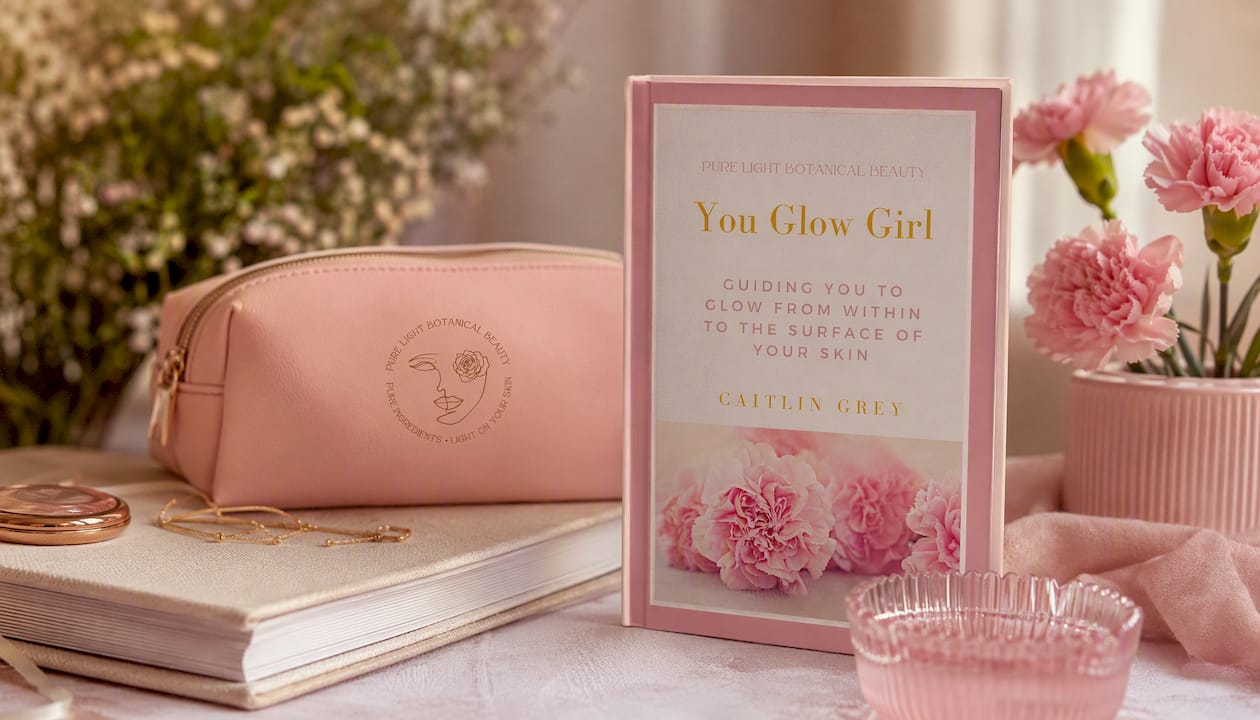
It is particularly well-suited for dry patches, compromised skin, or anyone whose barrier needs recovery time after introducing a retinoid or exfoliant. The formula stays within clean, plant-based parameters, making it a natural fit for sensitive skin or anyone managing eczema-prone conditions. Visit the Purelightbotanicalbeauty shop to explore the full collection and find where the Botanical Beauty Balm fits into your own routine.
Useful sources and further reading
The following sources informed the ingredient guidance, routine recommendations, and safety notes throughout this article:
- NPR, “Essential Skin-Care Products” — supports the sunscreen-first principle and the minimal effective routine framework; cited for SPF guidance throughout.
- Glamour UK, “How to Get Glowy Skin This Summer, According to Experts” — source for exfoliation frequency recommendations, PHA guidance for sensitive skin, and the over-exfoliation caution.
- Glowstice, “The Minimal Effective Routine: 4 Products, Maximum Results” — basis for the four-product core routine, vitamin C formulation notes (L-ascorbic acid pH and stability), and the vitamin C + E + ferulic acid combination evidence.
- Curology, “The Science Behind Real Glowing Skin: How to Shine Without Shimmer” — source for hyaluronic acid humectant properties (1,000x water-holding capacity) and retinoid clinical evidence for collagen and texture improvement.
- Medical News Today / Healthline, “How to Get Glowing Skin: 11 Tips for Diet, Skin Care, and More” — lifestyle factors section: sleep (7–9 hours), omega-3 intake, carotenoid-rich diet, and their connection to barrier function and radiance.
- InStyle, “How to Get Glowy Skin” — expert consensus on hydration, gentle exfoliation, and SPF as the combined approach to brightness; in-office treatment overview.
- Glow Protocol, “The Glass Skin Routine: 47 Products Tested, 7 Winners” — hydration layering sequence (humectant, emollient, occlusive) and the thin-to-thick application principle.
- Purelightbotanicalbeauty Blog — natural radiance and botanical routine guides for sensitive and glow-seeking skin, including step-by-step product category breakdowns.
Recommended
- What Products Make Skin Glow Naturally Step-by-Step – Pure Light Botanical Beauty
- Glowing Skin Steps for a Radiant Complexion Routine – Pure Light Botanical Beauty
- What to Use to Make Your Skin Glow Naturally Every Day – Pure Light Botanical Beauty
- Steps to Glowing Skin: Your Natural Radiance Guide – Pure Light Botanical Beauty