

TL;DR:
- Natural pigments provide bioactive benefits such as antioxidant and anti-inflammatory properties that go beyond color alone.
- However, they are chemically sensitive and often less stable than synthetic options, requiring careful formulation and sourcing for safety and performance.
Natural pigments have colored human life for thousands of years, from cave paintings to royal cosmetics. But the real question today isn’t whether they work. It’s whether they’re worth choosing over the synthetic alternatives that dominate modern formulas. If you’ve been drawn to clean beauty or sustainable art practices, you’ve likely asked yourself why use natural pigments at all when synthetic options are cheaper, more stable, and easier to source. The answer is nuanced, and it cuts through some genuinely surprising science, shifting regulations, and a growing consumer movement that’s changing what we put on our skin and our canvases.
Table of Contents
- Key Takeaways
- Why use natural pigments: sources, types, and chemistry
- The real advantages of using natural pigments
- Natural pigments vs synthetic: an honest comparison
- How to choose and use natural pigments effectively
- My honest perspective on natural pigments
- Clean beauty that puts natural pigments to work
- FAQ
Key Takeaways
| Point | Details |
|---|---|
| Natural pigments offer bioactive benefits | Many plant and mineral pigments carry antioxidant and anti-inflammatory properties beyond just color. |
| Stability is a real challenge | Natural pigments are sensitive to pH, heat, and light, requiring thoughtful formulation or stabilization techniques. |
| Natural does not always mean safer | Some isolated natural colorants carry health risks that depend heavily on context and delivery method. |
| Regulations are shifting the market | EU microplastic bans are pushing cosmetics brands toward biodegradable and natural mineral pigments through 2035. |
| Artists value irreplaceable qualities | Natural earth pigments offer unique opacity and refractive properties that synthetic options cannot fully replicate. |
Why use natural pigments: sources, types, and chemistry
Before you can make an informed choice, you need to know what natural pigments actually are. At the most basic level, they are color-producing compounds derived from biological or mineral sources rather than created through chemical synthesis in a lab.
The source categories break down like this:
- Plants: Roots, berries, leaves, and flowers yield pigments like anthocyanins (think deep red and purple tones from berries), carotenoids (the orange and yellow found in marigolds and turmeric), and chlorophylls (the green spectrum from plant matter).
- Minerals: Iron oxides, ultramarine, and ochres come from the earth itself and have been used in pigments for millennia.
- Insects: Carmine, one of the most widely used natural red dyes, comes from the cochineal insect.
- Microorganisms: Algae, fungi, and bacteria produce pigments like beta-carotene and riboflavin.
The chemical complexity here matters. Each of these categories produces pigments through entirely different biochemical pathways. Carotenoids and tetrapyrroles, for instance, carry antioxidant and anti-inflammatory properties that go well beyond color. This is fundamentally different from synthetic dyes, which are engineered purely for color output with no additional bioactive function.
Here’s where the honest conversation begins, though. Natural pigments are chemically sensitive and prone to degradation when exposed to pH shifts, heat, and light. Anthocyanins, for example, will shift color dramatically as the pH of a formula changes. A blush that looks rose-pink in the jar can behave unpredictably once it contacts the slightly acidic surface of skin.
Pro Tip: When working with plant-based anthocyanin pigments in cosmetic formulas, test your finished product at the expected skin pH of 4.5 to 5.5 before finalizing color. A tiny pH buffer adjustment can protect color integrity without compromising the formula.
The real advantages of using natural pigments
Understanding the natural pigment advantages requires looking beyond color. The most compelling case for choosing natural pigments in cosmetics isn’t just that they look beautiful. It’s that many of them actively support the skin while they color it.
The bioactive properties are meaningful. Carotenoids and tetrapyrroles contribute to preventing chronic disorders including cardiovascular diseases when consumed, and topically, many of these compounds act as antioxidants that neutralize free radicals on the skin’s surface. For anyone managing sensitive skin or conditions like eczema, the difference between a pigment that just sits on the skin and one that actively supports its barrier function is significant.
Beyond skin benefits, regulatory and environmental factors are reshaping the market fast. EU regulations are driving cosmetics away from synthetic microplastics toward biodegradable and natural mineral pigments, and the market is expected to bifurcate into premium and compliance-driven segments through 2035. This isn’t just a trend. It’s regulatory reality, and brands that have already transitioned to eco-friendly pigment options are positioned well ahead of those still catching up.
“Consumers increasingly see synthetic-heavy ingredient lists as engineered rather than real products.” This shift in perception is real, and natural pigments signal authenticity to consumers in a way that no synthetic formula can replicate.
For artists, the reasons to choose natural colors are different but equally compelling. Natural earth pigments offer specific opacity and refractive qualities that synthetic pigments cannot fully reproduce. When a painter uses raw umber or yellow ochre, they are working with materials that carry a physical and optical complexity built over geological time. The colors age and interact with light in ways that make finished work feel alive in a way synthetic analogs simply don’t.
The authenticity factor also carries significant weight in the beauty market. When consumers see natural pigments in a formula, they experience a level of transparency that builds lasting trust between them and a brand.

Natural pigments vs synthetic: an honest comparison
Here is where many articles go soft and avoid giving you the full picture. The truth is that natural pigments vs synthetic is not a simple good versus bad story. It’s a trade-off conversation.
| Factor | Natural pigments | Synthetic pigments |
|---|---|---|
| Color vibrancy | Often softer, more muted | Generally more vivid and consistent |
| Stability | Sensitive to pH, heat, light | Highly stable across conditions |
| Cost | Higher, especially at scale | Lower, more scalable |
| Environmental impact | Biodegradable, lower toxicity | Often petroleum-derived, harder to degrade |
| Bioactive properties | Present in many pigments | Absent |
| Regulatory status | Favored under microplastic bans | Increasingly restricted in EU |
| Consumer perception | High trust, authenticity signal | Growing skepticism |
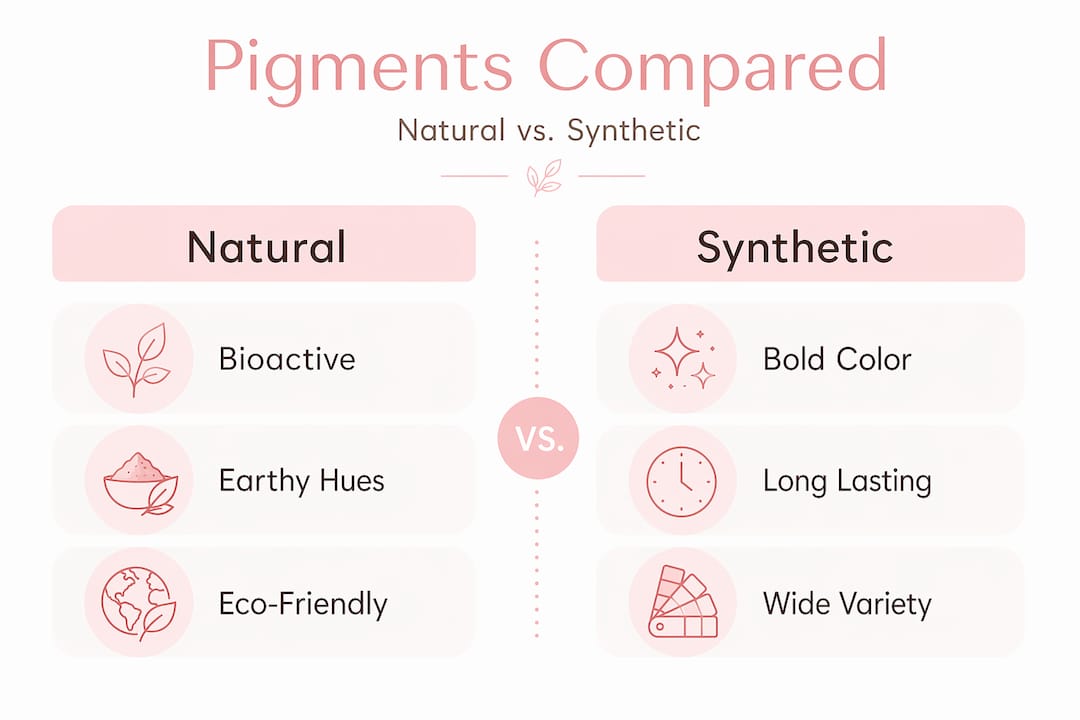
One fact that surprises most people: natural does not automatically mean safe. Carotenoid consumption at high levels showed a 39% increase in type 2 diabetes risk in high-consumption groups, challenging the blanket assumption that natural origin guarantees safety. Context matters enormously here. The health risks of purified natural pigments differ from what occurs when those same compounds are consumed or used within their whole-food or whole-plant matrix, where natural fibers and complex structures appear to mitigate some negative effects.
For cosmetics specifically, this nuance points to a critical principle: sourcing and formulation integrity matter as much as whether the pigment is labeled natural. Knowing how to balance clean and natural ingredients is genuinely useful knowledge for anyone building a clean beauty routine.
Pro Tip: Don’t use “natural” as a shortcut for safety evaluation. Ask your cosmetics brand for the specific pigment source, concentration, and how the formula was tested. Transparency at this level is the real marker of a trustworthy clean beauty product.
How to choose and use natural pigments effectively
Choosing natural pigments well, whether for cosmetic formulation or fine art, requires moving past idealism and into practical decision-making. Here is how to approach it:
-
Understand the stability demands of your application. Lip products, for example, face body temperature, saliva, and food contact. A pigment stable in a body cream may fade or shift in a lip formula within hours. Test for your specific end-use condition, not just in a lab jar.
-
Consider microencapsulation for sensitive pigments. Microencapsulation and controlled-release technologies are now accessible approaches for stabilizing anthocyanins and other reactive natural pigments in both cosmetic and food applications. This is no longer a technique reserved for large manufacturers.
-
Source from suppliers who can verify origin and processing. Ethical sourcing for something like carmine (derived from insects) or mineral pigments (which can carry heavy metal contamination if poorly processed) requires documentation, not just label claims. Ask for third-party testing results.
-
For artists grinding your own paint, oil selection changes everything. Using walnut oil instead of linseed oil reduces yellowing over time and improves the archival quality of natural pigment paints. Grinding with a glass muller rather than mixing by hand ensures the pigment particles are fully coated in oil, which affects both color saturation and longevity.
-
Watch the emerging biotechnology space. Advances like metabolic engineering and CRISPR/Cas9 are enabling scalable natural pigment production from microbial sources. Pigments that were once cost-prohibitive or environmentally intensive to harvest are becoming more accessible through biotech routes, without sacrificing their natural classification.
For those specifically interested in how natural pigments serve sensitive skin, the guide to natural pigments for sensitive skin makeup is a practical place to see these principles applied to real product decisions.
Pro Tip: When evaluating any natural pigment for cosmetic use, request the Certificate of Analysis from the supplier and look specifically at heavy metal limits. Mineral-derived pigments in particular require careful screening to meet safety thresholds.
My honest perspective on natural pigments
I’ve spent years watching the clean beauty conversation swing between two extremes: uncritical enthusiasm for anything labeled natural and reflexive skepticism from those who dismiss natural pigments as unstable novelties. Both miss the real story.
What I’ve come to believe is that the most important thing about natural pigments isn’t their origin. It’s the intention behind how they’re used. When a brand chooses a carotenoid pigment that also delivers antioxidant support to the skin, that’s a formulation decision with genuine meaning. When an artist chooses yellow ochre because it ages with grace and connects their work to a lineage of human expression, that matters. These are not sentimental choices. They are informed ones.
The part conventional wisdom gets wrong is treating this as a purely binary choice. Natural pigments have real limitations and they deserve honest acknowledgment. But so do synthetic alternatives, particularly as regulations tighten and consumer expectations for transparency grow. The future belongs to brands and makers who are fluent in both worlds and honest about the trade-offs.
What excites me most right now is the biotechnology frontier. The idea that we can produce stable, ethically sourced natural pigments at scale through microbial engineering without the agricultural footprint of plant harvesting is genuinely promising. We are early in that story, but it points toward a version of natural pigment use that doesn’t ask us to choose between integrity and performance.
For you as a consumer or creator, the real ask is simple: stay curious, demand transparency, and don’t let a single label word do the work of actual scrutiny.
— Kaitlyn
Clean beauty that puts natural pigments to work
If this conversation has you thinking more carefully about what’s actually in your makeup, Purelightbotanicalbeauty was built precisely for that moment of clarity.
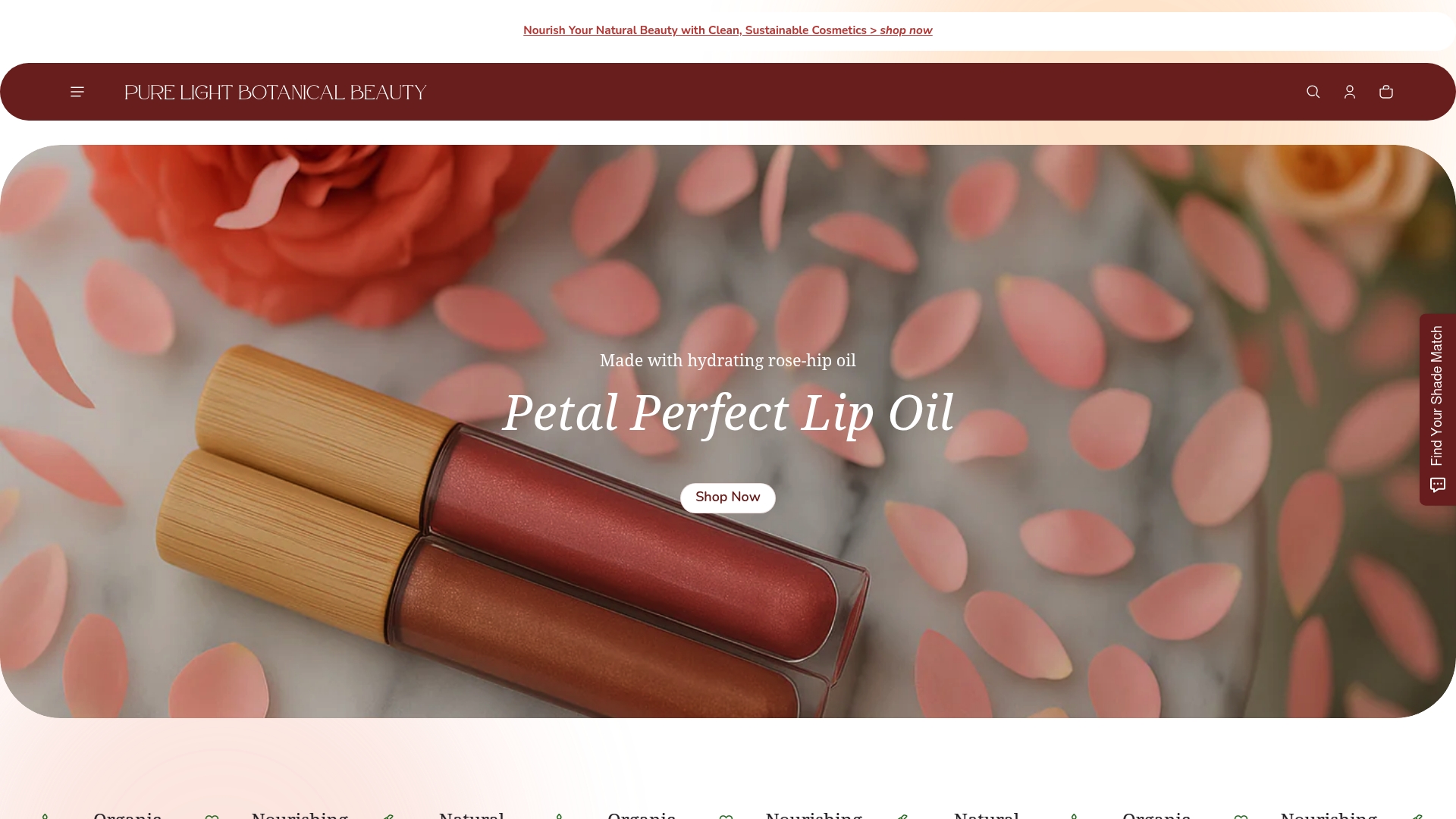
Every formula at Purelightbotanicalbeauty is crafted with plant-based ingredients chosen for both their color and their care. The Botanical Crème Blush, Nourishing Lipstick, and Petal Perfect Lip Oil aren’t just colored with natural pigments. They’re built around them, with botanicals that actively support the skin barrier, making them especially gentle for sensitive skin and eczema-prone complexions. This is makeup as a nourishing ritual, not just a color layer. Explore the full collection and find products that genuinely align with how you think about beauty and what you want it to do for your skin.
FAQ
What are the main benefits of using natural pigments?
Natural pigments offer bioactive properties including antioxidant and anti-inflammatory effects, along with lower environmental impact and strong consumer trust. Many also carry regulatory advantages as synthetic microplastics face increasing restrictions.
Are natural pigments safer than synthetic pigments?
Not automatically. Some isolated natural colorants, including high-dose carotenoids, have shown health risks in studies. Safety depends on the specific pigment, its concentration, and the delivery formula rather than natural origin alone.
Why do artists prefer natural pigments over synthetic ones?
Fine artists value natural earth pigments for their unique optical properties, including specific opacity and refractive qualities, that synthetic alternatives cannot replicate. The historical continuity and archival behavior of these materials also matter to many practitioners.
How do you stabilize natural pigments in cosmetic formulas?
Microencapsulation and controlled-release technologies are the most effective current approaches for stabilizing reactive natural pigments like anthocyanins. Careful pH management and protection from heat and light also extend pigment performance significantly.
Why are brands shifting toward natural pigments now?
EU regulations banning synthetic microplastics in cosmetics are accelerating the shift toward biodegradable and natural mineral pigments. Beyond compliance, consumer demand for ingredient transparency is making natural pigments a signal of brand authenticity.
Recommended
- Natural pigment guide for sensitive skin makeup – Pure Light Botanical Beauty
- What Is Natural Makeup Artistry? Complete Guide – Pure Light Botanical Beauty
- Clean vs Natural Ingredients: Finding Balance with Pure Light Botanica – Pure Light Botanical Beauty
- Why Choose Natural Makeup: Complete Guide – Pure Light Botanical Beauty