

TL;DR:
- Natural mineral and botanical pigments offer gentle, effective color options tailored for sensitive skin. Choosing products with high-quality, pure ingredients and understanding formulation factors ensures minimal irritation and vibrant, lasting results. Patch testing and evaluating whole formulas are essential steps for safe, healthy beauty routines.
Finding makeup that actually loves your skin back is harder than it should be. If you live with sensitive skin, redness, or eczema, you already know the exhausting cycle: a blush that burns, a lipstick that dries and cracks, a foundation that triggers a flare. The good news is that nature offers a genuinely different path. Mineral and botanical pigments are becoming the backbone of a new generation of gentle, beautiful color cosmetics, and understanding them gives you real power to choose products that work with your skin rather than against it.
Table of Contents
- How to spot gentle natural pigments in makeup
- Mineral pigments: The backbone of natural color
- Plant-based pigments: From beetroot to turmeric and beyond
- Comparing pigment performance and stability
- What most beauty advice gets wrong about natural pigments
- Experience pure, gentle color with Pure Light Botanical Beauty
- Frequently asked questions
Key Takeaways
| Point | Details |
|---|---|
| Identify gentle pigments | Gentleness depends on formulation quality, not just natural origin. |
| Minerals offer stability | Mineral pigments last longer and are less prone to fading, making them ideal for sensitive skin makeup. |
| Plants provide variety | Botanical pigments add unique shades and can bring soothing benefits to sensitive skin formulas. |
| Always patch test | New products, even natural ones, should be patch-tested to minimize the risk of irritation. |
| Read ingredient labels | Checking for specific minerals or plant extracts helps ensure you get the pigments best suited for your skin. |
How to spot gentle natural pigments in makeup
Before you can choose the right products, you need to understand what makes a pigment truly gentle. Not all “natural” pigments are created equal, and the difference matters most when your skin is reactive.
Natural pigments fall into two broad categories: mineral pigments and botanical pigments. Mineral pigments come from the earth. Iron oxides, mica, and titanium dioxide are mined, purified, and processed into the fine powders you see listed on ingredient labels. Botanical pigments come from plant sources: roots, berries, spices, algae, and leaves. Both groups can be incredibly gentle, but the word “natural” on a label is not enough information on its own.
Here is how to read an ingredient label for natural pigments:
- Look for recognized mineral names: iron oxides, mica, titanium dioxide, zinc oxide, bismuth oxychloride.
- Look for plant-derived colorants: beetroot powder, turmeric extract, annatto seed extract, spirulina, and cocoa powder.
- Scan for certifications or third-party testing notes, which signal purity standards have been applied.
- Check what the pigment is suspended in. A clean pigment in an irritating base still causes problems.
- Notice the order of ingredients. Pigments listed early appear in higher concentrations.
As pigment tolerability research shows, “natural origin” alone does not guarantee gentleness. Irritation risk depends on factors like particle size, purity, and compatibility with other formula ingredients. A finely milled iron oxide in a nourishing oil base behaves very differently than the same mineral in a drying alcohol-heavy formula.
When you are choosing natural makeup, ask yourself whether the brand prioritizes both ingredient origin and formulation quality, not just one or the other. A thoughtful brand will address both. It is also worth understanding how cosmetic preservation and skin health intersect, because preservatives in a formula affect how stable and safe a pigment stays over time.
Pro Tip: Just because a label says “natural” does not mean it is perfect for sensitive skin. Always patch test a new product on the inside of your wrist or behind your ear for 24 hours before applying it to your face.
With clarity on the pigment selection process, let us look at the main types of natural pigments used in makeup.
Mineral pigments: The backbone of natural color
Mineral pigments have been used in cosmetics for thousands of years, and for good reason. They are stable, effective, and generally well tolerated by people with sensitive skin. Here are the key players:
- Iron oxides deliver reds, warm yellows, deep blacks, and earthy browns. They are among the most widely used cosmetic pigments in the world, and iron oxides are FDA-approved for use in color cosmetics. Because they come from inorganic mineral sources, they do not trigger plant-based allergies.
- Mica creates the soft shimmer and luminous glow you see in highlighters, eyeshadows, and blushes. Pure mica is gentle, but quality matters. Look for brands that source responsibly and test for heavy metal contamination.
- Titanium dioxide adds whiteness and opacity to formulas, improving coverage in foundations and tinted moisturizers. It also has a mild physical sun-blocking effect.
- Bismuth oxychloride gives products a pearlescent, satin finish. Some people with very reactive skin find it slightly irritating, so check how you respond to it personally.
- Zinc oxide appears less often as a pure pigment but offers both white coverage and known skin-calming, anti-inflammatory properties, making it especially welcome in sensitive skin formulas.
Natural makeup formulations frequently rely on this group of minerals because they offer predictable color output, long wear, and stability under light and heat. They do not shift color the way some botanical pigments can.
Mineral pigments are unlikely to cause plant-related allergic reactions, but always verify purity standards and particle size before committing to a new product.
The way a mineral is processed matters enormously. Coarser particles can feel gritty or sit unevenly on dry or textured skin. Ultra-fine particles blend seamlessly and create that soft-focus, skin-like finish that makes mineral makeup so appealing. Understanding balancing clean and natural ingredients helps you see why processing quality is just as important as the raw material itself.
Plant-based pigments: From beetroot to turmeric and beyond
Botanical pigments bring something minerals simply cannot: a living connection to the plant world, along with the skin-nourishing compounds that often travel alongside the color. This is where natural beauty gets genuinely exciting.
Here is a look at the most common plant pigments and the shades they create:
- Beetroot (betalains and betacyanins): Offers beautiful pinks and reds. It has been used in natural pigment-based herbal lipsticks, alongside dragon fruit and cocoa powder, with promising results. The catch is that beetroot color can fade with exposure to light, oxygen, and changes in pH.
- Turmeric: Delivers warm golden-yellow tones and brings antioxidant-rich curcumin along for the ride. A little goes a long way in a formula, and it pairs well with other warm-toned pigments.
- Annatto seed extract: Creates peach and orange vibrancy. It is derived from the seeds of the achiote tree and has been used as a natural food and cosmetic colorant for centuries.
- Cocoa, coffee, and black tea: Together these offer a warm range of taupes, browns, and chestnuts that work beautifully in eyeshadow and brow formulas.
- Spirulina, chlorophyll, and matcha: These algae and plant powders create green and blue-green tints, used in everything from eyeshadow to color-correcting formulas.
- Red sandalwood: Research into plant pigments in cream blush formulation specifically highlights red sandalwood and beetroot as effective pigments for blush products, showing that plant-sourced color can perform in real cosmetic applications.
A wide spectrum of botanical color is achievable through plant extracts. The key is pairing these pigments with thoughtful formulation so they retain their vibrancy and remain stable on your skin.

Here is a quick reference table for plant pigments and their primary hues:
| Plant pigment | Color range | Key skin benefit |
|---|---|---|
| Beetroot | Pink to deep red | Antioxidant-rich |
| Turmeric | Golden yellow | Anti-inflammatory |
| Annatto | Peach to orange | Natural vitamin E |
| Cocoa powder | Warm brown | Antioxidant |
| Spirulina | Blue-green | Rich in nutrients |
| Matcha | Soft green | Calming, antioxidant |
| Red sandalwood | Red to burgundy | Antimicrobial properties |
Learning more about plant-powered beauty benefits helps you see how botanical pigments do double duty: they color and care at the same time. And pairing them with the right soothing botanical extracts creates formulas that genuinely support reactive, tender skin.
Pro Tip: When trying a product with botanical pigments for the first time, store it away from direct sunlight and heat to help the color stay true for longer.
Comparing pigment performance and stability
So how do mineral and plant pigments actually stack up against each other? Both have real strengths and real limitations. Here is an honest comparison.
| Feature | Mineral pigments | Plant-based pigments |
|---|---|---|
| Color vibrancy | Strong and consistent | Varied, can be nuanced |
| Stability | Very high | Moderate, formulation-dependent |
| Fade resistance | Excellent | Can fade with light/oxygen |
| Skin nourishment | Minimal | Often significant |
| Allergy risk | Low (plant allergy-free) | Low to moderate |
| Eco-renewability | Mined, limited | Renewable and sustainable |
| Color variety | Earth tones and pastels | Wide, including vivid botanicals |
Many natural cosmetic brands use mineral pigments for performance and stability while weaving in plant pigments for botanical benefits and unique color expression. This blended approach is often the smartest strategy for sensitive skin users who want both reliability and nourishment.
Plant pigments present a specific challenge: beetroot and similar plant colorants are sensitive to pH, light, temperature, and oxygen, which means the formula around them needs to work hard to keep the color stable. This is not a reason to avoid plant pigments; it is a reason to choose brands that invest in careful, science-backed formulation.
A beautiful formula is one where the pigment and every other ingredient are working in harmony. Sensitive skin deserves that level of thoughtfulness.
Anthocyanins, a family of pigments found in berries, purple plants, and certain flowers, add another layer of interest. These pigments can shift hue based on pH and structure, meaning they can appear pink, purple, or blue depending on the environment they are in. Formulators who understand this chemistry can create stunning, unique colors. For users, it means checking product reviews and wearing time to make sure a color stays true throughout the day.
Understanding the types of natural makeup available to you helps you match pigment type to your specific need. And if you are looking for a curated recommendation, exploring the best natural makeup for sensitive skin is a great starting point.
What most beauty advice gets wrong about natural pigments
Here is something we see again and again, and it is worth saying plainly: the conversation around natural pigments in beauty is dominated by marketing language, not formulation reality.
Brands know that “natural” is a powerful word. It signals safety, purity, and care. And while those associations are often warranted, they can also obscure what is actually happening inside a formula. A blush made with beetroot pigment sounds lovely, and it can be lovely. But if that beetroot is suspended in a base full of synthetic fragrance or alcohol, your skin is not receiving a gentle experience. The pigment’s origin becomes almost irrelevant when the surrounding formula is working against you.
This is why we believe the real measure of a gentle, effective product is not just what colors it but how the entire formula is built. Formulation factors are just as important as pigment origin when it comes to real-world comfort and irritation potential.
We also want to speak honestly about patch testing. Most beauty content mentions it as an afterthought. We think it is one of the most powerful tools you have. Your skin’s response is the most reliable data point available, more reliable than any ingredient list or brand claim. Testing a new product on a small area before full use is not a hassle; it is an act of self-respect.
For those with eczema or chronically reactive skin, the stakes are even higher. The wrong pigment or formula can mean days of discomfort. Reading ingredient labels, asking brands direct questions about sourcing and processing, and relying on products proven for healing beauty for sensitive skin is not being difficult. It is being wise.
The deeper truth is this: natural beauty at its best is not about trends or buzzwords. It is about understanding what your skin actually needs and choosing products that honor that. The pigment is part of the story. The whole formula tells it.
Experience pure, gentle color with Pure Light Botanical Beauty
If this journey through natural pigments has you ready to explore what gentle color cosmetics can actually feel like on your skin, we invite you to discover what we have created for you.
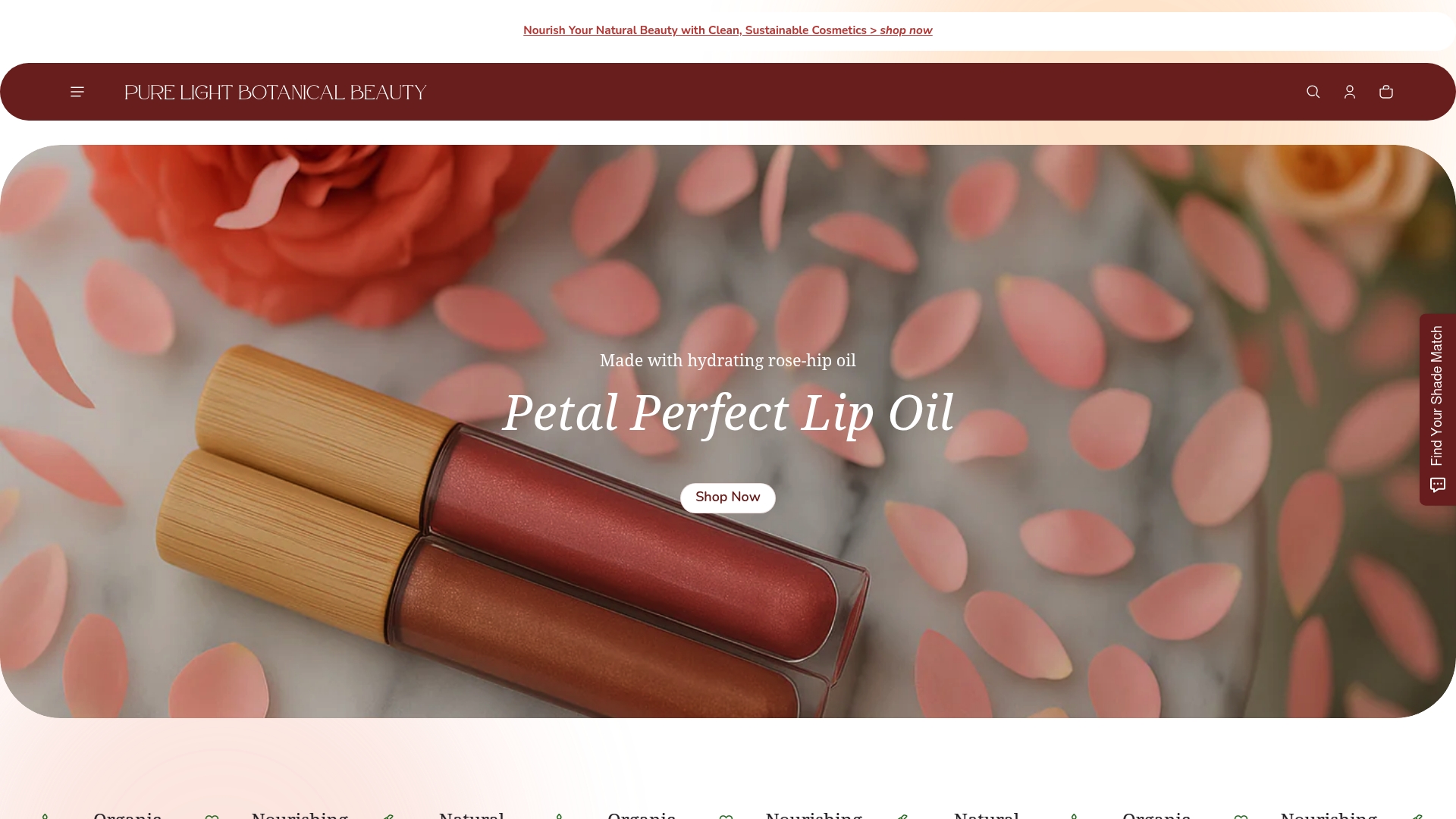
At Pure Light Botanical Beauty, every formula is built around the same belief that guides this article: beauty and healing belong together. Our color cosmetics use thoughtfully selected mineral and botanical pigments in bases designed to nourish, soothe, and support even the most sensitive skin. From our Botanical Crème Blush to our Nourishing Lipstick, each product is a small act of care. If you want to learn more about why every ingredient we choose matters, start with our guide to botanical ingredients for sensitive skin and see the difference intentional formulation makes.
Frequently asked questions
Are natural pigments less likely to irritate sensitive skin?
Natural pigments may be gentler overall, but tolerability also depends on particle size, purity, and formulation, so patch testing is always the most reliable step.
How can I tell if my makeup uses natural pigments?
Look for ingredients like iron oxides, mica, beetroot, turmeric, and annatto on the label. Brands that use mineral pigments like mica and titanium dioxide will usually highlight these in their ingredient transparency materials.
Do plant-based pigments fade faster than minerals?
Yes, plant pigments can be more sensitive to light, pH, and oxygen. Betacyanin-rich botanicals like beetroot require especially careful formulation to maintain vibrancy over time.
Can I make my own makeup with natural pigments at home?
It is possible using ground minerals or plant powders, but formulation knowledge and proper safety precautions are essential, especially for sensitive skin, to avoid irritation or contamination.
Are there eco-friendly benefits to choosing plant-based pigments?
Plant-based pigments are renewable and often less resource-intensive than mined or synthetic alternatives, though responsible and ethical sourcing still matters enormously for a truly sustainable choice.
Recommended
- Best natural makeup for sensitive skin in 2026 – Pure Light Botanical Beauty
- 7 Types of Natural Makeup for Sensitive, Radiant Skin – Pure Light Botanical Beauty
- 7 Essential Natural Makeup Tips 2025 for Sensitive Skin – Pure Light Botanical Beauty
- 7 Natural Makeup Must-Haves for Sensitive Skin Confidence – Pure Light Botanical Beauty