

TL;DR:
- “Natural” labels do not guarantee safety or efficacy for sensitive or eczema-prone skin.
- Plant-powered beauty combines science, standardization, and high-performance actives for reliable results.
- Choose products with transparent ingredient lists, standardized active percentages, and third-party safety testing.
Many products labeled “natural” can still trigger irritation, redness, and flare-ups, especially for those managing sensitive or eczema-prone skin. That’s because “natural” describes where an ingredient comes from, not how it performs or how safe it is for fragile skin barriers. Plant-powered beauty uses high-performance plant actives, refined through modern science, to deliver results that go far beyond origin claims. This guide breaks down exactly what plant-powered beauty means, which ingredients truly support sensitive skin, and how to choose formulas you can actually trust.
Table of Contents
- Defining plant-powered beauty: Beyond natural and organic
- Key plant-powered actives and how they support sensitive skin
- Evidence: How plant-powered beauty benefits sensitive and eczema-prone skin
- Safety, myths, and choosing truly gentle plant-powered formulas
- A new era: Performance, transparency, and real safety for sensitive skin
- Explore plant-powered beauty with Pure Light Botanical Beauty
- Frequently asked questions
Key Takeaways
| Point | Details |
|---|---|
| Plant-powered defined | Plant-powered beauty uses scientifically refined plant actives for safer, more effective care compared to standard ‘natural’ or ‘organic.’ |
| Sensitive skin benefits | Clinical research shows certain plant-derived ingredients reduce irritation, repair barriers, and improve hydration for sensitive and eczema-prone skin. |
| Evidence-driven choice | Prioritize standardized, trial-tested formulas over raw or generic plant ingredients to prevent sensitivity and ensure consistent results. |
| Transparency matters | Brands that share research, test for irritation, and offer ingredient clarity help you make safer skincare choices. |
Defining plant-powered beauty: Beyond natural and organic
With this foundation, let’s dive into what truly defines “plant-powered beauty” and how it’s more than just a trendy label.
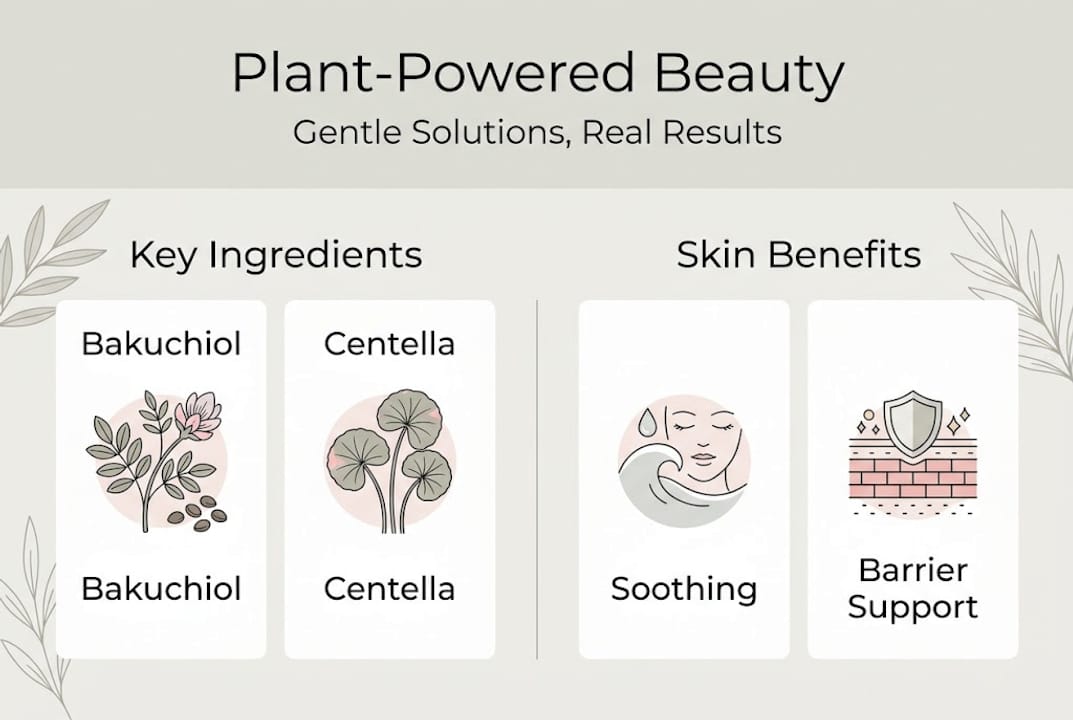
Walk into any beauty store and you’ll see the words “natural,” “organic,” and “plant-based” scattered across nearly every shelf. These terms feel reassuring. But for women with sensitive or eczema-prone skin, they can be misleading. A product can be 100% natural and still contain ingredients that inflame your skin, disrupt your barrier, or cause allergic reactions. The label tells you the source. It doesn’t tell you whether the formula is safe, effective, or consistent.
Plant-powered beauty is a different category entirely. It’s built on a philosophy of efficacy, safety, and transparency, not just sourcing. According to the botanical beauty trends report, plant-powered beauty uses high-performance actives, biotech refinement, and standardized ingredients to deliver better, more reliable results. This matters enormously for sensitive skin, because consistency is everything. When an active is standardized, it means you get the same concentration and quality in every bottle, every batch.
Modern extraction technologies, including cold-pressing, CO2 extraction, and fermentation, allow formulators to isolate the most beneficial compounds from plants while removing the irritants. This is what separates a thoughtfully made botanical product from a raw plant extract that might behave unpredictably on your skin.
The plant-powered beauty benefits extend beyond just being gentle. These formulas are designed to actively support your skin’s health, not just sit on top of it. They work with your biology, not against it.
Here’s a quick comparison of how these labels differ:
| Label | What it means | What it doesn’t guarantee |
|---|---|---|
| Natural | Derived from nature | Safety, efficacy, or consistency |
| Organic | Grown without synthetic pesticides | Skin compatibility or performance |
| Plant-powered | Science-backed plant actives, standardized | Always free from all irritants |
| Clean beauty | Free from specific harmful chemicals | Fully plant-derived or clinically tested |
“Not all plant-based ingredients are created equal. The difference between a plant-powered formula and a ‘natural’ one often comes down to how the ingredient is processed, standardized, and tested before it ever touches your skin.”
Key things to look for when evaluating a plant-powered claim:
- Standardized actives listed with specific percentages on the label
- Biotech-refined extracts that remove known irritants from raw plant material
- Third-party testing for safety and skin compatibility
- Transparent ingredient lists with clear sourcing information
Understanding these distinctions is the first step toward finding products that truly deliver transformative benefits for sensitive skin without the guesswork. When you know what to look for, choosing the right formula becomes a much calmer, more confident experience.
Key plant-powered actives and how they support sensitive skin
Understanding the philosophy is key, but what ingredients make plant-powered beauty so effective for sensitive types?
The right plant actives can genuinely change how your skin feels and functions. For women managing sensitivity or eczema, the goal isn’t just to avoid irritation. It’s to actively rebuild the skin barrier, reduce inflammation, and restore moisture. Here are the most well-researched plant-powered actives and what they actually do.
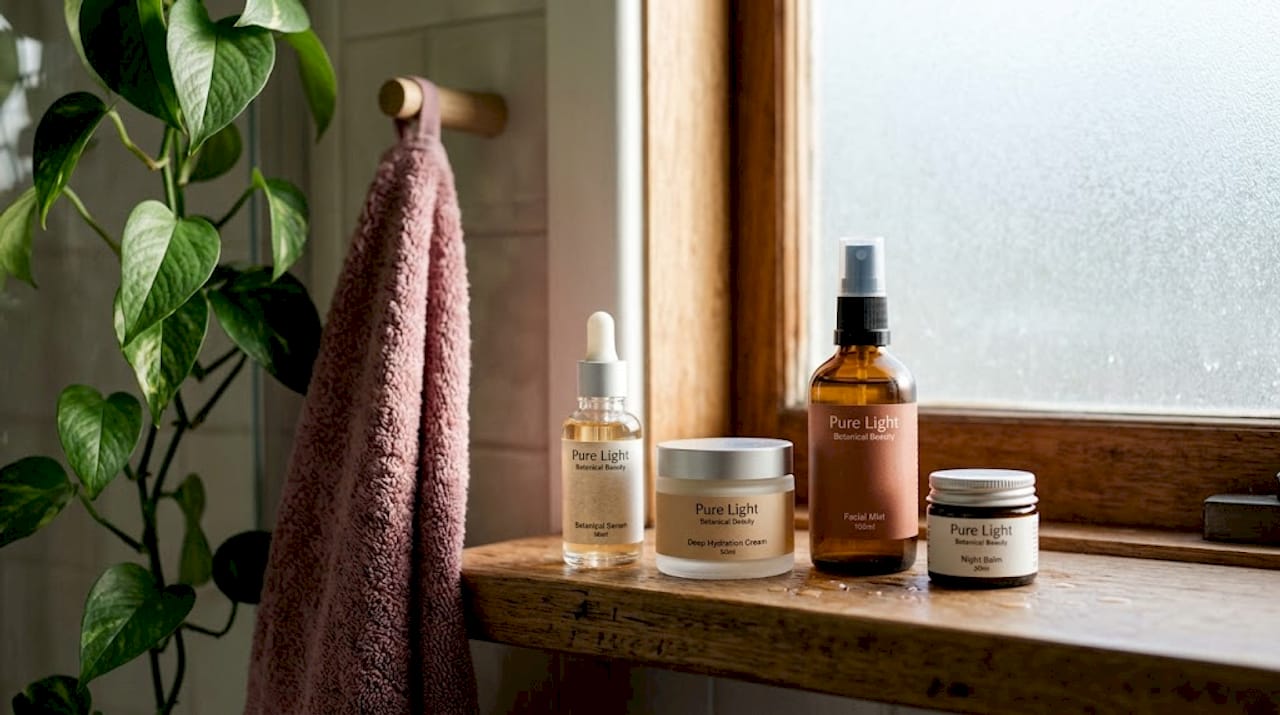
1. Bakuchiol Often called nature’s retinol, bakuchiol is derived from the seeds of the Pueraria lobata plant. Unlike retinol, it doesn’t cause peeling, redness, or photosensitivity. It stimulates collagen production and smooths texture without disrupting a fragile barrier. Bakuchiol offers a gentler anti-aging alternative while centella and calendula improve hydration and barrier recovery.
2. Centella asiatica This ancient herb has been used in traditional medicine for centuries, and modern science backs it up. It’s rich in triterpenoids, compounds that stimulate collagen synthesis and support barrier repair. For eczema-prone skin, centella helps reduce the inflammatory response that leads to redness and itching.
3. Calendula Calendula extract is one of the most studied botanicals for skin soothing. It contains flavonoids and polysaccharides that calm irritation, reduce redness, and support wound healing. It’s particularly effective for skin that’s raw, reactive, or recovering from a flare.
4. Green tea extract Rich in EGCG (epigallocatechin gallate), green tea is a powerful antioxidant that also has anti-inflammatory properties. Bio-actives like green tea, aloe vera, and squalane provide antioxidant, soothing, and hydrating effects that benefit even the most reactive skin types.
5. Aloe vera Beyond its reputation as a sunburn remedy, aloe vera contains polysaccharides that form a protective film on the skin, locking in moisture and reducing transepidermal water loss (TEWL). TEWL is the process by which water escapes through the skin, a major problem for eczema-prone skin.
6. Squalane Derived from sugarcane or olives, squalane is a lightweight oil that mimics your skin’s natural sebum. It absorbs quickly, doesn’t clog pores, and provides deep hydration without any greasy residue. It’s one of the most universally tolerated plant-powered ingredients available.
Here’s how these actives compare for specific sensitive-skin concerns:
| Active | Key benefit | Best for |
|---|---|---|
| Bakuchiol | Collagen support, anti-aging | Sensitivity with aging concerns |
| Centella asiatica | Barrier repair, anti-inflammatory | Eczema, redness, recovery |
| Calendula | Soothing, wound healing | Reactive, raw, or irritated skin |
| Green tea | Antioxidant, anti-inflammatory | Redness, environmental stress |
| Aloe vera | Hydration, TEWL reduction | Dry, flaky, moisture-depleted skin |
| Squalane | Deep moisture, sebum-mimicking | All sensitive skin types |
You can also learn how to nourish sensitive skin naturally by building a routine around these actives thoughtfully and gradually.
Pro Tip: When shopping for plant-powered products, look for standardized actives listed by percentage on the label. A product that says “centella asiatica extract” is vague. One that says “centella asiatica (10%, standardized to 40% asiaticoside)” tells you exactly what you’re getting and in what strength.
For your lips specifically, plant-based lip balms for sensitivity formulated with squalane, aloe, and calendula offer a gentle, nourishing option that won’t trigger perioral dermatitis or dryness.
Evidence: How plant-powered beauty benefits sensitive and eczema-prone skin
Having explored the key ingredients, let’s see what the research and real-world outcomes say.
The science here is not theoretical. Clinical studies and published research consistently show that the right plant actives produce measurable improvements in skin health, particularly for those with eczema or chronic sensitivity.
One of the most important findings from clinical plant actives research is that plant extracts reduce inflammation, aid barrier function, lower itch intensity, and improve SCORAD scores, which is the clinical scale used to measure eczema severity. These are objective, measurable outcomes, not just self-reported feelings of comfort.
Here’s what the evidence shows across key markers:
- Reduced transepidermal water loss (TEWL): Plant actives like aloe vera and squalane significantly reduce water loss through the skin, which is one of the primary drivers of eczema flares and chronic dryness.
- Improved filaggrin expression: Filaggrin is a protein that holds skin cells together and maintains the barrier. Many people with eczema have a genetic mutation that reduces filaggrin production. Certain botanical actives, particularly centella asiatica, support the conditions needed for better barrier protein function.
- Lower inflammatory markers: Green tea and calendula have both been shown to reduce cytokine activity, which is the inflammatory signaling that causes redness, swelling, and itching.
- Faster barrier recovery: Clinical trials confirm that calendula and plant mixes speed barrier recovery, helping skin return to a healthy state more quickly after a flare or exposure to an irritant.
- Microbiome support: Some plant actives have prebiotic properties that support a balanced skin microbiome, which is increasingly understood to play a major role in eczema management.
Understanding the botanical ingredient benefits goes beyond surface-level soothing. These ingredients interact with your skin’s biology in ways that support long-term resilience, not just short-term comfort.
This is also why botanical ingredients matter for more than just skincare. When your skin is calm and healthy, it affects how you feel, how you show up, and how much energy you spend managing discomfort every day.
Pro Tip: If you’re introducing plant-powered actives into your routine for the first time, start with one new product at a time and patch test on your inner arm for 48 hours before applying to your face. This gives your skin time to respond without overwhelming it, and helps you identify exactly what works for your unique biology.
Safety, myths, and choosing truly gentle plant-powered formulas
The science is compelling, but how can you really trust that a plant-powered product will keep your skin calm and happy?
This is where the most important myth needs to be addressed directly: plant-based does not automatically mean safe for sensitive skin. This is one of the most common and costly misconceptions in the beauty world, and it leads many women with eczema or sensitivity to choose products that end up causing flares.
Essential oils are a perfect example. Lavender, tea tree, citrus, and peppermint oils are all derived from plants. They’re also among the most common contact allergens in cosmetics. Raw plant extracts can contain dozens of compounds, some beneficial, some irritating, and without standardization, you never know which ones you’re getting in what amounts.
Biotech standardizes plant extracts, and while some natural sources still irritate sensitive skin, plant-powered safety is validated in trials when formulas are properly developed and tested. This is the key distinction. A plant-powered formula that has gone through irritation testing, dermatologist review, and standardization is fundamentally different from a “natural” product that simply lists botanical ingredients.
Here’s what to look for and what to avoid:
Look for:
- Fragrance-free or fragrance-derived-from-safe-botanical-actives formulas
- Dermatologist-tested and hypoallergenic claims backed by actual testing data
- Standardized plant actives with listed percentages
- Short, transparent ingredient lists with recognizable components
- Ingredient transparency in beauty that includes sourcing and processing information
Be cautious of:
- Long lists of essential oils, especially citrus or spice-derived ones
- Vague “botanical blend” or “herbal complex” descriptions with no specifics
- Products that list fragrance as a separate ingredient
- Claims of “100% natural” without any safety testing information
“The safest plant-powered products are the ones where the brand can show you exactly what’s in them, why each ingredient is there, and how it was tested. Transparency is the real marker of a trustworthy formula.”
When comparing brands, clean beauty brands that prioritize both plant sourcing and rigorous safety testing offer the most reliable options for sensitive and eczema-prone skin. The goal is a formula that’s both botanically rooted and scientifically validated, because for your skin, you deserve both.
A new era: Performance, transparency, and real safety for sensitive skin
To bring this full circle, let’s look at where the world of plant-powered beauty is truly headed and what women with sensitive skin should watch for.
Here’s an opinion that might feel counterintuitive: the idea that “natural is always gentler” is not just outdated, it’s actively harmful for women with sensitive skin. It creates a false sense of security around products that haven’t been tested, standardized, or verified. And it causes real people to experience real flares because they trusted a label instead of a formula.
The future of plant-powered beauty isn’t about going back to nature in a raw, unprocessed way. It’s about using the best of both worlds: the healing intelligence of plants and the precision of modern science. Evidence-based hybrids and transparency elevate plant-powered beauty beyond trends and into the realm of genuine skin health support.
What this means for you, practically, is that the brands worth trusting are the ones that show their work. They publish their testing. They list standardized actives. They explain why each ingredient is in the formula. They don’t hide behind vague “botanical” language. Explore the transformative plant-based beauty benefits that become possible when science and nature are working together, not in opposition.
Your skin is unique. Your sensitivity is real. And you deserve products that treat both with the same level of care and rigor.
Explore plant-powered beauty with Pure Light Botanical Beauty
Ready to experience the benefits for yourself?
At Pure Light Botanical Beauty, every formula is built on the exact principles this article covers: standardized plant actives, evidence-backed ingredients, and full transparency about what’s in each product and why. Whether you’re managing eczema, navigating sensitivity, or simply looking for makeup that nourishes as it beautifies, the collection is designed to feel as good as it looks.
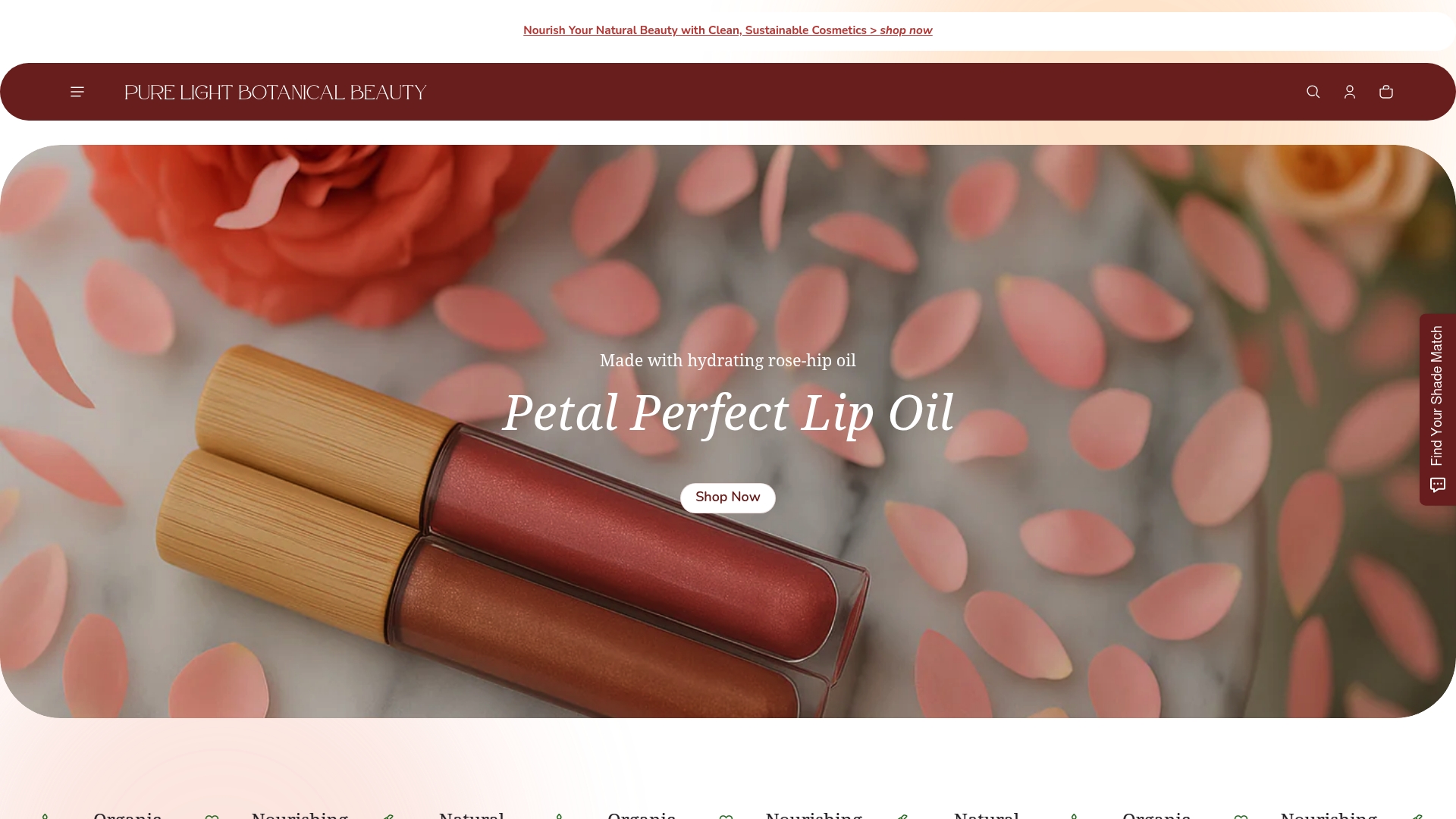
From the Petal Perfect Lip Oil to the Botanical Crème Blush, each product is thoughtfully crafted to support your skin barrier while enhancing your natural beauty. This is makeup as a ritual of care, not coverage. If you’re ready to build a routine that truly works with your skin, start your plant-powered journey here.
Frequently asked questions
Are all plant-based beauty products safe for sensitive skin?
Not all plant-based products are gentle; some, like certain essential oils, can still irritate sensitive skin. Choose formulas with proven, standardized plant actives and clear evidence of safety testing before applying them to reactive or eczema-prone skin.
What is the difference between natural, organic, and plant-powered beauty?
Plant-powered beauty focuses on science-driven, standardized actives refined for performance and safety, while “natural” and “organic” mostly describe how ingredients are sourced, not how effective or skin-compatible they actually are.
Which ingredients should I look for in plant-powered products for eczema or sensitive skin?
Gentle, evidence-backed actives like centella, calendula, and bakuchiol are proven to support barrier recovery, reduce redness, and soothe inflammation, making them excellent choices for sensitive and eczema-prone skin.
How do I know if a plant-powered beauty product is truly safe?
Look for third-party ingredient verification, published safety testing such as patch trials, and brands that clearly list standardized plant actives with specific concentrations so you know exactly what you’re applying to your skin.
Recommended
- Plant-Powered Beauty Tips: Nourish Sensitive Skin Naturally – Pure Light Botanical Beauty
- Plant-Based Beauty: Transformative Benefits for Sensitive Skin – Pure Light Botanical Beauty
- Plant-based beauty tips for sensitive skin and growth – Pure Light Botanical Beauty
- Plant-Powered Beauty Benefits: Healing From Nature – Pure Light Botanical Beauty