

TL;DR:
- Storytelling builds emotional trust and deeper connection than ingredient lists alone.
- Authentic stories with evidence prevent greenwashing and establish lasting customer loyalty.
- Integrating personal narratives into daily routines transforms beauty into acts of healing and self-empowerment.
Clean beauty has never been just about safe ingredients. For women with sensitive skin, the most powerful thing a brand can offer isn’t a flawless formula. It’s a story that makes you feel seen. When a founder shares her eczema journey, when a product is framed as a ritual instead of a transaction, something shifts. You stop shopping and start healing. This guide explores why storytelling builds deeper trust than ingredient lists alone, what authentic beauty narratives look like, how to spot greenwashing, and how you can weave empowering stories into your own daily rituals.
Table of Contents
- Why storytelling matters in sensitive skin beauty
- Core elements of authentic beauty storytelling
- Evidence vs. greenwashing: Building trust through transparency
- How to integrate storytelling into your beauty ritual
- A fresh perspective: Why story-powered beauty rituals matter more than ever
- Where your empowered beauty story begins
- Frequently asked questions
Key Takeaways
| Point | Details |
|---|---|
| Storytelling builds trust | Relatable brand stories create emotional connections that ingredient lists alone can’t achieve, especially for sensitive skin. |
| Transparency prevents greenwashing | Look for evidence like clinical seals, certifications, and clear ingredients to ensure stories are authentic and meaningful. |
| Beauty rituals empower women | Story-driven routines nurture confidence, belonging, and holistic healing for women with sensitive skin. |
| You shape your journey | Your own story can enrich beauty rituals and connect you with supportive communities and authentic brands. |
Why storytelling matters in sensitive skin beauty
For women who have spent years navigating reactions, flare-ups, and disappointing product swaps, trust is everything. A clean ingredient list matters, yes. But it’s rarely enough to move someone from curiosity to confidence. That’s where storytelling comes in.
Stories reach a place that ingredient labels can’t. When a brand shares the real reason it was created, the fear behind a formula decision, or the moment a founder realized conventional beauty was failing her skin, it creates emotional resonance. You stop reading a product description and start recognizing your own experience in someone else’s words. That recognition is powerful. It tells you: this brand gets it.
Research confirms what many of us feel instinctively. Storytelling builds strong emotional connection and trust, especially for clean skincare brands serving sensitive skin. Tower 28, for example, grew its loyal following by centering its founder’s lifelong struggle with sensitive skin and her non-toxic commitment. The story wasn’t a marketing add-on. It was the foundation.
When stories frame products as nourishing allies rather than cosmetic fixes, something deeper happens. Beauty rituals for sensitive skin become acts of care, not just routine. Each step feels intentional. Meaningful. That meaning is what turns a one-time buyer into a lifelong advocate.
Storytelling also addresses fear directly. Women with sensitive skin often approach new products with anxiety. A story that acknowledges that fear, walks through the journey of finding a solution, and closes with a real transformation, eases that anxiety in a way no bullet-pointed ingredient list can. It says: we understand the risk you feel, and here’s why we’re different.
The emotional benefits of authentic storytelling are real and lasting:
- Feeling seen: Stories that reflect your own struggles validate your experience and reduce isolation.
- Building confidence: Watching someone else transform through intentional beauty choices encourages your own self-trust.
- Growing loyalty: When a brand’s journey aligns with yours, you invest in it beyond the product.
- Inspiring ritual: Intentional beauty rituals shift the act of getting ready into a grounding, healing practice.
“Storytelling transforms beauty rituals into empowering acts of self-expression for women with sensitive skin.”
For those of us healing sensitive skin holistically, the brands whose stories accompany that healing become part of the journey itself. Building on the value of stories, let’s explore what real beauty storytelling looks like behind the scenes.
Core elements of authentic beauty storytelling
Not every brand that calls itself clean tells a story worth believing. Beauty storytelling includes founder stories, narrative arcs of problem to resolution, ritual integration, and sensory scenes that ground the reader in an experience, not just a product.
The most resonant stories follow a recognizable arc: hook, context, conflict (usually a skin struggle), a turning point, resolution, and what comes after. Each part serves a purpose. The hook earns attention. The conflict creates relatability. The resolution offers hope. The epilogue, what life looks and feels like now, gives readers something to aspire toward.

User-generated content (UGC) and real testimonials are equally essential. When customers share their own experiences, they become co-authors of the brand story. That community dimension adds authenticity that no founder narrative alone can provide. It tells new customers: real people, like you, have walked this path.
| Story element | Example in clean beauty |
|---|---|
| Founder’s journey | Creator shares her eczema diagnosis and search for safe makeup |
| Ritual integration | Product described as a morning self-care step, not just a cosmetic |
| Certification transparency | NEA seal featured alongside the story of why it was pursued |
| UGC and testimonials | Real customers share before-and-after skin transformation photos |
| Sensory description | “The balm melts into skin like a warm breath of botanicals” |
To craft a story that actually lands, the process looks something like this:
- Decide your focus: Is this a founder story, a community story, or a product ritual story?
- Illustrate the struggle: Be specific. Vague pain points don’t connect. Real skin stories do.
- Highlight the solution: Show, don’t just claim. What changed and why?
- Add emotional detail: How did the transformation feel, not just look?
- Close with transformation: Leave the reader with a clear, believable outcome.
Exploring founder narratives in clean beauty reveals how personal origin stories can become the heart of an entire brand identity. And authenticity in cosmetics isn’t a trend. It’s a standard that today’s sensitive-skin shoppers hold brands to. Narrative techniques for beauty brands borrowed from fiction writing, like scene-setting and character development, can also elevate how a brand shares its purpose.
Pro Tip: Serial storytelling across emails, social posts, and even packaging creates long-term engagement. When readers know the next chapter is coming, they stay connected. That ongoing dialogue is what separates memorable clean beauty brands from forgettable ones.
Understanding these elements, it’s critical to distinguish a real, empowering story from thin marketing.
Evidence vs. greenwashing: Building trust through transparency
Not every beautiful story is an honest one. In the clean beauty space, greenwashing, which means using vague, feel-good language without real evidence, is one of the biggest threats to trust. Especially for women with sensitive skin, the stakes are too high to accept a compelling narrative without substance behind it.
Clean beauty storytelling is vulnerable to greenwashing if not backed by clear evidence and third-party certifications. The difference between an authentic story and a marketing shell often comes down to one thing: proof.
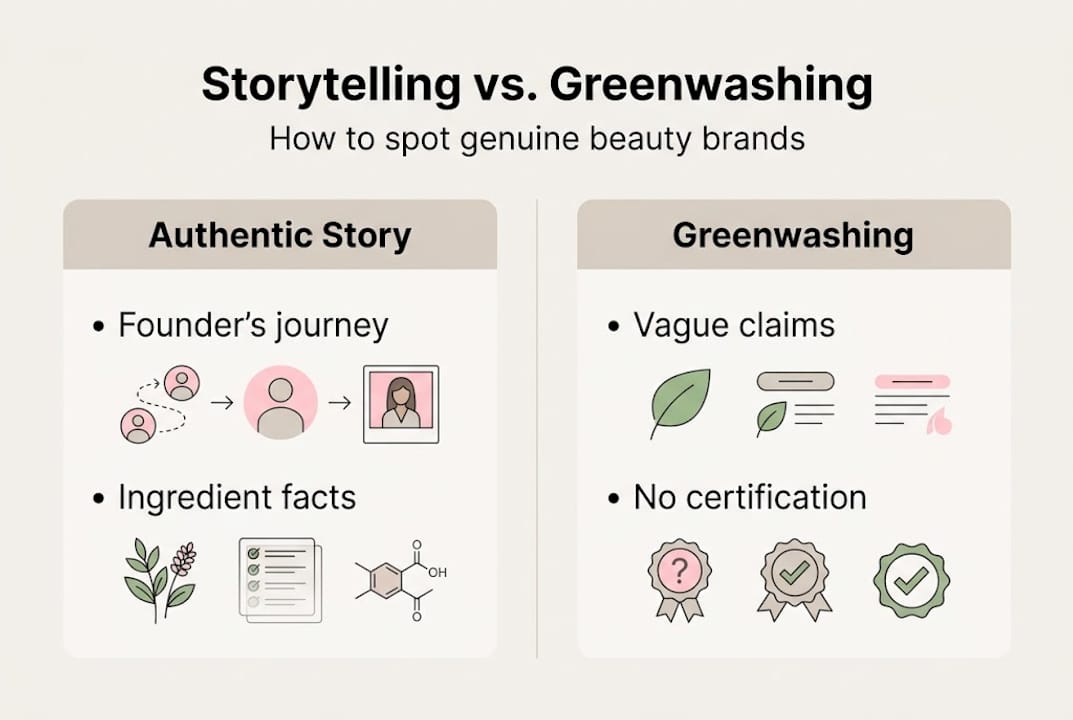
| Authentic story elements | Greenwashing red flags |
|---|---|
| Personal founder journey with specific details | Generic “we care about your skin” language |
| Clinical data or dermatologist testing | Vague claims like “clinically inspired” |
| Third-party certifications (NEA, NATRUE) | Self-applied labels with no verification |
| Full, visible ingredient lists | Ingredient lists buried or incomplete |
| Real customer transformations with context | Stock-photo testimonials with no specifics |
Certifications matter deeply in this market. Clinical seals like the National Eczema Association foster trust because they represent an independent standard that a brand had to earn. When a product carries the NEA seal, it means something. When a brand claims to be “eczema-safe” without evidence, it means nothing and may actually cause harm.
Watch for these red flags:
- Buzzwords like “pure,” “natural,” or “green” with no explanation of what those words mean in practice
- Packaging that looks clean and minimal but hides incomplete or hard-to-read ingredient lists
- No mention of how or why specific ingredients were chosen for sensitive skin
- Emotional stories with zero clinical or certification backing
Ingredient transparency in clean beauty is not optional for sensitive-skin shoppers. It’s the baseline. And transparency for sensitive skin goes beyond listing what’s in a formula. It means explaining why each ingredient is there, and what it does for your skin.
Consider the contrast between a NATRUE-certified beauty story like Peruda’s, which began with a cancer diagnosis and a desperate need for truly safe products, versus a generic “clean beauty” ad that uses aspirational imagery but offers no real evidence. One earns trust. The other borrows it.
Exploring clean beauty certifications is one of the smartest things you can do as a conscious consumer. When emotion and proof walk together, that’s when lasting trust is built. With those strategies to avoid surface-level stories established, let’s get practical about weaving empowering storytelling into your daily rituals.
How to integrate storytelling into your beauty ritual
Knowing what makes a great brand story is one thing. Letting it live inside your daily routine is something else entirely. Beauty rituals become truly nourishing when they’re connected to meaning, and storytelling is what supplies that meaning.
Start by choosing brands whose stories genuinely reflect your experience. Not just brands that market to you, but brands whose founders, values, and journeys feel honest and aligned with your own. When the story resonates, applying a lip oil or smoothing on a botanical blush becomes an act of affirmation. You’re not just moisturizing. You’re choosing care.
Brands succeed by serializing stories and inviting customers to share stories, making users active co-authors of the beauty narrative. You can step into that role too.
Here are practical ways to personalize your beauty storytelling:
- Choose brands with relatable stories: Read the “about” page. Look for founders who share real struggles, not just polished missions.
- Start a skin journal: Document your skin’s journey, what works, what doesn’t, and how your rituals evolve over time.
- Participate in UGC campaigns: When brands invite you to share, do it. Your transformation could be the story that helps someone else trust clean beauty.
- Engage with brand communities: Comment, ask questions, and connect with others on the same path. Community deepens ritual.
- Pair product use with intention: Before you apply, take one breath. Notice the texture, the scent, the feeling. That mindfulness is what turns a routine into a ritual.
Reading about beauty authenticity can inspire your own self-expression and remind you that your story matters too. If you want to understand how a founder’s real struggle with eczema shaped a product line built around healing, exploring a founder eczema journey can completely reframe the way you see what’s in your beauty bag. For beauty content inspiration, there are also rich resources that help you find your voice within this space.
Pro Tip: Look for brands that champion ongoing dialogue through serialized emails, community showcases, and open sharing. That consistent conversation creates a sense of belonging that makes your beauty ritual feel like part of something larger than yourself.
Now that you’ve seen how storytelling can transform both brands and personal rituals, let’s dive deeper into what truly distinguishes these connections.
A fresh perspective: Why story-powered beauty rituals matter more than ever
Most clean beauty conversations focus on what’s in the formula. And that matters. But the brands that are truly changing lives for women with sensitive skin are the ones combining rigorous science with honest, ongoing storytelling. That combination is rare. And it’s everything.
Ingredient lists don’t dismantle shame. Stories do. When a woman reads about another woman who spent years hiding her eczema under layers of conventional makeup, only to find a botanical formula that finally let her skin breathe, something breaks open. She sees herself. And in seeing herself, she begins to heal.
The uncomfortable truth that most experts miss is this: sensitive skin self-care becomes truly transformative when women see themselves and their journeys reflected in the beauty stories they consume.
Emotional ritual and scientific transparency together build lasting loyalty and personal empowerment in ways that neither alone can achieve. Brands that understand this aren’t just selling products. They’re building mirrors.
The future of clean beauty belongs to brands that share courageously, listen actively, and invite every woman to recognize authenticity in beauty brands as her own reflection. Your story is part of this movement, not just your shopping cart.
Where your empowered beauty story begins
If this resonates with you, you’re already part of a growing community of women who believe beauty should heal as much as it enhances.
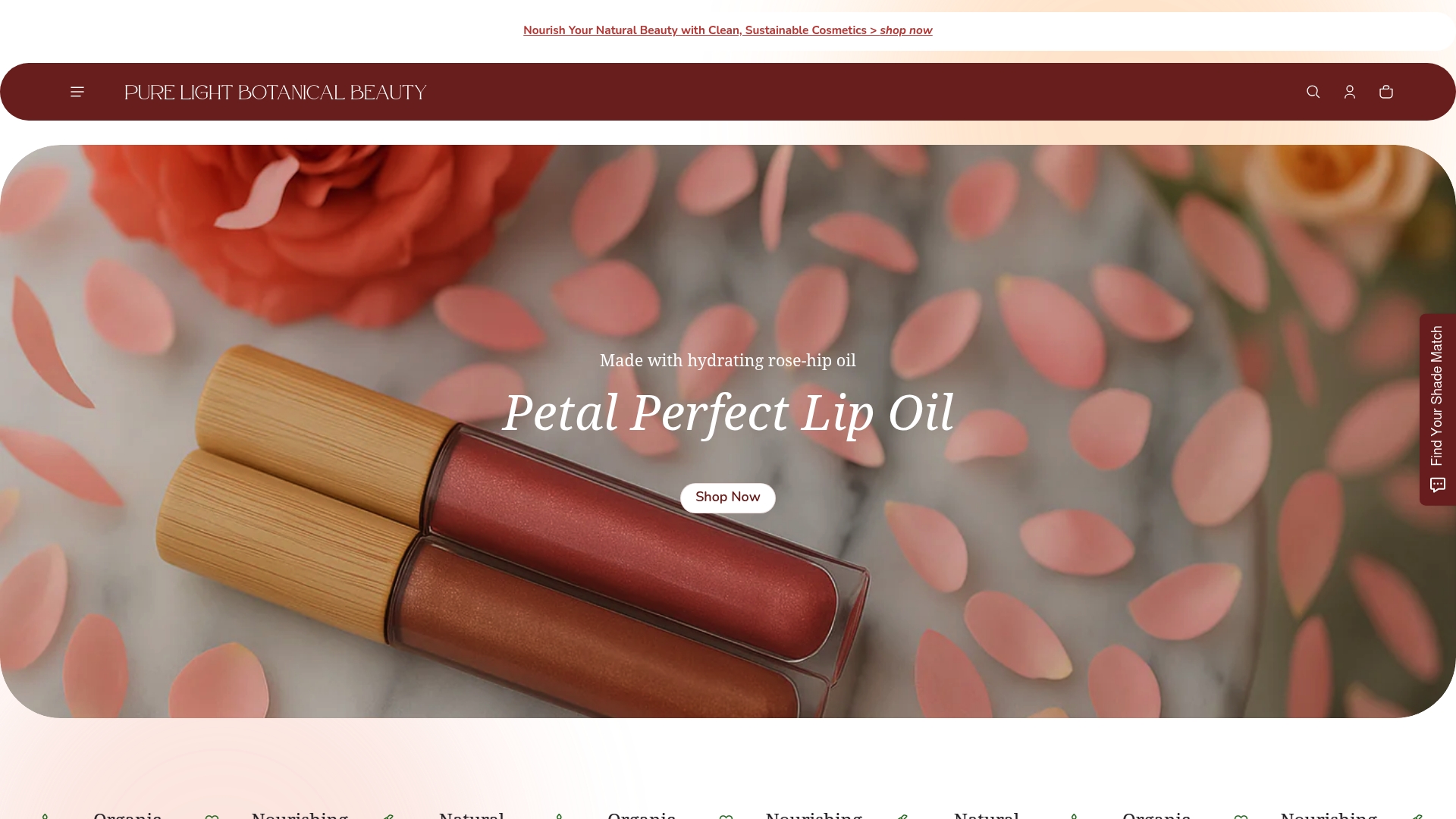
Pure Light Botanical Beauty was created from exactly this belief: that the same nature that heals your skin can empower your self-expression. Every product, from the Petal Perfect Lip Oil to the Botanical Crème Blush, is formulated with transparent, plant-based ingredients designed for sensitive skin and backed by a real founder story. The brand doesn’t just talk about clean beauty. It lives it, shares it, and invites you to co-create it. If you’re ready to experience the power of story-driven beauty, Pure Light is here to nurture and empower your next ritual.
Frequently asked questions
How does storytelling increase trust in clean beauty products?
Storytelling personalizes a brand and builds emotional connection by showing real commitment to safe, effective ingredients for sensitive skin. When a brand’s story mirrors your own experience, trust builds naturally rather than being demanded.
What are signs that a beauty brand’s storytelling is just greenwashing?
Greenwashing often uses vague claims like “pure” or “natural” without explanation, skips clinical seals or certifications, and avoids transparent ingredient lists. Clean beauty vulnerabilities are highest when storytelling lacks any verifiable evidence.
Can sharing my own beauty story empower my sensitive skin journey?
Absolutely. Documenting your journey builds self-awareness, and sharing it connects you to communities and brands that truly understand your skin. Beauty storytelling transforms rituals into acts of self-expression that go beyond any single product.
Why are rituals important in beauty storytelling for sensitive skin?
Rituals give daily routines a deeper sense of meaning and intention, which enhances confidence and emotional wellbeing. When aligned with an authentic brand story, those rituals become an act of self-expression and healing that no ordinary product routine can replicate.
Recommended
- How community transforms beauty rituals for sensitive skin – Pure Light Botanical Beauty
- Why Beauty Is Self-Love: Holistic Healing for Sensitive Skin – Pure Light Botanical Beauty
- Beauty as Healing: Transforming Skin and Soul – Pure Light Botanical Beauty
- What is beauty empowerment? Guide to confidence & wellness – Pure Light Botanical Beauty