

TL;DR:
- Caring for sensitive skin involves intentional routines that soothe inflammation and support the skin barrier.
- Effective plant-based ingredients include aloe vera, calendula, chamomile, coconut oil, and sunflower seed oil.
- Integrating mindfulness practices like deep breathing and journaling enhances healing and emotional resilience.
Living with sensitive skin or eczema means every product choice carries real weight. A single wrong ingredient can undo days of healing, leaving skin raw, reactive, and your confidence shaken. But here is what most routines miss: caring for sensitive skin is not just a physical practice. It is an act of personal growth. When you slow down, choose ingredients with intention, and treat your routine as a ritual, beauty becomes something far more powerful than appearance. This article covers research-backed criteria, the most effective plant-based ingredients, practical routines, and mindful self-care strategies to help you heal your skin and grow into yourself at the same time.
Table of Contents
- Criteria for selecting gentle, growth-driven beauty routines
- Top plant-based ingredients for healing sensitive skin
- Gentle skincare routines for sensitive and eczema-prone skin
- Integrating mindful self-care into your beauty regimen
- Comparison and situational recommendations: Finding your best fit
- What most beauty advice for sensitive skin gets wrong
- Explore gentle, plant-powered beauty solutions
- Frequently asked questions
Key Takeaways
| Point | Details |
|---|---|
| Choose gentle routines | Opt for fragrance-free, plant-based products and always patch test new additions for sensitive skin. |
| Use evidence-backed botanicals | Ingredients like aloe vera, calendula, and coconut oil are proven to support eczema and sensitive skin healing. |
| Layer for hydration | Applying products to damp skin, layering serum, moisturizer, and occlusive, provides optimal moisture and protection. |
| Practice mindful self-care | Mindfulness and journaling can reduce flare-ups and promote personal growth during your beauty regimen. |
| Adapt for flare-ups | Simplify routines and avoid triggers, including stress and diet, to protect sensitive or eczema-prone skin. |
Criteria for selecting gentle, growth-driven beauty routines
Choosing a beauty routine when you have sensitive skin or eczema is not about following trends. It is about building a system that works with your skin, not against it. A good routine should meet three standards: it should calm inflammation, protect the skin barrier, and feel emotionally restorative.
Here is a simple criteria framework to guide your choices:
- Fragrance-free and essential oil-free formulas. Fragrances are one of the most common contact allergens. Even natural fragrances can trigger reactions on eczema-prone skin. Always check labels.
- Patch testing for 48 hours. Before adding any new product, apply a small amount to your inner arm and wait two full days. This one habit prevents most reactive surprises.
- Layering in the right order. A natural skincare routine follows a clear sequence: hydrating serum first, then moisturizer, then an occlusive layer to seal everything in. This method, supported by eczema skincare guidance, maximizes absorption and protection.
- Gentle cleansing. Use lukewarm water only. Hot water strips the skin’s natural oils and worsens dryness and irritation.
- Simplicity over complexity. Fewer products mean fewer potential triggers. Start with three to five steps and build slowly.
Beyond the physical, holistic beauty routines treat self-care as emotional nourishment. When you apply a calming serum with slow, intentional movements, you are practicing presence. That mindset shift turns a routine into a ritual and a ritual into personal growth.
Pro Tip: Apply all products to slightly damp skin, right after cleansing. Damp skin absorbs active ingredients more efficiently, and you will need less product overall.
Think of your routine as a living practice. It should evolve as your skin does, becoming more intuitive over time.
Top plant-based ingredients for healing sensitive skin
Not every plant-based ingredient is created equal. Some are genuinely transformative for eczema-prone skin. Others, like olive oil, can actually damage the skin barrier despite their natural origins. Knowing which ingredients to reach for makes all the difference.
Aloe vera is one of the most well-studied options. Its anti-inflammatory properties reduce redness and itching, while its hydrating compounds help restore moisture without clogging pores. It absorbs quickly and feels cooling, which makes it ideal during flares.
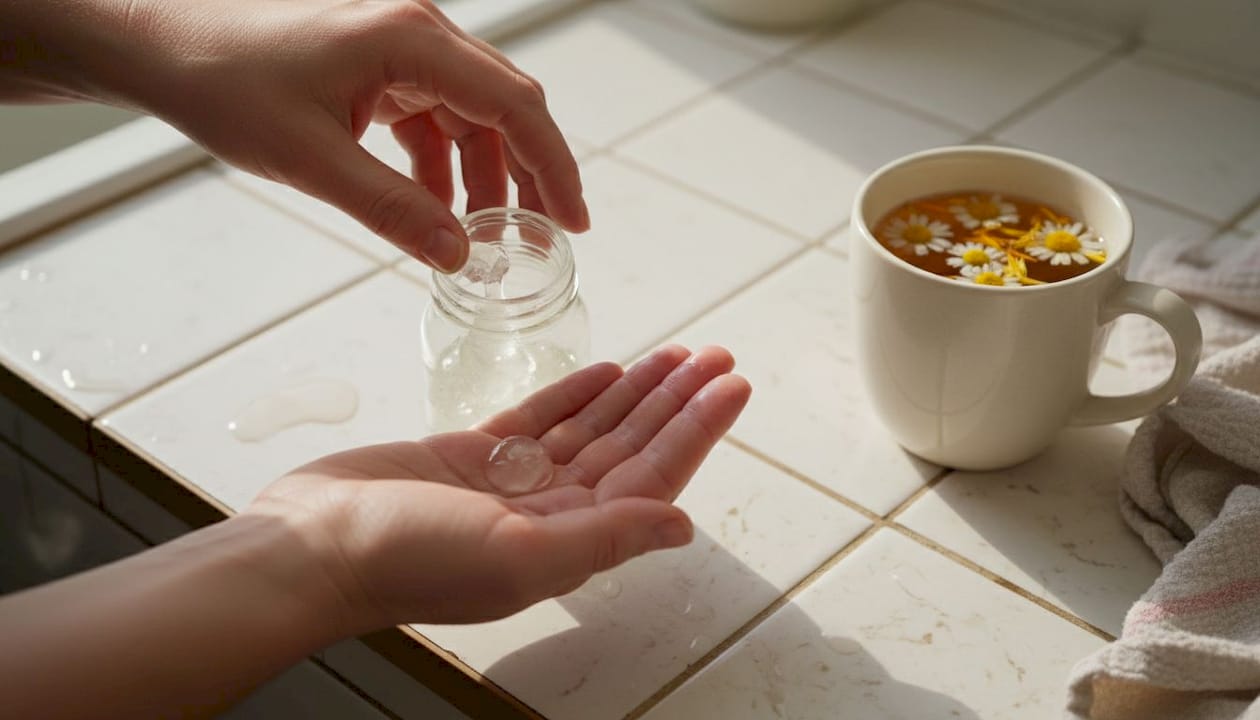
Calendula and chamomile are gentle powerhouses. Their anti-inflammatory benefits have been compared to low-dose hydrocortisone in some studies, making them credible alternatives for reducing dermatitis symptoms without the side effects of steroids.
Coconut oil and sunflower seed oil are barrier-repair champions. Both oils repair the skin barrier, provide antimicrobial protection, and reduce inflammation. Sunflower seed oil, in particular, outperforms olive oil for eczema because it preserves the skin’s natural ceramide structure.
Not all natural oils are safe for eczema. Olive oil contains oleic acid, which can disrupt the skin barrier and worsen dryness over time. Always choose oils with high linoleic acid content, like sunflower seed oil, for sensitive skin.
Here is a quick reference for your ingredient choices:
- Aloe vera: Soothes, hydrates, reduces redness
- Calendula: Calms inflammation, speeds healing
- Chamomile: Reduces dermatitis symptoms, gentle on reactive skin
- Coconut oil: Antimicrobial, barrier-repairing
- Sunflower seed oil: High linoleic acid, superior barrier support
Pro Tip: When reading product labels, look for these ingredients in the first five listed. Ingredients are ordered by concentration, so placement matters.
Pairing a natural skincare routine with a step-by-step glow routine helps you apply these ingredients in the most effective sequence for lasting results.
Gentle skincare routines for sensitive and eczema-prone skin
Knowing your ingredients is half the work. Applying them in the right order, at the right time, is what makes a routine truly effective. Here is a practical sequence you can follow daily and adapt during flares.
- Cleanse gently. Use lukewarm water and a fragrance-free, plant-based cleanser. Avoid scrubbing. Pat skin dry with a soft cloth, leaving it slightly damp.
- Apply your serum. While skin is still damp, press a hydrating serum into the face and neck. Aloe vera or chamomile-based serums work well here.
- Layer your moisturizer. Follow immediately with a rich, fragrance-free moisturizer containing barrier-supporting oils like sunflower seed or coconut oil.
- Seal with an occlusive. A thin layer of a plant-based occlusive, like a shea butter balm, locks in all the moisture and active ingredients beneath it.
- Patch test every new product. Before adding anything new to this sequence, test it on your inner arm for 48 hours first.
During a flare, strip your routine back to basics: gentle cleanse, one moisturizer, one occlusive. Less is genuinely more when your skin is in crisis mode.
Stress and diet are two of the most overlooked triggers. A simplified glow routine during high-stress periods can prevent reactive spirals. Avoid exfoliants, hot water, and any product with added fragrance during vulnerable times.
Pro Tip: Keep a small travel-size version of your core three products with you. Consistency matters more than perfection, and having your basics on hand prevents you from reaching for something unfamiliar.
Your routine should feel like a holistic beauty practice, not a chore. When it does, you will actually stick with it.
Integrating mindful self-care into your beauty regimen
Your skin responds to your emotional state more than most people realize. Stress raises cortisol levels, which increases inflammation throughout the body, including the skin. This is why mindfulness is not a soft add-on to your routine. It is a core part of healing.
Mindful self-care practices like deep breathing during your skincare routine, journaling your triggers, and actively reducing daily stress can reduce eczema flare-ups by up to 40% through lowering cortisol and inflammation. That is a significant outcome from practices that cost nothing.
Here are practical ways to weave mindfulness into your beauty routine:
- Breathe intentionally. Take three slow, deep breaths before you begin your routine. This signals your nervous system to shift into a calmer state.
- Journal your skin and emotional patterns. Track what you ate, how stressed you felt, and how your skin responded. Over time, patterns become clear and actionable.
- Apply emollients as a ritual. Slow, deliberate application is not just soothing emotionally. Daily emollient use reduces eczema incidence by 16 to 25%, making consistency one of the most protective habits you can build.
- Reduce screen time before bed. Evening cortisol spikes from stress or stimulation disrupt skin repair, which happens mostly overnight.
| Mindful practice | Estimated flare-up reduction |
|---|---|
| Deep breathing during routine | Up to 20% |
| Journaling triggers weekly | Up to 15% |
| Daily emollient application | 16 to 25% |
| Consistent sleep schedule | Up to 10% |
Pro Tip: Pair your beauty habits with a consistent bedtime. Sleep is when your skin regenerates most actively, and a calming pre-sleep routine reinforces both skin healing and emotional balance.
Think of self-care in beauty as a mindful beauty practice that compounds over time. Small, consistent choices create lasting change.
Comparison and situational recommendations: Finding your best fit
Every woman’s skin and emotional landscape is different. What works beautifully for one person may not suit another. Here is a side-by-side comparison to help you choose the right approach for where you are right now.
| Scenario | Recommended approach | Key ingredients | Mindful add-on |
|---|---|---|---|
| Active flare-up | Minimal routine, 3 steps max | Aloe vera, sunflower seed oil | Deep breathing, no journaling pressure |
| Maintenance phase | Full layered routine | Calendula, chamomile, coconut oil | Trigger journaling, consistent sleep |
| Emotional stress period | Simplified, sensory-focused routine | Chamomile, shea butter | Breathing ritual, gentle movement |
| Preventive care | Full routine plus emollients | All barrier-supporting oils | Daily journaling, mindful application |
As a general guide, remember these situational tips:
- During flares, simplify immediately and avoid introducing anything new to your skin.
- For emotional support, lean into sensory ingredients like chamomile that calm both skin and mind.
- For preventive care, consistency with emollients and intentional beauty choices is your most powerful tool.
- Always remember: not all plant-based products are safe for eczema. Patch test everything, avoid fragrances, and treat stress and diet as skin triggers, not separate issues.
Your routine is not a fixed formula. It is a responsive, evolving practice that grows with you.
What most beauty advice for sensitive skin gets wrong
Here is something worth saying plainly: most beauty advice for sensitive skin is built on the assumption that more is better. More products, more steps, more actives. But for sensitive and eczema-prone skin, that logic causes harm.
The real issue is that conventional advice treats skin as a problem to solve rather than a system to support. It ignores the emotional dimension entirely. Stress, sleep, and self-worth are not separate from your skin. They are part of the same conversation.
Another overlooked truth: healing is not linear. Your skin will have good weeks and hard ones. A routine that cannot flex with you will eventually fail you. Rigidity is not discipline. Adaptability is.
The women who see the most lasting change are the ones who treat their beauty habits and skin wellbeing as one unified practice. They simplify when life gets hard. They add slowly when things are stable. They listen to their skin the same way they listen to themselves.
Personal growth and skin healing are long-term journeys. Give both the patience they deserve.
Explore gentle, plant-powered beauty solutions
If this article has sparked something in you, you are already on the right path. Choosing gentle, plant-based products is not just a skincare decision. It is a statement about how you want to treat yourself.
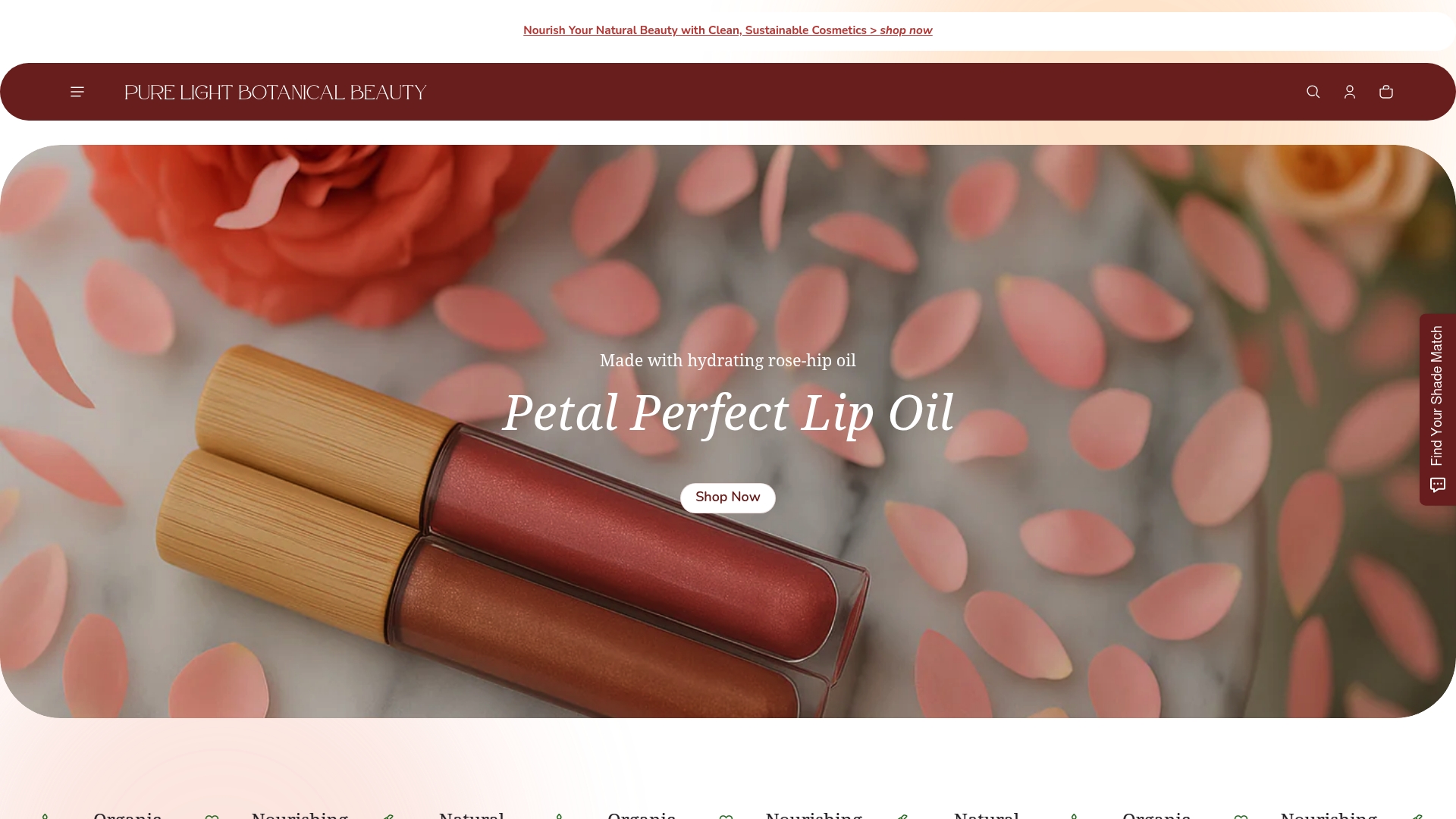
At Pure Light Botanical Beauty, every product is crafted with sensitive skin in mind, blending clean botanicals with real performance. From the Petal Perfect Lip Oil to the Botanical Crème Blush and Nourishing Lipstick, each formula is designed to nourish as it enhances. Whether you are managing eczema, rebuilding your skin barrier, or simply ready to make beauty feel like self-care, there is a gentle, plant-powered solution waiting for you. Explore the full collection and find your ritual.
Frequently asked questions
What are the safest natural ingredients for eczema-prone skin?
Aloe vera, calendula, chamomile, coconut oil, and sunflower seed oil are all research-backed for soothing and repairing eczema-prone skin. These ingredients reduce inflammation, restore the skin barrier, and are well-tolerated by most sensitive skin types.
How should I layer skincare products for sensitive skin?
Apply a hydrating serum first, follow with a moisturizer, and finish with an occlusive on damp skin for the best absorption and barrier protection. This layering order locks in hydration and keeps irritants out.
Why is mindfulness important in skincare for sensitive skin?
Mindful practices like deep breathing and journaling can reduce flare-ups by up to 40% by lowering cortisol and systemic inflammation. Stress is a direct skin trigger, making emotional care just as important as topical care.
How can I avoid skincare triggers if I have eczema?
Patch test all new products for 48 hours, avoid fragrances and essential oils, and simplify your routine during flares. Stress and diet are among the most common eczema triggers and should be monitored alongside topical products.
Recommended
- Plant-Powered Beauty Tips: Nourish Sensitive Skin Naturally – Pure Light Botanical Beauty
- Plant-Based Beauty: Transformative Benefits for Sensitive Skin – Pure Light Botanical Beauty
- Beauty wellness: natural skincare guide for 2026 – Pure Light Botanical Beauty
- Skin-Soothing Beauty Tips for Sensitive Skin – Pure Light Botanical Beauty