

TL;DR:
- Regulatory agencies are transforming clean beauty into a legally accountable sector by enforcing safety, ingredient transparency, and sustainability claims. Brands must now substantiate every claim with scientific evidence, trace ingredients, and adopt sustainable practices like upcycled ingredients and waterless formulations. Consumers should prioritize third-party certifications, documented supply chains, and verified compliance to make informed choices in this evolving landscape.
Clean beauty is no longer just a feel-good phrase printed on a minimalist label. If you’ve been following what is the future of clean beauty in 2025, you already sense something has shifted. Regulatory agencies are stepping in. Ingredient lists are being scrutinized at a scientific level. And sustainability claims that once went unchallenged are now subject to documented proof. What began as a consumer-driven movement is becoming a legally accountable category, and that changes everything: how products are made, how brands communicate, and how you choose what goes on your skin.
Table of Contents
- Key takeaways
- How regulations are redefining clean beauty in 2025
- PFAS and the ingredient transparency challenge
- Sustainability and next-gen clean beauty innovation
- What this means for you as a consumer
- My honest perspective on where clean beauty is actually headed
- Experience clean beauty principles with Purelightbotanicalbeauty
- FAQ
Key takeaways
| Point | Details |
|---|---|
| MoCRA reshapes compliance | FDA’s expanded authority means brands must register facilities, list products, and substantiate every “clean” claim with evidence. |
| PFAS transparency is urgent | Several U.S. states banned PFAS in cosmetics starting in 2025, pushing brands toward reformulation and active ingredient monitoring. |
| Sustainability needs documentation | EU Deforestation Regulation requires traceable, plot-level sourcing data. Vague eco-claims no longer hold legal or market weight. |
| Upcycled ingredients are rising | Bio-based and upcycled actives deliver both clinical skin benefits and measurable environmental advantages. |
| Certifications beat claims | Credible third-party certifications give consumers a reliable signal in a market where “clean” still lacks a single legal definition. |
How regulations are redefining clean beauty in 2025
For years, any brand could print “clean” on its packaging without explaining what that meant. That era is ending. The Modernization of Cosmetics Regulation Act, known as MoCRA, expands FDA authority in ways the U.S. beauty industry had not seen in decades, requiring facility registration, mandatory product listing, and enabling the FDA to issue mandatory recalls starting in 2025. This is not incremental change. It is a structural shift.
What makes MoCRA particularly significant for clean beauty is its impact on how brands use language. Claim mapping strategies are now a legal necessity, not just a marketing exercise. Brands must tie every claim (“gentle,” “natural,” “non-toxic”) to substantiated, product-specific evidence. A general brand philosophy no longer protects you in a regulatory dispute.
Across the Atlantic, the EU Deforestation Regulation adds another layer of accountability specifically for sustainability. Operators face fines of up to 4% of annual turnover for non-compliance, and they must collect plot-level geolocation data and risk mitigation documentation for any commodity tied to deforestation in their cosmetic supply chains. The regulation applies fully from December 2026, but responsible brands are building compliant systems right now.
Here is what this means in practice for clean beauty:
- Facility registration creates a public accountability trail for every product on U.S. shelves
- Adverse event reporting dashboards allow the FDA to identify safety signals faster than ever before
- Mandatory recall authority gives regulators real power to pull unsafe products without lengthy legal battles
- EU due diligence requirements force upstream supplier conversations that brands previously avoided
Pro Tip: If you are evaluating a brand’s clean credentials, search the FDA’s cosmetics registration dashboard. Registered brands with active product listings signal that they are keeping pace with MoCRA compliance.
Clean beauty certification is becoming a meaningful differentiator precisely because regulation has raised the baseline. Brands that earn third-party verification now stand apart in a market where compliance alone is the new minimum.
PFAS and the ingredient transparency challenge
PFAS, the class of synthetic compounds sometimes called “forever chemicals,” became one of the most consequential clean beauty innovation stories heading into 2025. The FDA’s own assessment found 51 intentionally added PFAS ingredients present in approximately 0.41% of registered cosmetic products. The number sounds small until you consider how many products that represents across an entire national market.
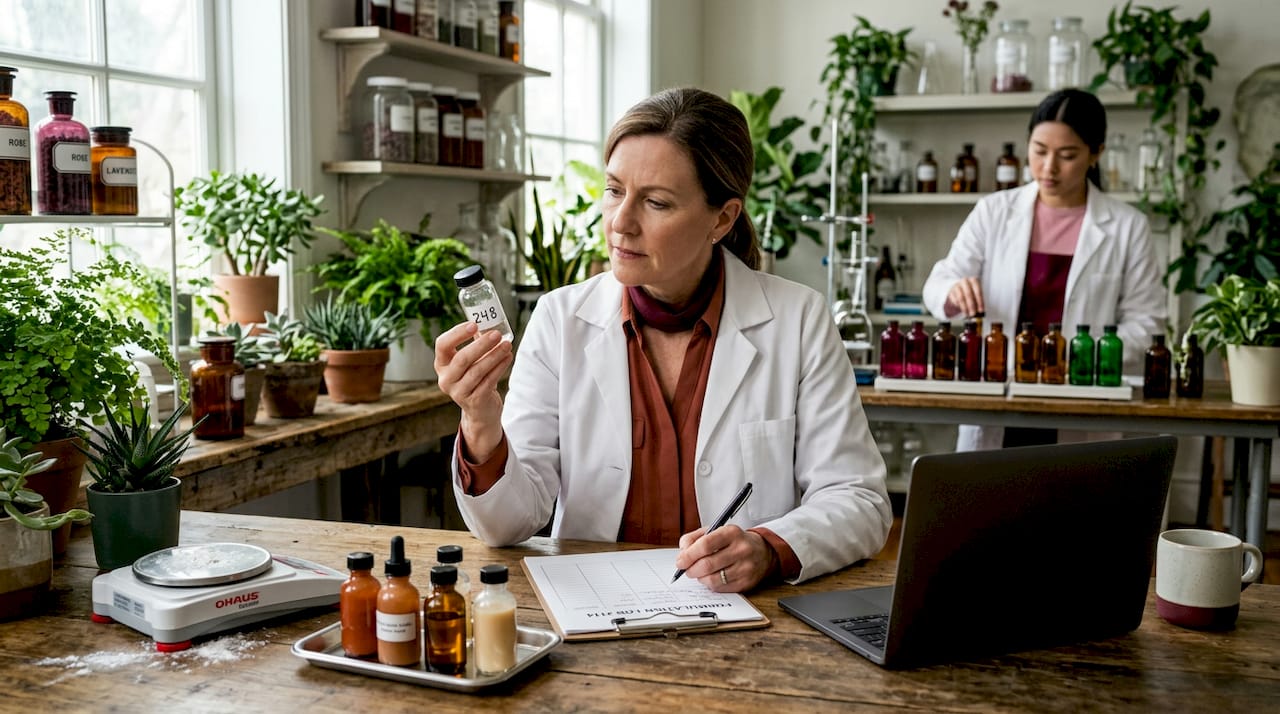
The deeper problem is not just presence. It is uncertainty. Most PFAS substances in cosmetics lack complete toxicological profiles, which means even a transparent ingredient list does not tell you what the long-term risk actually is. That gap is pushing the conversation beyond “does this product list its ingredients” toward “does this brand actively monitor and respond to evolving science.”
State-level action has moved faster than federal regulation. Several U.S. states banned PFAS in cosmetics starting in 2025, creating a patchwork of compliance requirements that brands selling nationally must navigate carefully. California, Maryland, and Minnesota are among the states that have enacted restrictions, effectively setting new national standards because most brands choose national reformulation over state-by-state product management.
The brands leading on this issue are doing three things:
- Conducting third-party testing to verify the absence of PFAS, not just self-reporting
- Substituting PFAS with functional alternatives like cellulose-based film formers and plant-derived emollients
- Publishing their testing results publicly rather than treating them as proprietary data
Pro Tip: Ask your favorite brands whether they test for PFAS presence and whether those results are available. A brand committed to ingredient transparency should be able to point you to documentation, not just a marketing page.
The broader lesson here is that ingredient transparency is moving from a consumer preference to an operational discipline. Brands now need internal traceability systems, not just clean labels.
Sustainability and next-gen clean beauty innovation
Sustainability in beauty used to mean recycled packaging and a pledge to reduce water use. The 2025 version is far more technically demanding, and far more interesting. The future of sustainable cosmetics now runs through the supply chain, the formulation lab, and the end-of-life plan for the product simultaneously.
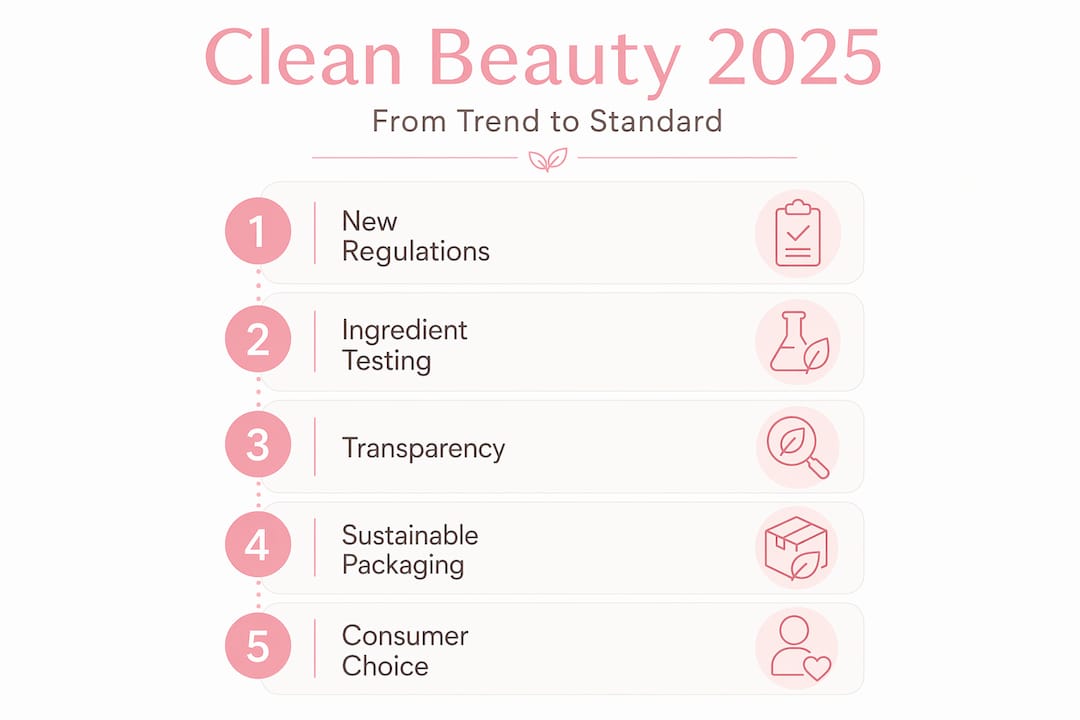
Upcycled actives are one of the most promising clean beauty innovations in this space. Ingredients like Pomarage™, derived from apple pomace waste, and Pronalen Bio-Protect, sourced from agricultural byproducts, deliver both waste reduction and clinical skin benefits. These are not compromise ingredients. They perform on par with or better than conventional synthetic actives in many applications.
Here is how the shift toward sustainable formulation is playing out across the industry:
- Waterless formulations are gaining traction because they reduce product weight for shipping, extend shelf life without synthetic preservatives, and minimize water as a primary resource input.
- Concentrated formats like solid cleansers, balm-to-oil formulas, and serum sticks deliver multiple-use benefits in smaller packaging footprints.
- Multifunctional ingredients replace ingredient-heavy formulas, reducing the total number of substances in a product while maintaining or improving performance.
- Refill and reuse systems are growing, and research shows refill systems correlate with stronger customer loyalty and increased spending without relying on discounts.
| Approach | Environmental benefit | Consumer benefit |
|---|---|---|
| Upcycled actives | Reduces agricultural waste | Clinically validated skin results |
| Waterless formulations | Lower carbon footprint in shipping | Longer shelf life, no preservatives |
| Refillable packaging | Cuts single-use plastic significantly | Cost savings over time |
| Concentrated formats | Smaller packaging, less material | More product uses per purchase |
The real challenge is not finding these solutions. It is scaling them. Successful circular systems require retailer buy-in, consumer behavior shifts, and standardized infrastructure that no single brand can build alone. That is why industry collaboration is becoming as important as individual product innovation in the eco-friendly skincare 2025 conversation.
Pro Tip: Look for brands that publish a sustainability report or impact page with specific metrics, not just mission statements. Concrete numbers around packaging reduction, ingredient sourcing, and carbon data signal that sustainability is operational rather than aspirational.
What this means for you as a consumer
The 2025 clean beauty forecast is genuinely good news for shoppers who care about what they put on their skin. Regulatory changes mean more products will have verifiable safety records. Ingredient transparency requirements mean more information will be available on demand. But navigating it still takes some discernment.
Consumer trust depends increasingly on verifiable data, not storytelling. Brands that can point to third-party certifications, published testing results, and documented supply chains deserve more confidence than those relying on attractive packaging and broad claims. Here is how to evaluate what you are buying:
- Check for MoCRA registration. Brands operating in the U.S. that are not registered with the FDA under MoCRA as of 2025 are operating outside compliance.
- Distinguish between certifications. Organizations like MADE SAFE, EWG Verified, and COSMOS Organic have documented standards. A brand-created “clean badge” does not carry the same weight.
- Ask about sourcing traceability. A brand with documented supply chain accountability can tell you where its key ingredients come from. One without traceability cannot.
- Look for transparency on reformulation. Brands that publicly acknowledge and explain ingredient changes (like removing PFAS) are demonstrating accountability, not weakness.
Pro Tip: The EWG Skin Deep database lets you search specific ingredients and products for safety ratings based on available scientific data. It is an imperfect tool, but it is grounded in evidence rather than marketing.
Understanding certified clean beauty is not about memorizing every regulation. It is about knowing which signals to trust, and which claims to question. The future beauty industry is building systems to make that easier. Your job is simply to stay curious.
My honest perspective on where clean beauty is actually headed
I’ve watched the clean beauty space shift from a niche wellness conversation to a regulatory category with real legal teeth, and I’ll tell you what surprises most people: the industry’s biggest challenge isn’t regulations. It’s the gap between what brands say and what they can prove.
I’ve seen brands that genuinely reformulate and test rigorously get lumped in with brands that simply removed a few flagged words from their website copy. That is what happens when a category grows faster than the accountability systems around it. MoCRA changes that equation significantly, but enforcement takes time. The transition period is where informed consumers have the most power.
What I think gets underappreciated is the ingredient science challenge. Transparency is not the same as safety, and most conversations conflate the two. Publishing a full ingredient list is a baseline, not an achievement. The harder and more meaningful work is what brands do when the science on an ingredient is incomplete, which is exactly the situation with most PFAS compounds right now. The brands worth trusting are the ones that say “we don’t know yet, and here is how we are monitoring it,” rather than the ones that claim certainty they cannot have.
For consumers, my honest advice is to shift your trust from labels to documentation. A brand that shares its test results, its supplier list, and its compliance filings is giving you something you can evaluate. A brand that shares only beautiful photography and ingredient philosophy is asking you to take its word for it.
— Kaitlyn
Experience clean beauty principles with Purelightbotanicalbeauty
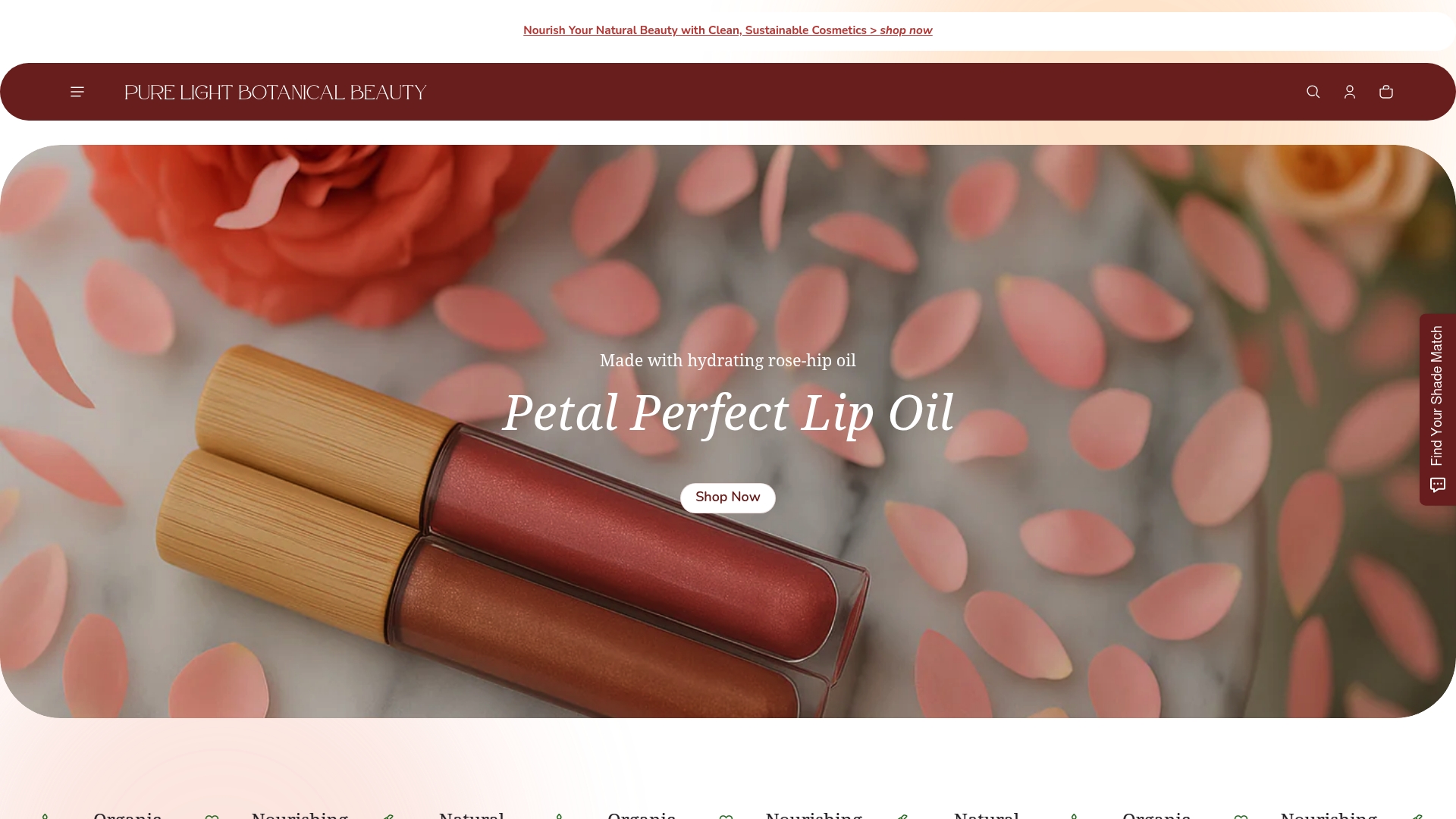
The shifts happening in clean beauty right now are exactly what Purelightbotanicalbeauty was built for. Every formula in the line is crafted from plant-based, clinically considered ingredients with skin health at the center, not just aesthetic performance. Products like the Petal Perfect Lip Oil and Botanical Crème Blush are designed for people who want beauty that actually nourishes, particularly those managing sensitive skin or conditions like eczema.
Purelightbotanicalbeauty approaches ingredient sourcing and transparency the way this industry needs to: with honesty about what is in each formula and why it is there. If you are ready to explore products that reflect the next-gen beauty products principles this article covers, visit the full collection and see what clean beauty looks like when it is built around healing rather than hype. You can also explore the brand’s sustainability commitments to understand how these values translate from ingredient to finished product.
FAQ
What is the future of clean beauty in 2025?
Clean beauty in 2025 is transitioning from a marketing concept to a regulated, accountability-driven category. MoCRA enforcement, PFAS state bans, and EU supply chain regulations are requiring brands to substantiate every claim with documented evidence.
Is “clean beauty” legally defined?
Not yet at the federal level in the U.S., but MoCRA creates legal requirements around safety substantiation and claim accuracy that effectively hold brands to a higher standard than before. Third-party certifications from organizations like MADE SAFE or EWG Verified offer the clearest current benchmarks.
What are PFAS in cosmetics and why do they matter?
PFAS are synthetic compounds used in some cosmetics for texture and wear. The FDA found 51 intentionally added PFAS ingredients in registered products, and most lack complete toxicological data. Several states have banned them starting in 2025, pushing brands toward reformulation.
How can I tell if a clean beauty brand is credible?
Look for MoCRA registration, third-party certifications with documented standards, published ingredient testing results, and clear sourcing documentation. Credible brands can show you evidence. They do not ask you to simply trust the label.
What makes upcycled ingredients significant for sustainable beauty?
Upcycled actives like those derived from fruit pomace waste reduce agricultural byproducts while delivering clinically validated skin benefits. They represent a model where environmental responsibility and product performance reinforce each other rather than compete.