

TL;DR:
- Natural waxes in cosmetics do more than thicken; they structure formulas, protect moisture, and influence product feel.
- Formulators blend various waxes to optimize texture, stability, and skin benefits, especially for sensitive or dry skin.
Most people assume waxes in beauty products are just there to make things thicker. That single misconception leads to a lot of confused label-reading and missed opportunities for better skin. The role of natural waxes in cosmetics is actually far more layered — they structure formulas, protect your skin’s moisture barrier, give products their texture, and determine how a lipstick or cream actually feels on contact. Understanding what waxes do, and why formulators choose them carefully, puts you in a much stronger position to pick products that genuinely work for your skin.
Table of Contents
- Key takeaways
- What natural waxes actually are
- Natural wax roles in cosmetic formulation
- Skin care benefits of natural waxes
- How to use natural waxes in your beauty routine
- Common myths about natural waxes
- My honest take on waxes in beauty
- Discover wax-rich beauty from Purelightbotanicalbeauty
- FAQ
Key takeaways
| Point | Details |
|---|---|
| Waxes do more than thicken | Natural waxes structure, stabilize, and protect skin — not just add body to a product. |
| Different waxes, different results | Beeswax, carnauba, and candelilla each have distinct melting points, textures, and suitability for sensitive skin. |
| Barrier protection is measurable | Waxes reduce transepidermal water loss, which scientists measure directly to confirm hydration support. |
| Blends beat single waxes | Formulators combine hard and soft waxes with compatible oils to tune texture, stability, and skin feel. |
| Label literacy matters | Knowing wax names on ingredient lists helps you choose products that match your skin type and values. |
What natural waxes actually are
The word “wax” covers a surprisingly wide chemical territory. In cosmetic science, waxes are solid or semi-solid lipid materials made primarily of long-chain wax esters, hydrocarbons, fatty acids, and fatty alcohols. That composition is chemically distinct from fats and oils, which are dominated by triglycerides. The practical difference matters: waxes are harder at room temperature, resistant to oxidation, and form protective films rather than penetrating deeply into the skin.
Common natural waxes used in cosmetics include:
- Beeswax: An animal-derived wax with a melting point of around 62–65°C, making it ideal for lip balms and stick products that soften on skin contact but hold their shape in your bag.
- Carnauba wax: The hardest common cosmetic wax, sourced from Brazilian palm leaves, with a melting point of 82–86°C and a high gloss finish. It is essential for lipsticks and mascaras that need heat resistance.
- Candelilla wax: A vegan wax from the candelilla shrub, harder than beeswax and a popular substitute in plant-based formulas.
- Sunflower wax: A soft, powdery-feeling wax from hydrogenated sunflower oil, often used at 4–8% to give products a smooth, lightweight after-feel.
- Rice bran wax: Another vegan option offering a firm, glossy structure with good skin-feel properties.
- Jojoba “wax”: Technically a liquid wax ester that mimics skin sebum, making it exceptionally compatible with most skin types.
Melting point is one of the most important properties of natural waxes in beauty products because it governs when and how the product softens against your body temperature. That single variable shapes everything from lip product wear to cream consistency on a warm day.
Natural wax roles in cosmetic formulation
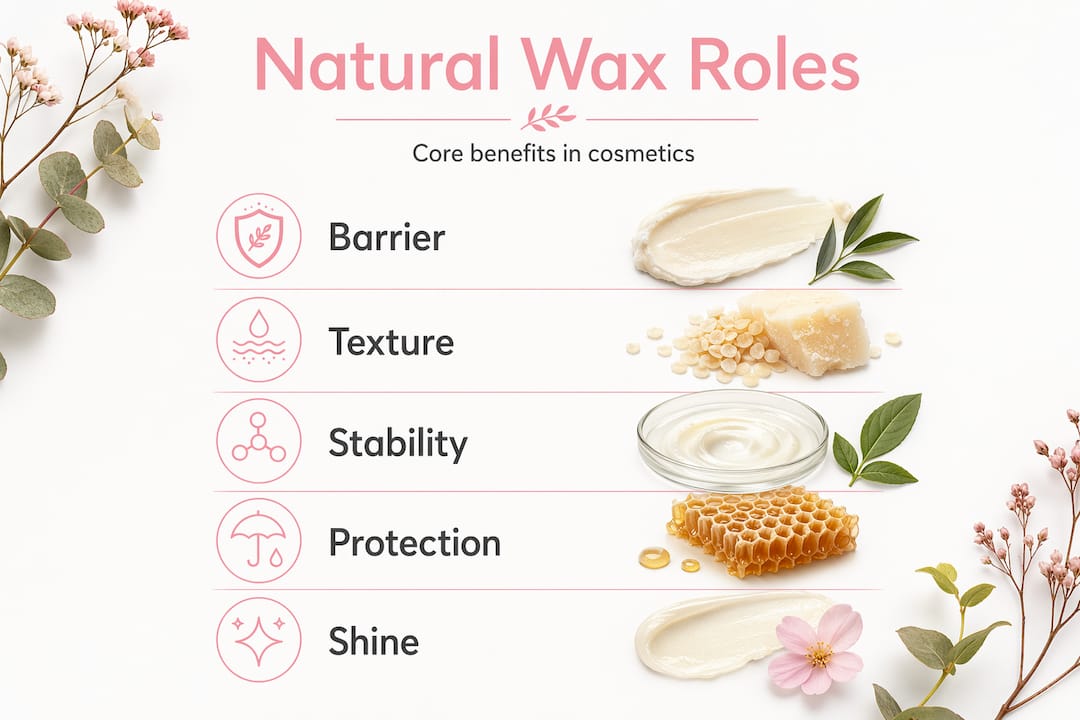
This is where the chemistry becomes genuinely interesting. When you melt wax into an oil phase and allow it to cool, the wax molecules don’t just solidify randomly. They form crystalline networks that physically trap and immobilize the surrounding oils. The technical term for this process is oleogelation, and it is the foundation of nearly every anhydrous cosmetic product you own.
That crystalline structure does several things at once:
- Controls viscosity. A low wax concentration produces a soft balm; a higher concentration creates a firm stick. The ratio between hard wax and soft wax determines exactly where on that spectrum the product lands.
- Prevents oil migration. Without adequate wax structuring, the oil phase in a lip product sweeps toward the surface and creates a greasy ring or “sweat” on the stick. Waxes prevent oil migration by locking oils in place.
- Sets the thermal window. Products like stick foundations and lipsticks need to hold their shape up to a certain temperature, then release product smoothly with finger or brush pressure. Blending carnauba’s high melt point with softer waxes creates exactly that window.
- Determines sensory feel. Sunflower wax at the right percentage gives a powdery, barely-there sensation. Beeswax gives a slightly tacky, protective feel. The sensory outcome is a deliberate formulation decision, not an accident.
When a formula contains water as well as oil, waxes take on an additional role: stabilizing the emulsion. Natural emulsifying and structuring waxes can stabilize solid water-in-oil emulsions across variable water contents, which is what allows innovative solid moisturizers and balms to hold their shape without synthetic polymers.
Pro Tip: When reading ingredient lists, pay attention to how many wax types appear. A single wax formula often signals a less refined sensory experience. A blend of two or three waxes, paired with a compatible oil, is usually the sign of a thoughtfully developed product.
If you want to understand why water-free formulations are often more stable than their water-based counterparts, the wax crystalline structure is a large part of the answer.
Skin care benefits of natural waxes
Here is the claim most consumers overlook: natural waxes are not just cosmetic. They are functional skin care agents. Their primary mechanism is occlusion, which means they form a physical barrier on the skin’s surface that slows transepidermal water loss, commonly called TEWL.
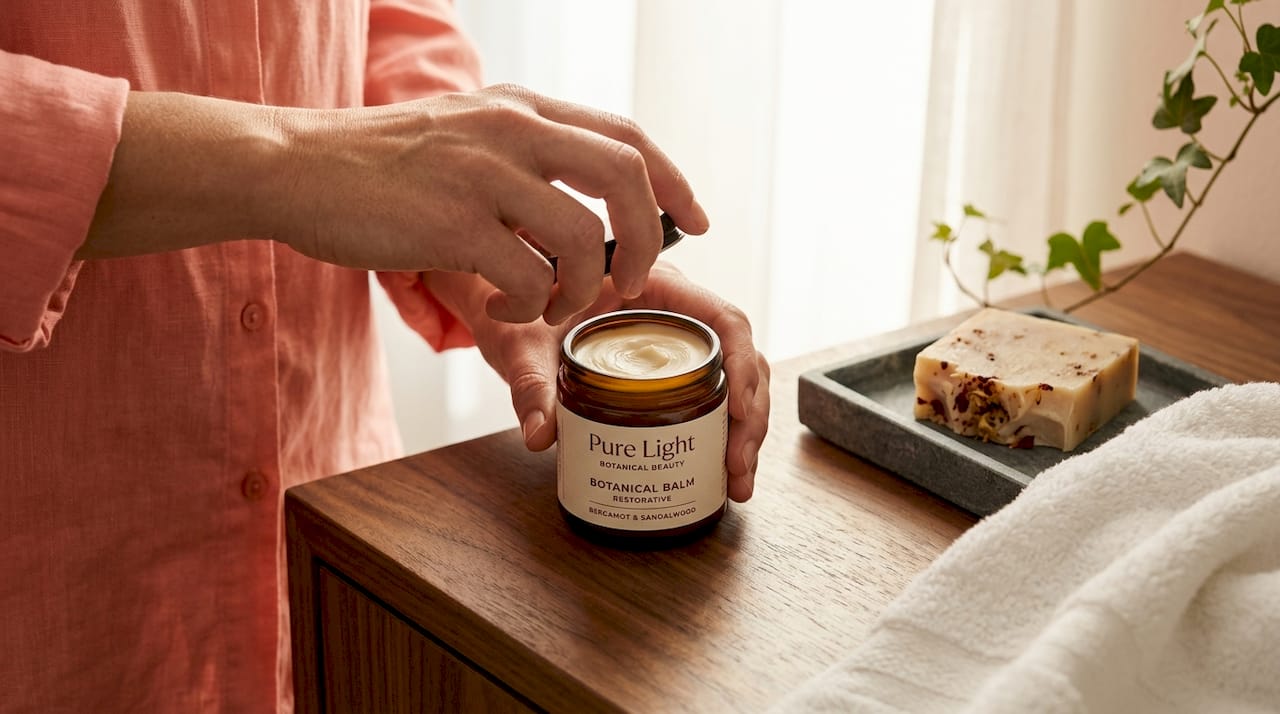
TEWL reduction is the primary scientific marker for occlusive barrier performance in topical formulations. Measuring TEWL before and after application is how researchers confirm that a wax-rich product is genuinely protecting your skin’s hydration, not just making you feel temporarily moisturized. This distinction matters enormously for people with dry or sensitive skin or conditions like eczema.
Key skin care benefits from wax-rich cosmetics:
- Moisture retention. The occlusive layer slows water evaporation from the skin, allowing your skin’s own hydration to build over time.
- Barrier reinforcement. For skin with a compromised barrier, the wax film substitutes temporarily for the lipid layer that should be protecting the stratum corneum.
- Anti-inflammatory support. Beeswax in particular contains natural esters with documented calming effects, making it well-suited for reactive or eczema-prone skin.
- Aroma and moisture sealing in products. Candelilla wax films show up to 80% cumulative reduction in permeability, which keeps both moisture and fragrance locked inside formulas longer.
- Protection from environmental exposure. A wax coating on the lips or around the eye area creates a physical buffer against wind, cold, and dryness.
Occlusion is not the same as moisturization. Waxes hold water in; they do not add water to the skin. Pairing an occlusive wax product with a water-binding ingredient like glycerin or aloe gives you the full picture of skin hydration.
For anyone managing eczema or skin sensitivity, understanding this mechanism allows you to use wax-based products with real intention rather than guessing. The right wax-rich balm applied to damp skin is a genuinely therapeutic act.
How to use natural waxes in your beauty routine
Knowing wax chemistry is only useful if it changes how you shop and layer your products. Here is how wax content shows up across common product categories and what to look for in each:
- Lip balms and lip treatments. Beeswax, candelilla, and carnauba are the most common waxes here. For sensitive skin lip care, candelilla-based formulas offer full occlusive protection without animal-derived ingredients. Look for wax listed in the first five ingredients for meaningful barrier benefit.
- Lipsticks. A blend of hard and soft waxes determines wear time, color deposit, and how the product feels mid-wear. Wax-to-oil ratios also affect whether you experience “blooming” over time.
- Creams and moisturizers. Lower wax concentrations in emulsion-based products add body without heaviness. If you have dry or sensitive skin, products with wax alongside ceramides or fatty acids give the most durable barrier support.
- Mascaras and eye cosmetics. Carnauba wax gives mascara its curl-holding ability and heat resistance. Candelilla is a common vegan alternative in clean beauty mascaras.
- Hair styling products. Wax pomades use high-melt waxes like carnauba for firm hold. Softer wax blends create conditioning balms that coat the hair shaft and reduce moisture loss.
For sensitive skin, prioritize products where the wax source is clearly identified and ideally certified organic. Vegan shoppers should check specifically for candelilla, carnauba, or sunflower wax rather than beeswax. Jojoba, listed as Simmondsia chinensis seed oil, is technically a liquid wax ester and appears in nearly every skin type-compatible formula for good reason.
Pro Tip: Apply wax-rich lip or skin balms to slightly damp skin immediately after cleansing. Occlusive waxes seal in existing moisture, so the window right after water contact is when they work hardest for you.
Common myths about natural waxes
Natural waxes carry a reputation for being universally safe and non-comedogenic. That reputation is mostly earned but deserves some nuance.
The first misconception is that all natural waxes behave the same. They do not. A formula built on a single high-melt wax can feel stiff, waxy, or drag on the skin if the wax and oil chemistry are mismatched. Successful formulas tune wax chemistry and oil selection together, which is why professional formulators rarely use just one wax.
The second myth is that natural automatically means non-comedogenic. Beeswax, while beneficial for most skin, can be occlusive enough to contribute to breakouts for acne-prone skin types when used in heavy concentrations. Context and skin type always matter more than the natural label alone.
Third, some people assume wax-based products are inherently stable. The reality is more complex. When a formula contains water alongside waxes, natural emulsifying agents must be included to prevent phase separation during storage. A water-containing solid cosmetic without proper emulsification will degrade regardless of how high-quality its wax components are.
Finally, there is a persistent belief that the heavier a product feels, the more protection it provides. Wax sensory weight and occlusive performance are not the same thing. A lightweight sunflower wax formula can provide measurable TEWL reduction while feeling barely present on the skin. Heavier feel is a formulation choice about texture preference, not necessarily a sign of superior barrier function.
My honest take on waxes in beauty
I have spent years reading formulations, trying products, and paying close attention to how my skin responds. What I have learned is that wax blends in beauty products are genuinely one of the most underappreciated tools in natural skincare, and most consumers walk right past them.
The biggest thing most people miss is the difference between occlusion and moisturization. When I started applying wax-rich balms over water-based serums rather than instead of them, my skin changed noticeably. The wax was not adding hydration. It was keeping in what I had already applied. That single shift in understanding is worth more than any expensive product swap.
I have also learned to be skeptical of products that use a single wax source. In my experience, they rarely feel as good on skin as a thoughtfully blended formula. The best formulations balance hard and soft waxes alongside oils selected for compatibility, and the skin feel reflects that care. When a balm glides without dragging and leaves skin protected without feeling suffocated, that is the result of someone getting the ratio right.
For those of you with sensitive skin, eczema, or any condition involving a compromised barrier, I genuinely believe wax-rich clean beauty products are one of the gentlest and most effective tools available to you. Not because they are trendy, but because the science behind occlusion is solid and the right natural waxes have a long safety record.
— Kaitlyn
Discover wax-rich beauty from Purelightbotanicalbeauty
At Purelightbotanicalbeauty, every formula starts with the question: what does this skin actually need? Natural waxes sit at the center of that answer for lip care, botanical balms, and nourishing makeup across the collection.
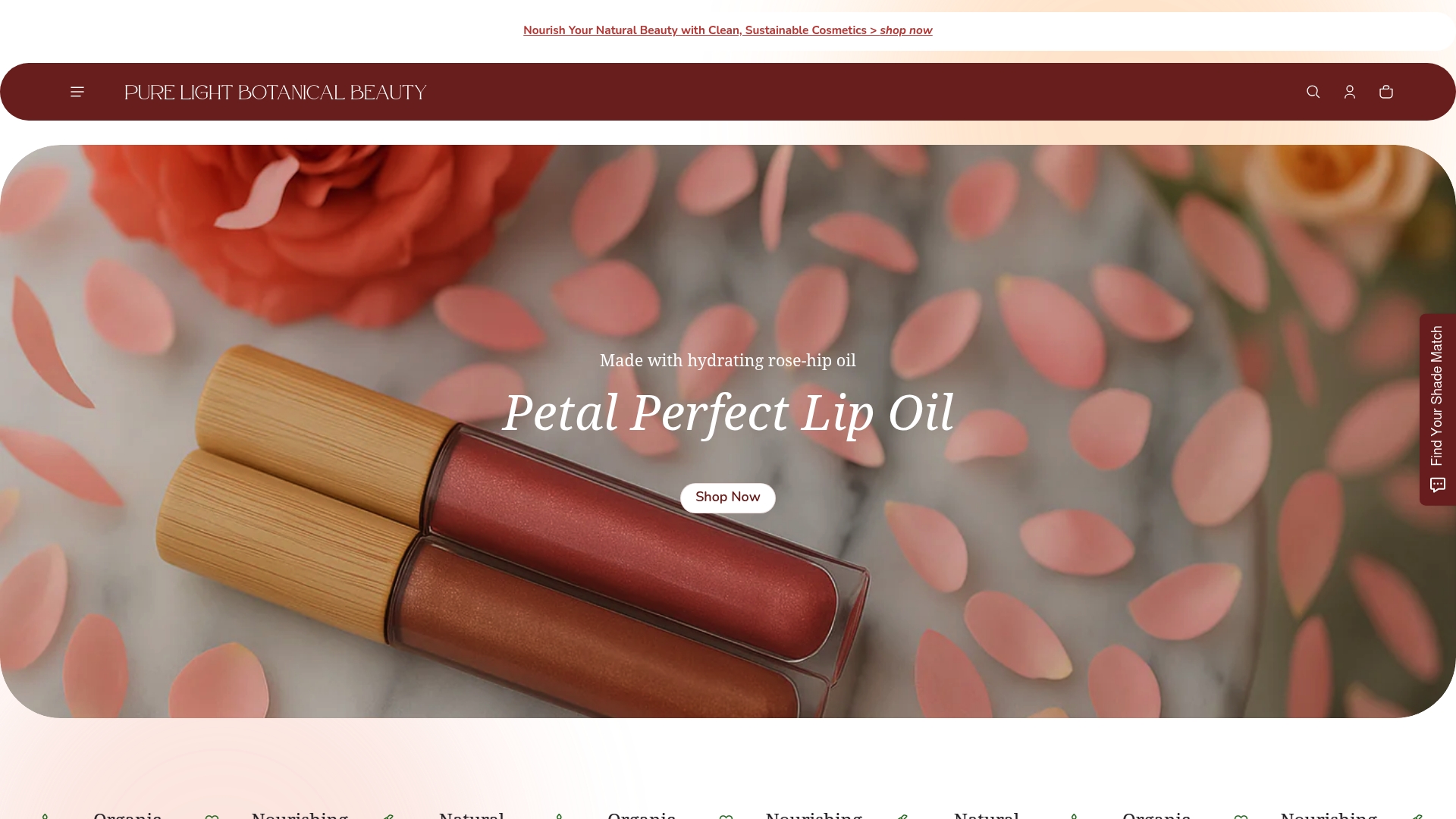
Products like the Nourishing Lipstick and Petal Perfect Lip Oil are built on thoughtfully selected plant waxes and botanical oils chosen for sensitive skin compatibility. Vegan-friendly wax sources like candelilla and carnauba replace animal-derived alternatives without sacrificing performance. If you are ready to experience what clean, wax-rich botanical beauty feels like on your skin, the full collection is waiting for you. And if lip care is where you want to start, the top lip balm collection for sensitive skin in 2026 is a natural first step.
FAQ
What is the role of natural waxes in cosmetics?
Natural waxes structure the oil phase of formulas, control texture and viscosity, prevent oil migration, and form protective occlusive films on skin. They function as both formulation agents and active skin care ingredients.
Are natural waxes good for sensitive skin?
Most natural waxes, including candelilla and jojoba, are well-tolerated by sensitive skin and can actively support barrier repair by reducing transepidermal water loss. Beeswax is beneficial for many people but may not suit acne-prone skin at high concentrations.
What is the difference between beeswax and carnauba wax?
Beeswax melts at around 62–65°C and delivers a protective, slightly tacky feel ideal for lip balms. Carnauba wax melts at 82–86°C, provides higher gloss and heat resistance, and is used where firmness and shine are priorities, such as in lipsticks and mascaras.
Can natural waxes actually moisturize skin?
Waxes do not add water to the skin. They work through occlusion, slowing water loss from the surface so the skin retains its existing hydration. Pairing wax-based products with humectant ingredients delivers both hydration delivery and retention.
Why do formulators blend multiple waxes instead of using one?
A single wax rarely delivers the ideal combination of hardness, melt behavior, and skin feel on its own. Blending hard and soft waxes alongside compatible oils lets formulators tune every sensory and performance property of the final product with precision.
Recommended
- Why Choose Natural Makeup: Complete Guide – Pure Light Botanical Beauty
- What are Holistic Cosmetics? Understanding Natural Beauty – Pure Light Botanical Beauty
- Understanding the Role of Natural Oils in Skincare – Pure Light Botanical Beauty
- Natural Cosmetic Preservation: Safeguarding Skin Health – Pure Light Botanical Beauty