

TL;DR:
- Healthy skin relies on a simple routine of cleansing, moisturizing, and sun protection every day. Supporting the skin barrier through nourishing ingredients and healthy lifestyle habits enhances natural radiance and protects against damage. Consistency and gentle care are key for sensitive or compromised skin types to achieve lasting health and glow.
Healthy skin is defined by a functioning barrier that retains moisture, resists irritation, and reflects light evenly. The best practices for healthy skin center on three daily steps: gentle cleansing, effective moisturizing, and broad-spectrum sun protection. Dermatologists consistently endorse this framework as the foundation of any sound skin care routine. Skin nourishment, the process of replenishing lipids and nutrients like ceramides and essential fatty acids, goes beyond basic hydration and is especially critical for dry or compromised skin. Purelightbotanicalbeauty builds every product around this principle, using clean, plant-based ingredients that support the barrier rather than stress it.
1. What are the essential daily steps for healthy skin care?
A foundational skin care routine requires three non-negotiable steps: cleansing, moisturizing, and SPF protection. Each step serves a distinct biological function, and skipping any one of them creates a gap that the others cannot fill.
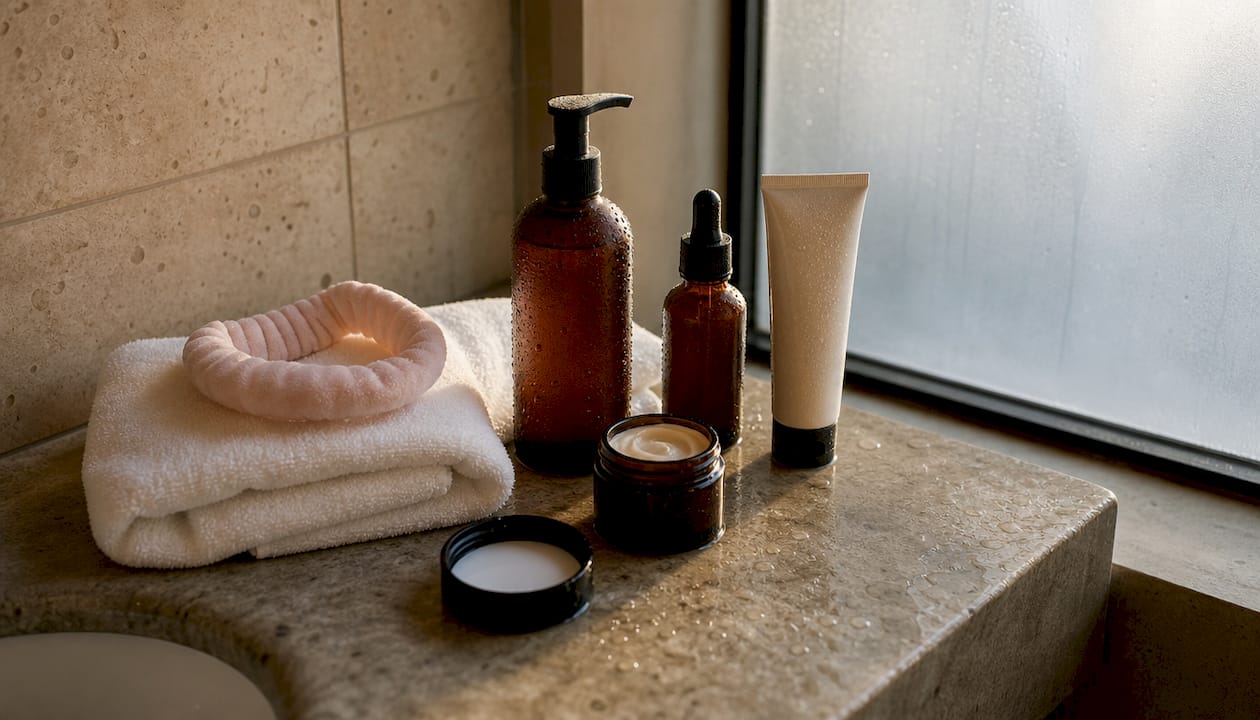
Cleansing removes surface impurities, excess sebum, and environmental residue without stripping the skin’s natural oils. Gentle, non-stripping cleansers tailored to your skin type, such as fragrance-free formulas or micellar waters for sensitive skin, preserve the barrier while clearing the surface. Harsh soaps raise skin pH and disrupt the acid mantle, which makes the skin more vulnerable to bacteria and irritation.
Moisturizing seals in water and supports the skin’s protective barrier. Emollients and occlusives like hyaluronic acid and ceramides restore barrier function and prevent transepidermal water loss. Niacinamide, a B vitamin, calms inflammation and evens skin tone, making it a strong addition for most skin types.
Sun protection is the single most effective anti-aging and skin health measure available without a prescription. Apply a broad-spectrum SPF 30+ sunscreen 30 minutes before sun exposure, using a nickel-sized amount for the face. Reapply every two hours when outdoors. UV damage accumulates daily, even on overcast days, so this step applies year-round.
- Use a gentle, pH-balanced cleanser morning and night
- Apply moisturizer while skin is still slightly damp to lock in hydration
- Choose SPF 30 or higher with both UVA and UVB protection
- Reapply sunscreen every two hours during outdoor activity
Pro Tip: Layer your products thinnest to thickest. Serums go before moisturizer, and sunscreen always goes last in your morning routine.
2. How do hydration and nourishment differ, and why do both matter?
Hydration and nourishment are not the same thing. Confusing them leads to choosing the wrong products and leaving real skin needs unmet.
Hydration delivers water to the skin and helps it retain that water. Ingredients like hyaluronic acid, glycerin, and aloe vera draw moisture into the skin cells. Hydrated skin looks plump and feels supple. Without adequate hydration, skin appears dull and fine lines become more visible.
Nourishment replenishes the lipids and nutrients that form the skin’s hydrolipidic film. Products with ceramides, essential fatty acids, and natural oils seal in moisture and prevent transepidermal water loss. This is the layer that keeps environmental stressors out and moisture in. Dry or compromised skin needs nourishment in addition to hydration because water alone cannot rebuild a damaged barrier.
| Skin need | Key ingredients | Primary function |
|---|---|---|
| Hydration | Hyaluronic acid, glycerin, aloe vera | Draws and retains water in skin cells |
| Nourishment | Ceramides, fatty acids, plant oils | Seals barrier, prevents moisture loss |
| Both | Niacinamide, squalane | Supports barrier and balances hydration |
Plant-based oils and balms leave a light protective film on the skin surface. That film signals true barrier restoration, not just temporary surface shine. Synthetic shimmer products can mimic the look of nourished skin, but the effect fades within hours because no real barrier work is happening underneath.
- Hydrating ingredients: hyaluronic acid, glycerin, aloe vera, beta-glucan
- Nourishing ingredients: ceramides, linoleic acid, rosehip oil, shea butter
- Combination ingredients: squalane, niacinamide, oat extract
Pro Tip: Apply your hydrating serum first, then follow with a nourishing oil or balm. This sequence locks water into the skin before sealing the barrier.
3. Which lifestyle habits best support natural, glowing skin?
Topical products do the heavy lifting, but lifestyle habits determine how far those products can take you. The best way for glowing skin is a combination of consistent topical care and daily choices that support skin from the inside out.
Diet plays a direct role in skin barrier health. Consuming 1–2 portions of omega-3 rich oily fish weekly supports inflammation control and barrier integrity. Omega-3 fatty acids reduce the inflammatory signals that cause redness, breakouts, and dullness. Pairing every caffeinated drink with a glass of water maintains skin hydration throughout the day, since caffeine is a mild diuretic.
“Brightness comes from hydrated, healthy cells. Limiting exfoliation to once per week with gentle acids avoids barrier damage and preserves long-lasting radiance.” Irritation is the fastest way to lose your glow, and most people do not realize their routine is the cause.
Sleep and stress management are not optional extras. During deep sleep, the body repairs damaged cells and produces collagen. Chronic stress raises cortisol, which breaks down collagen and triggers oil production. Both factors directly affect how your skin looks and behaves.
- Eat oily fish like salmon or mackerel 1–2 times per week
- Pair every coffee or tea with a glass of water
- Limit exfoliation to once per week using gentle PHAs or lactic acid
- Aim for 7–9 hours of sleep per night
- Practice a short facial massage to support lymphatic flow and circulation
Pro Tip: A two-minute facial massage with a nourishing oil each morning activates lymphatic drainage and gives skin a natural lift without any product layering.
Beyond diet and sleep, facial massage enhances the skin’s natural luminous finish by improving lymphatic flow and releasing muscle tension. This is one of the most overlooked healthy skin tips in mainstream beauty advice. You do not need a tool. Your fingertips and a few drops of facial oil are enough.
4. What are best practices specifically for sensitive or compromised skin?
Sensitive skin requires a shorter ingredient list, not a longer one. The instinct to layer more products to fix a problem usually makes things worse. A personalized routine developed through professional consultation is far more effective than trial-and-error product stacking.
The core principle for sensitive or eczema-prone skin is barrier repair first. Every product choice should ask: does this support the barrier, or does it stress it? Fragrance, alcohol, and synthetic dyes are the most common irritants in mainstream skin care. Removing them from your routine often produces visible improvement within two weeks.
- Choose fragrance-free cleansers or micellar waters formulated for sensitive skin
- Use barrier-repairing ingredients: ceramides, hyaluronic acid, and niacinamide
- Avoid physical scrubs and limit chemical exfoliation to once per week at most
- Introduce new products one at a time, with at least one week between additions
- Consult a dermatologist before adding active ingredients like retinoids or AHAs
Plant-based oils and natural balms nourish and protect sensitive skin without the synthetic additives that trigger reactions. Oils like rosehip, jojoba, and sea buckthorn contain fatty acids that mirror the skin’s own lipids. This makes them easier for compromised skin to absorb and use for repair. Purelightbotanicalbeauty formulates with exactly these principles, creating products that nourish without overwhelming sensitive skin.
Pro Tip: Patch test every new product on your inner arm for 48 hours before applying it to your face. This one step prevents most contact reactions.
Building a clean beauty routine for sensitive skin does not mean sacrificing performance. It means choosing ingredients that work with your biology rather than against it.
Key Takeaways
The most effective approach to healthy skin is a consistent, simple routine built on cleansing, moisturizing, and SPF protection, supported by nourishment and lifestyle habits that protect the skin barrier daily.
| Point | Details |
|---|---|
| Three daily non-negotiables | Cleanse, moisturize, and apply SPF 30+ every single day without exception. |
| Hydration vs. nourishment | Hydration adds water; nourishment seals the barrier with lipids and fatty acids. Both are required. |
| Lifestyle supports topical care | Omega-3 intake, adequate sleep, and limiting exfoliation directly improve skin radiance. |
| Sensitive skin needs less | Fewer products, fragrance-free formulas, and barrier-first ingredients reduce irritation and support healing. |
| Nourishing oils signal real repair | A lasting protective film from plant-based oils indicates genuine barrier restoration, not surface shimmer. |
What I have learned from years of watching people overcomplicate their routines
The most common mistake I see is treating skin care like a problem to solve with more products. People add a new serum for every concern, stack actives without understanding interactions, and then wonder why their skin is angrier than when they started. The skin is not a surface to be conquered. It is a living barrier that responds to consistency and calm.
What actually works is boring by beauty industry standards. A gentle cleanser, a ceramide-rich moisturizer, and a reliable SPF. That is the foundation. Everything else is optional, and most of it is noise. I have watched people with chronic redness and sensitivity clear their skin in weeks simply by stripping their routine back to three products.
The piece of advice I give most often that surprises people is about facial massage. Most people think glowing skin comes from a product. Often it comes from circulation. Two minutes of gentle upward strokes with a nourishing oil in the morning moves lymphatic fluid, releases jaw tension, and gives the skin a natural radiance that no highlighter can replicate. It costs nothing and takes less time than scrolling for the next trending ingredient.
Nourishment is the concept most people skip because they do not understand it. They hydrate with serums and call it done. But if the barrier is not sealed with the right lipids, that water evaporates within hours. The skin stays dull and tight no matter how much water you drink. Getting this distinction right changes everything.
— Kaitlyn
Purelightbotanicalbeauty: where clean ingredients meet real skin care
Purelightbotanicalbeauty was built on the same principles this article covers: barrier support, clean plant-based ingredients, and formulas that work for sensitive skin without compromise.
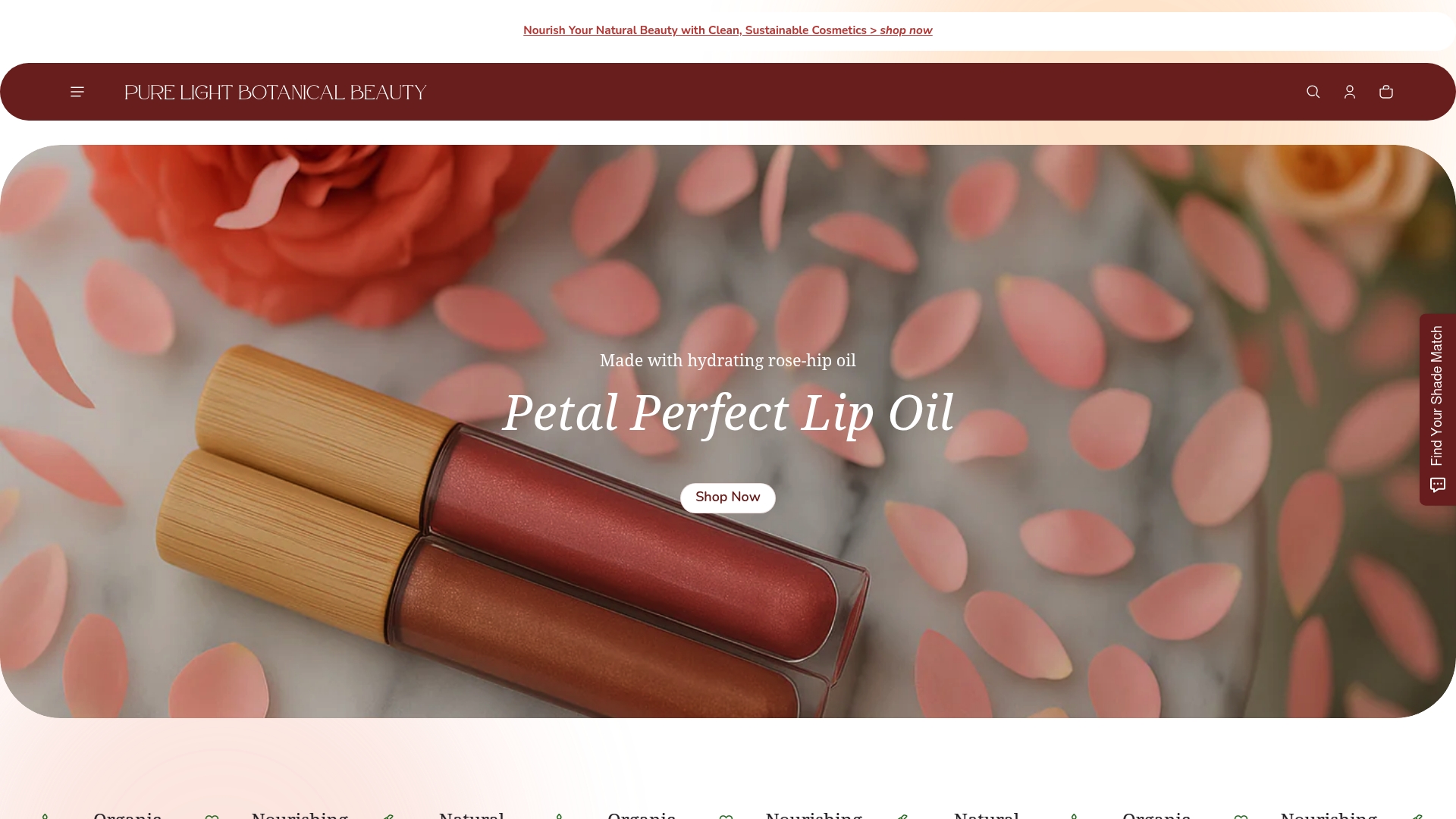
Every product in the line, from the Petal Perfect Lip Oil to the Botanical Crème Blush and Nourishing Lipstick, is formulated with the ceramides, fatty acids, and natural oils that your skin barrier actually needs. These are not decorative products with a wellness label. They are nourishing daily rituals designed to feed your skin while you wear them. If you are ready to build a routine that feels as good as it looks, visit Purelightbotanicalbeauty and find the products that match where your skin is right now.
FAQ
What is the most important step in a skin care routine?
Sun protection is the single most impactful daily step for long-term skin health. Apply a broad-spectrum SPF 30+ sunscreen every morning, 30 minutes before sun exposure, and reapply every two hours outdoors.
What is skin nourishment and how does it differ from hydration?
Skin nourishment replenishes the lipids and nutrients that form the skin’s protective barrier, using ingredients like ceramides and essential fatty acids. Hydration delivers and retains water in skin cells, using ingredients like hyaluronic acid and glycerin. Both are necessary for balanced, healthy skin.
How often should you exfoliate for healthy skin?
Limit exfoliation to once per week using gentle chemical exfoliants like PHAs or lactic acid. Over-exfoliation damages the skin barrier, causes inflammation, and is one of the fastest ways to lose natural radiance.
What ingredients work best for sensitive or eczema-prone skin?
Ceramides, hyaluronic acid, niacinamide, and fragrance-free plant-based oils are the most effective and least irritating options for sensitive or compromised skin. Avoid synthetic fragrances, alcohol, and physical scrubs.
Can lifestyle habits really improve skin health?
Eating 1–2 portions of omega-3 rich oily fish weekly, staying hydrated, getting 7–9 hours of sleep, and managing stress all directly support skin barrier function and natural radiance. Topical products work best when these foundations are in place.
Recommended
- Your Complete Guide to Holistic Skin Care – Pure Light Botanical Beauty
- Top Ways to Enhance Natural Beauty Naturally: Step-by-Step Guide – Pure Light Botanical Beauty
- Benefits of Mindful Beauty: Complete Guide for 2025 – Pure Light Botanical Beauty
- Natural skincare routine for sensitive skin in 2026 – Pure Light Botanical Beauty