

Yes, cake batter chapstick is real, and ChapStick has sold a Limited Edition Cake Batter flavor through mainstream retailers. If you have sensitive or eczema-prone skin, though, the smarter move is often a plant-based lip balm without petrolatum or synthetic fragrance. Here’s where to look:
- Brand and retailer sites — check ChapStick’s own listings first for the most reliable stock.
- Big-box retailers — Walmart, CVS, and Target have carried this flavor in multi-packs.
- Online marketplaces — third-party sellers often list it after it disappears from shelves, sometimes at a markup.
Quick recommendation: if you just want the nostalgic flavor for occasional fun, the mainstream version works fine. If your lips react easily to fragrance or petroleum-based bases, a botanical lip balm is the safer bet.
Key Takeaways
Cake batter chapstick exists as a limited-edition mainstream product, but plant-based alternatives serve sensitive or eczema-prone skin more reliably over time.
| Point | Details |
|---|---|
| Confirm it’s limited edition | ChapStick’s Cake Batter flavor sells as a seasonal release, so stock and pricing fluctuate. |
| Check ingredients before buying | Watch for lanolin, synthetic fragrance, and vague “flavor” listings on the label. |
| Always patch test first | Apply to your wrist for 24 hours, then a lip corner, before full use. |
| Read reviews with context | Early reviews on novelty flavors skew positive; look for longer-term feedback patterns. |
| Consider a plant-based swap | Purelightbotanicalbeauty’s Nourishing Lipstick line offers fragrance-conscious, plant-based formulas for sensitive lips. |
Table of Contents
- Cake Batter Chapstick Availability and Where to Buy It
- What’s Actually in a Cake Batter Flavored Lip Balm?
- What Do Reviewers Say About Cake Batter Lip Balm?
- How Do You Choose the Right Cake-Batter Lip Balm?
- A Plant-Based Alternative for Sensitive and Eczema-Prone Skin
- Why Ingredient Honesty Matters More Than Flavor
- A Softer Option If Cake Batter Isn’t Worth the Risk
- Sources for Ingredient and Safety Guidance
Cake Batter Chapstick Availability and Where to Buy It
Cake batter flavored lip balm isn’t a permanent fixture on any shelf. ChapStick has released it as a Limited Edition Cake Batter flavor, and the packaging and retailer listings reflect that seasonal framing rather than a year-round product line. Multi-packs of small tubes tend to appear at national chains like CVS and show up periodically on Walmart’s site.
That limited-edition status matters for your wallet and your patience. When a flavor is seasonal, prices can spike once retailers sell through their stock, and secondhand marketplace listings sometimes charge well above the original tag. Waiting for a restock is usually cheaper than chasing an inflated resale price.
A few practical habits will save you money and hassle:
- Sign up for restock alerts on retailer apps rather than checking manually.
- Inspect packaging photos closely before buying from a marketplace seller. Torn seals or missing batch codes are red flags.
- Compare the listed expiration date. Flavored lip balms have shorter shelf lives than plain formulas because fragrance oils degrade faster.
- Buy multi-packs when the price per tube is meaningfully lower. It rarely helps to buy single units at a premium.
If you can’t find the exact flavor in stock, related “birthday cake” or sweet buttercream lip balms from other brands often show up as reasonable substitutes for the sugary scent you’re after, though ingredient lists still deserve a look before you buy.
What’s Actually in a Cake Batter Flavored Lip Balm?
Most cake batter and dessert-flavored lip balms share a similar backbone: a petrolatum or wax base for slip and shine, flavor oils to mimic vanilla and buttercream, preservatives to extend shelf life, and sometimes a light oil or butter for added softness. That combination is what gives mainstream sticks their glossy finish and instantly recognizable sweetness, but it also means the ingredient list leans more synthetic than natural.
Here’s something worth clarifying before you toss one in your bag for snack-time emergencies: flavored lip balm is not food. The flavoring is food-grade, meaning it’s safe for incidental contact with your mouth, but these products aren’t formulated or tested for regular ingestion. A lick now and then won’t hurt you, but treating a tube like candy isn’t the intent behind the formula.
Ingredients worth watching if you have sensitive skin:
- Lanolin — a common lip balm ingredient that triggers reactions in people with wool-related allergies.
- Synthetic fragrance — a frequent irritant, especially for eczema-prone skin.
- Certain essential oils — natural doesn’t always mean gentle; citrus oils in particular can sting compromised skin.
- Flavor carriers — some use ingredients derived from gluten-containing grains, which matters if you have celiac disease or gluten sensitivity.
SkinSAFE’s ingredient database is a useful shortcut here. Its listing for ChapStick’s Classic Cake Batter flavor shows favorable top-allergen-free indicators, meaning many of the most common allergens are absent from the formula, which is reassuring if you’ve had reactions to other lip products in the past.
Before committing to daily use, run a quick patch test:
- Apply a small amount to the inside of your wrist or the crease of your elbow.
- Wait 24 hours without washing the area.
- Check for redness, itching, or swelling.
- If your skin looks clear, apply a small amount to one corner of your lips before using it fully.
Mayo Clinic recommends this kind of check for anyone with known skin sensitivities or allergies before introducing a new topical product, and it takes less time than waiting in line at the pharmacy.
Pro Tip: Keep a running list of ingredients that have irritated your lips in the past. Cross-reference it against any new tube before buying, especially with novelty flavors that rotate their formulas seasonally.
What Do Reviewers Say About Cake Batter Lip Balm?
Marketplace reviews for cake batter flavored ChapStick lean nostalgic. Shoppers frequently describe the scent as sweet and reminiscent of birthday parties, paired with the moisturizing feel typical of a wax-based balm. That said, the same reviews reveal a consistent pattern of complaints once you read past the five-star headlines.
What people tend to like:
- The sugary, nostalgic scent that feels more like dessert than lip care.
- A smooth, glide-on texture typical of classic ChapStick formulas.
- Novelty appeal, especially as a stocking-stuffer or gift item.
What people tend to dislike:
- Scent fades faster than expected, sometimes within an hour.
- A few reviewers note the smell reads as artificial rather than authentic vanilla.
- Texture can feel slightly waxy or less hydrating than expected for chapped lips.
Take review volume with a grain of salt. Limited-edition flavors generate a burst of enthusiastic early reviews from shoppers excited about the novelty, which can skew the overall rating higher than long-term satisfaction actually supports. A flavor with 200 five-star reviews posted in its first month tells you less about lasting quality than a flavor with a steady trickle of reviews over a full year.
How Do You Choose the Right Cake-Batter Lip Balm?
Start with the ingredient list, not the marketing copy on the front of the package. A few criteria will narrow your options fast:
- Ingredient transparency — avoid products that just list “flavor” without specifying whether it’s natural or synthetic.
- Fragrance type — synthetic fragrance blends are more likely to irritate sensitive skin than single-note natural extracts.
- Base ingredients — check for petrolatum or lanolin if you’re trying to avoid either.
- SPF — useful if you’ll wear the balm outdoors regularly, though it’s not standard on flavored dessert balms.
- Pack size and price — multi-packs usually offer better value per tube than singles.
Run the same patch test described earlier before adding any new balm into daily rotation:
- Test on your inner wrist first.
- Wait a full 24 hours.
- Move to a small lip patch if your wrist shows no reaction.
- Stop immediately if you notice stinging, swelling, or persistent redness, and consult a doctor if symptoms don’t resolve.
A mild reaction like slight tingling that fades in minutes is usually not a concern. Redness that spreads, swelling, or a reaction that lasts more than an hour is a different story and worth medical attention.
Watch for these red flags before you buy:
- Vague ingredient labeling that just says “flavor” or “fragrance” with no further detail.
- Marketing claims like “repairs” or “cures” chapped lips. No lip balm treats a medical condition.
- Suspiciously low prices from unfamiliar third-party sellers, which often signal counterfeit or expired stock.
A Plant-Based Alternative for Sensitive and Eczema-Prone Skin
If mainstream flavored balms have left your lips feeling worse instead of better, the ingredient swap that usually helps most is trading petrolatum and synthetic fragrance for plant oils and butters. Squalane, shea butter, and botanical oils hydrate without the occlusive, sometimes irritating film that petrolatum-based bases leave behind, and they carry a lower risk of triggering a reaction on already compromised skin.
The tradeoff is real: plant-based balms typically have a subtler scent and a different, often lighter texture than a synthetic cake batter flavor. You’re less likely to get an intense birthday cake smell, but you’re also less likely to deal with the fading scent and waxy feel that show up in so many reviews of mainstream flavored sticks.
- Look for squalane for lightweight, non-greasy hydration.
- Look for shea or cocoa butter for deeper moisture on chapped or flaking lips.
- Skip anything listing petrolatum or lanolin if those have irritated you before.
- Prioritize short, transparent ingredient lists over long ones packed with synthetic additives.
Pro Tip: If your lips are prone to eczema flares, patch test any new balm, even a plant-based one, before using it daily. “Natural” ingredients like certain essential oils can still irritate compromised skin barriers.
Purelightbotanicalbeauty’s approach to lip products reflects exactly this philosophy: plant-based formulas built around ingredient transparency, designed for people whose skin doesn’t tolerate conventional fragrance or petroleum-heavy bases well. For a deeper look at picking the right one for your skin type, our guide on choosing the right lip oil for sensitive skin walks through the specifics.
Why Ingredient Honesty Matters More Than Flavor
Novelty flavors get attention, but what actually keeps a product in your routine is how your skin responds over time. We built Purelightbotanicalbeauty around the belief that transparency about ingredients should never be optional, especially for lips, which absorb more of what touches them than most people realize.
A Softer Option If Cake Batter Isn’t Worth the Risk
There are other routes to sweet-smelling lip care: a mainstream flavored ChapStick from a retailer shelf, or a marketplace listing at a markup once stock runs out. If your lips have ever reacted to fragrance or petroleum bases, though, neither of those solves the actual problem.
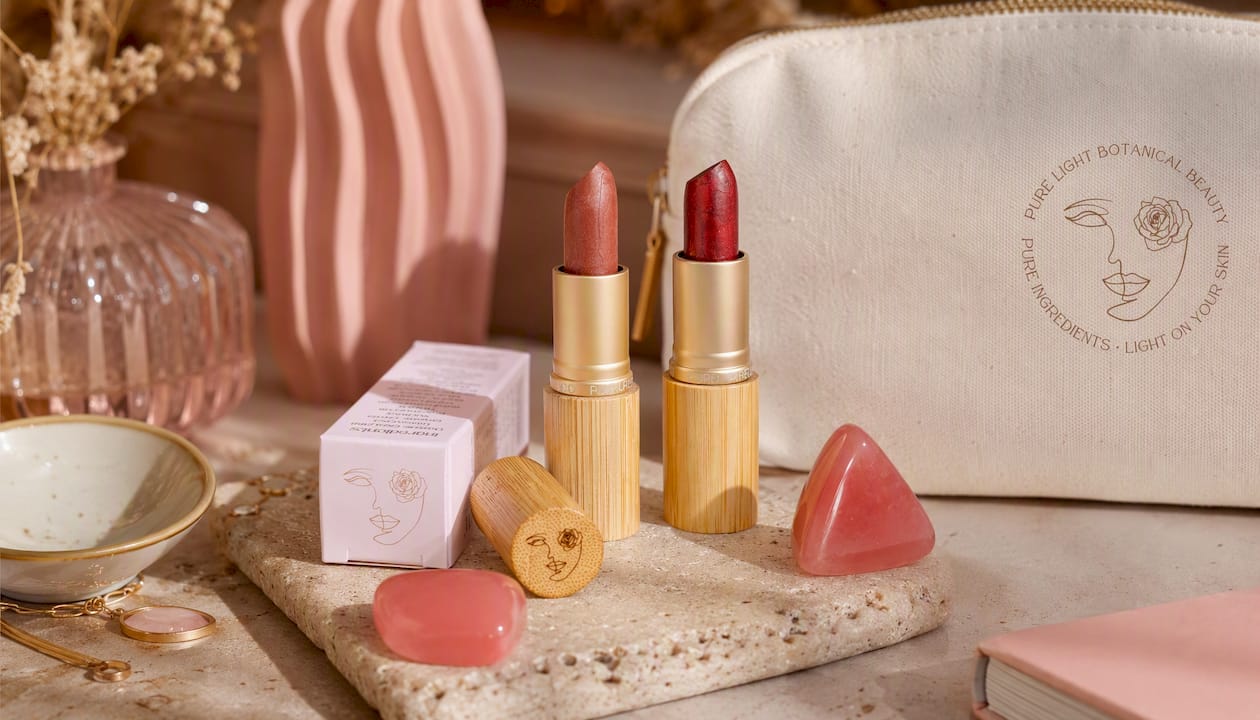
Purelightbotanicalbeauty’s Nourishing Lipstick line takes a different approach: plant-based oils and butters instead of petrolatum, with full ingredient transparency on every product page. The Nourishing Lipstick in Amber offers a warm, everyday tone built for comfort over irritation, while the Nourishing Lipstick in Cherry Quartz gives you a tinted option if you want color along with the nourishment. Neither promises a birthday cake scent, but both are formulated for lips that don’t tolerate synthetic fragrance well. Browse the shade options and check the full ingredient list on either product page before you decide which one fits your routine.
Sources for Ingredient and Safety Guidance
- Mayo Clinic — general guidance on patch testing and identifying skin sensitivities.
This article is general information, not a substitute for advice from a qualified doctor. Consult a qualified healthcare professional about your own circumstances before acting on anything here.
Recommended
- Do People With Celiac Disease Need Gluten-Free Chapstick? – Pure Light Botanical Beauty
- Crayola Lipstick: Is It Real, Safe, and Worth Buying? – Pure Light Botanical Beauty
- 8 Best Non Sticky Lipstick in 2026 – Expert Comparison – Pure Light Botanical Beauty
- The Balm Makeup: Bestsellers, Reviews, and Buying Guide – Pure Light Botanical Beauty