

If you’re searching for a beauty bar in Chicago built around plant-first cosmetics, Pure Light Botanical Beauty is the answer. This is a botanical beauty brand and buying destination, not a nightlife spot, and every formula is made to be gentle enough for sensitive, eczema-prone skin while still performing like the makeup you already love.
Here’s what you’ll find when you shop or book with us:
- Petal Perfect Lip Oil for hydration without synthetic fragrance
- Botanical Crème Blush for a soft, buildable flush
- Nourishing Lipstick with barrier-supporting botanicals
- Consultation and sampling options before you commit to a full-size product
Ready to see for yourself? Shop Pure Light Botanical Beauty and start with a product built for your skin, not against it.
Key Takeaways
Plant-based formulations backed by clinical testing, not just a “natural” label, are what actually reduce irritation risk for sensitive and eczema-prone skin.
| Point | Details |
|---|---|
| Verdict on Chicago beauty bars | Pure Light Botanical Beauty offers plant-first cosmetics and natural makeup services suited to sensitive skin. |
| Clinical evidence exists | An eight-week trial showed a plant-biotech moisturizer and gentle soap reduced eczema severity and itch. |
| “Natural” isn’t proof of safety | Essential oils and botanical extracts can still trigger contact dermatitis; fragrance-free labeling matters more. |
| Patch test before full use | Sample sizes and 48-hour forearm tests catch reactions before they reach your face. |
| Start with a trusted formula | Pure Light Botanical Beauty’s Petal Perfect Lip Oil and Nourishing Lipstick are built as fragrance-free, sample-friendly entry points. |
Useful Sources
- Plant-Biotech Moisturizer and Cold-Processed Soap Improve Atopic Dermatitis, Pruritus, and Biophysical Measures — Journal of Integrative Dermatology
- Applications of Plant-Based Materials in Cosmetics — IntechOpen
- Contact Dermatitis From Natural Skincare — FirstDerm
Table of Contents
- What Does a Plant-Based Beauty Bar in Chicago Actually Offer?
- Can Plant-Based Ingredients Really Help Sensitive or Eczema-Prone Skin?
- How Do You Choose Products or Services for Reactive Skin?
- What Happens When You Visit or Order From a Beauty Bar Like This?
- What Makes Pure Light Botanical Beauty Different?
- The Gap Between “Natural” Marketing and What Sensitive Skin Actually Needs
- Ready to Try a Beauty Bar Built for Sensitive Skin?
What Does a Plant-Based Beauty Bar in Chicago Actually Offer?
A beauty bar built around botanical formulations gives you three things at once: products you can trust on reactive skin, guidance on how to use them, and a way to try before you commit to a full size. That’s the model Pure Light Botanical Beauty follows, and it’s worth knowing exactly what falls under each category before you shop.
- Color cosmetics formulated for sensitive skin — Petal Perfect Lip Oil, Botanical Crème Blush, and Nourishing Lipstick anchor the line, each built on plant-based emollients instead of the synthetic fillers found in mass-market makeup.
- Tinted balms and lip treatments for anyone who wants a wash of color with the hydration profile of a skincare product.
- Natural makeup application services and consultations, where you talk through your skin history before anyone touches your face.
- Sample and patch-test-friendly formats, so a new botanical ingredient gets tested on your jawline before it goes anywhere near your eczema patches.
- Pop-ups and bundles that let you experience multiple products together, often at a better value than buying each piece separately.
The point of a plant-based beauty bar isn’t novelty. It’s giving you a smaller, more curated set of choices so you’re not guessing your way through a wall of products that all claim to be “clean.” You can read more about how plant-based skincare actually differs from what a drugstore shelf offers.
Can Plant-Based Ingredients Really Help Sensitive or Eczema-Prone Skin?
Yes, and there’s clinical evidence behind it, not just marketing language. An eight-week open-label clinical trial published in the Journal of Integrative Dermatology tested a plant-biotech moisturizer paired with a cold-processed soap on people with atopic dermatitis. The result: improvements in SCORAD scores (the severity index dermatologists use for eczema) and reductions in pruritus, the medical term for the itch that makes AD so uncomfortable.
The trial’s key finding: a regimen using a plant-biotech moisturizer with a gentle, cold-processed soap improved atopic dermatitis severity scores, itch intensity, and skin biophysical markers, without disrupting skin microbiome diversity.
What made the formulations work wasn’t just “plant-based” as a label. The soap kept a lower pH and preserved glycerin, making it less stripping than typical bar soap. The preservative systems used microbiome-friendly ingredients like lactobacillus ferments and coconut-oil derivatives, which supported barrier function instead of working against it. Broader industry literature echoes this: plant-derived materials tend to be rich in antioxidants, flavonoids, and soothing compounds like aloe vera, chamomile, and colloidal oatmeal, all of which show up frequently in formulations aimed at reactive skin.
Here’s the caveat that matters most, though:
- Plant-based does not automatically mean non-irritating. Botanical extracts and essential oils are common contact dermatitis triggers.
- Fragrance-free labeling matters more than “natural” labeling.
- Patch testing before full use remains the safest habit, even with a trusted brand.
The research supports formulated, tested combinations, not raw DIY plant remedies stirred up at home. That distinction is worth sitting with before you improvise your own eczema treatment from kitchen ingredients.
How Do You Choose Products or Services for Reactive Skin?
Evaluating a beauty bar for sensitive skin comes down to a short list of questions, not an exhaustive audit. Ask these before you buy anything, in person or online:
- Is it fragrance-free, not just unscented? Unscented products sometimes use masking agents to cover other scents, and those masking agents can irritate skin just as much as perfume does.
- Does the ingredient list disclose essential oils? If you’ve reacted to citrus, lavender, or tea tree before, check for them by name, not just “natural fragrance.”
- Are barrier-supporting ingredients present? Look for ceramides, colloidal oatmeal, glycerin, or sunflower seed oil. These rebuild the skin barrier rather than just sitting on top of it.
- Can you patch test before committing? A sample size or trial-friendly bundle should be available for anyone with a reactive skin history.
- Is the full ingredient list visible on the product page? If a brand won’t show you the formula, that’s a signal to keep looking.
Pro Tip: Apply a new product to the inside of your forearm for 48 hours before it goes anywhere near your face. Eczema-prone skin often reacts slower than “normal” skin, so a same-day check isn’t enough.
Staff at a genuine plant-first beauty bar should be able to answer these questions without hesitation. If they can’t name what’s in a product or explain why an ingredient is there, that tells you something about how the brand was built.
What Happens When You Visit or Order From a Beauty Bar Like This?
In person, the flow usually looks like this: a short consultation about your skin history, a patch test if you’re trying something new, the actual makeup application, and aftercare guidance you can take home. That sequence exists specifically because reactive skin doesn’t respond well to guesswork.
Ordering online follows a similar logic, just compressed into fewer steps:
- Sample sizes or discovery-style bundles let you test tolerance before buying full-size products.
- Shipping and return policies should be clearly stated, since a formula that works on one person’s skin may not work on yours, and that’s normal, not a flaw in the product.
- Transitioning one product at a time, rather than swapping your whole routine overnight, makes it far easier to trace a reaction back to its source if one shows up.
Hygiene matters more here than at a typical makeup counter. Testers should be sanitized or single-use, and staff trained on sensitive skin should default to caution rather than pushing a full-face demo on someone who mentions eczema. If you want a slower, lower-risk way to build a routine, this guide on transitioning to plant-based beauty walks through the pacing in more detail.
What Makes Pure Light Botanical Beauty Different?
Pure Light Botanical Beauty was built on a simple premise: makeup and skin healing don’t have to compete. Every formula blends the artistry of color cosmetics with botanical ingredients chosen for how they support skin health, not just how they photograph.
- Petal Perfect Lip Oil delivers hydration without the fragrance load that irritates reactive lips.
- Botanical Crème Blush uses plant-based pigments and emollients instead of synthetic fillers.
- Nourishing Lipstick is formulated with barrier-conscious ingredients suited to skin that reacts to conventional lip products.
Beauty rooted in nature isn’t about covering up. It’s about letting your skin do less defending and more healing, one product at a time.
Formulation choices like microbiome-friendly preservatives and barrier lipids aren’t cosmetic buzzwords here. They reflect the same practitioner-level thinking found in clinical research on plant-based topical care, applied to color cosmetics instead of medical treatments. You can explore the full range of plant-powered benefits behind the formulas.
The Gap Between “Natural” Marketing and What Sensitive Skin Actually Needs
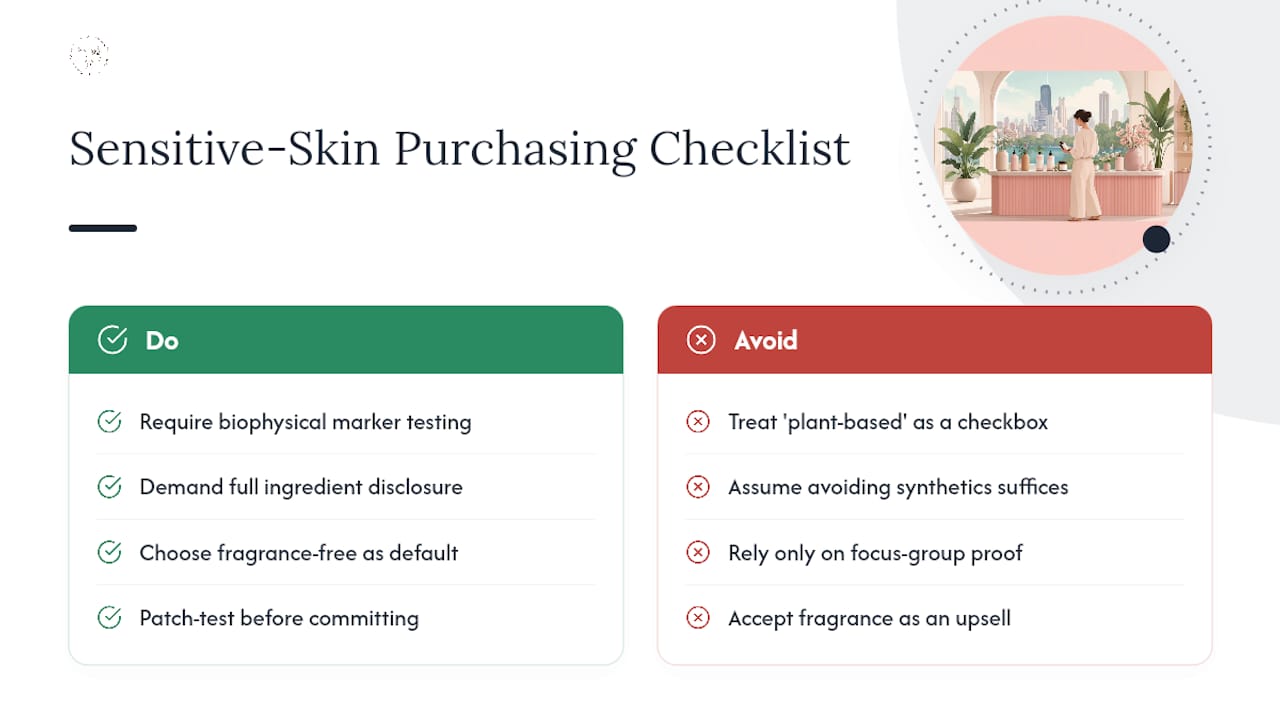
Most of the beauty industry treats “plant-based” as a marketing checkbox rather than a formulation discipline. That’s the biggest misconception worth correcting here. Slapping a leaf icon on a label doesn’t tell you whether a product contains essential oils that trigger flare-ups, or whether the brand tested its formula against anything more rigorous than a focus group.
The eight-week clinical trial on plant-biotech moisturizer and cold-processed soap matters precisely because it moved past that marketing layer. It measured actual biophysical markers, not just customer satisfaction scores. That’s the standard sensitive-skin shoppers should hold every “clean beauty” claim to, including ours.
Where conventional advice falls short is the assumption that avoiding synthetics is enough. It isn’t. Botanical ingredients carry their own allergen risks, and the honest answer is that no formula, plant-based or otherwise, is universally safe for every skin. What actually matters is transparency: full ingredient disclosure, fragrance-free formulation as the default rather than the upsell, and a genuine invitation to patch test before you commit. Prioritize that over the word “natural” on the label, every time.
Ready to Try a Beauty Bar Built for Sensitive Skin?
Skip the trial-and-error approach that comes with most beauty counters. Pure Light Botanical Beauty gives you formulas built from the ground up for reactive skin, so you’re not stuck returning half your makeup bag because of a fragrance you didn’t know was hiding in there.
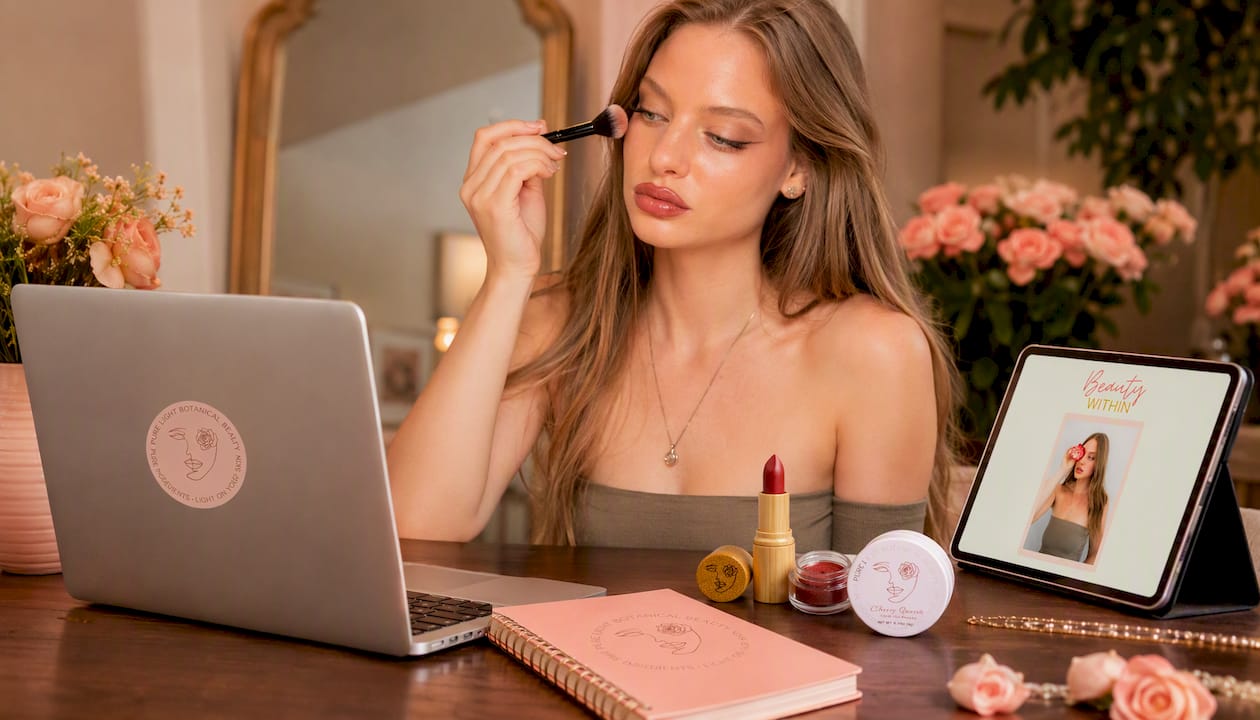
If you’re new to the brand, start with a sample-friendly bundle featuring Petal Perfect Lip Oil and Nourishing Lipstick, two of the gentlest entry points into the line. Both are fragrance-free formulations built around barrier-supporting botanicals, so you can patch test with confidence before committing to a full routine. Prefer a guided experience? Booking an in-person consultation lets you talk through your skin history and get personalized product matches on the spot, and an online chat option covers the same ground if you’re shopping from home.
Visit Pure Light Botanical Beauty to shop the current lineup or book a consultation today.