

Plant-based skincare refers to formulations where plant-derived ingredients supply the product’s primary functional effects, not just its marketing story. Before you reach for any bottle labeled “botanical” or “natural,” three signals matter most:
- Ingredient order on the INCI list: Active botanicals should appear near the top, not buried after fragrance or filler.
- Clear naming of actives and derivatives: Look for specific names like ascorbyl glucoside (a stable vitamin C derivative) or bakuchiol, not vague phrases like “botanical blend.”
- Formulation transparency: Brands that note delivery systems, concentration levels, or stability measures are telling you the ingredient was designed to actually work, not just appear on the label.
Plant-based skincare is a formulation philosophy, not a regulated purity claim. The U.S. Food and Drug Administration (FDA) does not define or certify “plant-based” as a cosmetic category, and the Cosmetic Ingredient Review (CIR) evaluates ingredient safety regardless of origin. That means the label alone guarantees nothing. Purelightbotanicalbeauty was built on exactly this understanding: that transparency about what’s inside a formula matters far more than the words printed on the front.
Table of Contents
- What are the real benefits of plant-based skincare?
- What do “plant-based,” “vegan,” “natural,” and “organic” actually mean?
- Your ingredient cheat sheet: key plant-derived actives explained
- How do plant-derived actives actually behave in a formula?
- How to choose plant-based skincare products that actually work
- Safety, allergies, and the real limits of plant-based skincare
- Key Takeaways
- A note from the heart of botanical beauty
- Purelightbotanicalbeauty: plant-based beauty formulated for your skin’s wellbeing
- Authoritative sources for further reading
What are the real benefits of plant-based skincare?
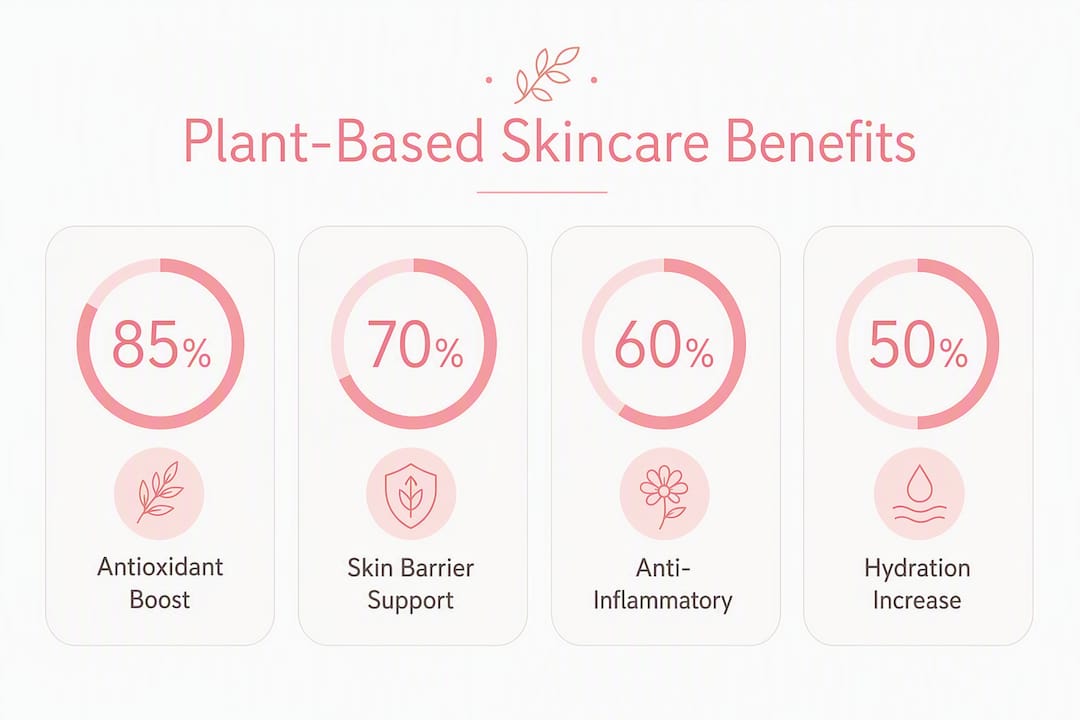
Plant-derived formulas can deliver meaningful skin benefits, but the key word is can. The biochemical richness of plants, specifically their specialized metabolites including flavonoids, phenolic acids, terpenoids, saponins, and polysaccharides, gives them genuine antioxidant, anti-inflammatory, photoprotective, and antimicrobial activity. These aren’t marketing claims; they’re documented in comprehensive reviews of plant metabolite science.
For sensitive skin, the case is particularly compelling. Plant-based formulas often avoid certain synthetic irritants and leverage botanicals that support the skin barrier and microbiome, though formulation and preservative systems remain critical to that gentler profile. A safety validation study of 50 plant-derived materials found most samples showed acceptable safety profiles in in vitro and limited human testing, with some demonstrating wound-healing and barrier benefits.
What the research actually supports: antioxidant protection, anti-inflammatory calming, photoprotective potential, barrier reinforcement, and gentler tolerability for many users, provided the formula is built to deliver those effects at the skin level.
The phrase “provided the formula is built to deliver” carries real weight. Antioxidant activity from vitamin C, for example, depends on using a stable derivative like ascorbyl glucoside or sodium ascorbyl phosphate at an effective concentration, not simply listing “vitamin C” on the label. Barrier support from botanical oils requires the right fatty acid profile and a preservation system that keeps the formula stable through its shelf life.
Pro Tip: When evaluating benefit claims, look for products that name the specific active and its derivative form. “Vitamin C” tells you almost nothing; “ascorbyl glucoside 5%” tells you the formula was designed with delivery in mind.

You can read more about plant-based benefits for sensitive skin and how botanical ingredients support the skin barrier in ways that conventional formulas often overlook.
What do “plant-based,” “vegan,” “natural,” and “organic” actually mean?
These four labels sound related but guarantee very different things. Confusing them is one of the most common and costly mistakes shoppers make.
| Label | What It Means | What It Does NOT Guarantee |
|---|---|---|
| Plant-based | Primary functional ingredients are plant-derived | Minimal processing, purity, or regulated concentration |
| Vegan | No animal-derived ingredients or byproducts | Plant origin, organic sourcing, or cruelty-free testing |
| Natural | Ingredients sourced from nature (broad, unregulated) | Safety, efficacy, or absence of synthetic processing aids |
| Organic | Certified (e.g., USDA Organic, ECOCERT) to organic farming standards | That the whole formula is organic or that actives are at effective levels |
| Conventional | Synthetic or mixed origin; optimized for stability and performance | Harshness or unsuitability for sensitive skin |
The “plant-derived” designation describes raw feedstock origin, not the final molecule. Vitamin C derivatives, for instance, are frequently stabilized or chemically modified to improve penetration and shelf stability. That modification isn’t a flaw; it’s often what makes the ingredient usable and effective at scale. A heavily processed plant-derived molecule can outperform a raw botanical extract precisely because the processing solved a bioavailability problem.
Practical label-check actions: scan the INCI list for botanical names in Latin (Camellia sinensis, Matricaria chamomilla), look for third-party certification logos like USDA Organic or ECOCERT when organic sourcing matters to you, and treat any formula that lists “fragrance” or “parfum” high on the list with caution, especially for sensitive skin.
Pro Tip: Vegan and plant-based are not synonyms. A vegan formula can contain synthetic ingredients with no botanical origin. If plant-derived actives are your priority, read the INCI list rather than relying on the front-of-pack claim.
For a deeper look at how vegan and plant-based claims differ in practice, vegan cosmetics for sensitive skin breaks down the distinction with real product context.
Your ingredient cheat sheet: key plant-derived actives explained
The table below covers the must-know botanical actives, their primary functions, and which skin concerns they address. Use it while reading product labels.
| Ingredient (INCI Name) | Primary Function | Best For |
|---|---|---|
| Chamomile (Matricaria chamomilla) | Anti-inflammatory, soothing | Sensitive, reactive, redness-prone skin |
| Green tea (Camellia sinensis) extract | Antioxidant, photoprotective | Aging concerns, UV-stressed skin |
| Vitamin C (ascorbic acid / derivatives) | Brightening, antioxidant, collagen support | Hyperpigmentation, dull skin |
| Jojoba oil (Simmondsia chinensis) | Emollient, barrier support | Dry, combination, acne-prone skin |
| Tocopherol (Vitamin E) | Antioxidant, skin conditioning | Dry skin, barrier repair |
| Bakuchiol | Retinol-like cell renewal, anti-aging | Sensitive skin avoiding retinol |
| Hyaluronic acid | Humectant, hydration | All skin types, especially dehydrated |
| Azelaic acid | Brightening, anti-inflammatory, exfoliant | Acne, rosacea, hyperpigmentation |
| Niacinamide (Vitamin B3) | Pore-minimizing, brightening, barrier support | Oily, acne-prone, uneven tone |
| Centella asiatica | Wound-healing, barrier repair, calming | Sensitive, compromised, post-procedure skin |
A few distinctions worth noting:
- True actives vs. botanical extras: An ingredient is a true active when it’s named specifically, appears high on the INCI list, and has a documented mechanism. Chamomile extract listed near the bottom of a 30-ingredient formula is likely present for scent or marketing, not therapeutic effect.
- Hyaluronic acid is technically fermentation-derived in most commercial formulas, though it can be plant-sourced. Either way, its humectant function is identical.
- Bakuchiol is the standout plant-derived retinol alternative: it delivers cell-renewal and smoothing activity with a gentler tolerability profile, making it especially relevant for those with reactive or eczema-prone skin.
How do plant-derived actives actually behave in a formula?
The origin story of an ingredient matters far less than its molecular behavior once it’s inside a formulation. Concentration, molecular polarity, stability, and delivery method determine whether a botanical active reaches the skin layers where it can do its work.
Stability is the first hurdle. Many plant actives, particularly vitamin C (ascorbic acid) and certain polyphenols, oxidize quickly when exposed to light or air. Formulators address this by using stabilized derivatives or encapsulation technologies. Nanocarriers, including nanoemulsions, nanogels, and liposomes, have been shown in multiple in vitro, in vivo, and clinical studies to improve bioavailability, controlled release, and skin penetration of phytochemicals compared to conventional formulations.
Encapsulation and nanotechnology approaches can improve delivery and provide superior efficacy in trials, but they also require rigorous stability and manufacturing controls to translate those benefits reliably to the consumer product.
Bakuchiol illustrates this principle well. At properly formulated concentrations, such as 1%, it has demonstrated retinol-like results for cell renewal and smoothing while minimizing the redness and flaking that retinol often causes. The concentration and formulation context are what make that performance possible; the plant origin alone does not.
For shoppers, the consumer-facing signals of good formulation science include: named derivatives rather than generic ingredient names, storage instructions (dark glass, pump dispensers, refrigeration recommendations), and brand disclosures about encapsulation or delivery systems. These details signal that a brand understands the role of science in botanical beauty and has formulated accordingly.
How to choose plant-based skincare products that actually work
A clear decision framework cuts through the noise on any product label.
- Identify the active(s) you need for your skin concern before you shop, so you’re evaluating a formula against a specific goal.
- Check ingredient order on the INCI list. Actives in the top third of the list are present at meaningful levels; those near the bottom are likely trace amounts.
- Look for derivative naming. “Ascorbyl glucoside” or “retinyl palmitate” signals a stabilized, functional form. Generic names like “vitamin C” or “retinol complex” without further detail are less informative.
- Note formulation details. Encapsulation mentions, pH-adjusted formulas, or airless packaging all suggest the brand has considered stability and delivery.
- Check the preservative system. Plant-based products still require preservation. Phenoxyethanol, sodium benzoate, or natural alternatives like rosemary extract are reasonable; no preservative at all in a water-containing formula is a red flag.
- Confirm third-party certifications when organic sourcing or cruelty-free status matters to you. USDA Organic, ECOCERT, and Leaping Bunny are the most recognized in the U.S. market.
Red flags to walk away from:
- Vague botanical names (“herbal extract,” “plant complex”) with no Latin INCI identification
- Fragrance or parfum listed in the first five ingredients, especially for sensitive skin
- Overclaiming without evidence (“reverses aging,” “clinically proven” with no study reference)
- Water-based formulas with no visible preservative system
Pro Tip: When introducing a new botanical active, patch test on the inner forearm for 48–72 hours before applying to your face. This is especially important with actives like azelaic acid, essential oil-containing formulas, and Centella asiatica, which, despite its calming reputation, can occasionally trigger sensitivity in reactive skin.

Safety, allergies, and the real limits of plant-based skincare
“Natural” does not mean harmless. This is one of the most important things to understand before building a plant-based routine.
Natural botanical formulations can vary in scent and minor composition between harvests because harvest conditions alter phytochemical profiles. Transparent brands disclose batch notes and storage recommendations to help set realistic expectations.
Essential oils are among the most common botanical sensitizers. Lavender, citrus, and tea tree oils, despite their popularity, carry documented sensitization risk with repeated exposure, particularly in leave-on products. Certain botanical acids, including those derived from willow bark (salicin) or fruit enzymes, can also cause irritation at higher concentrations or in compromised skin.
A safety validation study of 50 plant-derived materials found that while most showed acceptable safety profiles, the results varied by material and testing context. “Acceptable” in a controlled study doesn’t automatically translate to safe for every individual, particularly those with eczema, rosacea, or known botanical allergies.
Preservative systems deserve equal attention. A plant-based formula without adequate preservation is a microbial risk, regardless of how clean its ingredient list looks. Water-containing products need a preservative; the absence of one is a formulation problem, not a purity feature.
Stop using a product and consult a dermatologist if you experience: persistent redness, swelling, stinging that doesn’t resolve within 24 hours, or any blistering after applying a botanical product. These are signs of a reaction that goes beyond normal adjustment.
Key Takeaways
Plant-based skincare works when plant-derived actives are formulated at effective concentrations with the delivery systems and preservation needed to reach and protect the skin.
| Point | Details |
|---|---|
| Definition | Plant-based skincare means plant-derived ingredients supply the primary functional effects, not just the label story. |
| Shopping rule: ingredient order | Actives in the top third of the INCI list are at meaningful levels; those near the bottom are likely trace amounts. |
| Shopping rule: formulation details | Look for named derivatives, encapsulation notes, and proper preservation as signals of a science-backed formula. |
| Safety reminder | Natural does not equal gentle; patch test new botanicals for 48–72 hours and verify the preservative system. |
| Purelightbotanicalbeauty | Formulates clean, plant-based products with sensitive skin and eczema-prone skin in mind, combining botanical actives with transparent ingredient practices. |
A note from the heart of botanical beauty
There’s something quietly powerful about choosing products that work with your skin rather than against it. When I think about what drew me to plant-based formulation, it wasn’t a trend. It was the realization that the most sophisticated chemistry nature has ever produced, those specialized plant metabolites refined over millions of years, was sitting right there, waiting to be understood and applied with care.
What I’ve come to believe, and what the science increasingly supports, is that the gap between “natural” and “effective” closes the moment you take formulation seriously. Purelightbotanicalbeauty was built on that conviction. Every product in the line, from the Petal Perfect Lip Oil to the Botanical Crème Blush, starts with botanicals chosen for documented function and ends with a formula designed to deliver them where your skin actually needs them. For those navigating sensitive skin or eczema, that meticulous approach isn’t a luxury; it’s the whole point.
My encouragement to you: bring your label literacy to every purchase. Combine it with a patch test, and when your skin is telling you something, listen. A dermatologist’s guidance and your own skin’s response are always the most honest data you have.
Purelightbotanicalbeauty: plant-based beauty formulated for your skin’s wellbeing
For those who’ve done the research and want a brand that has done it too, Purelightbotanicalbeauty offers clean, plant-based makeup and skincare formulated specifically for sensitive and eczema-prone skin. The difference isn’t just the ingredient list; it’s the intention behind every formula: botanical actives chosen for function, transparent labeling, and products designed to nourish as they perform.
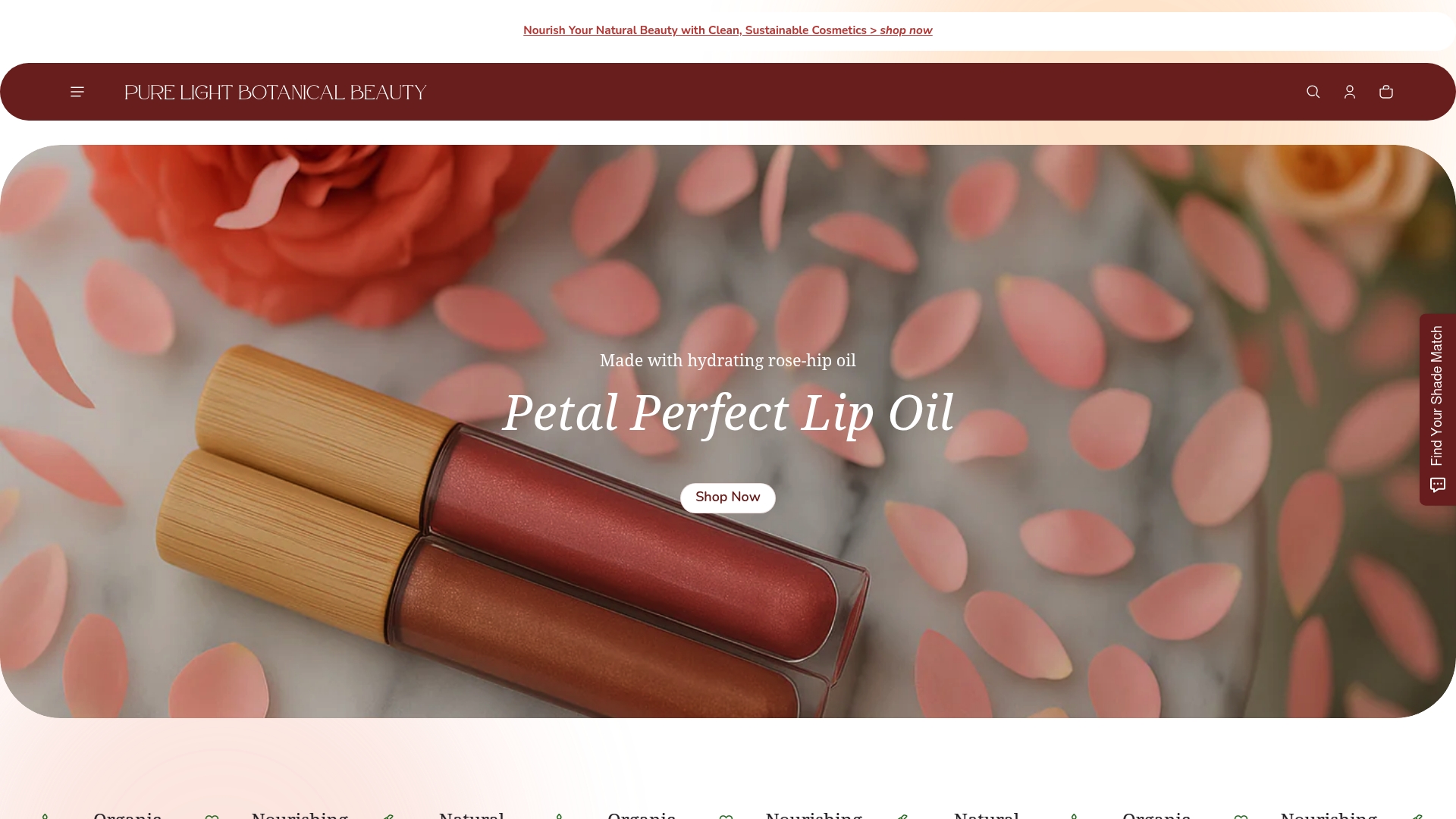
The Petal Perfect Lip Oil, Botanical Crème Blush, and Nourishing Lipstick each carry that same philosophy: color that cares for your skin rather than simply sitting on top of it. If you’ve been searching for products that honor both your skin’s sensitivity and your desire to feel genuinely beautiful, this is where that search ends. Visit Pure Light Botanical Beauty to explore the full collection and find the formula your skin has been waiting for.
Authoritative sources for further reading
- Biochemical Insights into Specialized Plant Metabolites (ResearchGate review): Foundational reference for understanding flavonoids, phenolic acids, terpenoids, and their antioxidant and anti-inflammatory mechanisms in cosmeceuticals.
- Plant-derived bioactive compounds in nanocarrier systems for dermatological applications (Springer): Primary source for delivery system science, including nanoemulsions, liposomes, and encapsulation approaches that improve phytochemical bioavailability.
- Safety validation of plant-derived materials for skin application (MDPI): Documents in vitro and human testing of 50 plant-derived materials; supports both the benefits and safety limitations sections.
- Applications of plant-based materials in cosmetics (IntechOpen): Broad review of plant ingredient roles, formulation challenges, and sustainability considerations.
- What “Plant-Based” Actually Means (Suhu): Industry commentary on the gap between origin claims and molecular reality; useful for understanding derivatives and stabilization.
- What is plant-based skincare? (Blackbird Skincare): Practical formulation perspective on INCI literacy and why ingredient order matters for shoppers.
- U.S. Food and Drug Administration (FDA) cosmetics guidance: The regulatory baseline for cosmetic ingredient safety claims in the U.S. market; confirms that “plant-based” carries no regulated definition.
- Cosmetic Ingredient Review (CIR) safety assessments: Independent safety reviews of individual cosmetic ingredients, including many botanical actives; a reliable reference for ingredient-level safety data.
Recommended
- Plant-powered beauty: Benefits and sensitive skin solutions – Pure Light Botanical Beauty
- Plant-Based Beauty: Transformative Benefits for Sensitive Skin – Pure Light Botanical Beauty
- Plant-based beauty tips for sensitive skin and growth – Pure Light Botanical Beauty
- Plant-Powered Beauty Tips: Nourish Sensitive Skin Naturally – Pure Light Botanical Beauty