

TL;DR:
- Luminous skin reflects light evenly due to a healthy barrier, steady cell turnover, and proper hydration.
- Consistent skincare supporting these factors enhances natural radiance, while over-exfoliation and neglecting SPF can dull the glow.
Luminous skin is skin that reflects light evenly, a visible sign of an intact barrier, steady cell turnover, and consistent hydration. It is not shimmer. It is not a filter. It is what happens when your skin is genuinely healthy at a structural level, and the science behind it is both measurable and achievable.
Three things produce and preserve it:
- Barrier health: An intact stratum corneum keeps moisture in and irritants out, creating the smooth surface that reflects light uniformly rather than scattering it.
- Steady cell turnover: Fresh skin cells at the surface prevent the buildup of dead, uneven texture that makes skin look flat and dull.
- Sun protection: Daily broad-spectrum SPF preserves collagen and prevents the uneven pigmentation that breaks up light reflection.
Everything else, the serums, the masks, the botanical oils, works in service of these three foundations.
Table of Contents
- What luminous skin actually looks like (and how it differs from oily)
- Why your skin looks luminous: the biology behind the glow
- Your daily and weekly routine for lasting luminosity
- Which ingredients actually support luminous skin
- Habits that quietly undo your glow
- How long does it take to see real results
- How researchers define and measure luminosity
- Key Takeaways
- The glow that comes from caring for yourself
- Plant-forward skincare that supports your natural glow
What luminous skin actually looks like (and how it differs from oily)
True luminosity has a specific visual signature, and once you know it, you can tell it apart from shine or greasiness at a glance. Luminous skin has an even tone across the face, a smooth microrelief (the fine surface texture visible in raking light), and a soft, hydrated sheen that catches light without looking wet or slick. Your pores, freckles, and fine lines may still be visible. Luminosity does not erase features; it softens the way light moves across them.
Oily or shiny skin, by contrast, reflects light in concentrated patches, typically the T-zone, while other areas look flat or uneven. The reflection is directional and harsh rather than diffuse and soft. Dehydrated skin, even when it produces excess oil as compensation, tends to look dull because the surface is rough at a microscopic level and scatters light rather than reflecting it.
True luminosity is a diffuse, even glow that makes skin look alive and hydrated from within. It is the opposite of both matte flatness and greasy shine, and it shows up most clearly in natural daylight.
A quick self-check in natural light (not bathroom overhead lighting) tells you a lot. Look for:
- Even reflection across the cheeks, forehead, and chin
- A soft glow rather than a concentrated shine on the nose or forehead
- Skin that looks plump and settled, not tight, flaky, or slick
Why your skin looks luminous: the biology behind the glow
Skin luminosity is not a single trait. It is an emergent perceptual category, meaning it arises from the interaction of several biological and optical factors at once. Dermatology researchers measure it using the L* axis on the Lab* color space (where higher L* values indicate greater lightness and luminosity) and with instruments like the Glossymeter and colorimeter. When those readings improve, the skin genuinely looks brighter to observers.
The key biological drivers are:
- Stratum corneum integrity: The outermost skin layer acts as a light-reflective surface. When it is well-organized and hydrated, it reflects light uniformly. When it is compromised by dryness, inflammation, or over-exfoliation, the surface becomes irregular and scatters light in multiple directions, producing dullness.
- Hydration: Water content in the epidermis plumps cells and smooths the surface, directly improving light reflection. This is why well-hydrated skin looks visibly brighter even before any active ingredients take effect.
- Micro-relief organization: The fine topographic pattern of skin (dermatoglyphics) affects how light interacts with the surface. Smoother micro-relief means more uniform reflection.
- Pigment distribution: Uneven melanin distribution, from sun damage, post-inflammatory hyperpigmentation, or hormonal changes, creates areas that absorb rather than reflect light, breaking up the even glow.
- Microcirculation: Healthy blood flow contributes a warm, vital undertone that observers read as radiance.
Pro Tip: If your skin looks dull in the morning despite a solid nighttime routine, check your sleeping position. Pressing your face into a pillow restricts microcirculation and can temporarily flatten your skin’s natural glow by morning.
Your daily and weekly routine for lasting luminosity
Consistency matters more than complexity here. A refined, repeatable routine built around barrier support and controlled renewal will outperform an elaborate one you abandon after two weeks.
Morning routine:
- Gentle, low-pH cleanser (avoid sulfate-heavy formulas that strip the barrier)
- Antioxidant serum, ideally a stabilized vitamin C (L-ascorbic acid or ascorbyl glucoside), applied to slightly damp skin
- Hydrating moisturizer with ceramides or hyaluronic acid
- Broad-spectrum SPF 30 or higher, every single day, regardless of weather
Evening routine:
- Double cleanse if you wore SPF or makeup (oil-based cleanser first, then a gentle water-based one)
- Targeted serum: a hydrating serum (hyaluronic acid, niacinamide) on most nights; a low-concentration retinoid or AHA on alternating nights once your barrier is stable
- Nourishing moisturizer, slightly richer than your daytime formula, to support overnight repair
Weekly additions:
- Gentle chemical exfoliation once or twice per week (AHA like glycolic or lactic acid, or a PHA for sensitive skin). Never daily.
- A hydrating mask after exfoliation to replenish moisture and calm the barrier
- Optional: a light enzyme exfoliant (papain or bromelain-based) as a gentler alternative to acids
For layering skincare products correctly, the general rule is thinnest to thickest: water-based serums before moisturizer, moisturizer before SPF. Vitamin C and niacinamide can be used together in modern formulations despite older advice to the contrary.
Pro Tip: Apply your hyaluronic acid serum to damp skin, then seal it immediately with moisturizer. Hyaluronic acid draws moisture from the environment, and in dry climates it can pull from the deeper layers of your skin if left unsealed, which works against you.

Lifestyle factors carry real weight here too. Poor sleep weakens the skin barrier and accelerates visible aging, while chronic stress elevates cortisol and promotes inflammation, both of which dull the complexion. Diet rich in antioxidants and consistent UV protection help preserve the glow you are building topically.

Which ingredients actually support luminous skin
Not every ingredient marketed for “glow” works the same way or at the same depth. Understanding the distinction between immediate optical effects and long-term biological change helps you build a routine that delivers both.
| Ingredient | Primary mechanism | Best use | Key notes |
|---|---|---|---|
| Hyaluronic acid | Humectant; draws and holds water in the epidermis | Morning and evening serums | Apply to damp skin; seal with moisturizer |
| Ceramides | Restore barrier lipids; reduce transepidermal water loss | Moisturizers, barrier repair creams | Safe for daily use, including sensitive and eczema-prone skin |
| Vitamin C (stabilized) | Inhibits melanin synthesis; supports collagen; antioxidant | Morning serum under SPF | Look for L-ascorbic acid or ascorbyl glucoside for stability |
| AHAs (glycolic, lactic) | Chemical exfoliation; accelerates cell turnover; smooths micro-relief | 1–2x per week, evening | Start at lower concentrations; follow with barrier support |
| BHAs (salicylic acid) | Oil-soluble exfoliation; clears pores; anti-inflammatory | 1–2x per week, evening | Particularly useful for acne-prone or congested skin |
| PHAs (gluconolactone) | Gentle exfoliation; humectant properties | 1–2x per week | Best option for sensitive or reactive skin |
| Niacinamide | Reduces redness; strengthens barrier; regulates sebum | Morning or evening; pairs well with most actives | 4% concentration is the studied range |
| Silicone derivatives | Physically fills surface irregularities; reflects light | Primers, finishing products | Immediate optical effect only; does not repair the barrier |
| Mica and light-reflective particles | Scatter and reflect light for instant luminosity | Makeup, highlighters | Cosmetic effect; no biological benefit |
The distinction between the last two rows and everything above them is worth sitting with. Silicone derivatives and mica create immediate, beautiful optical smoothing by filling dermatoglyphics and reflecting light. They are genuinely useful, especially for events or photography. But they do not substitute for repairing the stratum corneum. For lasting luminosity, the biological work comes first.
For botanical ingredients that support glow, rosehip oil is a well-studied plant-based option. It contains linoleic acid and natural carotenoids that support barrier repair and tone evenness over time.
- Pair vitamin C with SPF in the morning for maximum brightening and protection
- Introduce retinoids slowly (every third night, then alternate nights) to avoid barrier disruption
- After any exfoliation session, follow with ceramide-rich moisturizer to restore what you removed
Habits that quietly undo your glow
The fastest way to lose luminosity is repetitive barrier assault. Most people who struggle with persistent dullness are not missing a miracle ingredient; they are doing something that undermines the barrier faster than their routine can repair it.
- Daily harsh scrubs or strong acids: Physical scrubs with large, irregular particles and daily high-concentration acid use both damage the stratum corneum. The resulting inflammation scatters light and produces the flat, reddish dullness that no highlighter can fix. The fix: limit chemical exfoliants to once or twice weekly and retire the walnut-shell scrub entirely.
- Skipping sunscreen: UV exposure degrades collagen, triggers melanin overproduction, and creates the uneven pigmentation that breaks up light reflection. This is the single most preventable cause of long-term luminosity loss. Daily SPF 30 or higher is non-optional.
- Treating glow as a makeup problem: Layering shimmer, highlighter, and luminizing primer over dehydrated, barrier-compromised skin creates a surface that looks sparkly but not healthy. The shimmer draws attention to texture rather than smoothing it. Glow from within requires the biological work first.
- Heavy occlusive makeup over unprepped skin: Thick, full-coverage formulas applied without a hydrating base can emphasize dry patches and fine lines, making skin look more textured, not less.
Pro Tip: If you notice your skin looks dull a few days after exfoliating rather than brighter, you are likely over-exfoliating. Scale back to once a week and add a ceramide moisturizer the same evening as your acid. The brightness should return within a week.
How long does it take to see real results
Realistic expectations protect you from abandoning a routine that is actually working. The timeline for luminosity improvements follows the biology of skin renewal, and it is measured in weeks and months, not days.
Skin does not transform overnight. The stratum corneum renews roughly every two to four weeks, and meaningful changes in tone and texture typically require two to three full renewal cycles. Patience is not passive; it is the active ingredient most routines are missing.
Here is what the timeline generally looks like:
Immediately to one week: Emollients and silicone-based products produce visible smoothing and a soft optical glow within hours of application. Hydration from hyaluronic acid and moisturizers creates visible plumpness quickly. These are real improvements, but they are surface-level and temporary without the biological foundation beneath them.
4–8 weeks: With consistent barrier support, gentle exfoliation, and daily SPF, most people notice reduced dullness, more even hydration, and a softer overall texture. This reflects genuine improvement in stratum corneum organization and cell turnover rhythm.
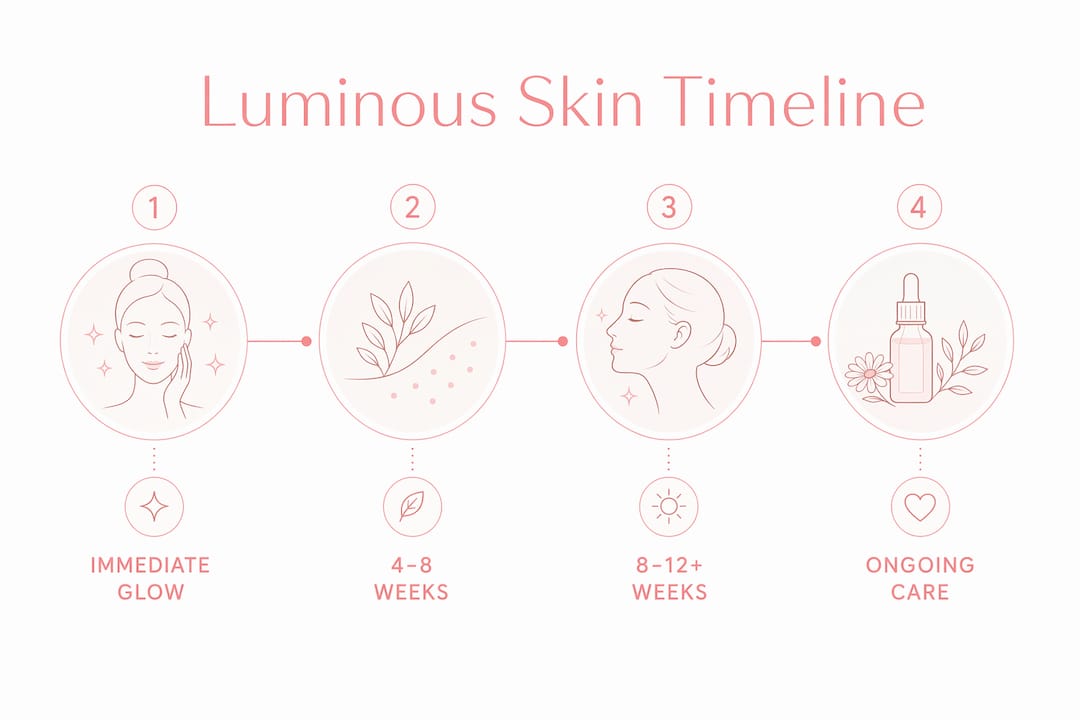
8–12+ weeks: Tone-evening effects from vitamin C, retinoids, and controlled exfoliation become visible. Collagen-supporting changes from consistent SPF use and antioxidant serums accumulate. If you are not seeing meaningful improvement by the 12-week mark, a board-certified dermatologist can assess whether an underlying condition (rosacea, hormonal changes, compromised barrier) needs targeted treatment.
Track progress by photographing your skin in the same natural light, at the same time of day, once every two weeks. Texture and hydration changes are often visible before tone changes, so look for those first.
How researchers define and measure luminosity
Luminosity is not just a feeling or a marketing claim. Dermatology researchers treat it as a measurable emergent perceptual category, distinct from skin firmness, surface evenness, and tone evenness, though all four interact.
Radiance results from complex optical interactions between light and skin structure. Clinical studies translate these interactions into measurable endpoints using colorimeters and Glossymeters, giving researchers objective data where perception alone would be unreliable.
The key measurement tools and what they reveal:
- Colorimeter (Lab color space):* The L* axis measures luminosity directly, with higher values indicating a brighter, more luminous surface. Increases in L* after treatment confirm that an intervention genuinely improved light reflection, not just skin feel.
- Glossymeter: Measures the specular reflection of skin, quantifying how much light bounces back from the surface in a uniform direction. Higher gloss readings correlate with smoother micro-relief and better hydration.
- Clinical visual grading: Trained assessors score radiance on standardized scales, providing a perceptual complement to the instrument data.
What this means for your routine: when a product claims to improve luminosity in a clinical study, look for L* axis data or Glossymeter readings as the evidence. Subjective “skin looks brighter” ratings alone are less reliable. The multi-layer nature of glow, spanning epidermal thickness, stratum corneum quality, pigment distribution, and microcirculation, also explains why single-ingredient approaches rarely produce dramatic results. Effective routines address several of these layers simultaneously.
Key Takeaways
Luminous skin is the measurable result of barrier integrity, hydration, and controlled cell renewal, and it responds to consistent, science-backed care rather than quick cosmetic fixes.
| Point | Details |
|---|---|
| Definition of luminous skin | Even light reflection produced by an intact barrier, steady cell turnover, and proper hydration. |
| Top 3 daily actions | Apply stabilized vitamin C in the morning, use a ceramide moisturizer, and wear broad-spectrum SPF 30+ every day. |
| Exfoliation discipline | Limit chemical exfoliants to once or twice weekly; daily use damages the barrier and causes inflammation-related dullness. |
| Timeline for results | Surface hydration improves within days; meaningful tone and texture changes take 4–12 weeks of consistent care. |
| Purelightbotanicalbeauty | Plant-based formulas with ceramides and botanical actives support barrier repair and gentle brightening for sensitive and everyday skin. |
The glow that comes from caring for yourself
I believe luminous skin is one of the most honest reflections of how we treat ourselves over time. Not the shimmer we add on top, but the quiet, steady radiance that builds when we choose consistency over quick fixes, gentleness over aggression, and nourishment over correction.
What strikes me most about the science is how it mirrors something deeper. The skin’s ability to reflect light evenly is a direct consequence of its health, its resilience, its capacity to repair and renew. And that is true of us, too. The women I admire most do not glow because they found the perfect serum. They glow because they have learned to care for themselves with the same meticulous attention they give to everything else in their lives.
For those with sensitive skin, eczema, or a compromised barrier, the path to luminosity is not about adding more. It is about removing what harms and restoring what heals. Botanical, gentle formulations built around barrier lipids, plant-based antioxidants, and clean ingredients are not a compromise; they are often the most direct route. A natural radiance guide grounded in skin health will always serve you better than a shelf full of actives you are not sure how to use together.
Glow is the long game. And it is worth playing.
Plant-forward skincare that supports your natural glow
Purelightbotanicalbeauty was built on the conviction that your skin does not need to be corrected. It needs to be supported. Every formula in the line, from the Botanical Crème Blush to the Petal Perfect Lip Oil, is crafted with clean, plant-based ingredients chosen for their ability to nourish the barrier, calm inflammation, and let your natural light come through rather than covering it.
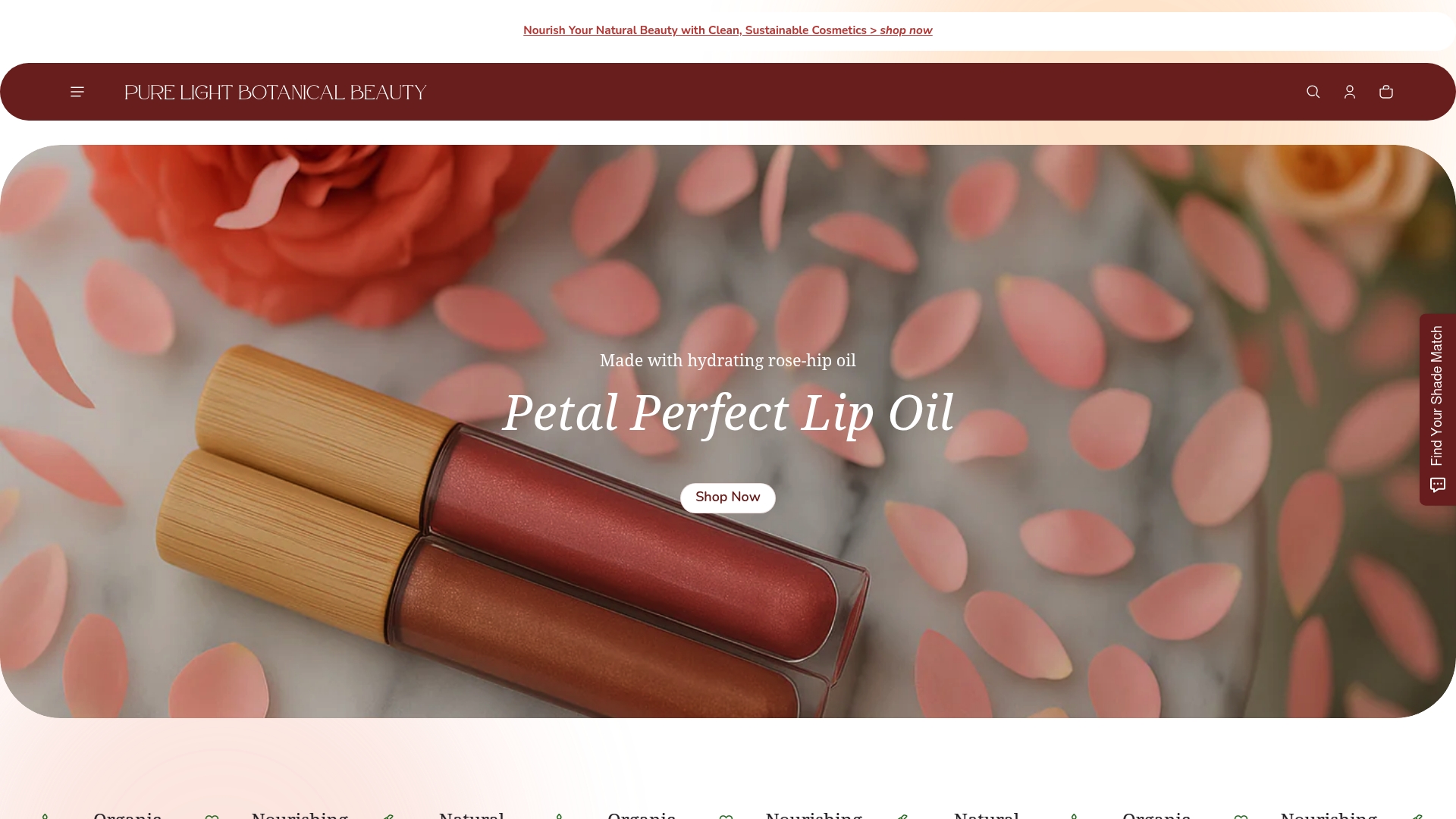
For readers working through the routine and ingredient guidance in this article, Purelightbotanicalbeauty’s formulations offer a gentle, effective complement. The plant-based actives support hydration and barrier repair without the harsh surfactants or synthetic fillers that undermine the luminosity you are working to build. Patch testing is always recommended, especially for sensitive or eczema-prone skin, and pairing any new product with daily SPF remains the foundation.
Visit Pure Light Botanical Beauty to explore the full collection and find the plant-forward formulas that fit your skin’s needs.
Recommended
- What to Use to Make Your Skin Glow Naturally Every Day – Pure Light Botanical Beauty
- What Products Make Skin Glow Naturally Step-by-Step – Pure Light Botanical Beauty
- Steps to Glowing Skin: Your Natural Radiance Guide – Pure Light Botanical Beauty
- Glowing Skin Secrets: Reveal Radiance Naturally Every Day – Pure Light Botanical Beauty