

TL;DR:
- A simple three-minute ritual combining slow exhalations, facial touch, and one product can quickly calm the nervous system.
- Repeating paced breathing with sensory cues activates the parasympathetic nervous system, promoting rest and relaxation.
You can downshift in three minutes by pairing slow exhalations with a grounding facial touch while applying a single product. That is the whole ritual. Everything else in this article builds on that one truth.
Try it now:
- Warm a small amount of facial oil or moisturizer between your palms for five seconds.
- Press both palms gently over your face and inhale for 4 counts.
- Exhale slowly for 8 counts while you begin applying the product outward from the center of your face toward your ears.
- Repeat the breath cycle several times as you finish the application.
- Close with one slow exhale and let your hands rest at your sides.
Breathing anchor: Inhale 4 counts, exhale 8 counts. Three full cycles take a few minutes and is enough to shift your nervous system out of high alert.
The exhale is the key. A longer out-breath than in-breath activates the parasympathetic nervous system, the body’s natural rest response. You do not need a spa, a long evening, or an elaborate product lineup. One product, one breath pattern, three minutes.
Table of Contents
- Why beauty rituals calm your nervous system
- Eight calming beauty rituals worth trying
- How to turn any skincare step into a relaxation ritual
- What tools and props actually support relaxation
- Five ready-to-use mini-rituals for real life
- Skin sensitivity, tool safety, and when to pause
- Key Takeaways
- Why rituals are worth protecting, even on hard days
- Ritual-ready products from Purelightbotanicalbeauty
Why beauty rituals calm your nervous system
Rituals calm the nervous system through a combination of sensory cues, paced breathing, and repetitive touch. Each of those three elements sends a signal to the brain that the environment is safe, and safety is the prerequisite for rest.
Slow exhalation is the most direct lever. When you extend the exhale beyond the inhale, you activate the vagus nerve, which governs the parasympathetic branch of the autonomic nervous system. Pair that breath with the warmth of a product on your palms and the rhythmic pressure of your own hands on your face, and you are stacking three calming inputs at once. The nervous system responds to predictability, and a repeated sensory sequence, the same scent, the same warmth, the same stroke direction, becomes a reliable signal that it is safe to slow down.
Repetition also matters in a way that is easy to underestimate. The more consistently you perform even a small ritual, the faster your body learns to respond to its opening cue. That is why beauty habits that support mental health are worth protecting as a daily practice, not reserved for weekends or special occasions. At Purelightbotanicalbeauty, this connection between botanical care and nervous-system wellness is the foundation of every formula we craft.
Eight calming beauty rituals worth trying
Each ritual below includes a brief how-to, why it works, and a realistic time estimate. Pick one that fits your schedule tonight.
-
Facial massage (5–10 minutes). Using clean hands or a gua sha tool on lubricated skin, perform gentle rhythmic strokes from the center of the face outward toward the ears, then down the neck to the collarbones. The repetitive, directed touch reduces puffiness and provides a grounding sensory anchor that quiets racing thoughts.
-
Dry brushing (5 minutes). Before a shower, use a natural-bristle brush in long, sweeping strokes toward the heart. The tactile stimulation and the ritual’s clear beginning and end make it a reliable mood-shifter, especially for people who feel restless.
-
Bath soak (20–30 minutes). Add Epsom salts and a few drops of lavender or chamomile essential oil to warm water. The thermal shift from cool air to warm water, combined with scent, cues the nervous system for rest. Keep the lighting low.
-
Scalp massage (5 minutes). Use fingertips or a silicone scalp tool with a few drops of oil. Slow, circular pressure at the temples and base of the skull releases jaw and neck tension that accumulates during a stressful day.
-
Mask night (15–20 minutes). Apply a hydrating or soothing mask, set a timer, and use the waiting time for breathwork or a body scan. The act of “waiting” creates a rare, permission-based pause in a busy schedule.
-
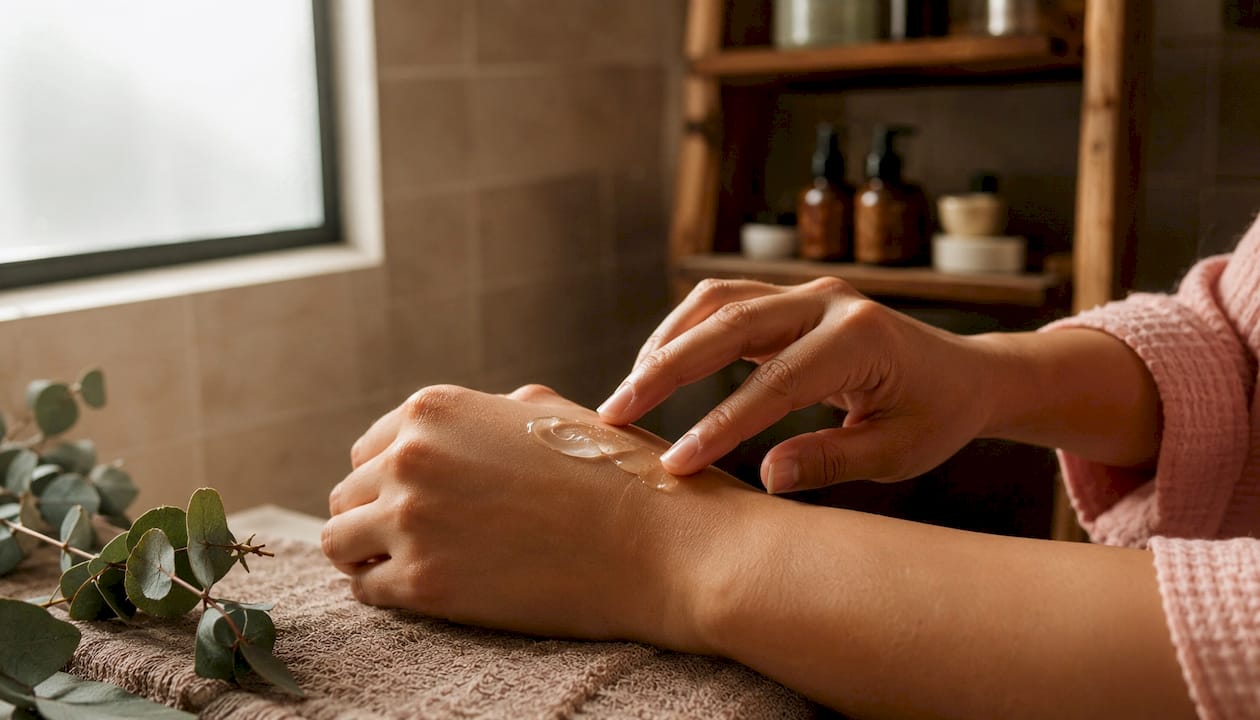
Hand and foot ritual (10 minutes). Warm a rich balm or oil between your palms and massage each hand slowly, pressing into the palm and each finger. Follow with feet. The hands and feet have dense nerve endings, making them especially responsive to touch-based calming.
-
Warm compress (3–5 minutes). Soak a washcloth in warm water, wring it out, and press it over your face for 60 seconds before cleansing. The thermal contrast signals a state change, the same principle luxury spas use with hot towels.
-
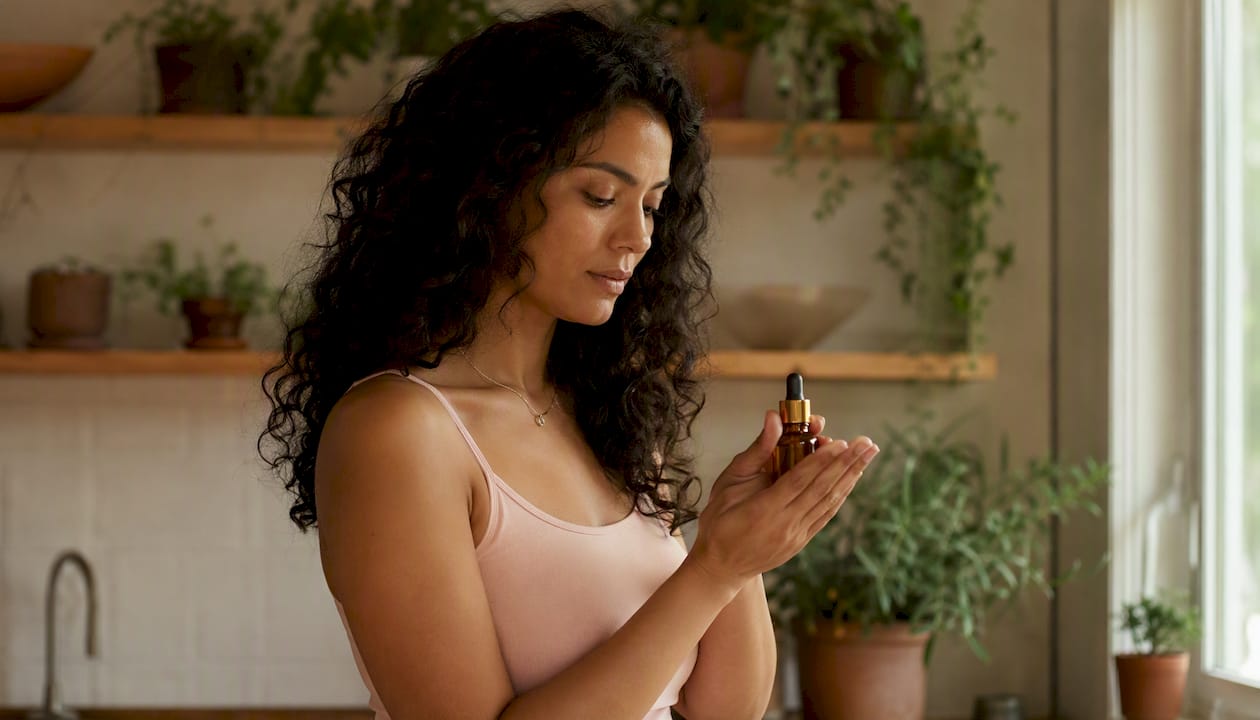
Scent-first body oil (5 minutes). Before applying a body oil, hold the bottle under your nose and take three slow breaths. Then apply with long, deliberate strokes. Leading with scent primes the limbic system before touch even begins, deepening the calming effect.
When stress is high, favor hydration and soothing over intensive exfoliation. Layering multiple active treatments on stressed skin can compromise the barrier rather than support it. Choose one focus per ritual: either hydrate or soothe, not both at full intensity.
Pro Tip: If stillness feels impossible, lean into movement-based rituals like dry brushing or scalp massage. Intentional, rhythmic movement functions as a mindfulness substitute for people with high-achievement anxiety or neurodivergent nervous systems, and it still downshifts arousal effectively.
How to turn any skincare step into a relaxation ritual
The framework is four words: prepare, anchor, apply, close. That sequence works whether you have one minute or thirty.
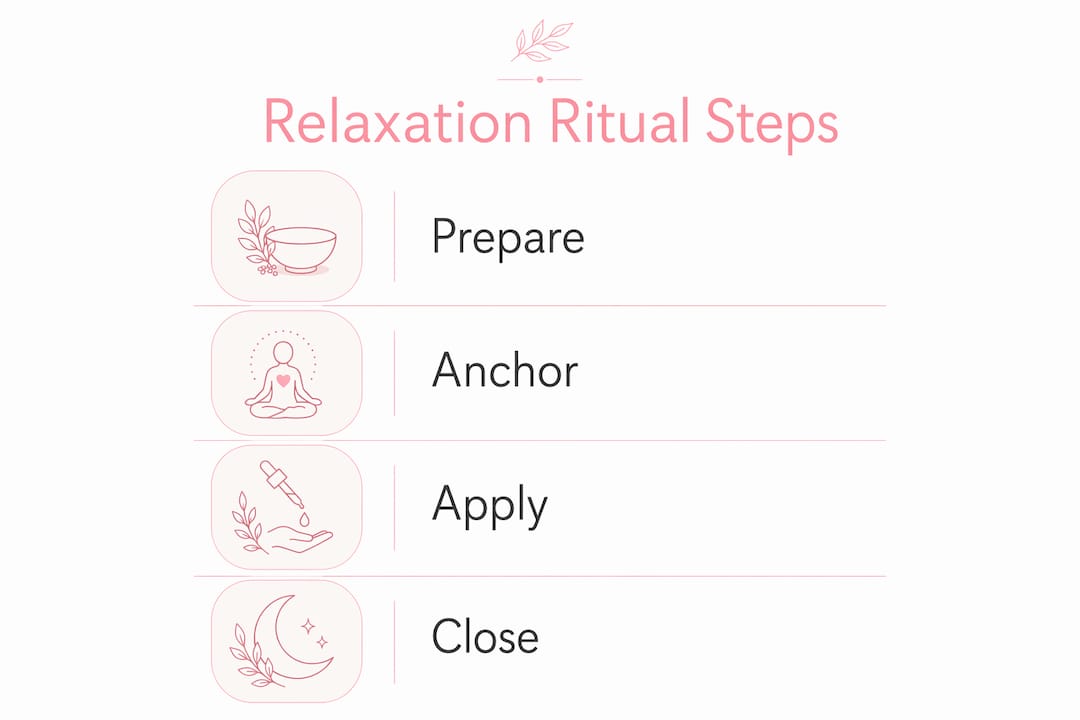
Prepare the space. Gather every product you need before you begin. Interruptions break the meditative flow, and the act of setting up signals to your nervous system that “doing” is ending. Dim the lights, queue a soft playlist, and place a warm damp cloth within reach. A mindful skincare environment does not require a renovation. Warm light, one familiar scent, and a cleared surface are enough.
Sensory sequencing checklist:
- Light: warm and low (a lamp, not overhead)
- Sound: consistent and soft (nature sounds, lo-fi, or silence)
- Scent: one signature scent you use only during rituals
- Temperature: warm product, warm cloth, cool finish rinse
- Texture: move from lighter to richer textures as the ritual progresses
Anchor the breath. Before touching your face, take one full breath cycle: inhale 4 counts, exhale 8 counts. This single breath is the ritual’s opening gate. It tells your body what is coming.
Apply with intention. Warm the product between your palms for five seconds before it touches your skin. Begin strokes at the center of the face and move outward toward the ears, then draw down the neck to the collarbones. Use light-to-moderate pressure. If you feel the urge to rush, return to the breath count. The pacing is the practice.
Close with intention. End with one slow exhale and a brief pause, hands resting on your face or at your sides. A closing intention does not need to be elaborate. Something as simple as “I am done for now” gives the nervous system a clear signal that the ritual has ended. This boundary matters, especially for people who tend to let self-care blur back into task mode.
Pro Tip: For people who struggle to sit still, treat the application itself as the movement. Slow, deliberate strokes with full attention on pressure and direction are a form of moving meditation. You do not have to be motionless for a ritual to work.
What tools and props actually support relaxation
A few well-chosen items add sensory richness without requiring a large investment. The goal is tactile variety and thermal contrast, not a full spa cabinet.
-
Gua sha stone. Adds a cool, weighted pressure that a fingertip cannot replicate. Use on lubricated skin only, with light strokes following the lymphatic directions described above. Clean after every use with mild soap and water. Never use on inflamed, broken, or actively irritated skin.
-
Facial roller (jade or rose quartz). Provides rhythmic, repetitive motion that is especially grounding. Store in the refrigerator for a cooling effect that reduces morning puffiness. The cool temperature adds a sensory contrast that reinforces the state-change signal.
-
Warm towel or washcloth. The most accessible thermal tool available. Run under hot tap water, wring out, and press to the face for 60 seconds. This replicates the hot-towel step used in professional facials at zero cost.
-
Aromatics (essential oils, candles, or a diffuser). Scent reaches the limbic system faster than any other sensory input. One consistent scent used only during rituals becomes a powerful conditioned cue for calm.
-
Low-cost swaps. A chilled metal spoon delivers a similar sensation to a jade roller. A bowl of warm water with a few drops of essential oil creates a simple steam. Travel-size oils in a small pouch make a hotel room ritual entirely feasible.
Safety and hygiene notes: Clean gua sha tools and rollers after every use. Avoid sharing tools. Store them in a clean, dry place. If you experience bruising from a roller or gua sha stone, your pressure is too high. Reduce it immediately.
Five ready-to-use mini-rituals for real life
These are copy-paste routines. Pick the one that fits your moment.
-
Busy morning (3 minutes). After your first cup of coffee: warm cleanser in palms, cleanse with three slow breath cycles, apply moisturizer with outward strokes. Benefit: sets a calm baseline before the day accelerates.
-
Midday reset (5 minutes). Before lunch: mist face with a hydrating spray, press palms over eyes for 30 seconds, massage temples in slow circles. Benefit: reduces jaw tension and resets focus without leaving your desk.
-
Evening wind-down (10–15 minutes). After your commute or after dinner: warm compress, double cleanse, apply a facial oil with the full 4-count inhale and 8-count exhale sequence. Benefit: signals the transition from work mode to rest mode and supports faster sleep onset.
-
Mask night (20 minutes). Once a week: apply a soothing hydrating mask, lie down, and use the waiting time for a body scan or progressive muscle relaxation, releasing tension from feet to shoulders. Benefit: the deepest weekly reset, combining skin barrier support with full-body relaxation.
-
Travel micro-ritual (2 minutes). On a plane or in a hotel: apply a facial balm or lip oil slowly, using the scent as a breath anchor. Inhale 4, exhale 8, repeat three times. Benefit: portable calm that requires nothing more than one product in your carry-on.
Habit stacking makes these stick. Anchor each ritual to something you already do: after coffee, before lunch, after you walk through the front door. The existing habit becomes the trigger, and the ritual becomes automatic within a few weeks.
Skin sensitivity, tool safety, and when to pause
Not every ritual suits every skin on every day. Knowing when to stop is as much a part of the practice as knowing how to begin.
Stop and soothe if you notice:
- Persistent redness or warmth after massage that does not fade within 20 minutes
- Stinging or burning during product application
- Bruising from a gua sha stone or roller
- New breakouts or flares following a new product or technique
When any of these appear, pause the ritual, rinse with cool water, and apply a plain, fragrance-free moisturizer. Do not layer additional products to “fix” the reaction.
For readers with eczema-prone or chronically sensitive skin, holistic rituals adapted for sensitive skin offer specific guidance on ingredient selection and technique modifications that protect rather than provoke the skin barrier.
Tool hygiene: Clean gua sha stones and rollers with mild soap after every single use. Never share tools. Store them in a dry, covered space. Replace natural-stone tools if they chip, as rough edges can cause micro-tears.
When to consult a professional: If you experience persistent pain during massage, recurring skin infections, or a diagnosed skin condition that is actively flaring, pause all tool-based rituals and consult a board-certified dermatologist before resuming. A licensed esthetician or massage therapist can also assess whether a specific technique is appropriate for your skin type and health history.
Key Takeaways
Beauty rituals calm the nervous system through sensory sequencing, paced breathing, and repetitive touch, and consistency in even a 3-minute practice matters more than routine complexity.
| Point | Details |
|---|---|
| Breath is the anchor | Inhale 4 counts, exhale 8 counts during product application to activate the parasympathetic nervous system. |
| Sensory sequencing works | Warm light, one signature scent, and thermal contrast signal the nervous system that rest is beginning. |
| Consistency beats complexity | A 3-minute daily ritual anchored to an existing habit outperforms an elaborate routine done occasionally. |
| Safety first | Stop any ritual that causes persistent redness, bruising, or stinging; consult a dermatologist for active skin conditions. |
| Purelightbotanicalbeauty products | Clean, botanical formulas designed for sensitive skin make them well-suited as the product anchor for daily calming rituals. |
Why rituals are worth protecting, even on hard days
Rituals matter most precisely when they feel least possible. That is the insight I keep returning to, and it is the one I most want to leave with you.
The conventional advice is to build a self-care routine when life is calm, then maintain it. But the nervous system does not work that way. It needs the ritual most on the days when you feel too tired, too rushed, or too overwhelmed to begin. Starting small, one breath, one product, three minutes, is not a compromise. It is the whole point. Perfectionism is the enemy of ritual. A flawless 30-minute routine you abandon after two weeks helps no one. A three-minute practice you protect as non-negotiable, even on your worst days, builds something real over time.
Reframing rituals as nervous-system practices rather than appearance projects changes everything about how sustainable they feel. When the goal is calm rather than a perfect complexion, there is no such thing as doing it wrong. You showed up. That is the ritual. For more on building practices that genuinely support sensitive skin and mental well-being, the Purelightbotanicalbeauty blog on beauty rituals is a resource I return to often.
Ritual-ready products from Purelightbotanicalbeauty
If you are ready to anchor your calming ritual with a product that genuinely supports sensitive skin, Purelightbotanicalbeauty offers a line of clean, plant-based formulas crafted for exactly this kind of intentional use. Every ingredient is chosen to nourish the skin barrier rather than challenge it, which makes these products a natural fit for the breath-and-touch rituals described throughout this article.
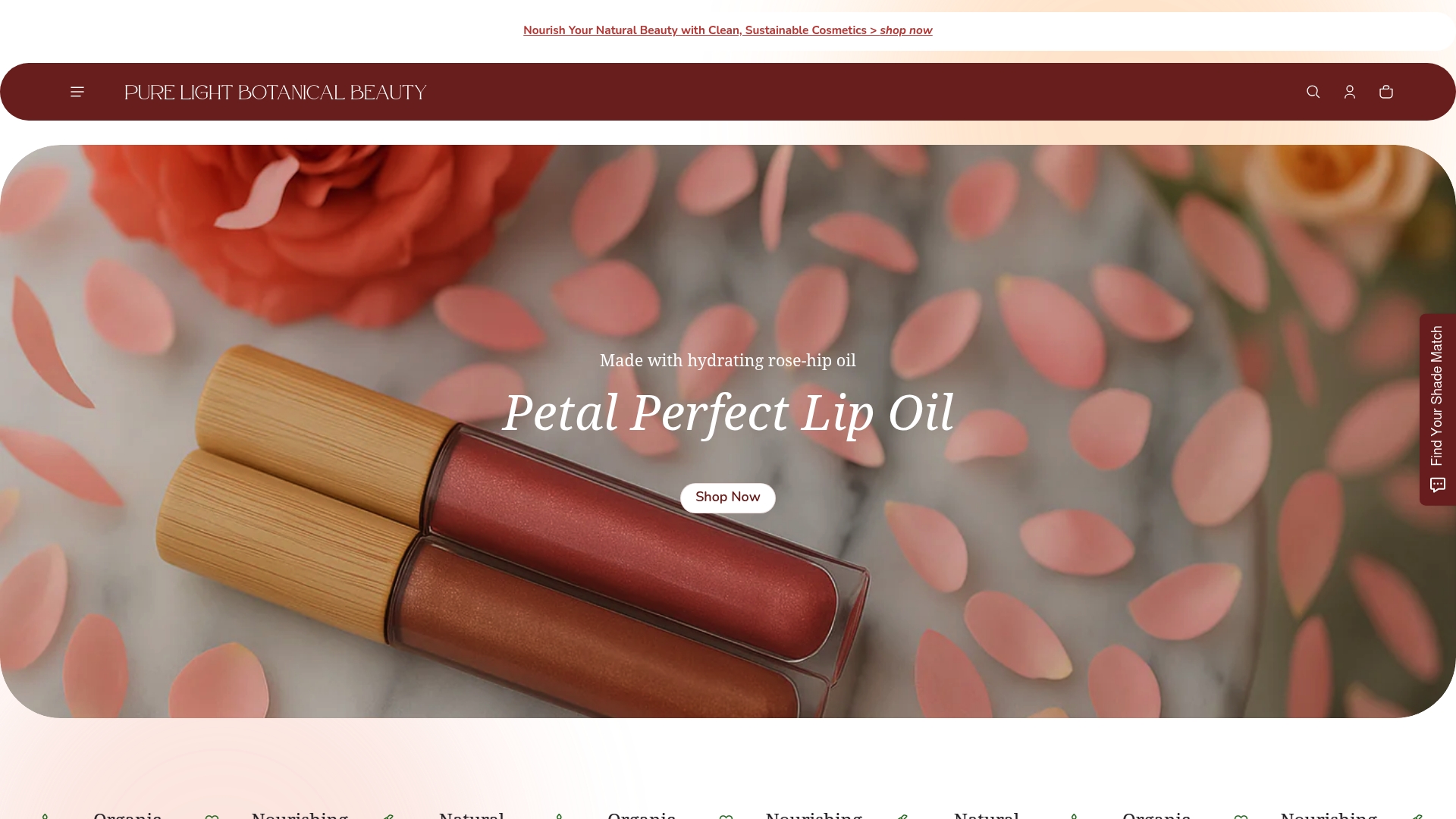
The Petal Perfect Lip Oil works beautifully as a travel micro-ritual anchor: its botanical oils and subtle scent make it a sensory cue you can carry anywhere. The Botanical Crème Blush applied with slow, outward strokes doubles as a gentle facial massage moment in a morning routine. And the Nourishing Lipstick, formulated with skin-conditioning botanicals, turns a simple daily step into a moment of deliberate self-care rather than a reflexive habit.
All Purelightbotanicalbeauty formulas are designed with sensitive and eczema-prone skin in mind. Visit Purelightbotanicalbeauty to find the product that fits your ritual and your skin.
Recommended
- How to create a holistic beauty ritual for sensitive skin – Pure Light Botanical Beauty
- How beauty routines heal sensitive skin and well-being – Pure Light Botanical Beauty
- Why Beauty Rituals Matter for Sensitive Skin Wellness – Pure Light Botanical Beauty
- Mental health beauty tips: calm skin and mind naturally – Pure Light Botanical Beauty