

Simple’s Protecting Moisture Cream SPF 30 has been pulled from shelves at several major retailers, and stock now largely depends on the market you shop in. If you already own a tube, finish it before its expiration and pair it with sensible sun habits. If you’re hunting for a new bottle, your money is better spent on a comparable sensitive-skin SPF moisturizer that’s still in regular production.
SkinCarisma’s ingredient analysis gives the formula a 92 out of 100 “Excellent” rating, with 41 of its 49 listed ingredients flagged low-risk. MakeupAlley reviewers consistently describe it as fast-absorbing and closer to a moisturizer than a sunscreen in feel.
If you’re deciding what to do right now, here’s the short version:
- Check remaining stock at Superdrug, Amazon, and independent pharmacy sites before assuming it’s gone everywhere.
- Finish, don’t hoard any bottle you already own, as long as it’s within its printed expiration window.
- Switch routines to a fragrance-free SPF 30 moisturizer built for sensitive skin, or separate your SPF and moisturizer into two steps if you want more control over each.
Key Takeaways
Simple’s SPF 30 moisture cream is a well-rated, sensitive-skin-friendly formula in transition, so buyers should verify stock and expiration before purchasing rather than assuming universal availability.
| Point | Details |
|---|---|
| Ingredient rating holds up | SkinCarisma scores the formula 92/100, with 41 of 49 ingredients rated low-risk. |
| One flag worth noting | A single paraben entry may matter if you have a known preservative sensitivity. |
| Reviews favor texture over strength | MakeupAlley reviewers praise fast absorption but some note the SPF feels lighter than expected. |
| Buy carefully, not urgently | Check lot codes and expiration dates before buying secondhand or marketplace stock. |
| Gentle layering still works | Purelightbotanicalbeauty’s balm and lipstick pair well underneath or alongside any SPF moisturizer you choose. |
Where to Read More
- SkinCarisma’s ingredient breakdown for the full 92/100 rating detail.
- MakeupAlley review threads for firsthand texture and performance feedback.
- Retailer product pages for current SPF and packaging claims.
Table of Contents
- Is Simple’s Protecting Moisture Cream SPF 30 Still Sold?
- Does the Formula Suit Sensitive or Eczema-Prone Skin?
- What Does SPF 30 Actually Protect You From?
- What Do Reviewers Say About This SPF Moisturizer?
- Where Can You Still Buy Simple’s SPF 30 Cream?
- What Are the Best Alternatives to Simple’s SPF 30 Cream?
- Frequently Asked Questions
Is Simple’s Protecting Moisture Cream SPF 30 Still Sold?
Simple markets this line under a couple of related names, most commonly “Kind to Skin Protecting Moisturiser Cream SPF 30” and, in some regions, “Protect ‘n’ Glow Triple Protect Moisturiser SPF 30.” Both promise broad-spectrum UVA and UVB protection at SPF 30, and Simple’s own product pages describe additional claims around pollution and blue light protection.
The formula comes in a cream base meant for daily face use, distinct from Simple’s body-focused SPF lotions. Packaging has shown up most often in 50 ml single tubes, with 40 ml sizes appearing on some retailer listings and occasional two-packs bundling a pair of 50 ml tubes for better per-ounce value. Pricing on those listings tends to sit in the budget-to-mid range typical of drugstore SPF moisturizers rather than prestige skincare.
Here’s what the label and brand pages consistently claim:
- SPF 30 with broad-spectrum UVA/UVB coverage
- Marketed protection against pollution and blue light exposure
- Formulated as a daily face cream, not a body lotion
- Positioned specifically for sensitive skin types
| Spec | Detail |
|---|---|
| SPF rating | SPF 30, broad-spectrum |
| Product form | Facial cream |
| Common sizes | 40 ml, 50 ml (single and twin-pack) |
| Fragrance claim | Fragrance-free positioning on sensitive-skin lines |
| Skin-type claim | Formulated for sensitive skin |
Simple doesn’t publish an independent dermatological testing certificate on most listings, so treat “dermatologically tested” as a brand claim rather than a third-party verification.
Does the Formula Suit Sensitive or Eczema-Prone Skin?
SkinCarisma’s breakdown gives the formula a strong 92/100 ingredient score, built on 41 low-risk ingredients out of 49 total. That’s a solid baseline for anyone whose skin reacts to fragrance, harsh preservatives, or heavy actives.
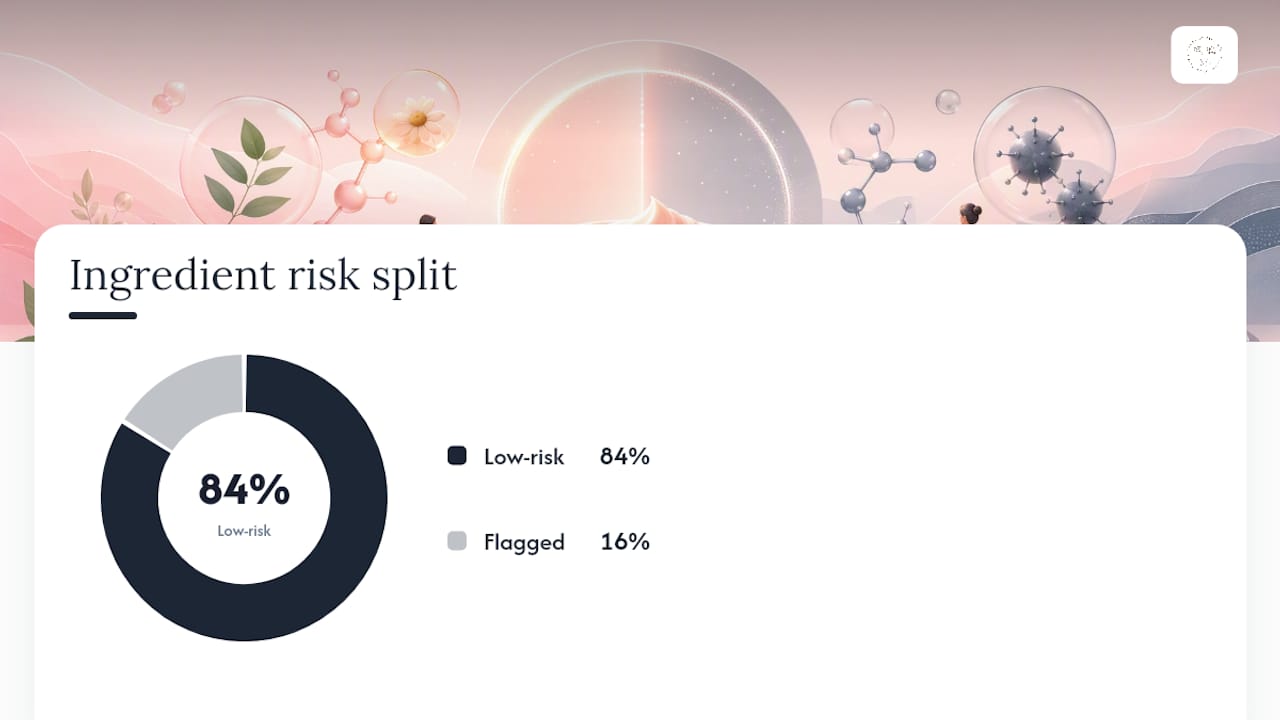
The ingredient list includes niacinamide, a barrier-supporting active well tolerated by most sensitive and eczema-prone skin, alongside glycerin for humectant hydration and dimethicone, a silicone that smooths texture and helps lock in moisture without feeling greasy. SkinCarisma’s scan also flags one paraben entry in the formula. Parabens aren’t automatically dangerous, but they’re a known trigger for a subset of people with contact sensitivities, so it’s worth noting if you’ve reacted to preservatives before.
Here’s how the pros and cons stack up:
- Pro: High low-risk ingredient count (41 of 49) suggests a generally gentle formulation.
- Pro: Niacinamide and glycerin support hydration without heavy occlusion.
- Con: The flagged paraben may matter to people with a documented preservative sensitivity.
- Con: Dimethicone, while low-risk for most, can feel occlusive on very oily or acne-prone skin during humid months.
Pro Tip: If you’re new to a formula with silicones like dimethicone, apply it at night first for a few days before committing to daily morning use. That gives your skin time to signal irritation before you’re layering it under makeup and sun exposure.
Suitability breaks down like this in practice. Sensitive and eczema-prone skin tends to do well with this formula given its low-risk ingredient majority and niacinamide content, though the paraben flag is worth a patch test first. Dry skin benefits from the glycerin and dimethicone combination. Oily and acne-prone skin can usually tolerate it too, based on SkinCarisma’s suitability notes, though anyone prone to fungal acne may want to scan for additional occlusive esters before committing. If you’ve had a reaction to preservatives in the past, this is the profile to skip or test cautiously.
What Does SPF 30 Actually Protect You From?
SPF 30 blocks a high percentage of UVB rays, the wavelength primarily responsible for sunburn, when applied at the correct thickness and reapplied on schedule. Broad-spectrum labeling means the formula also filters UVA rays, which drive long-term photoaging and contribute to skin cancer risk. Neither claim holds up if you apply too thin a layer or skip reapplication.
Here’s how to actually get SPF 30 performance out of a moisturizer like this one:
- Apply a full fingertip’s worth to your face and neck as part of your morning routine, on clean skin.
- Wait roughly 15 minutes before heading outside so the formula has time to set.
- Reapply every two hours during direct sun exposure, or immediately after heavy sweating.
- Layer makeup on top only after the cream has fully absorbed to avoid pilling or patchiness.
A few things to keep in mind:
- Daily moisturizer SPF works fine for commuting, errands, and indoor-outdoor days, but it’s not built for swimming or workouts.
- Combining SPF and moisturizer into one product simplifies your morning, but it doesn’t remove the reapplication requirement.
- If you’re spending real time outdoors, swap in a water-resistant, dedicated sunscreen instead of relying on a facial moisturizer’s SPF alone.
What Do Reviewers Say About This SPF Moisturizer?
MakeupAlley reviewers describe the texture as light and fast-absorbing, with many noting it feels more like a daily moisturizer than a typical sunscreen, which is exactly the positioning Simple was going for. Value for money comes up repeatedly as a strength, especially compared to prestige SPF moisturizers priced several times higher.
The complaints cluster around a smaller set of recurring issues rather than being scattered randomly.
- Praise: Quick absorption with minimal greasy residue, even on oilier skin types.
- Praise: Comfortable enough to wear daily without feeling like a heavy sunscreen layer.
- Complaint: Some users report the SPF protection feels lighter in practice than the SPF 30 label suggests, likely tied to under-application rather than the formula itself.
- Complaint: A subset of reviewers with fair or very fair skin noted a faint temporary cast right after application, which faded as it absorbed.
Reviewers with dry skin generally report better long-day comfort than those with very oily skin, who occasionally mention a slight tackiness in humid conditions. No consistent pattern emerged around reactions specific to deeper skin tones beyond that brief temporary cast some fair-skinned users noted, which is a smaller complaint than the persistent white cast issues associated with some mineral-only sunscreens.
Where Can You Still Buy Simple’s SPF 30 Cream?
Retailer stockouts and shifting product listings point to a formula in transition rather than a clean, universal discontinuation. Some regions still show active listings; others have quietly replaced the SPF moisturizer with newer formulations under similar branding, which is a common pattern when a legacy skincare line gets refreshed rather than killed outright.
If you’re actively hunting for a bottle, here’s where to look and what to watch for:
- Check pharmacy and drugstore retailers directly, since regional stock varies more than global searches suggest.
- Search marketplace listings on sites like Amazon, where multi-packs sometimes surface even after single-tube listings disappear.
- Avoid unverified secondhand sellers offering suspiciously low prices, which is a common signal for counterfeit skincare, especially on SPF products where the active ingredients degrade and fakes are hard to spot visually.
- Check the lot code and expiration date printed on the tube before buying older stock, since SPF actives lose potency past their labeled shelf life.
A few practical calls to make before you buy:
Buying remaining stock makes sense if you’ve used the formula before, tolerated it well, and can verify a reasonable expiration window, generally at least six months out. It stops making sense if you’re paying a markup over the original retail price for a product nearing its expiration date, or if you can’t verify the seller’s legitimacy. Discontinued SPF products sometimes reappear through resellers well after retailers stop restocking, so patience can pay off if you’re not in urgent need.
What Are the Best Alternatives to Simple’s SPF 30 Cream?
If you can’t find stock or you’re ready to try something new, three categories cover most sensitive-skin needs: mineral SPF moisturizers, hybrid hydrating SPF creams, and fragrance-free daily SPF lotions used alongside a separate moisturizer.
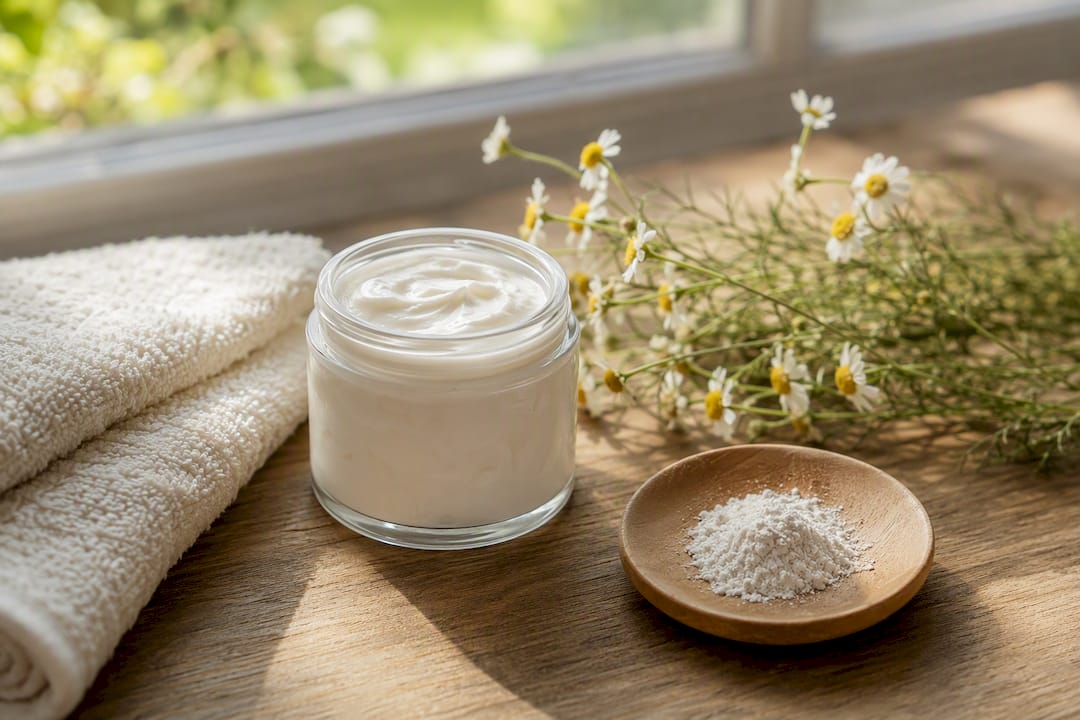
Mineral formulas built around zinc oxide, like Vanicream’s Mineral Facial Moisturizer with SPF 30, pair physical UV filters with ceramides in a non-comedogenic base, making them a strong pick for anyone whose skin reacts to chemical filters or fragrance. Hybrid hydrating SPF creams split the difference, blending moisturizing actives with either mineral or chemical filters for a lighter daily feel. Fragrance-free SPF lotions used as a separate step from your moisturizer give you the most control, since you can adjust the moisturizing layer underneath based on the season or your skin’s needs that day.
Before committing to any new SPF moisturizer, a few habits will save you a bad reaction:
- Patch test on your inner arm for three to five days before applying it to your face.
- Introduce one new active at a time rather than switching your entire routine at once.
- Favor separate SPF and moisturizer if your skin needs vary a lot week to week, since combined formulas force a one-size-fits-all approach.
Sensitive-Skin Checklist Before You Buy Any SPF Moisturizer
Look for four things on the label before anything else: a fragrance-free claim, a short ingredient list weighted toward low-risk entries, a non-comedogenic flag if you’re prone to breakouts, and clear SPF and broad-spectrum labeling rather than vague “sun protection” language. Products that skip one of these aren’t automatically bad, but each missing item raises your odds of a flare-up.
Run any new SPF moisturizer through this patch test before it touches your face:
- Apply a small amount to your inner forearm or behind your ear.
- Wait 24 to 48 hours, checking for redness, itching, or bumps.
- If your skin stays calm, apply a small amount to one side of your face for another 24 hours.
- Only move to full daily use once both tests pass without irritation.
Pro Tip: If you’re using retinoids or exfoliating acids at night, apply your SPF moisturizer as the very last step of your morning routine, not layered under other actives. Retinoids and acids increase sun sensitivity, so the timing gap between night treatment and morning SPF matters more than most routines account for.
A Quick Read on Where This Category Is Headed
My honest read is that Simple’s discontinuation pattern isn’t unusual. Legacy drugstore SPF moisturizers get quietly reformulated more often than dramatically pulled, and the ingredient science backing this formula, particularly the niacinamide and low irritant count, still holds up well against newer competitors. If your skin tolerated it before, use up what you have and reapply properly. If you’re starting fresh, a mineral or fragrance-free alternative gets you the same sensitivity-friendly outcome without the stock-hunting. Either way, SPF only works if you reapply it, so build that habit before you build the perfect product shelf.
A Gentle Layer for Your Sun-Care Routine
Purelightbotanicalbeauty was built for skin that reacts to the wrong preservatives, fragrances, or fillers, the exact profile that makes shopping for SPF moisturizers so frustrating in the first place. Our Botanical Beauty Balm™ with calendula and rose works underneath or alongside your SPF layer, giving eczema-prone and reactive skin a calming base before sunscreen goes on, without adding another synthetic ingredient to react against.
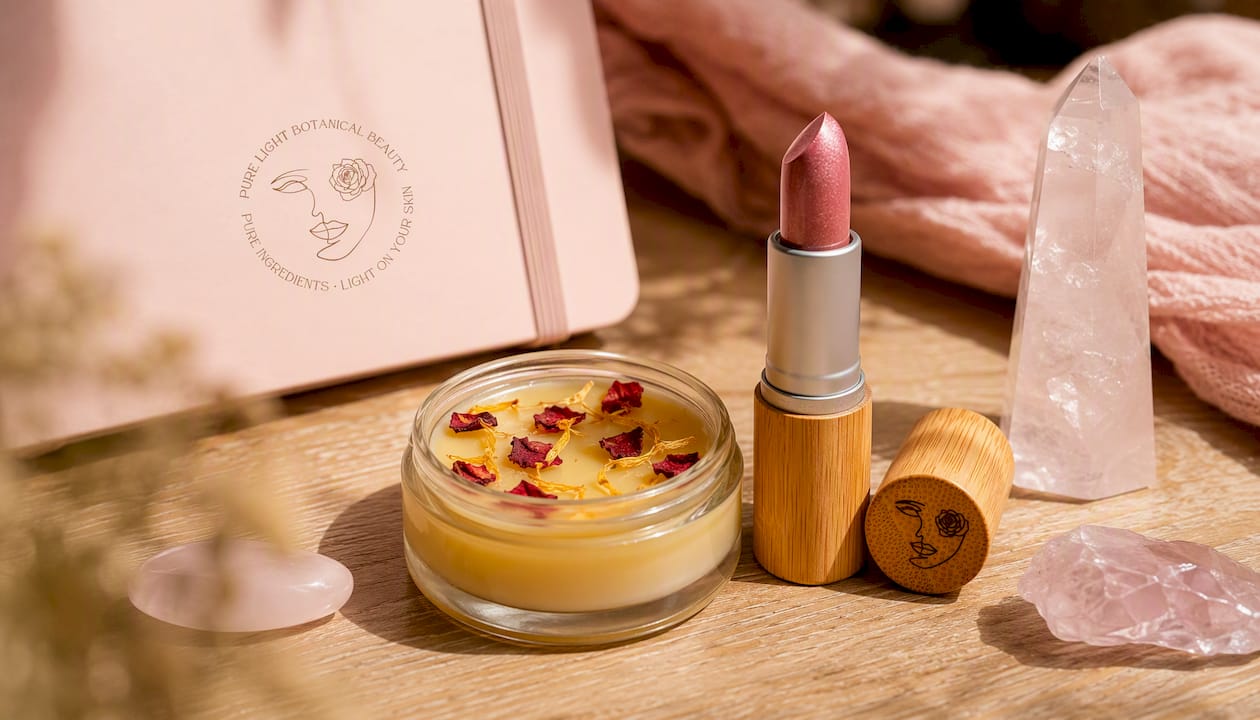
For your lip routine, the Nourishing Lipstick™ in Rose Quartz skips the drying waxes found in most color cosmetics and nourishes while it colors, since lips need sun protection and hydration just as much as the rest of your face. We always recommend patch-testing anything new, including our own formulas, and our guide to protective skincare ingredients for sensitive skin breaks down exactly what to look for on any label, ours included. Browse the balm and lipstick pages now to see if they fit into your daily layering routine.
Frequently Asked Questions
Is Simple’s Protecting Moisture Cream SPF 30 discontinued? It’s been pulled from some retailers and appears inconsistently across regions, which points to reformulation or regional restocking gaps rather than a confirmed global discontinuation.
Is this SPF 30 moisturizer good for sensitive or eczema-prone skin? Its 92/100 SkinCarisma rating and niacinamide content support that positioning, though the flagged paraben means a patch test is worth doing first.
How often do I need to reapply an SPF 30 moisturizer? Reapply every two hours during direct sun exposure, and always after heavy sweating or swimming, since a daily moisturizer SPF isn’t water-resistant.
What’s a good substitute if I can’t find Simple’s SPF 30 cream? A mineral SPF moisturizer with zinc oxide, or a fragrance-free SPF lotion paired with a separate moisturizer, covers most of the same sensitive-skin needs.
Can I still use an old tube of Simple’s SPF 30 cream? Yes, as long as it’s within its printed expiration date and lot code, though SPF potency does decline as a product ages past that window.
Recommended
- Top 3 Best Moisturizer Makeup Hybrids Alternatives 2026 – Pure Light Botanical Beauty
- Top Sun Protection Makeup for Women in 2026 – Pure Light Botanical Beauty
- Best soothing skincare ingredients: 30% fewer flare-ups – Pure Light Botanical Beauty
- Top 4 Botanical Skincare Alternatives 2026 – Pure Light Botanical Beauty