

TL;DR:
- Protective skincare ingredients such as broad-spectrum SPF, ceramides, niacinamide, and antioxidants are essential for defending sensitive skin from environmental damage. Regular application of high-SPF sunscreens, especially tinted formulations, is crucial for preventing UV and visible light-induced harm. Supporting the skin barrier with barrier-repair ingredients enhances overall resilience and reduces reactivity, enabling safe use of other active ingredients.
Protective skincare ingredients are defined as compounds that shield skin from UV radiation, reinforce the skin barrier, and neutralize oxidative stress caused by environmental aggressors. For sensitive or condition-prone skin, choosing the right combination is not optional. It is the difference between skin that heals and skin that stays reactive. Dermatologists consistently identify photoprotection, ceramides, niacinamide, and antioxidants like vitamin C and vitamin E as the core categories of skin defense. This article breaks down each category with evidence from 2026 research so you can build a routine that actually protects you.
1. Why photoprotection is the foundation of protective skincare
Broad-spectrum sunscreen is the single most researched and highest-rated protective skincare ingredient category in dermatology. A 2026 Egyptian National Consensus found that 52.7% of evaluated ingredients were rated appropriate across common dermatology scenarios, with photoprotection earning the highest appropriateness scores of any category. That means sunscreen outranked every other ingredient class for consistent, evidence-backed use. The practical implication is clear: no serum, no moisturizer, and no botanical extract replaces daily SPF.
Tinted sunscreens offer an added layer of defense that standard formulas miss. Visible light, not just UV rays, triggers pigmentation and oxidative damage in sensitive and melanin-rich skin. Tinted formulas containing iron oxides block visible light and are especially useful for anyone managing melasma or post-inflammatory hyperpigmentation. If you are dealing with a skin condition that leaves marks, a tinted broad-spectrum SPF is not a cosmetic upgrade. It is a clinical one.
Photostability matters as much as SPF number. Some UV filters degrade on skin within hours of sun exposure, reducing their effectiveness before the day is over. Research on Aspalathus linearis extracts shows that adding rooibos botanicals to standard UV filters can increase SPF and UVA protection by up to 50% while protecting filters from photodegradation up to 14.4 standard erythemal doses. That is a meaningful boost for anyone who needs reliable all-day coverage.
- Apply broad-spectrum SPF 30 or higher every morning, including cloudy days and days spent indoors near windows
- Choose tinted formulas with iron oxides if you manage pigmentation or visible light sensitivity
- Reapply every two hours during outdoor exposure
- Layer sunscreen as the final step in your morning routine, after serums and moisturizer
Pro Tip: Dermatologists recommend daily sunscreen as the most powerful tool to prevent premature aging, regardless of weather or season. Treat it like brushing your teeth: non-negotiable.
2. Top barrier-supporting ingredients for sensitive skin
The skin barrier is a lipid-protein matrix that keeps moisture in and irritants out. When it is compromised, skin becomes reactive, dry, and prone to flare-ups. Ceramides and niacinamide are the two most evidence-backed ingredients for repairing this barrier in sensitive skin. Ceramides are lipids that naturally exist in the skin’s outer layer, and replenishing them topically restores structural integrity. Niacinamide, a form of vitamin B3, reduces water loss, calms redness, and improves skin resilience over time.

Hyaluronic acid and peptides round out the barrier-support toolkit. Hyaluronic acid draws moisture into the skin and holds it there, making it a reliable hydration ingredient for dry or eczema-prone skin. Peptides signal the skin to produce more collagen and repair proteins, which is especially useful when the barrier has been weakened by actives like retinoids or chemical exfoliants. These four ingredients work together rather than competing, and most sensitive skin routines benefit from having at least two of them present.
MUJI Sensitive Moisturizing Milk is a practical example of barrier-focused formulation done well. It contains ceramides and five amino acids alongside plant extracts, and it carries a “stinging tested” label, meaning it was evaluated for the type of immediate irritation common in sensitive skin. That does not guarantee zero reaction for every person, but it reflects a formulation philosophy centered on tolerance. Products like this show what thoughtful barrier support looks like in practice.
- Look for ceramides (ceramide NP, AP, or EOP) listed in the first half of an ingredient list
- Niacinamide concentrations between 2% and 5% are effective and less likely to cause flushing than higher doses
- Hyaluronic acid works best applied to damp skin, followed immediately by a moisturizer to seal it in
- Avoid products with drying alcohols (alcohol denat., SD alcohol) alongside barrier-repair ingredients, as they counteract the effect
Pro Tip: When introducing a new barrier-repair product, patch test first on the inner arm for 48 hours. Sensitive skin reacts to even gentle formulas, and a patch test catches problems before they reach your face.
3. Antioxidant ingredients that defend against UV and pollution
Antioxidants protect skin by neutralizing reactive oxygen species, the unstable molecules generated by UV exposure, pollution, and stress that damage skin cells and accelerate aging. Sunscreen blocks UV rays, but it does not fully stop the oxidative cascade that UV triggers. Topical antioxidants fill that gap, making them a necessary complement to photoprotection rather than a replacement for it.
Vitamin C, vitamin E, and advanced antioxidant serums are the most studied options. Research comparing an advanced antioxidant serum against an encapsulated vitamin C serum found 72% to 300% less UV-induced erythema in the advanced serum group. That gap is significant. It means that not all antioxidant formulas perform equally, and the format and combination of antioxidants matters as much as the ingredient name on the label.
The most effective antioxidant strategies use synergistic combinations rather than a single ingredient. A well-designed formula typically includes a water-soluble antioxidant like vitamin C, a lipid-soluble antioxidant like vitamin E, and an enzymatic antioxidant like superoxide dismutase or coenzyme Q10. Each type neutralizes different free radicals in different layers of the skin. Vitamin E also stabilizes vitamin C, extending its active life on the skin.
| Antioxidant type | Example ingredients | Best for | Sensitive skin notes |
|---|---|---|---|
| Water-soluble | Vitamin C (L-ascorbic acid), niacinamide | Brightening, UV defense | L-ascorbic acid can sting; try ascorbyl glucoside instead |
| Lipid-soluble | Vitamin E (tocopherol), coenzyme Q10 | Barrier protection, anti-aging | Generally well tolerated |
| Enzymatic | Superoxide dismutase, catalase | Deep oxidative stress defense | Rare irritation; suitable for most |
| Plant-derived | Rooibos (Aspalathus linearis), green tea | Photostability, anti-inflammatory | Patch test required; not all botanicals are gentle |
Layering antioxidants underneath sunscreen in the morning maximizes their protective effect. Apply your antioxidant serum after cleansing and toning, let it absorb for 60 seconds, then follow with moisturizer and SPF. This sequence puts antioxidants where they can intercept oxidative damage before it compounds.
4. How to choose skin-protective ingredients safely for sensitive skin
The most common mistake people with sensitive skin make is assuming that “natural” means safe. Botanical ingredients can and do cause contact irritancy. A Rand/UCLA-informed consensus notes that some botanicals receive mixed expert endorsement precisely because of varied evidence and documented irritancy concerns. Essential oils, citrus extracts, and fragrant plant resins are among the most frequent offenders. A product can be 100% plant-derived and still trigger a reaction in reactive skin.
Fragrance is the ingredient category most consistently linked to sensitive skin reactions. This includes both synthetic fragrance and natural fragrance derived from essential oils. Drying alcohols like alcohol denat. and SD alcohol disrupt the skin barrier and should be avoided in any formula intended for daily use on sensitive skin. Preservatives like methylisothiazolinone (MI) and methylchloroisothiazolinone (MCI) are also common sensitizers and appear in many rinse-off and leave-on products.
Timing and context shape which ingredients are appropriate. Retinoids are rated inappropriate immediately post-procedure and during breastfeeding, but they are supported for photoaging management with proper tolerability precautions. This means that a retinoid that works well for you in a stable routine may need to be paused after a chemical peel or laser treatment, when the barrier is already compromised and needs ceramides and niacinamide instead. Knowing when to use an ingredient is as important as knowing what it does.
- Avoid: fragrance (synthetic or natural), alcohol denat., SD alcohol, essential oils, MI/MCI preservatives
- Prioritize: fragrance-free, hypoallergenic, and “stinging tested” labels as a starting filter
- Introduce one new product at a time, waiting two weeks before adding another
- Patch test every new product on the inner arm before applying to the face
- Consult a dermatologist before using actives like retinoids, AHAs, or BHAs if you have eczema, rosacea, or psoriasis
5. Comparing key protective ingredients: effectiveness and best use
Choosing between protective ingredients is easier when you understand what each one does best and where its limits are.
| Ingredient | Primary function | Evidence strength | Best use case | Sensitive skin suitability |
|---|---|---|---|---|
| Broad-spectrum SPF | UV and visible light protection | Highest rated in 2026 consensus | Daily morning routine | High; mineral filters (zinc oxide, titanium dioxide) preferred |
| Ceramides | Barrier repair and moisture retention | Strong dermatologist consensus | Dry, eczema-prone, post-procedure skin | Excellent |
| Niacinamide (2-5%) | Barrier support, redness reduction | Strong clinical evidence | Reactive, oily, or pigmented skin | Excellent |
| L-ascorbic acid (vitamin C) | Antioxidant, brightening | Moderate; format-dependent | Photoaging, dullness | Moderate; can sting at higher concentrations |
| Ascorbyl glucoside | Stable vitamin C antioxidant | Emerging evidence | Sensitive skin antioxidant defense | High |
| Vitamin E (tocopherol) | Lipid-soluble antioxidant, barrier support | Strong when combined with C | Dry, aging, or barrier-compromised skin | High |
| Rooibos (Aspalathus linearis) | Photostability boost, anti-inflammatory | Growing research base | Sunscreen enhancement | Moderate; patch test advised |
| Peptides | Barrier repair, collagen signaling | Moderate clinical evidence | Post-procedure, aging skin | High |
For budget-conscious routines, ceramides and niacinamide deliver the highest return per dollar. Both are available in affordable formulations without compromising efficacy. Vitamin C in the form of ascorbyl glucoside is a gentler and more stable alternative to L-ascorbic acid, making it a better fit for sensitive skin without sacrificing antioxidant protection.
Pro Tip: If you are layering actives and unsure where to start, build your routine around ceramides and SPF first. Add antioxidants second. Introduce brightening or anti-aging actives only once your barrier is stable and tolerating the basics well.
Key takeaways
Effective skin protection requires three layers working together: photoprotection, barrier support, and antioxidant defense. No single ingredient covers all three.
| Point | Details |
|---|---|
| Photoprotection comes first | Broad-spectrum SPF earns the highest appropriateness rating in dermatology research and is non-negotiable daily. |
| Ceramides and niacinamide repair the barrier | These two ingredients strengthen sensitive skin and reduce reactivity, especially alongside drying actives. |
| Antioxidants fill the gap sunscreen leaves | Advanced antioxidant serums reduce UV-induced erythema by up to 300% more than encapsulated vitamin C alone. |
| “Natural” does not mean safe | Botanical ingredients can trigger contact irritancy in sensitive skin and require the same patch-testing discipline as synthetics. |
| Ingredient timing matters | Retinoids and strong actives need to be paused or adjusted based on skin condition, procedure history, and barrier health. |
Why I think most sensitive skin routines are missing the same thing
I have worked with enough sensitive skin routines to notice a pattern. People spend real money on serums and treatments, but they skip or underinvest in the two things that make everything else work: a solid SPF and a genuine barrier-repair step. They layer vitamin C, retinol, and exfoliants on skin that has no structural support, then wonder why they are always reactive.
The research backs this up. Photoprotection consistently outranks every other ingredient category in dermatological appropriateness studies. Ceramides and niacinamide are not glamorous, but they are the reason your skin can tolerate anything else you put on it. Without them, even the gentlest actives can push sensitive skin into a flare.
What I find most interesting in recent research is the antioxidant gap. Most people reach for vitamin C because it is well-marketed, but the evidence shows that not all vitamin C formulas reduce UV-induced damage equally. An advanced antioxidant serum combining water-soluble, lipid-soluble, and enzymatic antioxidants outperforms encapsulated vitamin C by a significant margin. That is a meaningful distinction if you are choosing products carefully.
My honest recommendation: build your routine from the outside in. Start with SPF. Add ceramides and niacinamide. Then layer antioxidants underneath your sunscreen. Everything else, the brighteners, the retinoids, the exfoliants, comes after your skin is stable and protected. That sequence is not just logical. It is what the evidence actually supports.
— Kaitlyn
How Purelightbotanicalbeauty supports your skin’s natural defenses
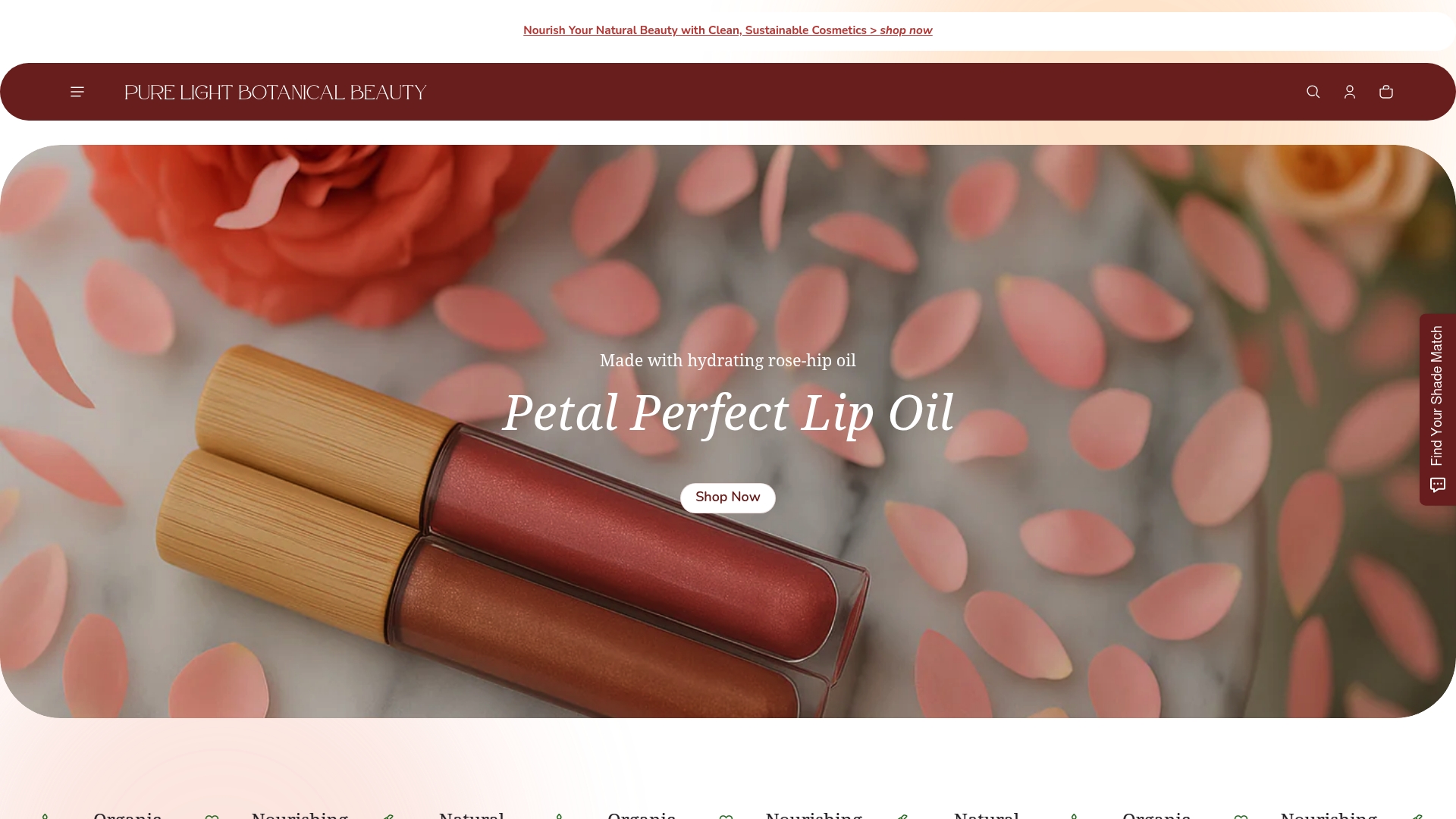
Purelightbotanicalbeauty formulates every product with the understanding that makeup and skincare are not separate rituals. They are one. Each formula is built around clean, plant-based ingredients designed to support barrier health and deliver antioxidant protection without irritating sensitive or condition-prone skin. Whether you are managing eczema, rosacea, or simply reactive skin, the brand’s approach puts skin health at the center of every color product. From the Petal Perfect Lip Oil to the Botanical Crème Blush, each offering is crafted to nourish while it enhances. Explore the full collection and find formulas that work with your skin, not against it, at Pure Light Botanical Beauty.
FAQ
What are the most important protective skincare ingredients?
Broad-spectrum sunscreen, ceramides, niacinamide, and antioxidants like vitamin C and vitamin E are the core protective ingredients recommended by dermatologists. Together they address UV damage, barrier repair, and oxidative stress.
Are natural skincare ingredients always safe for sensitive skin?
No. Botanical and natural ingredients can cause contact irritancy in sensitive skin and should not be assumed safe without patch testing. Essential oils and fragrant plant extracts are among the most common sensitizers.
How do antioxidants complement sunscreen?
Sunscreen blocks UV rays, but antioxidants neutralize the reactive oxygen species that UV exposure still triggers inside the skin. Research shows advanced antioxidant serums reduce UV-induced erythema by up to 300% more than encapsulated vitamin C formulas.
When should I prioritize barrier repair over other actives?
Prioritize ceramides and niacinamide when your skin is post-procedure, experiencing a flare, or reacting to actives like retinoids or exfoliants. A stable barrier is the prerequisite for tolerating any other skincare ingredient safely.
What ingredients should sensitive skin avoid in protective products?
Avoid synthetic and natural fragrance, alcohol denat., SD alcohol, essential oils, and preservatives like methylisothiazolinone. These are the most consistently documented triggers for sensitive skin reactions.
Recommended
- Best Calming Skincare Ingredients for Sensitive Skin – Pure Light Botanical Beauty
- Build a Self-Care Skincare Workflow for Sensitive Skin – Pure Light Botanical Beauty
- Why Botanical Ingredients Matter for Sensitive Skin – Pure Light Botanical Beauty
- Top 5 Plant-Based Beauty Products for 68% Better Skin Barrier – Pure Light Botanical Beauty