

The fastest route to glowing skin is also the simplest: a gentle cleanse, a hydrating serum, a moisturizer, and daily broad-spectrum sunscreen with an SPF of at least 30, applied consistently. Add one or two weekly rituals, like a light chemical exfoliation or a hydrating mask, and support the whole system with sleep and omega-3s.
- Morning: cleanse, antioxidant serum, moisturizer, SPF 30+
- Evening: cleanse, hydrating or repair serum, moisturizer
- Weekly: one exfoliation session and one hydrating mask weekly
- Daily support: an appropriate amount of sleep, omega-3-rich foods
Pro Tip: Dermatology sources note that daily broad-spectrum SPF 30+ prevents the collagen breakdown that causes dullness in the first place, which makes sunscreen the single highest-leverage step in this whole routine.
Give it four to six weeks before judging results, and eight to twelve weeks if you’re introducing a retinoid. Consistency, not intensity, is what builds the kind of radiance that holds.
Key Takeaways
Glowing skin comes from a consistent barrier-first routine, cleanse, hydrate, moisturize, SPF, supported by sleep, diet, and gentle actives introduced slowly.
| Point | Details |
|---|---|
| Daily basics come first | Cleanse, hydrating serum, moisturizer, and SPF 30+ outperform any single “miracle” product. |
| Exfoliate sparingly | Limit chemical exfoliation to about once weekly to avoid barrier damage that dulls skin. |
| Retinoids need patience | Expect visible texture and tone improvement over 8 to 12 weeks with gradual introduction. |
| Sensitive skin needs barrier support | Favor ceramides, glycerin, and squalane over fragranced or comedogenic ingredients like coconut oil. |
| Pair routine with ritual | You Glow Girl™ ~ Transformative Beauty Rituals packages plant-based product guidance into a daily and weekly ritual structure. |
Table of Contents
- How Do You Build a Daily Routine for Glowing Skin?
- What Diet and Lifestyle Habits Actually Improve Skin Radiance?
- Which Skincare Ingredients Actually Deliver a Glow?
- What Mistakes Ruin Glowing Skin, Especially for Sensitive Types?
- Where Does Pure Light Botanical Beauty Fit Into This Guide?
- Can Facial Massage Really Boost Your Glow?
- When Should You See a Dermatologist About Your Skin?
- How Does Pollution Affect Skin, and How Do You Protect It?
- A Small Ritual That Changed How I Think About Glow
- Ready to Turn This Routine Into a Ritual?
- Sources Behind This Guide
- Frequently Asked Questions
How Do You Build a Daily Routine for Glowing Skin?
Radiance is less a product and more a sequence. Get the order right and even modest, gentle products start pulling their weight.
Morning routine:
- Cleanse with a gentle, non-foaming formula that won’t strip your barrier.
- Apply a vitamin C or other antioxidant serum while skin is still damp.
- Layer on a moisturizer with humectants like glycerin or hyaluronic acid.
- Finish with broad-spectrum sunscreen with an SPF of at least 30. Always last, always non-negotiable.
Evening routine:
- Cleanse again to remove sunscreen, oil, and pollution buildup from the day.
- Apply a hydrating or repair serum, hyaluronic acid or niacinamide are the two workhorses here.
- Moisturize to seal it all in.
- On tolerated nights, swap in a retinoid instead of your usual serum.
Retinoids and vitamin C should generally be applied at different times of day. Vitamin C belongs in the morning under sunscreen, where its antioxidant properties help fend off environmental damage; retinoids work best at night, when they won’t degrade in sunlight and won’t compete with your SPF.
Exfoliation is where most routines quietly go wrong. Dermatologists point to chemical exfoliants like AHAs, PHAs, or lactic acid as a gentler, more even option than physical scrubs, which tend to create micro-tears you can’t see but will absolutely feel. Limit chemical exfoliation to about weekly for most skin types. Push past that frequency and you risk stripping the very barrier that gives skin its glow in the first place.
A few layering rules worth memorizing:
- Apply products thinnest to thickest: serum before cream, cream before oil.
- Wait roughly 60 seconds between actives so each one absorbs before the next goes on.
- Never combine a fresh exfoliation with a fresh retinoid application on the same night.
- Occasional sheet masks or occlusive treatments can push hydrating serums deeper for short-term plumpness, useful before an event, not a substitute for daily basics.
For a fuller walkthrough of sequencing and product pairing, this step-by-step glowing skin routine breaks the process down day by day.
What Diet and Lifestyle Habits Actually Improve Skin Radiance?
No serum outworks a broken sleep schedule. Skin regenerates overnight, and poor sleep correlates with reduced hydration and elasticity, meaning that six hours in bed can undo what your entire evening routine was trying to accomplish.
Diet matters more as a pattern than a single miracle ingredient. Favor:
- Omega-3s (oily fish, walnuts, flaxseed) for barrier support
- Polyphenols and vitamin C (berries, citrus, leafy greens) for antioxidant protection
- Carotenoids (carrots, sweet potatoes) for a natural warmth in skin tone
On hydration: drinking water matters for overall health, but topical humectants like hyaluronic acid and glycerin do more direct work for skin’s surface than water intake alone. Pair the two rather than relying on either exclusively.
Sleep, aim for enough sleep and building a wind-down habit such as dimming lights and avoiding screens before bed rather than chasing a perfect number. Move your body regularly; exercise increases circulation, which shows up as color in the face. Just wash sweat off promptly afterward, since it can sit on skin and trigger congestion. Smoking and chronic stress both accelerate dullness and premature lines over time, and cutting back on either is one of the more underrated glow strategies available.
Which Skincare Ingredients Actually Deliver a Glow?
“Glow” isn’t a texture you paint on. It’s what well-hydrated, barrier-intact skin does naturally: reflect light evenly. A handful of ingredients do the real work.
- Hyaluronic acid and glycerin pull water into the skin’s surface layer, visibly plumping it within days.
- Vitamin C brightens tone and adds antioxidant protection; use it in the morning, always under sunscreen.
- Niacinamide strengthens the barrier and evens tone, and it plays well with almost everything else.
- Retinoids speed up cell turnover and support collagen production, with visible texture and tone improvements typically appearing over 8 to 12 weeks of consistent use.
- Ceramides and squalane rebuild barrier lipids without clogging pores, making them a solid choice for reactive or sensitive skin.
Pro Tip: Start retinoids gradually with infrequent application at first, always followed by moisturizer, and only increase frequency once your skin stops flaking or stinging. Rushing this step is the single most common reason people quit retinoids before they get the payoff.
Curious about plant-based versions of these actives? This guide to natural glowing skin ingredients covers botanical alternatives worth exploring.
What Mistakes Ruin Glowing Skin, Especially for Sensitive Types?
Over-processing is the most common mistake dermatologists flag, and it’s almost always well-intentioned. Layering three active ingredients hoping for faster results usually backfires into redness, flaking, or a flare that takes weeks to calm.
- Don’t stack strong exfoliants with retinoids on the same night; space them out.
- Don’t assume coconut oil is universally soothing. It’s comedogenic for many skin types, especially acne-prone ones; squalane and ceramide-rich creams are the safer swap.
- Do patch test any new active on your inner arm for 48 hours first.
- Do pause all actives the moment skin feels raw, and see a dermatologist if a flare doesn’t settle within a week or two.
For eczema-prone skin, prioritize barrier repair over brightening. Fragrance-free, low-irritant formulas beat trendy multi-step routines every time. Our sensitive-skin routine guide walks through safer swaps in more detail.
Pro Tip: Cold, dry winters call for richer occlusives and less exfoliation; humid summers usually call for lighter gels and more frequent cleansing. Rebuild your routine each season instead of forcing one formula year-round.
Where Does Pure Light Botanical Beauty Fit Into This Guide?
Everything in this guide reflects the same belief Purelightbotanicalbeauty was built on: skin doesn’t need to be covered up, it needs to be cared for. The brand’s plant-based formulas, tinted lip balms, crème blush, nourishing lipstick, are designed specifically for sensitive and eczema-prone skin, using clean ingredients that support the barrier rather than test it.
- Formulated without common irritants that trigger flares in reactive skin
- Rooted in the same barrier-first philosophy behind the routine above
- Backed by holistic wellness content, including deeper reading in the best practices guide for healthy skin
This article is written by Kaitlyn, drawing on dermatology-backed guidance from sources like Mayo Clinic and the American Academy of Dermatology.
Can Facial Massage Really Boost Your Glow?
Facial massage isn’t a shortcut, but it genuinely earns its place in a glow routine. Gentle, upward strokes stimulate lymphatic drainage and boost circulation, which brings more oxygen and nutrients to skin cells near the surface. That’s part of why your face looks brighter immediately after a workout: increased blood flow does visible work.
A basic version takes under five minutes. Using a facial oil or your regular moisturizer as slip, sweep fingers from the center of your face outward and upward, jaw to ear, cheeks to temple, forehead to hairline. Repeat each motion five to ten times. Jade rollers and gua sha tools can add gentle pressure, but your hands alone accomplish the core benefit: movement and circulation.
The results are mostly short-term, de-puffing, a temporary brightness, some tension release, rather than a permanent structural change. Still, done consistently as part of your evening routine, facial massage compounds with better sleep and proper hydration to keep skin looking less tired and more alive day to day. It’s also one of the few skincare habits that costs nothing and carries almost no risk of irritation, making it a safe addition even for reactive or eczema-prone skin, as long as you avoid dragging or pulling motions over inflamed areas.
When Should You See a Dermatologist About Your Skin?
Home routines handle a lot, but they have limits. A dermatologist can spot what a mirror can’t: early sun damage, the difference between a hormonal breakout and an allergic reaction, or a mole change worth tracking. Regular full-skin checks are recommended for adults, sooner if you have a personal or family history of skin cancer.
Professional guidance also matters for anyone starting a new active. A dermatologist can confirm a retinoid concentration is appropriate for your skin type, or explain why a persistent flare isn’t responding to over-the-counter barrier creams. That’s especially true for eczema-prone skin, where distinguishing a normal adjustment period from a genuine reaction can be hard to judge alone.
See a professional sooner rather than later if you notice a flare that doesn’t settle within one to two weeks, new or changing spots, persistent redness that products aren’t touching, or acne that keeps recurring despite a consistent routine. None of this replaces the value of a solid daily routine. It just makes sure that routine is actually built around your skin, not a generic template. Think of professional check-ins as the calibration step, the thing that makes every other part of this guide more precise for your specific case.
How Does Pollution Affect Skin, and How Do You Protect It?
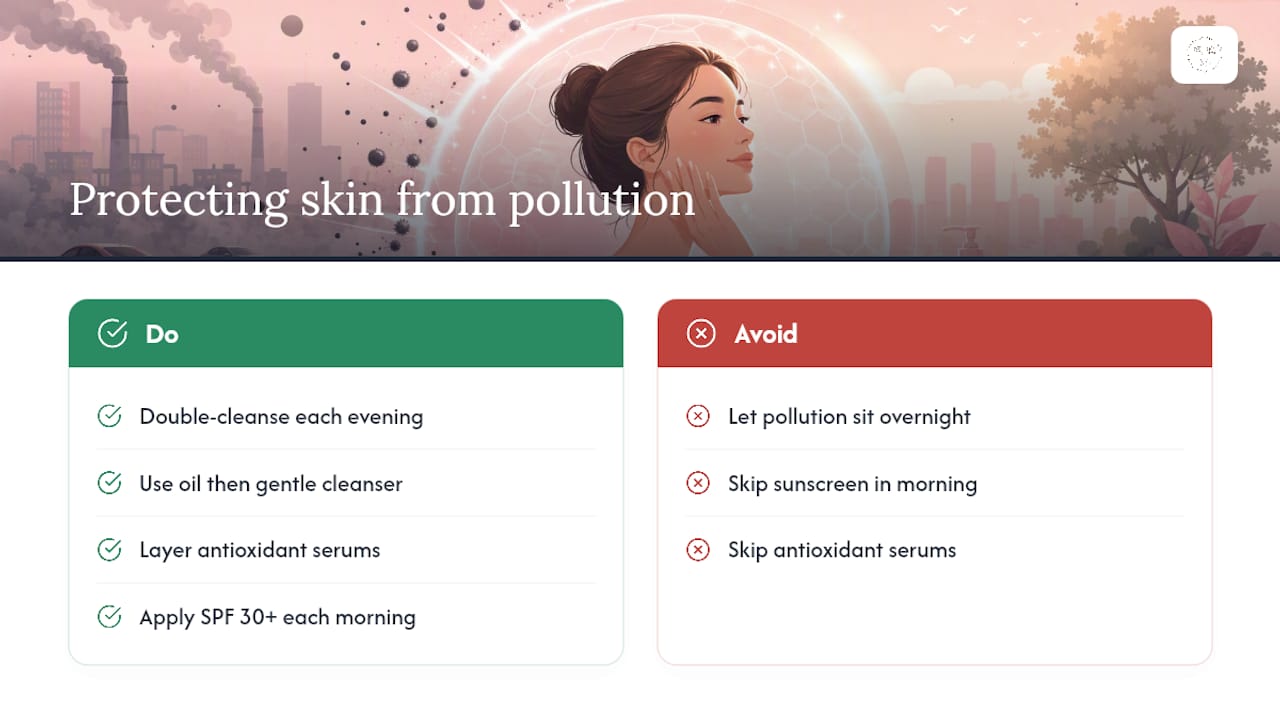
Pollution doesn’t just sit on skin, it actively degrades it. Particulate matter, smoke, and airborne toxins generate oxidative stress that breaks down collagen and accelerates the same dullness and fine lines that sun exposure causes. Urban environments make this a daily, not occasional, concern.
Two habits do most of the protective work. First, double cleanse in the evening, an oil-based or micellar first pass followed by your regular gentle cleanser, to make sure pollution particles and sunscreen residue actually leave your skin instead of sitting there overnight. Second, layer in antioxidants. Vitamin C, niacinamide, and other antioxidant serums neutralize some of the oxidative damage pollution causes before it accumulates into visible dullness.
Sunscreen remains part of this defense, since UV exposure and pollution damage skin through overlapping oxidative pathways. A broad-spectrum SPF 30+ applied every morning protects against both at once. If you live somewhere with heavy traffic or seasonal smoke, consider a lightweight antioxidant mist you can reapply midday, and treat your evening cleanse as non-negotiable rather than optional on tired nights. Skin exposed to heavy pollution simply needs more consistent barrier support than skin in cleaner air, and adjusting your routine to your actual environment matters as much as adjusting it to the season.
A Small Ritual That Changed How I Think About Glow
I used to chase new products every time my skin looked tired. What actually worked was simpler: the same four steps, every day, for weeks. Glow showed up quietly, not overnight.
Ready to Turn This Routine Into a Ritual?
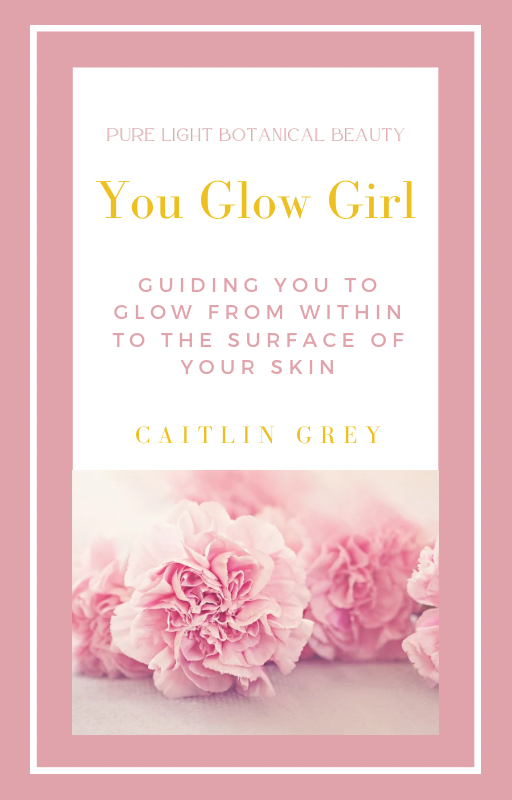
Everything in this guide works better with structure, and that’s exactly what You Glow Girl™ ~ Transformative Beauty Rituals was built to provide. Instead of guessing which serums to layer or which nights call for a retinoid, this e-book packages the routine into a plant-based, ritual-based framework designed specifically for sensitive and eczema-prone skin.
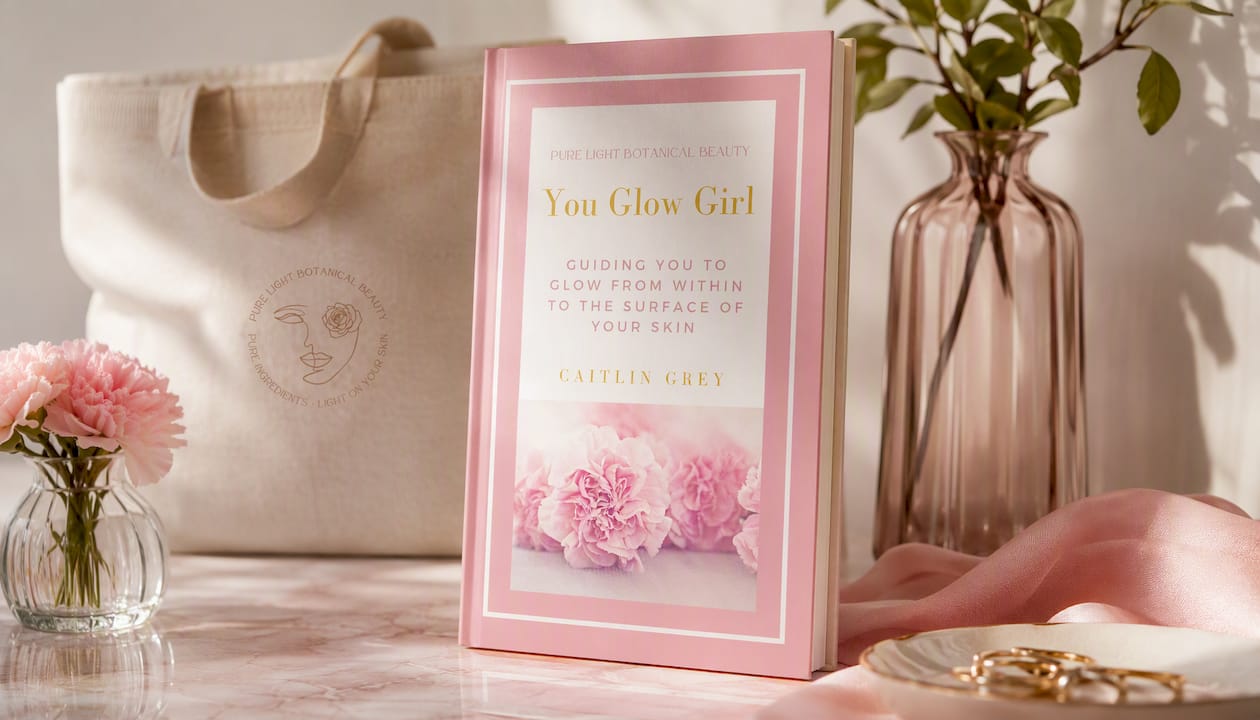
It walks through morning and evening sequencing, weekly exfoliation timing, and product pairing in a format meant to be lived with, not just read once. If the step-by-step structure in this article resonated with you, this is the next logical step: a guided version you can follow at your own pace. Get your copy of You Glow Girl™ and turn today’s routine into tomorrow’s ritual.
Sources Behind This Guide
Mayo Clinic backs the daily SPF 30+ recommendation. Curology’s research explains retinoid timelines and barrier-repairing ingredients. Glamour UK’s expert interviews support exfoliation frequency and hydration strategy. Healthline informs the coconut oil caution for reactive skin.
Frequently Asked Questions
What can I use to make my skin glow fastest? A hydrating serum with hyaluronic acid, applied to damp skin and sealed with moisturizer, gives the most immediate plumping effect. Lasting glow still depends on daily SPF and consistent barrier care.
What helps your skin glow long term? A steady routine of gentle cleansing, hydration, sun protection, and enough sleep does more for lasting radiance than any single product. Retinoids and vitamin C add measurable improvement over 8 to 12 weeks.
For glowing skin, what should I do if I have sensitive or eczema-prone skin? Prioritize barrier repair over brightening actives. Choose fragrance-free, ceramide-rich formulas, patch test anything new, and pause actives at the first sign of irritation.
What can make my skin glow without irritating it? Niacinamide and squalane are among the gentlest options for improving tone and hydration without triggering sensitivity, making them a safer starting point than stronger acids or retinoids.
How long does it take to see glowing skin results? Most people notice a visible difference within four to six weeks of consistent basics. Retinoid-driven texture and tone changes typically take 8 to 12 weeks.
Recommended
- Steps to Glowing Skin: Your Natural Radiance Guide – Pure Light Botanical Beauty
- Glowing Skin Steps for a Radiant Complexion Routine – Pure Light Botanical Beauty
- Products to Use for Glowing Skin: Expert Checklist – Pure Light Botanical Beauty
- Homemade Tips for Glowing Skin That Actually Work – Pure Light Botanical Beauty