

TL;DR:
- Switching to clean makeup involves replacing synthetic products with plant-based formulations that support skin health and transparency. A gradual, patch-tested approach over one to three months reduces the risk of skin reactions and helps identify safe, effective products. Reading ingredient labels and understanding marketing claims ensures informed choices for sensitive or reactive skin types.
Replacing conventional makeup means switching to formulations built on cleaner ingredients, transparent labeling, and gentler plant-based chemistry that actively supports your skin’s health. The standard industry term for this shift is “clean beauty transition,” and it covers everything from swapping your foundation to rethinking your lip color. Done right, this process protects sensitive skin, reduces exposure to synthetic fragrances and preservatives, and turns your daily routine into something that genuinely nourishes you. This guide walks you through every step, from reading ingredient labels to patch testing, so you can make the switch with confidence.
How to replace conventional makeup: what you need first
Before you swap a single product, you need two things: the right mindset and a basic toolkit. Rushing the process is the most common mistake women make, and it leads to skin flare-ups that are hard to trace back to a specific cause.
What to gather before you start:
- A gentle, fragrance-free cleanser for removing makeup during testing
- Clean cotton rounds or swabs for patch testing
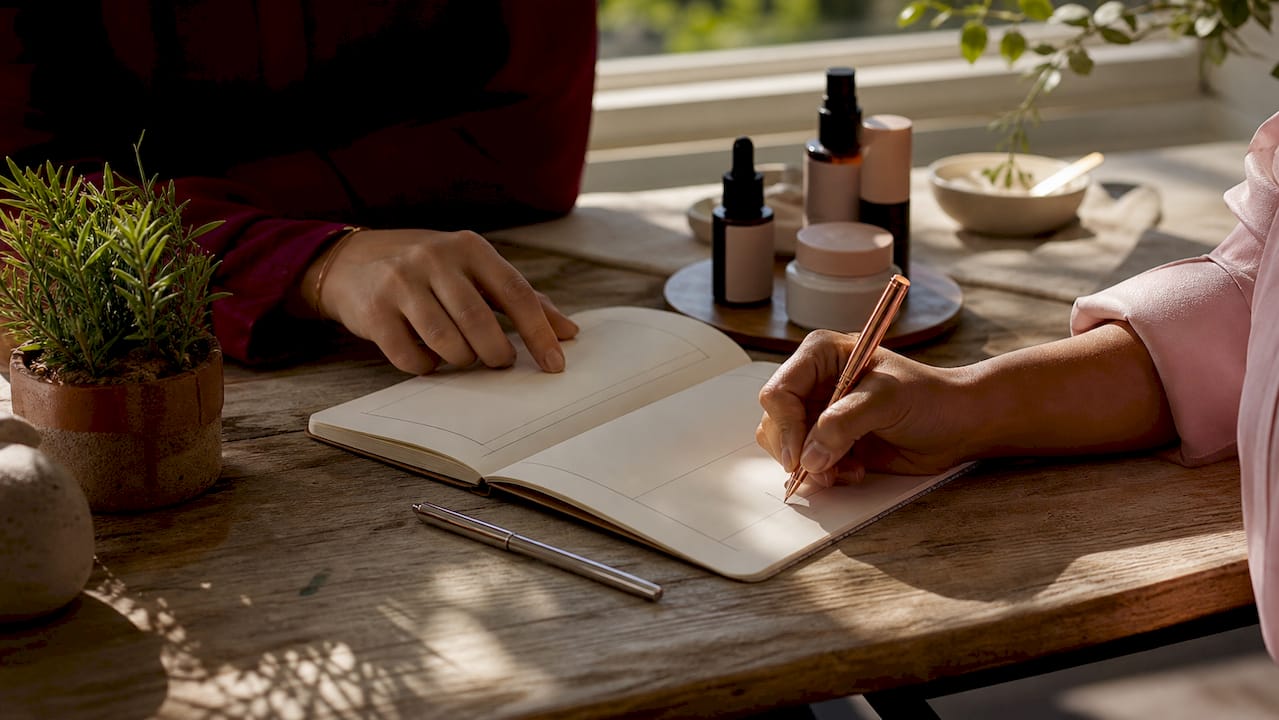
- A small notebook or notes app to log product names, application sites, dates, and any reactions
- Access to ingredient databases like the Environmental Working Group’s Skin Deep or CosDNA for cross-referencing labels
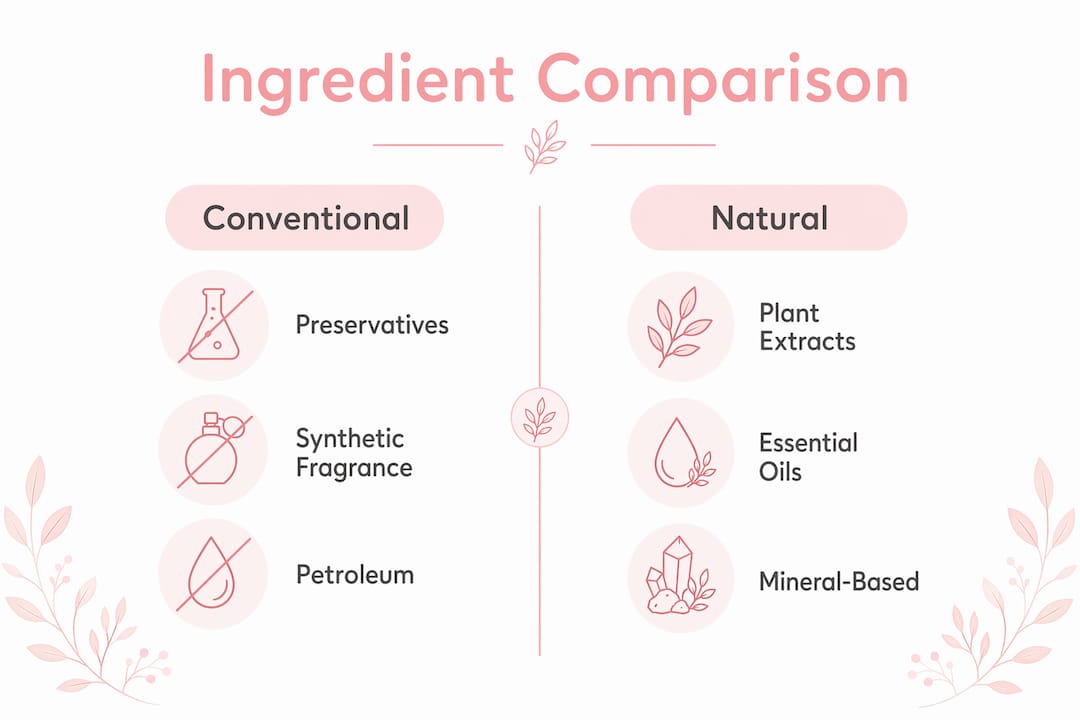
Understanding ingredient labels is non-negotiable. The FDA requires cosmetic ingredient lists to use INCI names in descending order of predominance, with ingredients present at 1% or less listed after higher-concentration ones, and color additives placed last. That means the first five ingredients on any label represent the bulk of what you are actually putting on your face. If a synthetic fragrance or a known irritant appears in the top five, that product is not a clean swap regardless of what the front of the package claims.
Know the difference between “fragrance-free” and “unscented.” Products labeled “unscented” may still contain masking fragrances that neutralize odor without being disclosed as a scent. For sensitive or reactive skin, only “fragrance-free” is a reliable label. Look for products that are also dermatologist-tested and hypoallergenic, since those claims carry more weight than “natural” or “organic,” which are not regulated categories under U.S. law.
Pro Tip: Before buying any new product, search its full name plus “INCI list” online. Many brands publish their complete ingredient lists on their websites, and cross-referencing with Skin Deep takes under two minutes.
Step-by-step: how to switch to natural makeup without skin stress
A staged approach over 1–3 months is the method aesthetic doctors recommend. Replacing everything at once overwhelms your skin and makes it nearly impossible to identify which product caused a reaction.
- Start with your longest-contact products. Foundation and concealer sit on your skin for hours every day. These carry the highest cumulative exposure, so replace them first. Choose a mineral or plant-based formula with five ingredients or fewer to start.
- Patch test every new product individually. Apply a small amount to clean, dry skin on your inner forearm or behind your ear. Leave it for 24–48 hours without washing that spot. Watch for redness, itching, swelling, or a rash. If nothing appears, the product is likely safe for broader use.
- Never test two new products simultaneously. Testing multiple products on the same site or at the same time makes it impossible to identify which one triggered a reaction. Space your tests by at least 48 hours and use separate skin locations for each.
- Move to eye and lip products next. Once your base products are confirmed safe, introduce mascara, eyeliner, and lip color one at a time using the same patch test protocol. The eye area is especially reactive, so give each product a full 48-hour window.
- Integrate skincare alongside your makeup swap. Switching to a clean moisturizer or serum at the same time reinforces the skin barrier, which makes your skin more resilient during the transition. Products from natural makeup lines designed to heal while they color are especially useful at this stage.
Pro Tip: Keep a simple reaction log. Note the product name, where you applied it, the date, and any skin changes. This record becomes invaluable if you need to consult a dermatologist later.
The table below maps out a realistic transition timeline:
| Week | Focus Area | Action |
|---|---|---|
| 1–2 | Foundation and concealer | Patch test, then replace if clear |
| 3–4 | Blush and bronzer | Patch test mineral or botanical formulas |
| 5–6 | Eye makeup | Test mascara and liner separately |
| 7–8 | Lip color and gloss | Introduce clean lip products last |
| 9–12 | Full routine review | Confirm all products are performing well |
How to read labels and choose the best natural makeup alternatives
Marketing language and regulated labeling are two entirely different things. Terms like “natural,” “clean,” and “green” are not legally defined under U.S. cosmetic law, which means any brand can use them freely. Claims like “natural” or “organic” must be truthful and substantiated, but they do not guarantee safety based on ingredient origin alone.
The table below compares what you typically find in conventional versus natural makeup formulas:
| Ingredient Category | Conventional Makeup | Natural/Clean Makeup |
|---|---|---|
| Preservatives | Parabens (methylparaben, propylparaben) | Vitamin E (tocopherol), rosemary extract |
| Fragrance | Synthetic fragrance blends | Fragrance-free or essential oil-based |
| Colorants | FD&C synthetic dyes | Iron oxides, mica, plant pigments |
| Emollients | Mineral oil, petrolatum | Jojoba oil, shea butter, argan oil |
| Binders | Synthetic polymers | Beeswax, carnauba wax, candelilla wax |
Third-party certifications add a meaningful layer of verification. Seals from organizations like COSMOS, USDA Organic, or Leaping Bunny confirm that a brand’s claims have been independently reviewed. Purelightbotanicalbeauty explains what these clean beauty certifications actually mean in practice, which is worth reading before you shop. Ingredient transparency, not just marketing copy, is the standard to hold every brand to.
Pro Tip: If a product lists “fragrance” or “parfum” anywhere on the label without specifying the source, treat it as a potential irritant. Fragrance is one of the most common allergens in cosmetics, even in products marketed as natural.
What are the most common challenges when switching makeup?
The transition to non-toxic makeup options is rarely perfectly smooth, and knowing what to expect makes the process far less discouraging.
Distinguishing irritation from an allergic reaction matters. Simple irritation produces redness or stinging that clears within a few hours of removing the product. Allergic contact dermatitis, by contrast, produces a delayed reaction that appears 24–48 hours after exposure and may include hives, blistering, or persistent itching. If you experience the latter, stop using the product immediately and log the reaction.
When to see a dermatologist:
- Reactions that persist more than 72 hours after removing the product
- Swelling around the eyes or lips
- Repeated reactions across multiple products with no clear pattern
- Worsening eczema or rosacea during the transition
Formal patch testing by a dermatologist can assess 80–100 allergens simultaneously, pinpointing the exact ingredient causing your reaction. This is far more efficient than months of trial and error on your own.
Slow your pace if your skin signals stress. If you notice increased sensitivity, pull back to products you know are safe and wait two weeks before introducing anything new. The goal is not speed. The goal is a routine your skin genuinely thrives in.
“Tracking product name, application site, date, and reaction type systematically aids in identifying allergy patterns and deciding when to seek formal testing.” Las Vegas Integrative Dermatology
Confidence during the transition comes from knowledge, not from having a flawless routine on day one. Every product you successfully swap is a step toward a routine that works with your skin rather than against it. Resources like natural makeup tips for sensitive skin can help you stay grounded when the process feels slow.
Key takeaways
Replacing conventional makeup safely requires a staged, patch-tested transition guided by ingredient literacy, not marketing claims.
| Point | Details |
|---|---|
| Start with high-contact products | Replace foundation and concealer first since they carry the highest daily skin exposure. |
| Patch test every product alone | Test each new formula for 24–48 hours on a separate skin site before full application. |
| Read INCI labels, not front claims | FDA-required ingredient lists reveal true formula content; marketing terms like “natural” are unregulated. |
| Choose fragrance-free over unscented | Only “fragrance-free” guarantees no hidden masking fragrances that can trigger reactions. |
| Log reactions systematically | Recording product, site, date, and reaction type helps identify patterns and guides dermatologist visits. |
Why patience is the most underrated part of this process
I have watched women abandon their clean beauty transition after two weeks because their skin “didn’t improve fast enough.” That frustration is real, but the expectation is off. Your skin spent years adapting to synthetic formulas. Asking it to recalibrate in 14 days is not a fair test.
What I have found actually works is treating each product swap as its own small experiment. When I replaced my foundation with a botanical mineral formula, I gave it a full month before judging the results. By week three, the low-grade congestion I had accepted as normal was gone. That kind of shift does not happen overnight, and it will not show up if you are changing five products at once.
The other thing most guides skip is the emotional dimension. Letting go of a product you have used for years can feel surprisingly unsettling. Your routine is tied to your identity and your confidence. Recognizing that is not weakness. It means you are paying attention. The transition works best when you frame it as adding something nourishing rather than taking something away.
Ingredient literacy is the skill that makes everything else possible. Once you can read a label and know what you are looking at, you stop relying on brand promises and start making choices grounded in real knowledge. That shift in how you relate to your beauty products is, honestly, more transformative than any single formula swap.
— Kaitlyn
Discover clean makeup that works as hard as you do
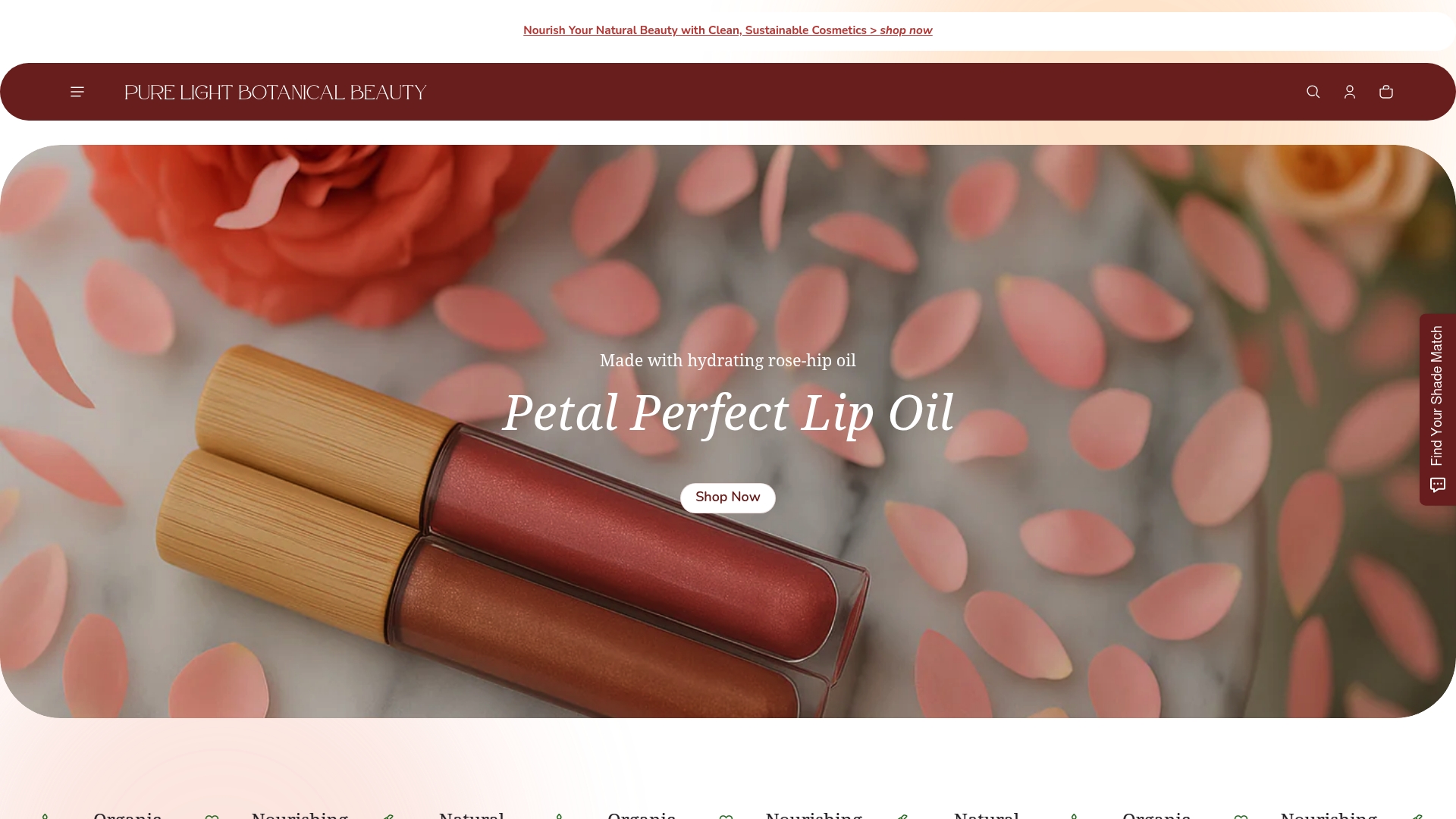
Purelightbotanicalbeauty was built for exactly this moment in your routine. Every formula in the collection, from the Petal Perfect Lip Oil to the Botanical Crème Blush and Nourishing Lipstick, is crafted with plant-based ingredients chosen for both performance and skin health. The brand’s commitment to ingredient transparency means you can read every label with confidence, knowing there are no hidden fragrances or synthetic fillers. These formulas are especially suited for sensitive skin and eczema-prone complexions. Explore the full natural makeup collection at Purelightbotanicalbeauty and find the clean alternatives your skin has been waiting for.
FAQ
What does “replacing conventional makeup” actually mean?
Replacing conventional makeup means swapping synthetic, chemical-heavy formulas for clean, plant-based alternatives with transparent ingredient lists. The goal is to reduce skin exposure to potential irritants like parabens, synthetic fragrances, and petroleum-derived emollients.
How long does a safe clean beauty transition take?
Aesthetic doctors recommend a staged transition over 1–3 months, replacing one product category at a time. This pace allows your skin to adjust and makes it easier to identify any reactions.
Is “natural” makeup actually safer than conventional makeup?
Not automatically. Terms like “natural” and “clean” are not regulated under U.S. cosmetic law, meaning any brand can use them. Always read the full INCI ingredient list and look for third-party certifications to verify a product’s safety profile.
How do i know if i am reacting to a new natural makeup product?
Allergic contact dermatitis typically appears 24–48 hours after exposure and presents as redness, itching, swelling, or a rash. Simple irritation clears faster. Log your reactions and consult a dermatologist if symptoms persist beyond 72 hours.
What ingredients should i avoid when choosing natural makeup alternatives?
Avoid synthetic fragrances (listed as “fragrance” or “parfum”), parabens, and formaldehyde-releasing preservatives. For sensitive skin relief, prioritize fragrance-free, minimal-ingredient formulas with recognizable plant-based components.
Recommended
- How to Transition to Clean Makeup Without Irritating Sensitive Skin – Pure Light Botanical Beauty
- How to Switch to Natural Makeup Naturally for Radiant Skin – Pure Light Botanical Beauty
- Best natural makeup for sensitive skin in 2026 – Pure Light Botanical Beauty
- Complete Guide to Mindful Makeup Application – Pure Light Botanical Beauty