

How makeup supports emotional wellness and mental health
Makeup for emotional wellness is not a trend or a marketing phrase. It is a practice grounded in behavioral psychology, neuroscience, and now clinical research, showing that a consistent cosmetic routine can meaningfully shift how you feel, not just how you look. The act of applying makeup engages your senses, structures your morning, and gives your mind something purposeful to do, all of which matter deeply when anxiety or low mood makes even small tasks feel heavy.
Here is what the research and psychological community have confirmed about how beauty routines support mental health:
- Behavioral activation: Makeup application gives structure and a sense of accomplishment, two things that counter depression and anxiety by breaking cycles of inactivity and withdrawal.
- Sensory grounding: Touch, scent, and sight are all engaged during application, anchoring attention in the present moment much like a mindfulness practice.
- Dopamine release: Small acts of self-care trigger the brain’s reward system, creating a gentle but real lift in mood.
- Improved self-image: Seeing a refreshed reflection activates self-acceptance and shifts emotional tone, even before stepping out the door.
- Creative expression: Choosing colors and textures is a form of personal storytelling, one that builds a quiet sense of agency and identity.
- Emotional regulation: The ritual quality of a routine, repeated and intentional, helps regulate the nervous system over time.
- Complementary care: Makeup works best alongside, not instead of, professional mental health support, functioning as a low-cost, accessible daily supplement to therapy or medication.
What makes this compelling is that the benefits are not purely subjective. Controlled research now backs what many women have felt intuitively for years: that caring for your appearance is a form of caring for your mind.
What a 2024 clinical trial revealed about makeup and depressive symptoms
The most rigorous evidence to date comes from a randomized controlled trial published in 2024, which measured the effect of introducing frequent makeup use on adult women with medium to low purchasing power who had not previously maintained a regular makeup routine. The study used the Zung Self-Assessment Depression Scale, a validated psychiatric tool developed at Duke University, alongside a mirror test for self-image and salivary cortisol measurement for stress.
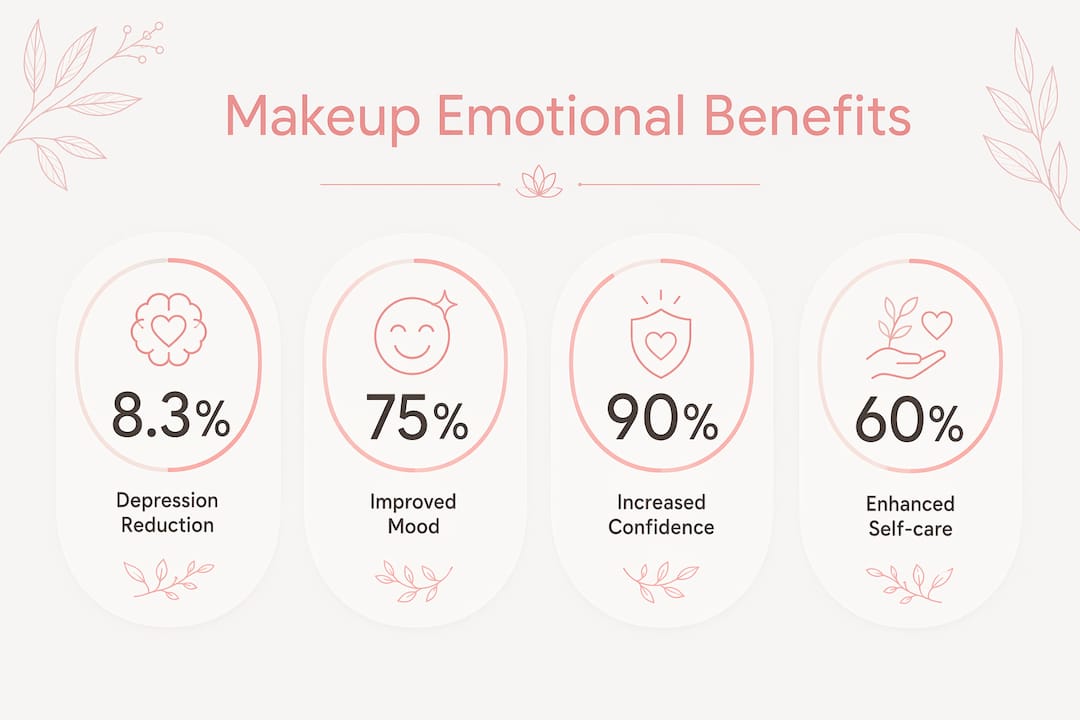
The results were striking. Participants in the test group showed an 8.3 percentage-point reduction in depressive symptom scores, a 25% increase in self-image perception, and a 55% drop in salivary cortisol after the first makeup application. All three findings reached statistical significance (P < 0.05). The cortisol reduction is particularly telling because cortisol is a direct biomarker of stress and a known contributor to depression when chronically elevated.
The study design matters here. Participants received makeup products and attended a workshop, then followed the routine for 60 days. This was not a self-reported survey or a correlational study. It was a controlled intervention with objective physiological measurement, which places it in a different category from most beauty and wellness research.
Critically, the researchers were clear that makeup functions as a supplementary self-care tool, not a clinical treatment. The findings suggest that encouraging this practice can complement existing mental health strategies, particularly for populations with limited access to formal care.
Why does applying makeup actually change how you feel?
The mood shift that follows a makeup routine is not imaginary, and it is not simply about looking better. Several well-documented psychological mechanisms explain what is happening beneath the surface.

Behavioral activation is the most foundational. In cognitive behavioral therapy, behavioral activation refers to engaging in structured, purposeful activities to interrupt the withdrawal and passivity that feed depression. Makeup application fits this framework precisely. Experts note that the routine itself, not the aesthetic result, is what generates the emotional benefit. Completing a small, intentional task creates a sense of accomplishment that can shift the trajectory of an entire morning.
Sensory engagement adds another layer. Makeup involves touch, sight, and often scent, three sensory channels that, when engaged simultaneously, anchor attention in the present and disrupt the ruminative thought loops associated with anxiety and depression. This is the same mechanism that makes mindfulness meditation effective, applied through a familiar daily act.
Enclothed cognition extends the science further. Research on this theory shows that small physical changes in appearance, including applying lipstick or blush, rapidly shift emotional tone and increase a person’s sense of control. The feedback loop is direct: acting as though you feel capable tends to make you feel more capable.
- Dopamine and reward: The brain registers self-care as a rewarding act, releasing dopamine in response to the completion of a pleasurable routine.
- Enclothed cognition: Physical appearance changes alter internal psychological states, not just external perception.
- Sensory mindfulness: Multi-sensory engagement during application reduces autonomic nervous system arousal.
- Agency and control: Choosing how you present yourself restores a sense of personal power during emotionally chaotic periods.
Motivation is the variable that determines whether these benefits materialize. Research published in SAGE Open found that internal motivation, using makeup for creativity, self-expression, and mastery, produces positive mental health effects. External pressure rooted in beauty standards or social comparison tends to erode self-esteem rather than build it.
Pro Tip: Before you start your routine, ask yourself one question: “Am I doing this for me?” If the answer is yes, you are already using makeup in the way that research shows is most beneficial. If the answer feels complicated, that awareness itself is worth sitting with.
How to turn your makeup routine into a mindful self-care ritual
Mindful makeup is the practice of applying cosmetics with full sensory awareness and intentionality, treating the routine as a grounding ritual rather than a task to complete before the day begins. The distinction sounds subtle, but it changes everything about how the experience feels and what it does for your emotional state.
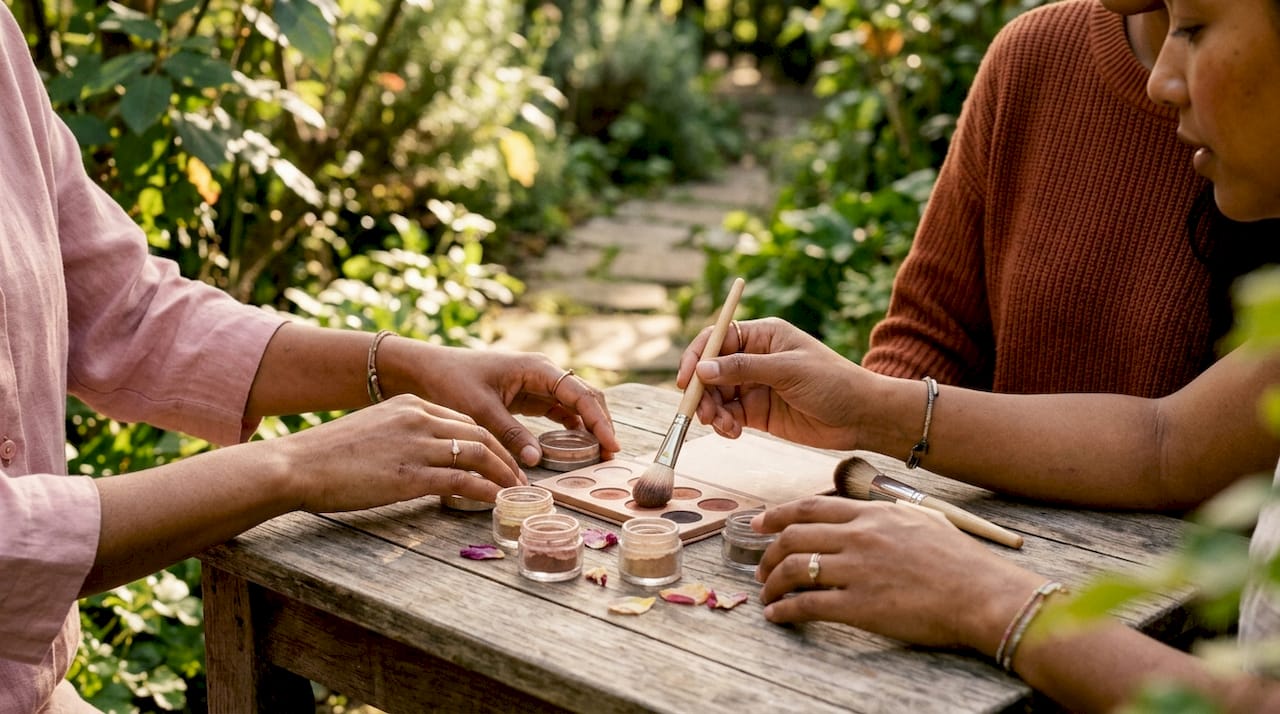
When you slow down and notice the texture of a product, the warmth of your fingertips on your skin, or the way a color makes you feel before you even finish applying it, you are practicing a form of present-moment awareness. Mindful beauty practices reduce autonomic nervous system arousal, meaning your body’s stress response actually quiets during the ritual. That is not a metaphor. It is measurable physiology.
Here are ways to build a makeup ritual that genuinely supports your emotional wellness:
- Set the environment: Soft lighting, a clean mirror, and a few minutes of quiet signal to your nervous system that this time is yours. Even five minutes without a phone nearby changes the quality of the experience.
- Choose colors intentionally: Warm tones like terracotta and rose tend to feel grounding and nurturing. Brighter shades can feel energizing. Let your emotional needs guide your palette that day, not just habit.
- Incorporate breath: Pairing slow, deep breaths with application, especially during blending, enhances the calming effect and keeps attention anchored in the body.
- Use affirmations or uplifting audio: Playing a favorite podcast, gentle music, or a short meditation while you apply creates positive emotional associations with the ritual over time.
- Habit stack: Attach your makeup ritual to an existing anchor, like morning coffee or a skincare routine, so it becomes automatic rather than effortful.
- Reflect at the mirror: Before finishing, pause and meet your own gaze. This is not vanity. The mirror test used in clinical research shows that confronting your own reflection activates self-acceptance and emotional processing.
The social benefits of this practice extend beyond the mirror. Women who maintain consistent beauty rituals for sensitive skin and emotional wellness often report greater confidence in social interactions and reduced social anxiety, not because they look different to others, but because they feel more settled in themselves.
How botanical beauty deepens the emotional wellness connection
There is a meaningful difference between reaching for any product and reaching for one that was formulated with your skin’s health and your emotional experience in mind. At Purelightbotanicalbeauty, the belief is that beauty and healing can come from the same source: nature. That conviction shapes every formula.
Clean, plant-based ingredients do more than perform on the skin. They transform the sensory experience of a makeup routine into something genuinely nourishing. For people with sensitive skin or conditions like eczema, conventional cosmetics can feel like a compromise, something you tolerate for the aesthetic result. Botanical formulas change that dynamic. When your skin feels calm and cared for during and after application, the emotional benefit of the ritual deepens.
Purelightbotanicalbeauty’s flagship products are designed with this philosophy at their core:
- Petal Perfect Lip Oil: A plant-based formula that nourishes while adding color, turning a simple step into a moment of genuine skin care. The texture and scent make application feel like a small act of tenderness toward yourself.
- Botanical Crème Blush: Formulated with skin-loving botanicals, this blush delivers warmth and color while supporting the skin barrier. Blending it into the high points of your cheeks, as the clinical research on makeup regimens describes, is one of the most mood-lifting steps in any routine.
- Nourishing Lipstick: Performance-driven color that does not ask your skin to pay a price for it.
The connection between skin health and emotional well-being is well established in psychodermatology. When your skin feels irritated, inflamed, or reactive, it affects your mood and your willingness to engage in self-care at all. Choosing products that actively support skin health removes that barrier. You can explore the role of wellness in makeup and how botanical ingredients serve both purposes simultaneously.
Pro Tip: If you have sensitive skin, start your mindful makeup ritual with the product that feels most comforting to apply, not the one you feel most obligated to use. Building positive emotional associations with the routine matters more than the order of application.
When makeup becomes a crutch rather than a comfort
The same qualities that make makeup a powerful self-care tool can, under certain conditions, tip into dependency. Recognizing this distinction is part of using cosmetics for emotional wellness with genuine wisdom.
Psychological dependency on makeup tends to develop when the routine shifts from “I enjoy this” to “I cannot face the day without this.” The difference is not always obvious from the inside. A person who feels profound anxiety at the thought of being seen without makeup, or who uses the routine to avoid addressing deeper emotional pain, may be masking rather than managing their mental state. Makeup can quiet the surface of distress without touching its roots, and that is a pattern worth noticing.
Skin health is another consideration. Heavy or frequent use of products not formulated for your skin type can trigger inflammation, breakouts, or barrier disruption, which then feeds a cycle of using more product to cover the result. This is one reason that the quality and composition of what you apply matters as much as the ritual itself.
The clearest sign that makeup has moved from support to dependency is when skipping it feels threatening rather than simply inconvenient. Mental health professionals, including therapists who work with body image and appearance-related anxiety, recommend periodic “bare days” not as punishment but as a way to reconnect with the self that exists beneath the routine. If bare days feel genuinely distressing, that is useful information to bring to a counselor or therapist.
Makeup works best as one thread in a larger fabric of self-care, not as the whole cloth. When it complements therapy, movement, rest, and connection, it thrives in its proper role.
Pairing your makeup ritual with other emotional wellness practices
A makeup routine does not exist in isolation, and its emotional benefits multiply when woven into a broader wellness practice. The most effective approach treats the ritual as one anchor point in a day designed with your mental health in mind.
Therapy and makeup are not competing strategies. Many therapists who specialize in behavioral activation actively encourage clients to maintain grooming routines precisely because the structure and sensory engagement support the same goals as clinical intervention. If you are working with a therapist on depression or anxiety, your morning ritual can become a concrete behavioral activation assignment, something small, achievable, and genuinely pleasurable.
Meditation and makeup pair naturally because both ask you to slow down and pay attention. You can practice a brief body scan or breathing exercise before you begin applying, or integrate slow, conscious breath into the blending process itself. Research on mindful makeup application shows that this combination produces measurably calmer physiological states than either practice alone.
Movement is another powerful pairing. Light stretching or a short walk before your makeup ritual primes the nervous system for calm focus, making the ritual feel less like a chore and more like a continuation of care. The clinical research on beauty regimens that incorporated smiling, stretching, and deep breathing found significant improvements in both hedonic well-being and salivary cortisol levels, suggesting that the body and the ritual reinforce each other.
Journaling or intention-setting before or after your routine adds a reflective dimension. Even two sentences about how you want to feel that day, written while your skin is still warm from cleansing, can orient your emotional state before the demands of the day arrive.
How culture and social context shape makeup’s emotional impact
Makeup does not carry the same emotional meaning for every person, and that variation is not random. Culture, community, and lived experience all shape whether a cosmetic routine feels liberating, obligatory, or somewhere in between.
In many communities across the United States, makeup is a form of cultural expression and intergenerational connection. The ritual of a grandmother teaching a granddaughter to apply lipstick, or a group of friends getting ready together before an event, carries emotional weight that goes far beyond aesthetics. These shared practices build belonging, which is one of the most protective factors for mental health. You can explore how beauty rituals across cultures have served this connective function across generations and geographies.
Social confidence is one of the most consistently reported emotional benefits of makeup use. When you feel put together, you tend to engage more openly with others, hold eye contact longer, and speak with more assurance. This is not superficial. Social connection is a primary driver of emotional well-being, and anything that lowers the barrier to genuine interaction has real psychological value.
The pressure side of this equation deserves equal honesty. Beauty standards communicated through media and social platforms can transform what should be a personal ritual into a performance for external approval. When makeup becomes about meeting a standard rather than expressing yourself, the emotional calculus reverses. Research consistently shows that externally motivated cosmetic use correlates with lower self-esteem, not higher. The cultural context you inhabit matters, and so does your awareness of how it shapes your relationship with your own reflection.
Choosing products and practices that feel authentic to you, rather than aspirational in a way that always keeps you one step behind, is where the emotional benefit lives.
Key Takeaways
Makeup for emotional wellness works through measurable psychological and physiological mechanisms, making it a meaningful complement to mental health care when used with intention and self-awareness.
| Point | Details |
|---|---|
| Clinical evidence is strong | A 2024 randomized controlled trial found an 8.3 percentage-point drop in depressive symptoms, a 25% increase in self-image perception, and a 55% cortisol reduction after makeup use. |
| Motivation determines the benefit | Internal motivation, creativity and self-expression, produces positive mental health effects; external pressure tends to reduce self-esteem. |
| Mindful application amplifies results | Pairing slow breath and sensory awareness with application reduces autonomic nervous system arousal and deepens the calming effect. |
| Botanical formulas support the ritual | Clean, plant-based products nourish sensitive skin during the routine, removing the barrier of irritation and deepening emotional benefit. |
| Makeup complements, not replaces, care | It works best alongside therapy, movement, and connection, not as a substitute for professional mental health support. |
Discover Purelightbotanicalbeauty
Your makeup ritual deserves products that meet you with the same care you bring to it. Purelightbotanicalbeauty was built on the belief that every formula should nourish your skin and honor your emotional experience, not ask you to choose between the two. From the Petal Perfect Lip Oil to the Botanical Crème Blush, each product is crafted with clean, plant-based ingredients that support skin health while making the ritual feel like the self-care it truly is. Explore the full collection at Purelightbotanicalbeauty and find the products that make your morning ritual something you genuinely look forward to.
Recommended
- The Essential Guide to the Role of Wellness in Makeup – Pure Light Botanical Beauty
- Complete Guide to Mindful Makeup Application – Pure Light Botanical Beauty
- How to Use Makeup for Empowerment: A Gentle Guide – Pure Light Botanical Beauty
- Clean Makeup’s Impact: Enhance Beauty and Skin Well-Being – Pure Light Botanical Beauty