

TL;DR:
- Clean makeup supports skin healing by restoring lipids and creating protective barriers.
- It reduces irritation through plant-based ingredients and avoids known skin irritants.
- Mindful routines and proper product choice enhance emotional well-being and skin health.
If you have sensitive skin or eczema, you’ve probably been told to stay away from makeup altogether. That advice feels safe on the surface, but it overlooks something important. Clean makeup acts as skin-nurturing therapy by creating protective barriers, restoring lipids, and supporting healing. The right formulas don’t just sit on top of your skin. They work with it. This article walks you through what makes clean makeup genuinely different, how it supports skin healing at a biological level, why it matters for your emotional well-being, and exactly how to choose and apply it with confidence.
Table of Contents
- What makes clean makeup different for sensitive skin
- The healing mechanics: How clean makeup supports skin health
- Emotional well-being: Self-care rituals and confidence boosts
- Practical guide: Choosing and applying clean makeup for sensitive skin
- A fresh take: What most guides miss about clean makeup’s impact
- Transform your routine: Clean makeup solutions for sensitive skin
- Frequently asked questions
Key Takeaways
| Point | Details |
|---|---|
| Clean makeup reduces irritation | Fragrance-free, hypoallergenic formulas minimize adverse reactions for sensitive skin. |
| Supports skin healing | Clean makeup acts as a nurturing barrier, restoring lipids and promoting healthy recovery. |
| Boosts confidence and self-care | Beauty routines with clean products foster mindfulness, emotional uplift, and self-expression. |
| Certifications matter | National Eczema Association and dermatologist seals indicate safety for eczema and sensitive skin. |
| Practical use improves well-being | Adopting safe application techniques and mindful rituals maximizes healing and emotional benefits. |
What makes clean makeup different for sensitive skin
With the misconceptions cleared, let’s explore how clean makeup actually differs from conventional options for sensitive skin.
Clean makeup means formulas free from synthetic fragrances, parabens, sulfates, phthalates, and other known irritants. But it’s more than a list of things removed. Clean beauty is defined by what’s intentionally included: plant-based actives, skin-nourishing oils, and botanicals that calm rather than compromise your skin barrier. The benefits of clean cosmetics go well beyond avoiding reactions. They actively support the skin’s natural repair process.
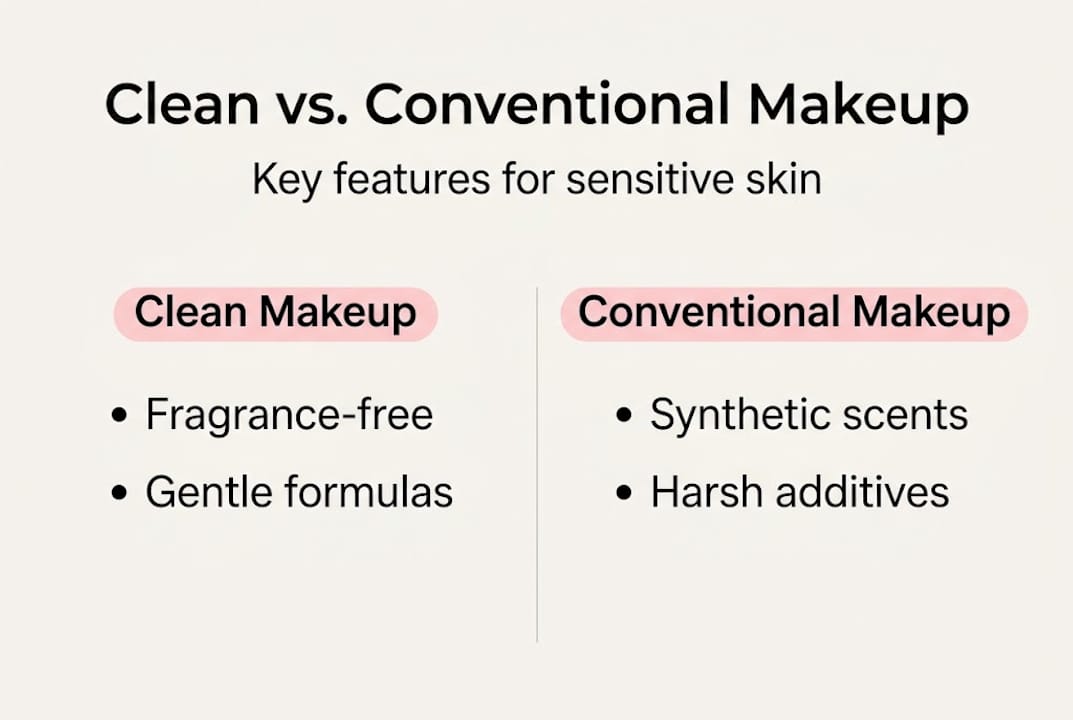
For women with eczema or hypersensitive skin, the difference between conventional and clean formulas is not subtle. Conventional products often contain comedogenic fillers, artificial dyes, and heavy preservatives that trigger flares. Clean formulas skip those entirely.
| Feature | Clean makeup | Conventional makeup |
|---|---|---|
| Fragrance | Fragrance-free or natural | Synthetic fragrances common |
| Preservatives | Plant-based or minimal | Parabens, formaldehyde releasers |
| Skin effect | Nourishing, barrier-supporting | Potentially irritating or occlusive |
| Certifications | NEA-reviewed, hypoallergenic | Rarely certified for sensitive skin |
| Common irritants | Excluded | Often present |
Look for products certified by the NEA sensitive solutions program, which reviews products specifically for safety on eczema-prone skin. That seal matters. Fragrance-free, hypoallergenic formulas consistently show reduced irritation in users with sensitive and eczema-prone skin, and expert consensus supports their superiority over conventional alternatives.
Here’s what to look for when scanning an ingredient label:
- Ceramides and fatty acids: rebuild the skin’s lipid barrier
- Aloe vera and chamomile: calm redness and reduce inflammation
- Jojoba and rosehip oil: mimic natural sebum without clogging pores
- Zinc oxide: provides sun protection without chemical irritants
- No synthetic fragrance, no alcohol, no harsh dyes
“The goal is to wear makeup that your skin doesn’t have to fight. The right clean formula works in the background, supporting your barrier while you go about your day.” — Dermatologist consensus on clean beauty for sensitive skin
Exploring eczema-safe makeup essentials can help you build a starter kit without the guesswork.
The healing mechanics: How clean makeup supports skin health
Having established clean makeup’s safety, let’s look into its healing effects at the skin level.
Your skin barrier is like a brick wall. Eczema weakens the mortar between those bricks, letting moisture escape and irritants enter. Clean makeup, when formulated thoughtfully, can act as a temporary patch for that wall. Ingredients like ceramides and plant oils fill in the gaps, reducing water loss and creating a surface that resists environmental triggers.
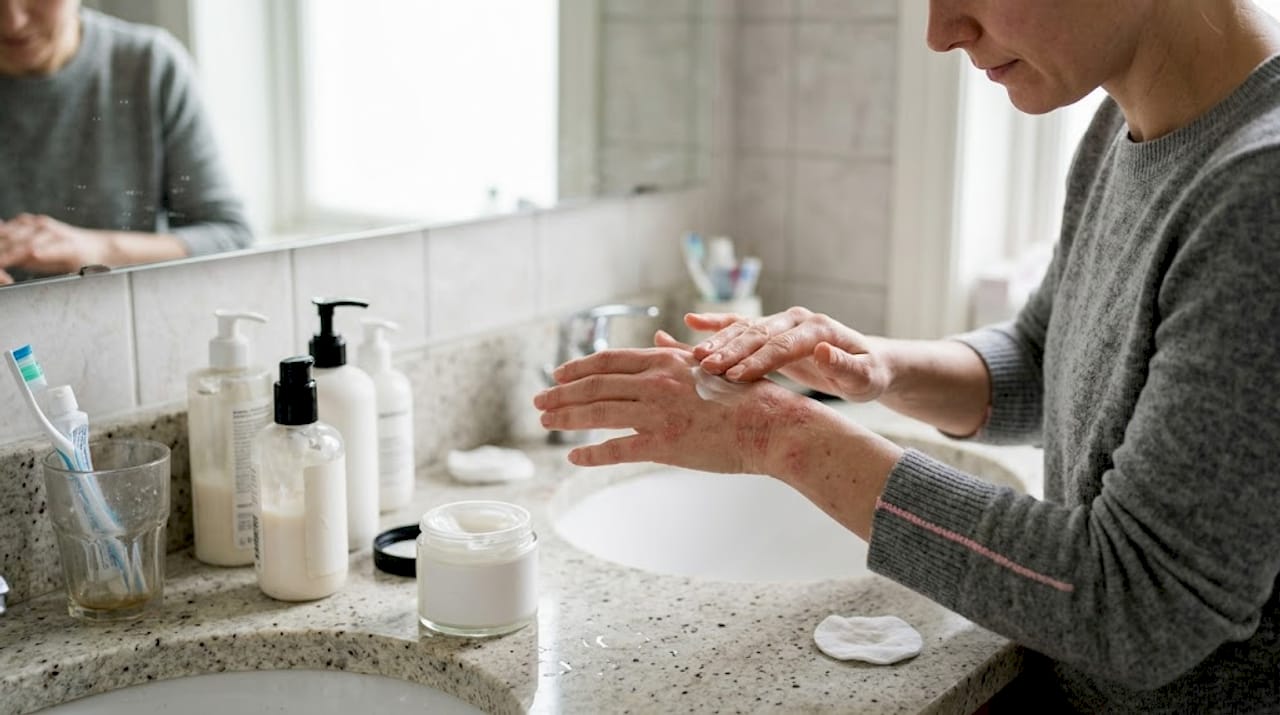
Clean makeup therapy supports healing by restoring lipids, forming protective barriers, and reducing the inflammatory load your skin carries daily. This isn’t just comfort. It’s a measurable shift in how your skin functions throughout the day.
Here’s how clean formulas contribute to skin health:
- Barrier reinforcement: Lipid-rich ingredients physically seal the skin surface
- Lipid restoration: Plant oils replenish what eczema depletes
- Anti-irritant protection: Clean formulas reduce the number of reactive compounds touching your skin
- Emotional grounding: The ritual itself lowers cortisol, which can directly reduce inflammation
- Gentle removal: Cleansing balms lift product without stripping the barrier further
Proper removal is just as important as application. Leaving any makeup on overnight, even clean formulas, stresses compromised skin. A gentle oil-based cleanser or micellar water designed for sensitive skin lifts product without disrupting pH or lipids.
Your transition to clean makeup doesn’t need to happen overnight. Swapping one product at a time lets your skin adjust gradually and gives you a clear read on what’s working.
Pro Tip: During an active eczema flare, skip all makeup on the affected area. Focus on healing first. Once skin has calmed and the barrier is more intact, reintroduce products one at a time. Keep a simple clean makeup checklist on hand so you never accidentally reach for something that could trigger a reaction.
Emotional well-being: Self-care rituals and confidence boosts
Now let’s connect the healing benefits of clean makeup with its role in self-care routines and emotional well-being.
There’s something quietly powerful about standing in front of a mirror and choosing to care for yourself. For women living with eczema, that moment can carry extra weight. Skin conditions affect how we see ourselves. They create self-consciousness in social situations. They can chip away at confidence over time. Clean makeup doesn’t erase those feelings, but it gives you a tool that works with your skin instead of against it.
Clean makeup enhances well-being by enabling beauty routines without compromising skin health, boosting confidence and self-care for eczema sufferers. That’s not a small thing. It’s the difference between hiding and expressing.
Here’s how a mindful beauty routine supports mental health:
- Slowing down and focusing on each step creates a meditative pause in a busy day
- Choosing products that nourish your skin reinforces self-respect and intentionality
- Seeing yourself put together lifts mood and can reduce social anxiety
- The sensory experience of application, texture, scent, warmth, grounds you in the present moment
- Completing a routine creates a small, daily sense of accomplishment
Beauty and mental health are more connected than most guides acknowledge. Exploring beauty rituals and mental health reveals just how deeply these practices affect mood regulation and self-image.
“When a patient with eczema tells me they’ve found products that let them feel like themselves again, that’s not vanity. That’s healing.” — Perspective shared by dermatologists working with eczema patients
Pro Tip: Before you start your routine, take three slow breaths and set a simple intention, like “I am caring for myself today.” It sounds small, but it shifts the act of applying makeup from a task into a ritual. Consistent beauty habits for well-being create real change in how you relate to your reflection over time.
Practical guide: Choosing and applying clean makeup for sensitive skin
With the emotional and healing benefits clear, here’s a practical guide to integrating clean makeup for sensitive skin.
Choosing the right products starts with reading labels critically, not just trusting marketing language. “Natural” and “gentle” are not regulated terms. Look for specific certifications and verified ingredient lists instead.
Choosing clean products safely:
- Check for National Eczema Association seals or dermatologist endorsements
- Verify the product is fragrance-free, not just “unscented” (unscented can still contain masking fragrances)
- Look for short ingredient lists where you can recognize most items
- Read user reviews from people with sensitive skin specifically
- Avoid products with alcohol denat, artificial dyes, and synthetic emulsifiers
National Eczema Association standards ensure product safety, and expert consensus consistently aligns on clean makeup’s superiority for sensitive and eczema-prone skin.
| Product type | Clean option | Conventional risk |
|---|---|---|
| Foundation | Mineral or tinted moisturizer | Heavy silicones, synthetic fragrance |
| Blush | Cream-based with plant oils | Talc, artificial dyes |
| Lip color | Nourishing lip oil or balm | Synthetic wax, artificial flavor |
| Eye makeup | Mineral shadows, no liner | Kohl, heavy preservatives |
Here’s a safe application and removal sequence:
- Cleanse with a gentle, pH-balanced cleanser and let skin dry fully
- Apply a fragrance-free moisturizer and wait two to three minutes
- Use a clean brush or fingertips (washed) to apply foundation or tinted coverage
- Layer blush and lip color last, using light-handed strokes
- At the end of the day, dissolve makeup with an oil-based cleanser or micellar water
- Follow removal with your regular moisturizer or barrier repair cream
Exploring types of clean makeup helps you understand which formats work best for your specific skin needs. For a structured approach, calm clean makeup steps and a clean beauty routine can simplify your daily practice.
Pro Tip: Always patch test a new product on your inner wrist or behind your ear for 24 to 48 hours before applying it to your face. During a severe flare, skip everything except your prescribed barrier cream. No clean formula is worth aggravating inflamed skin.
A fresh take: What most guides miss about clean makeup’s impact
All the evidence points toward a bigger truth, and most guides stop short of saying it plainly: clean makeup is not a cure. It’s a component of a larger healing ecosystem.
Switching from conventional to clean products is meaningful. But the real transformation happens when you pair that switch with mindful application, consistent self-care habits, and genuine self-compassion. A woman who buys the cleanest products on the market but rushes through her routine with stress and self-criticism is missing the fuller picture.
Beauty habits transform well-being not because of the products alone, but because of the intention woven into how you use them. The daily ritual of choosing yourself, caring for your skin, and looking in the mirror with kindness is where the healing lives.
It’s worth noting that no large-scale RCTs exist specifically on clean makeup for eczema well-being, but dermatologist consensus and mechanistic evidence consistently support clean formulas over conventional ones. That’s enough to act on. What the research can’t fully capture is the quiet confidence that grows from treating your skin as something worth protecting.
Transform your routine: Clean makeup solutions for sensitive skin
Ready to experience the benefits firsthand? Explore our trusted clean makeup solutions.
At Pure Light Botanical Beauty, every product is crafted with your skin’s health in mind, not just its appearance. Our formulas are built around plant-based ingredients that nourish, protect, and restore, making them genuinely suited for sensitive and eczema-prone skin.
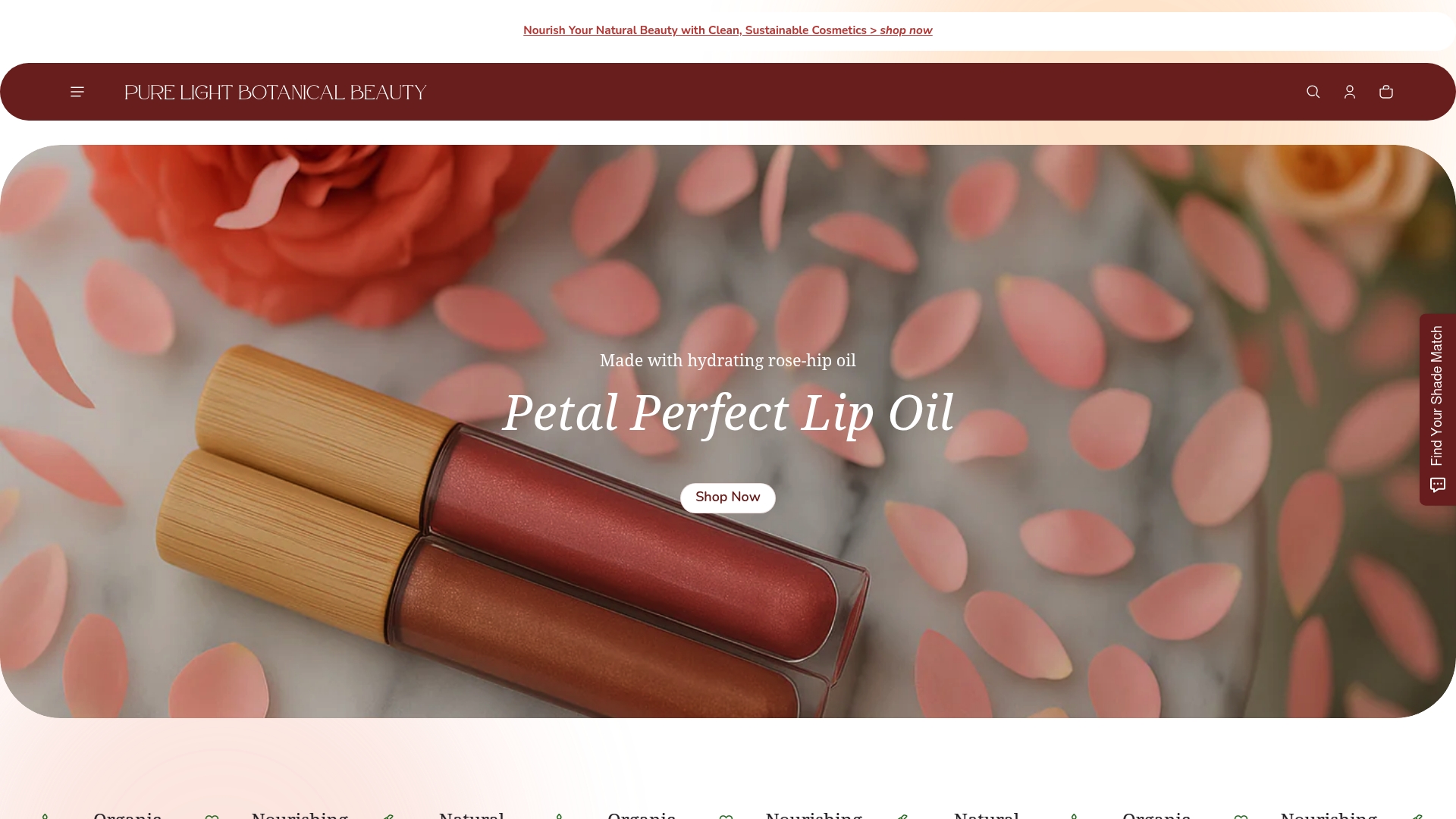
If you’re looking for a gentle starting point, our Petal Perfect Lip Oil delivers hydration and subtle color without synthetic waxes or fragrances. For fuller coverage that still feels like a second skin, our nourishing lipsticks collection offers rich pigment with ingredients that actively care for your lips. Each product is an invitation to treat beauty as the ritual of healing it was always meant to be.
Frequently asked questions
Can clean makeup worsen eczema or sensitive skin?
Clean makeup formulated with hypoallergenic, fragrance-free ingredients is significantly less likely to trigger irritation, but you should always patch test first and avoid application during active flares.
What certifications should I look for in clean makeup?
National Eczema Association seals and dermatologist endorsements are the most reliable signals that a product is genuinely safe for sensitive and eczema-prone skin.
How do beauty rituals with clean makeup support mental health?
Mindful application routines can reduce anxiety, boost confidence, and support emotional well-being by giving you a daily space for self-expression and self-care, which reinforces a healthier relationship with your skin.
What steps should I take for safe application and removal?
Always patch test new products, skip makeup entirely during severe flares, and use a gentle oil-based cleanser or micellar water for removal to protect your skin barrier at every step.
Are there large studies proving clean makeup’s benefits for eczema?
No large-scale RCTs exist specifically on this topic, but dermatologist consensus and mechanistic evidence consistently support clean makeup as the safer, more effective choice for sensitive and eczema-prone skin.
Recommended
- Clean Makeup and Self-Care: Nurturing Sensitive Skin – Pure Light Botanical Beauty
- The Essential Guide to the Role of Wellness in Makeup – Pure Light Botanical Beauty
- The Essential Guide to Clean Cosmetics Benefits – Pure Light Botanical Beauty
- Cruelty-Free Makeup: Impact on Skin and Spirit – Pure Light Botanical Beauty