

Your emotional state is not just reflected in your eyes. It shows up in your skin. The role of emotional wellness in beauty is now one of the most scientifically grounded conversations in dermatology and cosmetic science, and the evidence points to a clear, bidirectional relationship: how you feel shapes how your skin looks, and how you care for your skin can shift how you feel. This is not metaphor. It is neurobiology.
The skin and the brain share the same embryonic origin, the neural crest, which means they remain in constant chemical conversation throughout your life. Stress hormones like cortisol disrupt the skin barrier and trigger inflammation. Neurotransmitters like serotonin and dopamine, released during pleasurable sensory experiences, calm the nervous system and support skin repair. The practical implications are profound.
Key influences connecting emotional wellness and skin health:
- Chronic stress raises cortisol, weakening the skin barrier and worsening conditions like eczema and acne
- Positive emotional states support serotonin and dopamine release, reducing systemic inflammation
- Mindful beauty rituals activate tactile sensory pathways that downregulate the fight-or-flight response
- Botanical ingredients such as chicory extract and niacinamide modulate neurochemical pathways affecting both mood and skin condition
- Self-perception and confidence improve measurably when beauty routines are practiced with intention
How the mind-skin connection works scientifically
The skin-brain axis is a bidirectional psychobiological system, meaning signals travel both directions with equal consequence. Stress does not simply make you feel bad. It triggers a cascade of cortisol and inflammatory cytokines that physically compromise the skin’s protective barrier, making it more reactive, more prone to breakouts, and slower to heal. Conversely, soothing tactile input from a skincare ritual sends calming signals back to the central nervous system, reducing the stress response at its neurological root.
| Emotional State | Biochemical Pathway | Skin Effect |
|---|---|---|
| Chronic stress | Cortisol elevation, HPA axis activation | Barrier disruption, inflammation, acne flares |
| Anxiety | Elevated neuropeptides (substance P) | Itch, redness, worsened eczema |
| Joy, calm | Serotonin and dopamine release | Reduced inflammation, improved barrier function |
| Social connection | Oxytocin secretion | Anti-inflammatory effect, skin radiance |
| Ritualistic self-care | Endorphin and serotonin release | Calmed nervous system, accelerated repair |
Neuro-beauty research confirms that the immune, endocrine, and neural systems all participate in this exchange. When the nervous system perceives threat, it redirects resources away from skin maintenance. When it perceives safety and pleasure, skin repair takes priority. This is why dermatologists increasingly treat conditions like psoriasis and rosacea with attention to a patient’s psychological state, not just their topical regimen.
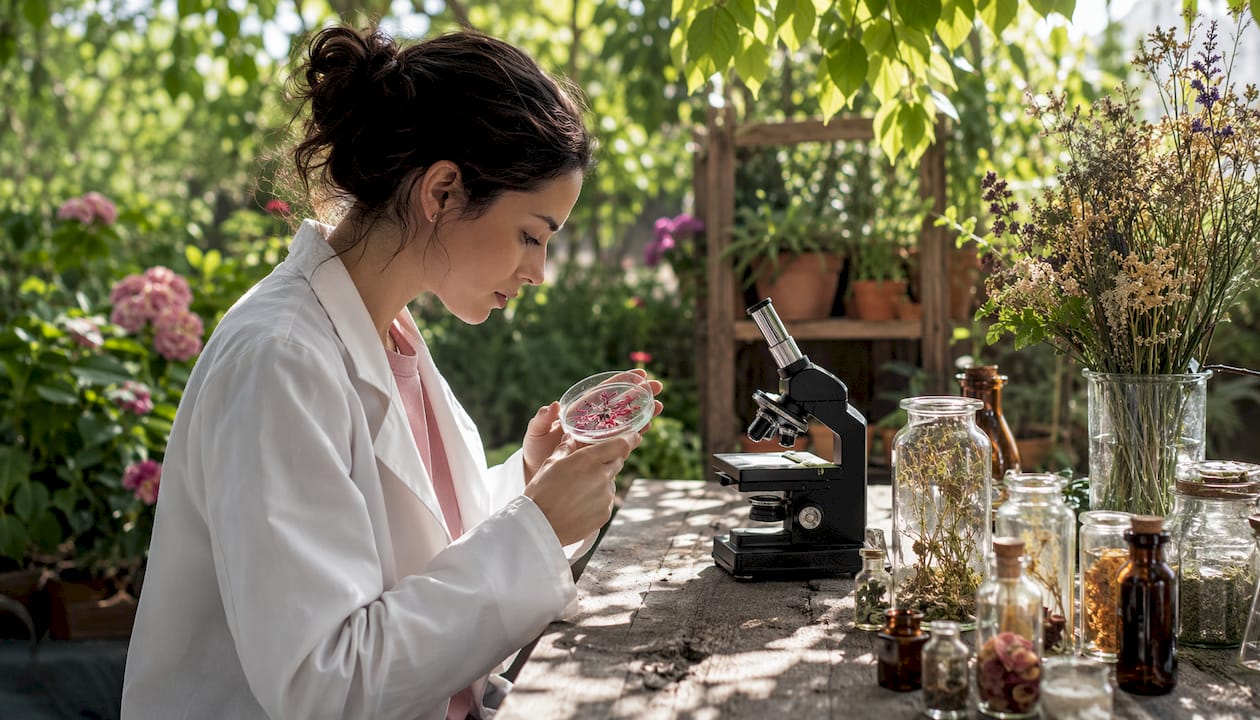
The microbiota-skin-brain axis adds another layer. Botanical extracts that modulate the skin’s microbiome can influence neurochemical secretion, including dopamine and oxytocin, creating positive emotional responses in both the person applying the product and those they come into physical contact with. Chicory extract, for example, has been studied specifically for its ability to increase dopamine and oxytocin release through this pathway, supporting social bonding and mood alongside skin smoothness.
How your emotional state shows up on your skin
Anxiety, depression, and chronic stress do not stay internal. They surface. Skin disorders like eczema, acne, and rosacea all have well-documented psychodermatological components, meaning emotional distress directly worsens their severity through immune and neuroendocrine pathways. Poor mental health lowers skin immunity, disrupts the microbiome, and slows cellular repair.
The emotional effects on skin and self-perception include:
- Depression reduces self-care motivation, accelerating skin neglect and worsening barrier function
- PTSD is associated with heightened inflammatory skin responses and increased sensitivity to environmental triggers
- Anxiety elevates neuropeptides that cause itch and redness, creating a feedback loop where skin discomfort worsens emotional distress
- Positive mood and confidence correlate with more consistent self-care, which itself supports healthier skin over time
- Improved emotional wellness reduces cortisol-driven inflammation, allowing the skin barrier to rebuild
Statistic: A controlled trial found that regular makeup use lowered salivary cortisol by 55% and reduced depressive symptoms by 8.3 percentage points in participants, demonstrating that intentional beauty practice carries measurable mental health benefits.
The psychology of beauty standards adds complexity here. Chasing perfectionism, particularly the kind amplified by AI-filtered imagery, raises anxiety and depression rather than confidence. Shifting the frame from “correcting flaws” to “nurturing yourself” changes the neurochemical outcome entirely. Beauty routines practiced as acts of self-care, rather than self-criticism, support psychological restoration and personal agency. That distinction is not philosophical. It is physiological.
When you feel better about yourself, you tend to care for your skin more consistently, and that consistency produces real dermatological results. The emotional health and skincare connection is a loop you can enter from either direction.
How wellness trends are reshaping beauty formulations
The beauty industry has moved well past the idea that a product’s only job is to cover or correct. Consumers in 2026 are choosing formulations that address emotional wellness alongside skin function, and brands are responding with ingredient science to match.
The shift shows up in several ways:
- Adaptogens and botanicals like ashwagandha, chamomile, and chicory extract are being incorporated for their ability to modulate stress-related inflammation and support the microbiota-skin-brain axis
- Sensory design has become a formulation priority. Texture, scent, and temperature are chosen deliberately to activate calming neurotransmitter pathways during application
- Niacinamide and peptides are valued not only for barrier repair but for their role in blunting cortisol-induced skin damage at the cellular level
- Clean, plant-based formulas appeal to consumers who connect ingredient transparency with emotional trust and safety, reducing the anxiety that often accompanies conventional cosmetic use
- Ritual-forward packaging and application tools encourage slower, more mindful use, extending the sensory engagement that drives neurochemical benefit
Consumer interest has shifted toward what researchers call “emotional beauty,” products that engage the skin-brain axis intentionally rather than incidentally. This is not a passing trend. It reflects a deeper understanding that skin health and emotional health are not separate categories, and that formulations designed with both in mind produce better outcomes on both fronts. Botanical ingredients sit at the center of this movement because their sensory profiles, combined with their biochemical activity, make them uniquely suited to engaging the full mind-skin pathway.
Practical self-care rituals that support emotional wellness and skin health
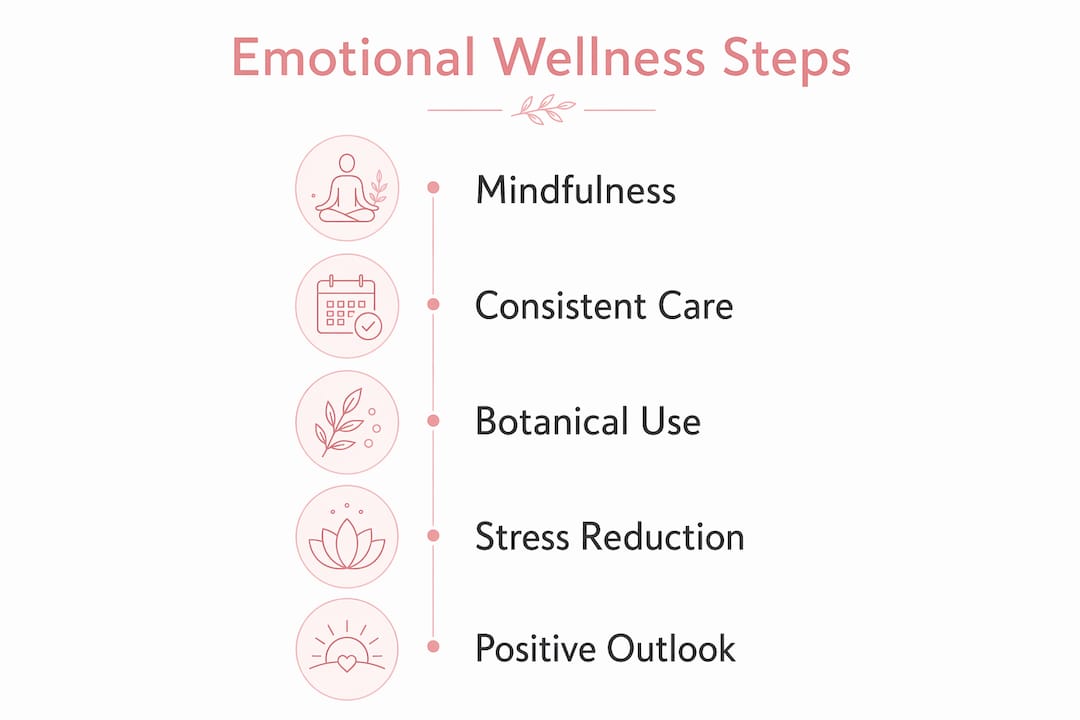
The most powerful thing about the skin-brain axis is that you can work with it deliberately. The rituals you build around your skincare and beauty practice are not just cosmetic. They are neurological interventions, and the research on how they work is specific enough to guide your routine.
-
Apply products with slow, intentional massage. Tactile sensory stimulation from massage downregulates the fight-or-flight stress response. The technique matters as much as the formula. Use upward, circular motions on the face for at least 60 seconds per product step.
-
Engage your senses fully during application. Scent, texture, and warmth all activate neurotransmitter release. Choose products with botanical scent profiles you genuinely enjoy, and take a breath before you begin. This primes the nervous system for a calming response.
-
Practice a consistent morning ritual. Predictable routines build a sense of agency and control, which research identifies as a key mechanism behind beauty routines’ mental health benefits. Even a three-step routine practiced daily creates psychological anchoring.
-
Add mindfulness to your routine. Focusing attention on physical sensation during skincare, the temperature of water, the weight of a cream, the scent of a botanical oil, activates the parasympathetic nervous system. This is the same mechanism behind formal meditation, applied through beauty.
-
Use your routine as a boundary. A morning or evening skincare ritual signals to your nervous system that the day is beginning or ending. This temporal anchoring reduces cortisol spikes associated with unstructured transitions.
-
Choose products that align with your values. Emotional trust in what you are applying reduces the low-level anxiety that can accompany conventional cosmetic use. Clean, transparent formulations support the psychological safety that makes a ritual genuinely restorative.
-
Incorporate breath work. Three slow, deep breaths before beginning your routine amplify the calming effect of the sensory experience that follows. The combination of breath and touch is more effective than either alone at reducing cortisol.
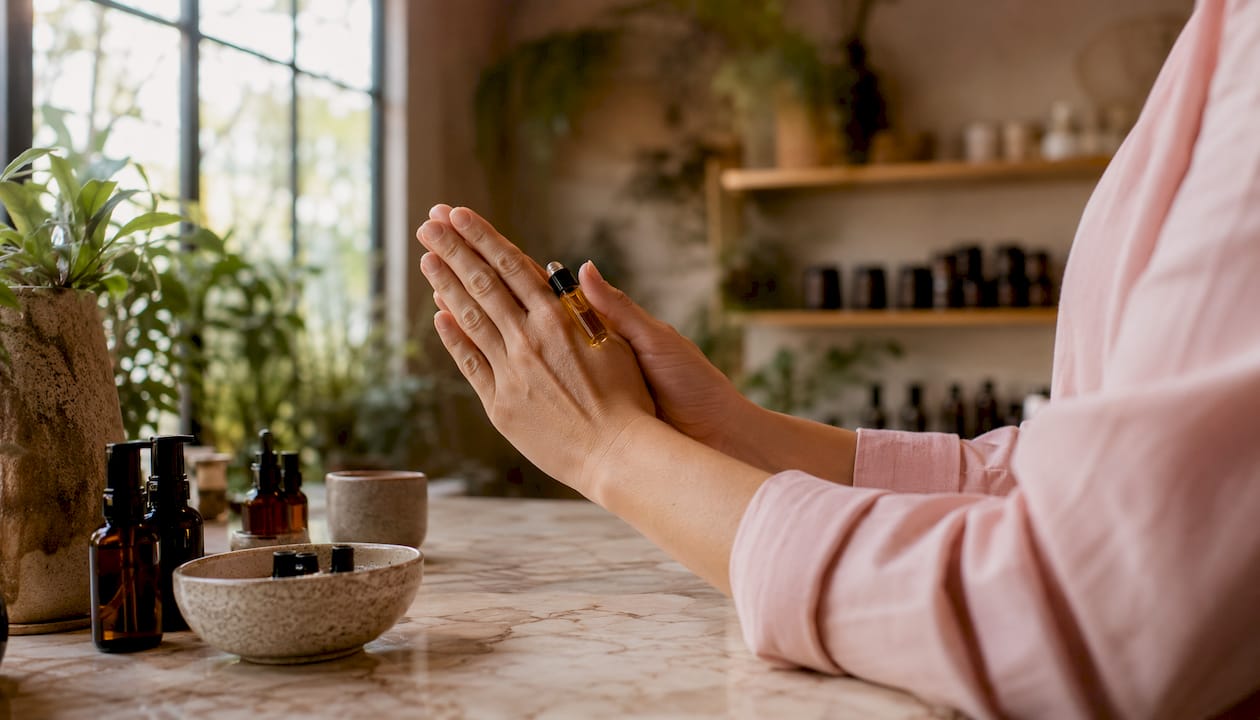
Pro Tip: Warm your facial oil or serum between your palms for five seconds before applying. The added warmth increases skin absorption and deepens the sensory signal sent to the nervous system, amplifying the calming neurochemical response.
The mindful beauty ritual is not about adding more steps. It is about bringing more presence to the steps you already have.
Botanical beauty as emotional wellness ritual: the Purelightbotanicalbeauty perspective
At Purelightbotanicalbeauty, the philosophy has always been that beauty and healing share the same source. That belief is not poetic license. It is grounded in the same science that neuro-beauty researchers are now formalizing: that plant-based ingredients, applied with intention, engage the skin-brain axis in ways that support both skin health and emotional wellbeing simultaneously.
Every formula in the Purelightbotanicalbeauty line is built around this understanding:
- The Petal Perfect Lip Oil uses botanical oils chosen for their skin-nourishing properties and their sensory richness, the weight, the glide, the subtle scent, all of which contribute to the calming sensory experience that triggers serotonin release
- The Botanical Crème Blush is formulated with plant-based pigments and skin-conditioning botanicals, designed to feel as nurturing in application as it looks on the skin
- The Nourishing Lipstick prioritizes barrier-supporting ingredients alongside color, reflecting the brand’s commitment to treating makeup as a form of skin care rather than a separate category
The brand was built specifically for people with sensitive skin and conditions like eczema, where the emotional dimension of skin health is especially pronounced. Flare-ups worsen with stress. Healing accelerates with calm. Purelightbotanicalbeauty’s clean, plant-based formulas reduce the inflammatory triggers that conventional cosmetics often introduce, while their sensory design supports the kind of mindful application that calms the nervous system.
The microbiota-skin-brain axis research on chicory extract illustrates exactly what Purelightbotanicalbeauty has built its line around: that botanical-driven neurochemical activity, including dopamine and oxytocin release, creates positive emotional responses that extend beyond the person applying the product to those around them. Beauty as a social and emotional act, not just a personal one.
Viewing your beauty ritual as an act of agency, as something you do for yourself with care and intention, builds identity coherence and supports dermatological treatment compliance. People who feel emotionally invested in their routines follow through more consistently, and consistency is what produces lasting skin transformation.
Key Takeaways
Emotional wellness and skin health operate through the same neurobiological pathways, meaning that caring for your mind and caring for your skin are, at the biochemical level, the same act.
| Point | Details |
|---|---|
| Mind-skin axis is bidirectional | Stress harms skin through cortisol and inflammation; calming rituals actively repair it via neurotransmitter release. |
| Makeup use reduces cortisol | A controlled trial found regular makeup use lowered salivary cortisol by 55% and reduced depressive symptoms by 8.3 percentage points. |
| Technique amplifies ingredient benefit | Slow, intentional massage during application downregulates the fight-or-flight response, making how you apply as important as what you apply. |
| Botanical ingredients engage the skin-brain axis | Plant extracts like chicory modulate the microbiota-skin-brain axis, increasing dopamine and oxytocin and supporting both mood and skin smoothness. |
| Perfectionism-driven beauty harms mental health | Chasing unrealistic beauty standards raises anxiety and depression; rituals framed as self-care produce psychological restoration instead. |
Recommended
- Why Integrate Wellness and Beauty for Skin Health – Pure Light Botanical Beauty
- Makeup for Emotional Wellness: What the Science Says – Pure Light Botanical Beauty
- The Essential Guide to the Role of Wellness in Makeup – Pure Light Botanical Beauty
- Why Beauty Matters for Inner Growth and Healing – Pure Light Botanical Beauty