

Finding beauty products that truly nurture sensitive skin can feel daunting for women seeking relief from eczema. Harsh chemicals and synthetic additives often aggravate irritation instead of soothing it. The rise of sustainable beauty offers hope, blending plant-based solutions with environmental stewardship and mindful self-care. This approach prioritizes gentle, allergen-free ingredients and ethical production methods, making it easier to care for your skin while honoring your wellness rituals.
Table of Contents
- Defining Sustainable Beauty and Its Purpose
- Types of Clean and Mindful Beauty Solutions
- How Sustainable Beauty Supports Sensitive Skin
- Environmental Impact of Beauty Product Choices
- Common Pitfalls and Myths to Avoid
Key Takeaways
| Point | Details |
|---|---|
| Sustainable Beauty Focuses on Holistic Wellness | It emphasizes environmental stewardship, social responsibility, and personal health in beauty product development and consumption. |
| Rise of Mindful Beauty Approaches | Categories like Green Beauty, Blue Beauty, Clean Beauty, and Minimalist Beauty highlight different dimensions of responsible consumption. |
| Benefits for Sensitive Skin | Sustainable beauty offers gentle, effective skincare with microbiome-friendly ingredients that prioritize both skin health and environmental impact. |
| Importance of Consumer Education | Understanding sustainability and recognizing greenwashing are essential for making informed beauty choices that align with personal values. |
Defining Sustainable Beauty and Its Purpose
Sustainable beauty represents a transformative approach to personal care that goes far beyond traditional cosmetic practices. At its core, this philosophy integrates environmental stewardship, social responsibility, and holistic wellness into every aspect of beauty product development and consumption. Sustainable beauty isn’t just about what goes on your skin—it’s a comprehensive commitment to nurturing both personal health and planetary well-being.
This emerging concept encompasses multiple dimensions of conscientious production and consumption. Key characteristics include utilizing natural, ethically sourced ingredients, implementing fair labor practices, minimizing ecological footprints, and creating products that support both human and environmental health. Conscious cosmetics prioritize transparency in sourcing, production, and ingredient selection, challenging conventional beauty industry standards.
The driving force behind sustainable beauty is a growing consumer awareness about the interconnectedness of personal wellness and global environmental challenges. Younger generations especially are demanding products that reflect their values—seeking beauty solutions that are kind to their skin, supportive of local and global communities, and respectful of ecological systems. This shift represents more than a trend; it signals a fundamental reimagining of beauty as a holistic practice that considers long-term impacts on human and planetary health.
Pro Tip: Start your sustainable beauty journey by examining product ingredient lists and prioritizing brands that demonstrate genuine commitment to environmental and social responsibility.
Types of Clean and Mindful Beauty Solutions
The world of sustainable beauty is rich and nuanced, featuring multiple approaches that address different aspects of environmental and personal wellness. Clean Beauty emerges as a primary category, focusing intensely on ingredient safety, transparency, and non-toxic formulations that prioritize human health and ecological responsibility. This approach goes beyond mere marketing claims, demanding rigorous standards for product development and ingredient selection.
Four distinctive types of mindful beauty solutions have gained prominence in recent years. Mindful beauty practices represent a holistic approach to personal care that considers broader implications of beauty consumption:
- Green Beauty: Emphasizes natural and organic ingredients, prioritizing botanical extracts and minimally processed components
- Blue Beauty: Concentrates on marine conservation, developing products that protect oceanic ecosystems and reduce water pollution
- Clean Beauty: Focuses on non-toxic, safe ingredients with transparent sourcing and production methods
- Minimalist Beauty: Promotes streamlined product lines that reduce waste and encourage intentional consumption
Millennial and Generation Z consumers are driving these transformative beauty paradigms, demanding products that align with their values of environmental stewardship, social responsibility, and personal wellness. Each beauty approach represents more than a trend—it’s a profound statement about individual choices and their global impact, challenging traditional cosmetic industry practices and reimagining beauty as a holistic, conscious experience.
Here is a comparison of four sustainable beauty approaches and their primary focus:
| Approach | Main Focus | Key Value |
|---|---|---|
| Green Beauty | Plant-based, natural ingredients | Supports biodiversity |
| Blue Beauty | Marine ecosystem protection | Ocean sustainability |
| Clean Beauty | Transparency and ingredient safety | Human health first |
| Minimalist Beauty | Fewer products, reduce waste | Mindful consumption |
Pro Tip: Research brands that provide detailed ingredient lists and transparent sourcing information to make informed sustainable beauty choices.
How Sustainable Beauty Supports Sensitive Skin
Sensitive skin requires a nuanced, gentle approach to skincare, and sustainable beauty offers a revolutionary solution that addresses both skin health and environmental consciousness. Microbiome-friendly formulations are at the forefront of this approach, utilizing natural ingredients that work harmoniously with the skin’s delicate ecosystem. By eliminating harsh synthetic chemicals, sustainable makeup solutions provide a protective, nurturing experience for those with reactive or easily irritated skin.
The core strength of sustainable beauty for sensitive skin lies in its commitment to pure, minimally processed ingredients. Key characteristics include:
- Biodegradable ingredients that reduce skin inflammation
- Organic, naturally sourced components free from potential irritants
- Allergen-free formulations that support skin’s natural barrier
- Cruelty-free and ethically produced skincare solutions
- Microbiome-preserving ingredients that maintain skin’s natural balance
Advanced sustainable beauty technologies have transformed skincare for sensitive skin types by replacing petrochemical ingredients with bio-based alternatives. These innovative formulations not only minimize environmental impact but also provide gentler, more effective skin nutrition. The approach goes beyond traditional skincare, viewing skin health as an interconnected system that requires holistic, mindful care.

For individuals with sensitive skin, sustainable beauty represents more than a trend—it’s a comprehensive wellness strategy that prioritizes both personal health and planetary well-being. By choosing products with transparent ingredient lists and environmentally conscious production methods, consumers can support their skin’s unique needs while contributing to broader ecological sustainability.
The table below summarizes how sustainable beauty benefits sensitive skin and the environment:
| Benefit for Sensitive Skin | Environmental Contribution |
|---|---|
| Gentle, non-irritating formulas | Uses biodegradable ingredients |
| Supports skin microbiome | Reduces chemical pollution |
| Avoids harsh additives | Ethically sourced raw materials |
| Promotes skin barrier strength | Encourages cruelty-free practices |
Pro Tip: Conduct a patch test with new sustainable skincare products and introduce them gradually to ensure optimal compatibility with your sensitive skin.
Environmental Impact of Beauty Product Choices
The beauty industry represents a significant environmental challenge, with millions of products generating substantial ecological consequences that extend far beyond their momentary use. Synthetic cosmetic products create complex environmental risks through chemical contamination, plastic waste, and unsustainable resource extraction. Green chemistry principles have emerged as a critical strategy for mitigating these extensive environmental impacts, offering consumers a pathway to more responsible product selection.
Key environmental concerns associated with conventional beauty products include:
- Plastic packaging contributing to global waste streams
- Chemical pollutants contaminating water systems
- Non-biodegradable ingredients disrupting ecological balance
- High carbon emissions from manufacturing and distribution
- Unsustainable sourcing of raw materials
Consumer choices play a transformative role in reshaping the beauty industry’s environmental footprint. By selecting products with transparent supply chains, biodegradable packaging, and responsibly sourced ingredients, individuals can directly influence corporate sustainability practices. The collective impact of mindful consumer decisions can drive meaningful change, incentivizing companies to prioritize environmental stewardship and develop more eco-friendly production methods.
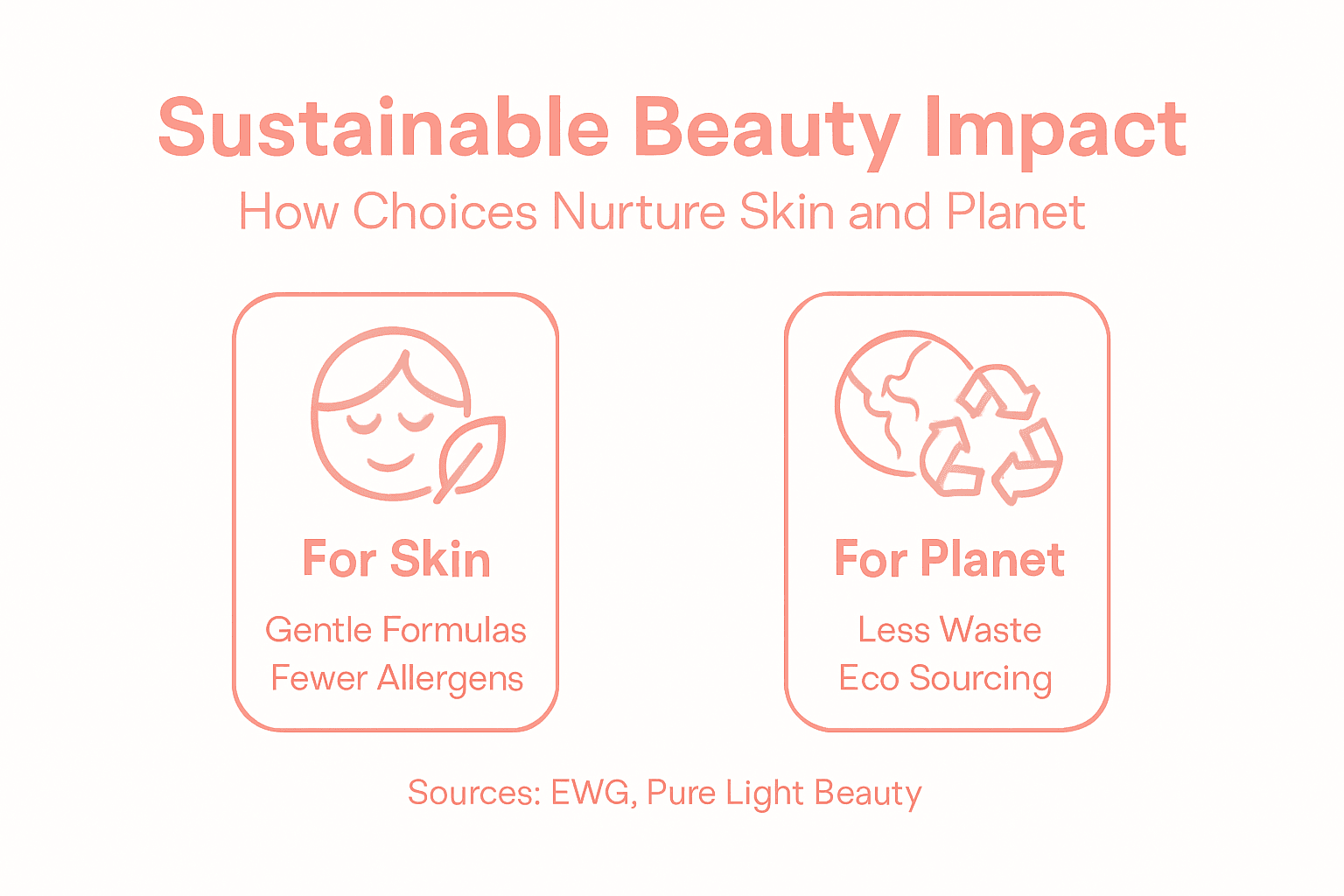
Beyond individual product choices, the broader implications of sustainable beauty extend to global ecosystem preservation. The beauty industry’s environmental responsibilities encompass reducing carbon emissions, protecting biodiversity, minimizing water pollution, and implementing regenerative sourcing practices. Each purchasing decision becomes an opportunity to support a more holistic approach to personal care that recognizes the intricate connections between human health and planetary well-being.
Pro Tip: Research beauty brands that provide comprehensive sustainability reports and prioritize those demonstrating genuine commitment to environmental protection.
Common Pitfalls and Myths to Avoid
Navigating the sustainable beauty landscape requires critical thinking and awareness of prevalent misconceptions that can mislead consumers. Greenwashing represents the most significant challenge, where brands create misleading marketing narratives that exaggerate their environmental credentials without substantive proof. Non-toxic beauty guides provide essential context for understanding authentic sustainable practices and distinguishing genuine ecological commitments from superficial marketing claims.
Several persistent myths continue to obstruct widespread adoption of sustainable beauty practices:
- Myth: Green products are always more expensive
- Reality: Many sustainable options are competitively priced
- Myth: Sustainable beauty products are less effective
- Reality: Advanced formulations often provide superior performance
- Myth: Limited variety in sustainable beauty offerings
- Reality: Growing market offers diverse, high-quality options
- Myth: Sustainability is just a passing trend
- Reality: Critical consumer-driven movement transforming industry standards
Consumer education plays a crucial role in dismantling these misconceptions. By developing a nuanced understanding of sustainable beauty, individuals can make informed choices that align with their personal values and environmental consciousness. The industry’s ongoing evolution demonstrates that sustainability is not a compromise but an opportunity for innovation, quality, and meaningful personal care.
Beyond individual product choices, systemic change requires transparency, rigorous third-party certifications, and collective consumer demand. Brands must be held accountable for their sustainability claims, moving beyond marketing rhetoric to demonstrate genuine environmental commitment through verifiable practices and measurable impact.
Pro Tip: Always research brand sustainability reports and look for specific, quantifiable environmental commitments rather than vague marketing language.
Embrace Sustainable Beauty That Nurtures Your Skin and the Planet
The article highlights the challenge of finding beauty products that honor both sensitive skin and environmental well-being through concepts like clean beauty, microbiome-friendly formulations, and ethical sourcing. Many readers face frustration with harsh ingredients and unclear sustainability claims that can aggravate their skin or harm the environment. At Pure Light Botanical Beauty, we understand these concerns deeply. Our clean, plant-based formulas are thoughtfully designed to support skin health—especially sensitive skin and conditions like eczema—while embracing the principles of sustainable beauty detailed in the article.
Experience the gentle power of botanical ingredients that soothe and nourish your skin’s natural balance while reducing your ecological footprint. By choosing Pure Light Botanical Beauty, you join a transformative movement that blends wellness, conscious consumption, and effective makeup artistry into a harmonious ritual. Discover the difference of products like the Petal Perfect Lip Oil or Botanical Crème Blush, each crafted with transparency and care to make your daily beauty routine an act of self-love and environmental respect.
Ready to start your journey toward mindful beauty that truly cares for you and the earth?
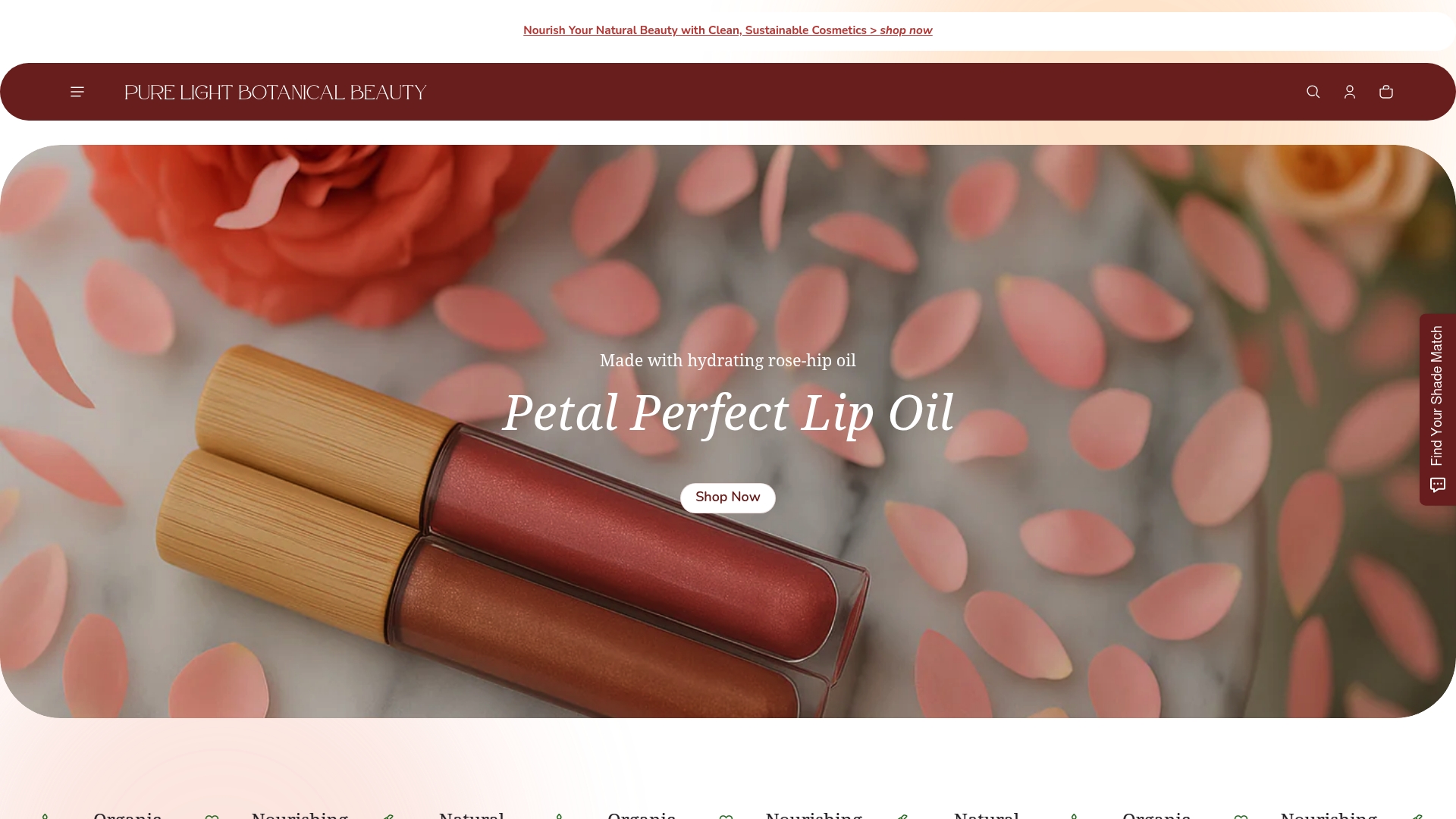
Explore our full collection at Pure Light Botanical Beauty and learn more about our clean formulations that align with the sustainable beauty standards discussed in the article. Delve into how we support sensitive skin with botanically driven, cruelty-free products by visiting Sustainable Makeup Solutions for Sensitive Skin and embrace a beauty ritual that radiates from the inside out today.
Frequently Asked Questions
What is sustainable beauty?
Sustainable beauty is a holistic approach to personal care that emphasizes environmental stewardship, social responsibility, and the use of ethically sourced and minimally processed ingredients in beauty products.
How can sustainable beauty benefit individuals with sensitive skin?
Sustainable beauty offers gentle, non-irritating formulations that use natural, microbiome-friendly ingredients, which help maintain skin health while minimizing environmental impact.
What are the different types of sustainable beauty solutions?
The main types of sustainable beauty include Green Beauty, Blue Beauty, Clean Beauty, and Minimalist Beauty, each focusing on various aspects such as natural ingredients, marine conservation, ingredient safety, and reduced waste, respectively.
Why is it important to avoid greenwashing in the beauty industry?
Greenwashing misleads consumers by exaggerating a brand’s environmental credentials without substantial proof. Understanding the true sustainability of products is crucial for making informed choices that align with both personal and planetary well-being.
Recommended
- Sustainable Makeup: Empowering Sensitive Skin Wellness – Pure Light Botanical Beauty
- What is Clean Beauty? Understanding Its Importance and Benefits – Pure Light Botanical Beauty
- Understanding Why Clean Beauty Works for Your Skin – Pure Light Botanical Beauty
- 7 Eco-Friendly Beauty Swaps for Sensitive Skin Relief – Pure Light Botanical Beauty
- Was ist vegane Hautpflege? Verstehen und Erklären – Kühlkern UG (Haftungsbeschränkt)