

TL;DR:
- Conventional makeup often contains ingredients that irritate sensitive and eczema-prone skin.
- Transition to clean makeup gradually with patch testing to minimize reactions.
- A simple, mindful routine supports skin barrier health and reduces flare-ups.
If you have sensitive or eczema-prone skin, finding makeup that doesn’t trigger a flare-up can feel like searching for something that doesn’t exist. You pick up a foundation that promises a flawless finish, only to wake up the next morning with redness, itching, or a full-blown breakout. The frustrating truth is that most conventional makeup is loaded with ingredients your skin simply doesn’t tolerate well. The good news? Switching to clean makeup doesn’t have to be overwhelming or confusing. This guide walks you through exactly how to make the transition safely, gently, and with real results that last.
Table of Contents
- Why clean makeup matters for sensitive and eczema-prone skin
- What you need before making the switch
- Step-by-step: Transitioning your routine to clean makeup
- How to monitor progress and maintain results
- Our take: Why gradual, gentle transitions work best for sensitive skin
- Find your calm with Pure Light Botanical Beauty
- Frequently asked questions
Key Takeaways
| Point | Details |
|---|---|
| Clean makeup reduces irritation | Choosing products free from harsh chemicals supports sensitive, eczema-prone skin. |
| Preparation matters | Gathering the right essentials and understanding labels is key to a successful transition. |
| Gradual change is safer | Switching one product at a time minimizes risk and helps you spot issues early. |
| Monitor your skin | Track reactions and progress for the best results and lasting comfort. |
Why clean makeup matters for sensitive and eczema-prone skin
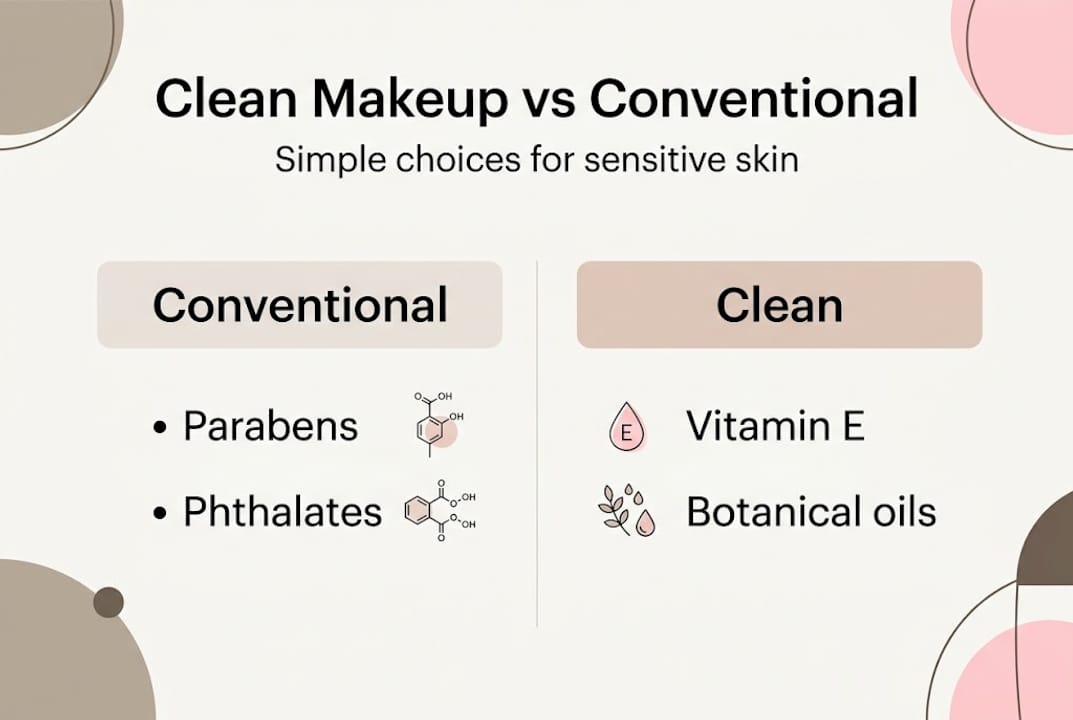
Conventional makeup is built for performance, but often at a cost. Many traditional formulas rely on ingredients that look harmless on the label but quietly work against sensitive skin. Common offenders include parabens, phthalates, synthetic fragrances, phenoxyethanol, and talc. These aren’t just filler ingredients. They’re linked to hormone disruption and skin irritation, and for someone with eczema, they can trigger flares that take days or weeks to calm down.
Clean makeup takes a different approach. Instead of synthetic preservatives and chemical fillers, it uses plant-based or mineral ingredients that work with your skin rather than against it. As noted in a comparison of conventional vs. natural makeup, conventional products use parabens, phthalates, and synthetic fragrances linked to irritation, while clean alternatives rely on lower-risk, botanically derived ingredients. That distinction matters enormously when your skin barrier is already compromised.
For eczema-prone skin, the skin barrier is often thinner and more reactive than average. Applying conventional makeup on top of that is like putting pressure on an open wound. Clean makeup, by contrast, can actually support barrier repair. Ingredients like shea butter, jojoba oil, and calendula extract soothe inflammation while providing coverage. You can learn more about clean cosmetics benefits and understand exactly why this shift is worth making.
Here’s a quick look at what sets clean makeup apart:
- Free from synthetic fragrances and artificial dyes
- Formulated with skin-nourishing botanicals and minerals
- Less likely to disrupt your skin’s natural pH balance
- Often tested for allergens and dermatologist-reviewed
- Focused on supporting skin health, not just coverage
| Problematic ingredients | Preferred clean alternatives |
|---|---|
| Parabens | Vitamin E (tocopherol) |
| Phthalates | Plant-based emollients |
| Synthetic fragrance | Essential oils or fragrance-free |
| Talc | Rice powder or arrowroot |
| Phenoxyethanol | Rosemary extract |
Conventional makeup is especially risky during active eczema flares, when skin is broken, raw, or weeping. Even products marketed as “gentle” can contain hidden irritants. Understanding why choose natural makeup gives you the foundation to make smarter choices every time you shop.
What you need before making the switch
Before you toss out your entire makeup bag, pause. A rushed overhaul can actually make things worse, especially for sensitive skin. The smartest first step is a mindset shift: this is not about perfection, it’s about progress. Start by identifying the products that cause the most irritation, and plan to phase those out first.

Patch testing is non-negotiable. Apply a small amount of any new product to the inside of your wrist or behind your ear, and wait 24 to 48 hours before using it on your face. This simple step saves you from unnecessary flares and helps you build a routine you can trust. Brands recommended for eczema-friendly skin include La Roche-Posay Toleriane, CeraVe, Tower 28, Ilia, Saie, and Clinique Even Better, all of which prioritize gentle, tested formulations.
Here’s what to have ready before you start:
- A fragrance-free, hydrating moisturizer to prep your skin
- A gentle, oil-based makeup remover that won’t strip your barrier
- Hypoallergenic brushes or sponges (avoid latex sponges)
- A clean, fragrance-free primer or base
- A small notebook or phone app for tracking reactions
Knowing how to read ingredient labels is just as important as knowing which products to buy. Ingredients are listed in order of concentration, so the first five matter most. Watch for words like “parfum” (which means synthetic fragrance), “methylparaben,” or “DMDM hydantoin.” These are red flags regardless of how natural the packaging looks. A solid clean makeup checklist can help you navigate labels with confidence.
You’ll also want to explore the types of clean makeup available so you know what categories to prioritize, whether that’s foundation, blush, or lip products.
Pro Tip: Look for products labeled “fragrance-free” rather than “unscented.” Unscented products can still contain masking fragrances that irritate sensitive skin.
Step-by-step: Transitioning your routine to clean makeup
Once you’re prepared with the right products and information, you’re ready to start the transition process itself. The key is to move slowly and intentionally, one product at a time.
-
Assess and phase out irritants. Go through your current makeup and flag anything with synthetic fragrance, parabens, or talc. Don’t throw everything out at once. Start with the products you use most often, like foundation or concealer, since these cover the largest surface area.
-
Patch test every new clean product. Before applying anything new to your full face, test it on a small patch of skin for 24 to 48 hours. Even clean formulas can contain ingredients your skin doesn’t agree with.
-
Introduce products one at a time. Wait at least one week between introducing new products. This way, if a reaction occurs, you’ll know exactly what caused it.
-
Build a simple, effective routine. Start with just three to four products: a moisturizer, a light coverage base or tinted SPF, a blush, and a lip product. Simplicity reduces the risk of layering too many new ingredients at once. Explore clean beauty routine steps to build a structure that works for your lifestyle.
-
Adjust during flares. When eczema is active, skip makeup on affected areas and prioritize hydration. Avoid eyeshadow on crepey or inflamed eyelids, as the skin there is especially thin and reactive.
In the first week, you may not notice dramatic changes. Your skin is adjusting, and that’s normal. By the end of the first month, most people with sensitive skin report less redness, fewer reactions, and a more comfortable overall feeling throughout the day. These clean steps for radiant results are designed to get you there without the guesswork.
Pro Tip: Keep a simple skin diary. Note what you applied, how your skin felt by midday, and any reactions by evening. Patterns become clear faster than you’d expect.
How to monitor progress and maintain results
After you begin your transition, it’s essential to monitor your skin’s response and keep your results on track. Clean makeup is less likely to cause new flare-ups, but patch testing and ongoing observation remain essential for sensitive and eczema-prone skin.
Here are the signs your skin is genuinely improving:
- Less redness or blotchiness after wearing makeup
- Fewer breakouts or clogged pores
- Smoother texture and more even tone over time
- A stronger, more comfortable skin barrier
- Less itching or tightness throughout the day
If you notice a reaction to a new product, stop using it immediately and return to what your skin already tolerates. Don’t assume the entire clean category is the problem. One ingredient in one formula may be the culprit. Swap it out and try a different option.
Maintenance matters just as much as the initial switch. Clean your brushes and sponges at least once a week with a gentle, fragrance-free cleanser. Check expiration dates regularly, as natural formulas without synthetic preservatives can expire faster than conventional products. Store your makeup away from heat and humidity to extend shelf life.
If your symptoms persist or worsen despite switching to clean makeup, consult a board-certified dermatologist. Some skin reactions require medical attention beyond a product change.
For a curated list of products that support your skin through this process, the eczema-safe makeup essentials guide is a helpful resource. And if you’re looking to weave clean makeup into a broader self-care practice, clean makeup and self-care offers a grounding perspective on beauty as ritual.
Our take: Why gradual, gentle transitions work best for sensitive skin
Here’s something most beauty guides won’t tell you: the biggest mistake sensitive-skin women make isn’t choosing the wrong product. It’s trying to change everything at once. We’ve seen it happen repeatedly. Someone reads about clean beauty, feels inspired, tosses out their entire makeup bag over a weekend, and then wonders why their skin is reacting more than ever. The skin doesn’t respond well to sudden change, even positive change.
Gradual transitions give your skin time to recalibrate. They also give you the information you need to understand what actually works for your unique skin, not just what works in general. Patience isn’t passive. It’s a form of deep listening.
We also believe that confidence in your routine comes from fewer reactions, not just from choosing “safer” products. When you know your skin is calm and your products are trustworthy, getting ready in the morning becomes a ritual instead of a risk. Less is genuinely more. A simple, clean routine that your skin loves will always outperform a complex one that keeps you guessing. Explore natural makeup for sensitive skin to find the essentials that make simplicity feel beautiful.
Find your calm with Pure Light Botanical Beauty
You’ve done the learning. Now it’s time to find products that actually deliver on their promise.
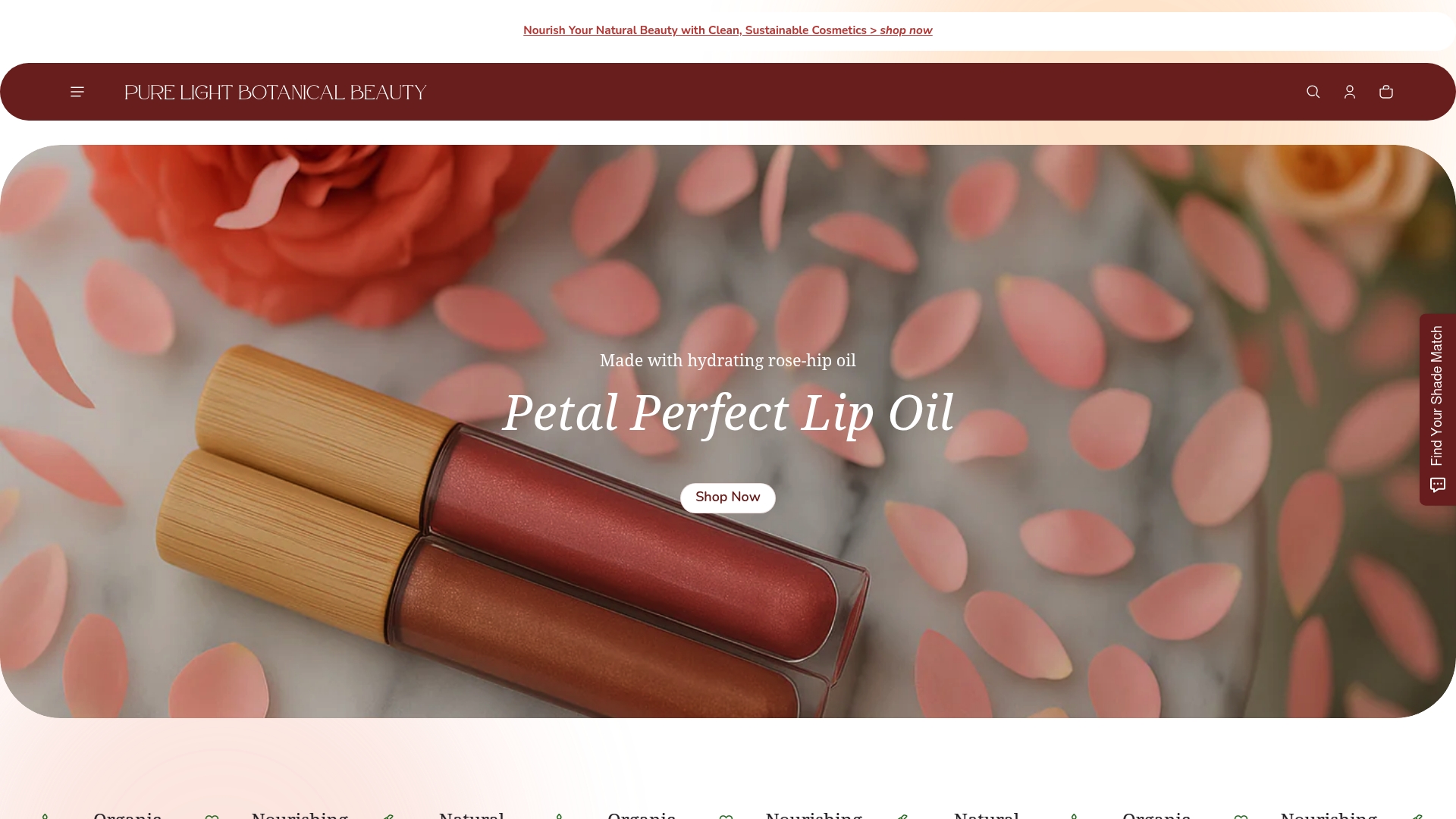
At Pure Light Botanical Beauty, every formula is crafted with your skin’s comfort in mind. From the Petal Perfect Lip Oil to the Botanical Crème Blush, each product is designed to nourish while it beautifies, making it a natural fit for sensitive and eczema-prone skin. If you’re not sure where to start, the best makeup for sensitive skin comparison guide breaks down your options clearly so you can shop with confidence. Clean beauty isn’t a compromise. With the right products, it’s an upgrade your skin will thank you for.
Frequently asked questions
What ingredients should I always avoid if I have sensitive or eczema-prone skin?
Avoid parabens, phthalates, synthetic fragrances, phenoxyethanol, and talc, as these trigger irritation or worsen eczema in most sensitive skin types.
How quickly should I switch to clean makeup if I have eczema?
Switch gradually, phasing out one product at a time, since gradual introduction minimizes reactions and helps you identify what your skin truly tolerates.
Are all clean makeup products safe for eczema?
Not all clean products are guaranteed safe for eczema. Always patch test first and prioritize fragrance-free, dermatologist-tested options for the most reliable results.
What are signs my clean makeup routine is working?
You should notice less redness, fewer breakouts, smoother skin texture, and a more comfortable barrier that no longer feels tight or reactive after wearing makeup.
Recommended
- 7 Essentials for a Clean Makeup Checklist for Sensitive Skin – Pure Light Botanical Beauty
- 7 Types of Clean Makeup for Sensitive Skin and Confidence – Pure Light Botanical Beauty
- Sensitive skin makeup: calm, clean steps for radiant results – Pure Light Botanical Beauty
- Clean Makeup and Self-Care: Nurturing Sensitive Skin – Pure Light Botanical Beauty