

TL;DR:
- Effective soothing skincare for sensitive skin involves layering anti-inflammatory, barrier-repair, and humectant ingredients.
- Key ingredients include colloidal oatmeal, ceramides, aloe vera, chamomile, and niacinamide for targeted relief.
- Combining multiple research-backed ingredients enhances skin resilience and provides long-lasting comfort.
When your skin is constantly red, itchy, or flaring, finding real relief can feel exhausting. For women with sensitive or eczema-prone skin, the wrong ingredient can turn a simple moisturizer into a trigger. The right one, though, can genuinely change how your skin feels day to day. Science-backed, clean beauty ingredients are not just a trend. They are a smarter, gentler way to care for skin that needs more than the average formula can offer. This guide breaks down which soothing ingredients are worth your attention, how they work, and how to choose the ones that fit your skin and your values.
Table of Contents
- How to identify truly soothing skincare ingredients
- Top soothing skincare ingredients for sensitive and eczema-prone skin
- How the top soothing ingredients compare
- Which soothing ingredient is right for your skin?
- Our perspective: Why ingredient synergy matters more than single miracle cures
- Explore clean, soothing skincare tailored for you
- Frequently asked questions
Key Takeaways
| Point | Details |
|---|---|
| Prioritize research-backed soothers | Opt for ingredients like colloidal oatmeal, aloe vera, and ceramides which directly address sensitivity and eczema symptoms. |
| Synergy improves results | Combining complementary soothing ingredients provides broader protection and faster skin relief. |
| Clean beauty matters | Botanical and plant-sourced soothers deliver proven calming benefits while aligning with holistic, clean skincare values. |
| Personalize your routine | Match soothing ingredients to your specific skin needs and always patch test new combinations before use. |
How to identify truly soothing skincare ingredients
Not every product labeled “calming” or “gentle” actually delivers. For sensitive and eczema-prone skin, you need ingredients that do specific, measurable things: reduce inflammation, repair the skin barrier, retain moisture, and protect against environmental stress. These are not vague marketing promises. They are biological mechanisms that you can look for on an ingredient label.
Soothing ingredients generally work through one or more of these pathways. Anti-inflammatory mechanisms like COX-2 inhibition and NF-kB suppression calm the immune response that causes redness and itch. Barrier-repair ingredients replenish the lipids your skin loses during a flare. Humectants draw water into the skin, while occlusives seal it in. Understanding these mechanisms helps you read labels with confidence instead of guesswork.
Clean beauty adds another layer of criteria. Many plant-derived ingredients naturally hit several of these mechanisms at once, making them a smart fit for sensitive skin. Organizations like the National Eczema Association evaluate and recognize ingredients that are safe and effective for eczema-prone skin, which is a helpful filter when you are building a routine. Exploring plant-based beauty benefits can also help you understand why botanical formulas often outperform conventional ones for delicate skin.
Here is what to look for when scanning an ingredient list:
- Anti-inflammatory agents: chamomile, calendula, niacinamide, colloidal oatmeal
- Barrier-repair lipids: ceramides, squalane, fatty acids
- Humectants: aloe vera, hyaluronic acid, glycerin
- Occlusives: plant butters, beeswax, natural oils
- Recognized by clean beauty standards: plant-sourced, fragrance-free, minimal processing
“The most effective soothing formulas are not built around one hero ingredient. They layer mechanisms to address inflammation, hydration, and protection at the same time.”
Pro Tip: Always patch test a new ingredient on a small area of skin, like your inner wrist, for at least 48 hours before applying it to your face or body.
Top soothing skincare ingredients for sensitive and eczema-prone skin
With these criteria in mind, let’s explore which skincare ingredients deliver true soothing power for delicate skin.
-
Colloidal oatmeal: This is one of the most well-studied ingredients for eczema-prone skin. Colloidal oatmeal soothes itch, provides anti-inflammatory effects, and actively protects the skin barrier. It is FDA-recognized as a skin protectant, which means it meets a clinical standard most ingredients never reach. Studies show it can reduce flare-up frequency by up to 30%.
-
Ceramides: Your skin barrier is made up of cells held together by lipids, and ceramides are a critical part of that structure. When the barrier is compromised, as it often is in eczema, ceramides restore barrier lipids, reduce transepidermal water loss, and improve overall hydration. They are foundational, not optional.
-
Aloe vera: Beyond its reputation as a sunburn soother, aloe vera has real clinical backing. It reduces erythema by 32% and enhances skin hydration through its polysaccharide content. It is lightweight, absorbs quickly, and works well in gels, serums, and lightweight creams.
-
Chamomile: The active compounds in chamomile, bisabolol and apigenin, are genuinely powerful. Chamomile reduces inflammation and itch by 40% and also suppresses histamine release, which is part of what makes eczema so uncomfortable. It is a beautiful example of a botanical that performs at a clinical level.
-
Calendula, niacinamide, indigo naturalis, and kanuka oil round out the list of strong performers. Each brings a unique mechanism, from flavonoid-based inflammation control to traditional herbal relief. You can explore plant-based examples for relief and a deeper botanical ingredients list to see how these work in real formulas.
Pro Tip: Look for products that combine a humectant like aloe vera with a barrier-repair ingredient like ceramides. That pairing addresses both moisture loss and inflammation at the same time.
How the top soothing ingredients compare
To make your decision easier, here is how the most effective soothing skincare ingredients stack up.
| Ingredient | Mechanism | Key benefit | Best for | Clean beauty? |
|---|---|---|---|---|
| Colloidal oatmeal | Barrier protection, anti-inflammatory | Reduces itch and flare-ups | Eczema, dry skin | Yes |
| Ceramides | Lipid barrier repair | Reduces water loss | Compromised barrier | Yes (plant-derived) |
| Aloe vera | Humectant, anti-inflammatory | Calms redness, hydrates | Redness, sensitivity | Yes |
| Chamomile | COX-2 inhibition, antihistamine | Reduces itch and inflammation | Itch, reactive skin | Yes |
| Calendula | COX-2 inhibition | Soothes irritation | Redness, mild eczema | Yes |
| Niacinamide | Barrier support, anti-inflammatory | Calms redness, reduces TEWL | Redness, oily-sensitive | Yes |
| Kanuka oil | TNF-alpha reduction | Reduces atopic dermatitis severity | Mild to moderate AD | Yes |
| Indigo naturalis | Traditional anti-inflammatory | Reduces eczema severity | Eczema, chronic flares | Yes |
Calendula flavonoids inhibit COX-2 by 27%, making it one of the more potent plant-based anti-inflammatories available. And kanuka oil at 3% has been shown to outperform 1% hydrocortisone for mild atopic dermatitis, a finding that genuinely surprises most people.
When combining ingredients, the best results come from pairing different mechanisms. An anti-inflammatory like chamomile works well alongside a barrier-repair ingredient like ceramides. Add a humectant like aloe vera, and you have a genuinely layered approach. You can also browse soothing oils for sensitive skin for options that complement these core ingredients.
- For eczema flares: colloidal oatmeal, ceramides, kanuka oil
- For redness: chamomile, aloe vera, niacinamide
- For daily prevention: calendula, ceramides, plant-based occlusives
- For hydration: aloe vera, hyaluronic acid, glycerin-based formulas
Which soothing ingredient is right for your skin?
Once you understand the differences among ingredients, it is time to personalize your approach.
Choosing the right soothing ingredient is not about finding the most popular one. It is about matching the ingredient to what your skin actually needs right now. Start by identifying your primary concern. Is it persistent itch? Barrier damage? Chronic redness? Each of those calls for a different lead ingredient.
For itch and inflammation, chamomile and colloidal oatmeal are your strongest allies. For barrier repair and dryness, ceramides are non-negotiable. For redness and sensitivity without heavy texture, niacinamide at 2 to 5% calms redness, reduces transepidermal water loss, and actively supports barrier repair. It is one of the most versatile ingredients in this category.

Indigo naturalis reduces eczema severity over six weeks of consistent use, making it a strong option for chronic flares that have not responded to other approaches. It is a traditional botanical with modern clinical support, which is exactly the kind of ingredient clean beauty was built around.
Here is how to narrow it down:
- Primary concern is itch: colloidal oatmeal, chamomile
- Primary concern is dryness and barrier damage: ceramides, squalane, plant butters
- Primary concern is redness: niacinamide, aloe vera, chamomile
- Prefer fragrance-free: colloidal oatmeal, ceramides, niacinamide
- Want traditional botanical support: calendula, chamomile, indigo naturalis
Products that combine multiple soothing ingredients are often the most effective because they address several concerns at once. Check out these skin-soothing tips to help you layer your routine thoughtfully.
Pro Tip: If your symptoms are persistent or severe, consult a dermatologist before building a new routine. A professional can help you identify triggers and confirm which ingredients are safest for your specific condition.
Our perspective: Why ingredient synergy matters more than single miracle cures
Pulling these findings together, here is an insight our years in clean beauty have revealed.
The wellness world loves a hero ingredient. One oil, one extract, one compound that fixes everything. And while the research on individual ingredients is genuinely exciting, the real story is in how they work together. No single ingredient solves every sensitive skin challenge. Eczema, redness, and barrier damage are complex. They involve immune responses, lipid deficiencies, environmental triggers, and individual biology. A single botanical, no matter how well-studied, cannot address all of that alone.
What actually works is a thoughtful combination. An anti-inflammatory to calm the immune response. A barrier-repair ingredient to seal in moisture. A humectant to draw water in. When you layer these with intention, you build skin resilience over time, not just temporary relief.
We also believe that formulation matters as much as ingredient selection. An ingredient can be clinically proven and still underperform if it is poorly formulated, too diluted, or paired with irritating additives. This is why clean beauty formulation is a craft, not just a checklist. Explore natural products for sensitive skin to see what thoughtful, synergistic formulation looks like in practice. Your skin deserves more than a single miracle. It deserves a whole routine built around it.
Explore clean, soothing skincare tailored for you
If you are ready to embrace soothing, science-backed care and radiant confidence, explore these clean beauty favorites.
At Pure Light Botanical Beauty, every formula is built around the same principle you just read about: ingredient synergy. We use calendula, chamomile, and other research-backed botanicals to create products that genuinely comfort sensitive skin while delivering beautiful results. Our Botanical Beauty Balm is crafted with calendula and rose to calm, protect, and nourish skin that needs a little extra care.
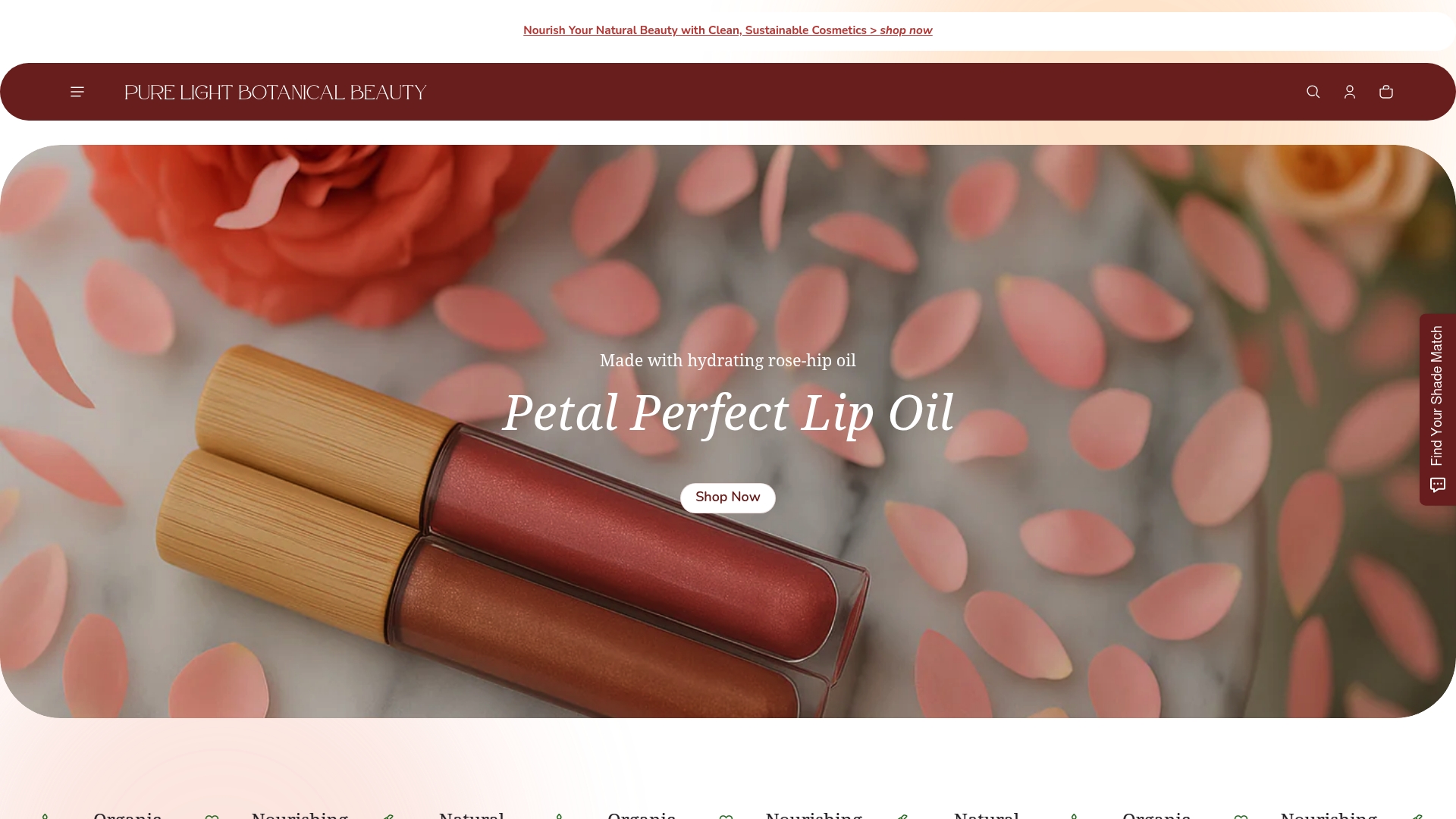
For those who want color with comfort, our Nourishing Lipstick collection blends pigment with plant-based ingredients designed to support your skin, not stress it. Browse the full collection and find your new ritual for sensitive, radiant skin.
Frequently asked questions
What makes a skincare ingredient ‘soothing’ for sensitive skin?
Soothing ingredients reduce inflammation, support the skin barrier, and relieve discomfort like itch or redness. Soothing mechanisms include anti-inflammatory pathways like COX-2 inhibition, barrier repair through lipid replenishment, and humectant hydration.
Is colloidal oatmeal safe for eczema-prone skin?
Yes, colloidal oatmeal is FDA-recognized for protecting eczema-prone skin. Clinical evidence confirms it soothes itch, provides anti-inflammatory effects, and actively protects the skin barrier.
Are natural soothing ingredients always better than synthetic ones?
Not always, but plant-sourced ingredients like aloe, calendula, and squalane from olives are often preferred in clean beauty for their safety profiles. The National Eczema Association recognizes both oatmeal and ceramide-based products, which can be plant-derived or synthetic.
Can I use multiple soothing ingredients together?
Yes, and layering compatible ingredients often delivers better results than using one alone. Combining different mechanisms like anti-inflammatory, barrier-repair, and humectant ingredients builds more complete, lasting relief. Always patch test new combinations first.
Recommended
- Natural skincare routine for sensitive skin in 2026 – Pure Light Botanical Beauty
- How to choose calming cosmetics for sensitive skin – Pure Light Botanical Beauty
- Use Face Oil Before Makeup: 40% Fewer Flare-Ups 2026 – Pure Light Botanical Beauty
- What Products Make Your Skin Glow? 49% Eczema Relief – Pure Light Botanical Beauty