

Goodal Heartleaf Calming Moisture Cream earns its reputation as a legitimate option for sensitive, reactive skin, largely on the strength of its high concentration of houttuynia cordata (heartleaf) extract paired with centella actives. The formula’s real value lies in that combination working to calm visible redness and support a compromised barrier. The one caution worth carrying forward before you buy: it contains essential oils, so a patch test matters more here than it would with a fragrance-free cica cream.
TL;DR:
- The high concentration of houttuynia cordata extract is the key ingredient that distinguishes this cream and requires diligent patch testing due to its essential oils content.
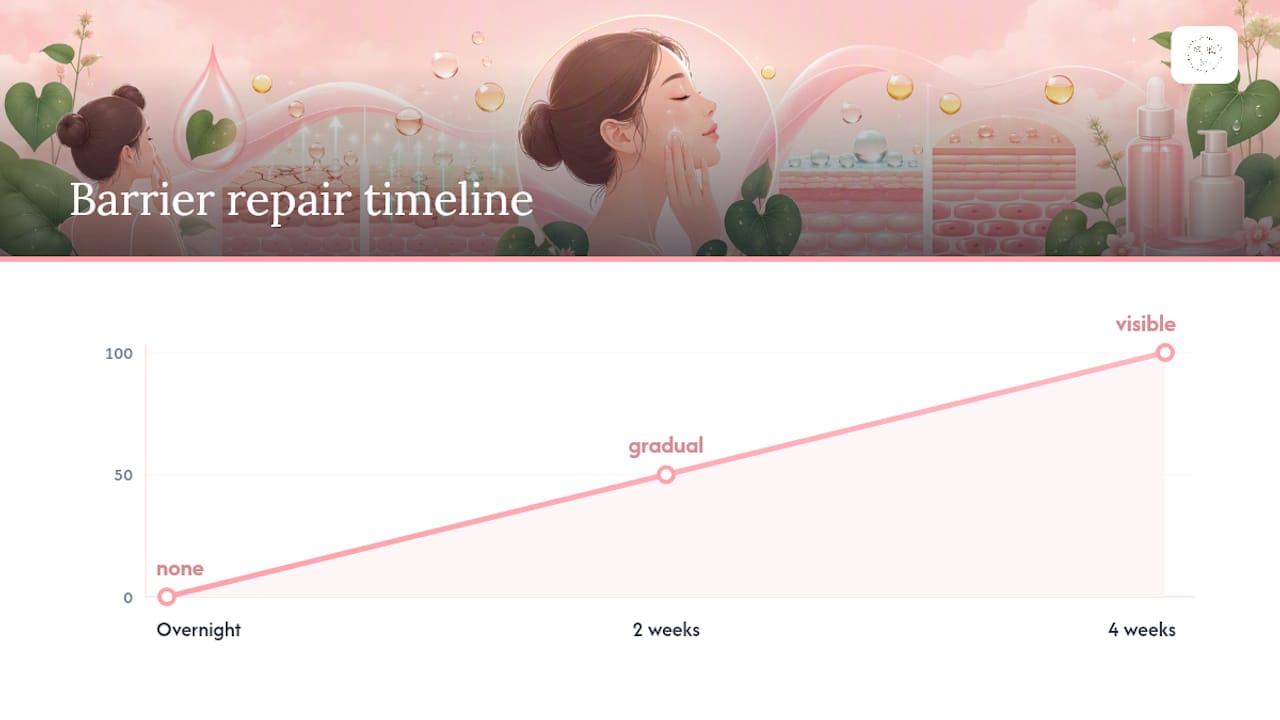
- Repeated use over two to four weeks is necessary to see actual barrier recovery and visible reduction in redness, not immediate soothing.
- It is most suitable for sensitive, reactive, or combination skin, but not for those with fragrance allergies, severe eczema, or fungal acne.
- Always buy from verified sellers, check batch details, and expect to pay a mid-range price for the 75 mL tube, avoiding suspiciously cheap listings.
- For sensitive skin, patch testing and careful layering with other treatments are crucial, and alternatives like calendula and rose balms offer fragrance-free calming options.
Table of Contents
- What Is Goodal Calming Moisture Cream, Exactly?
- How Does Heartleaf Actually Calm Sensitive Skin?
- Is This Cream Right for Your Skin Type?
- How Should You Use It in Your Routine?
- What a Sensitive-Skin Practitioner Wants You to Know
- Where Should You Buy It, and What Should You Expect to Pay?
- Goodal Heartleaf Calming Moisture Cream: Does It Soothe Sensitive Skin?
- A Plant-First Calming Alternative Worth Knowing About
- Where to Verify These Claims Yourself
What Is Goodal Calming Moisture Cream, Exactly?
Goodal Heartleaf Calming Moisture Cream typically comes in a 75 mL tube, positioned in the mid-range price band for K-beauty moisturizers, and it leans hard into one headline claim: a high concentration of houttuynia cordata extract. That number is the reason people search this product out by name rather than settling for a generic soothing cream. The texture is a gel-cream, cooling on contact, and it sinks in without leaving the greasy film that heavier ceramide creams sometimes do.
A few practical facts worth knowing before you shop:
- Size and format: commonly sold in a 75 mL squeeze tube, not a jar, which helps limit air exposure and contamination over time.
- Texture: a lightweight gel-cream with a cooling, slightly tacky-then-smooth finish, better suited to combination and oily-sensitive skin than very dry skin in cold climates.
- Price positioning: mid-range for a K-beauty calming moisturizer, and the value case rests on the ingredient concentration doing real formulation work rather than just a marketing headline.
- Buying channels: widely available through e-commerce storefronts and authorized K-beauty retailers, with product listings that typically disclose full size, batch, and seller information.
Whether that price is fair depends on how much you value a single hero extract at high concentration over a broader, more complex barrier-repair formula. For dry or eczema-prone skin, a heavier moisture cream for sensitive skin may still be worth layering underneath it.
How Does Heartleaf Actually Calm Sensitive Skin?
Houttuynia cordata is not a trendy filler ingredient. It is rich in flavonoids, including quercitrin and quercetin, compounds studied for their antioxidant and anti-inflammatory behavior on skin exposed to environmental stress. A formula built around this extract is unusually concentrated. Most calming creams use heartleaf as a supporting player at a fraction of that level, so the number itself is the ingredient story here.
Quick fact: a significant concentration of a single botanical extract is high enough that it functions as a near-primary ingredient rather than an additive, which is why Goodal markets the number so directly.
Heartleaf doesn’t work alone in this formula. Supporting actives include:
- Madecassoside and asiaticoside (centella derivatives), which support barrier repair and help reduce the look of redness over repeated use.
- Panthenol, a humectant and skin-conditioning agent that helps retain moisture and ease the feeling of tightness.
- Dipotassium glycyrrhizate, a licorice root derivative valued for calming irritated-looking skin.
- Vitamin E, included for its antioxidant role in supporting the formula’s overall stability and skin-conditioning profile.
Here’s the part sensitive-skin shoppers often miss: the same ingredient list includes orange, lavender, and basil essential oils. These are recognized fragrance allergens under EU cosmetic labeling rules, meaning they carry a documented risk of triggering contact reactions in people with fragrance sensitivities, even when the rest of the formula is genuinely soothing. Silicones and humectants elsewhere in the base give the cream its smooth, cushioned glide, but they can also affect how well the product sits on skin already dealing with a compromised barrier. Read the full ingredient list of any best calming skincare ingredients product before assuming “calming” means “fragrance-free.”
Is This Cream Right for Your Skin Type?
Goodal’s formula tends to work best on sensitive, reactive, combination, or normal skin dealing with occasional redness, tightness, or barrier stress from weather, retinoids, or over-exfoliation. It is not automatically the right pick for everyone with reactive skin, especially given the essential oil content.
Watch for these red flags before buying:
- A documented allergy or past reaction to citrus, lavender, or basil, since all three appear as essential oils in this formula.
- Active, severe eczema flares with broken or weeping skin, where any fragrance ingredient raises real risk.
- A tendency toward fungal acne, since some fatty-acid-rich moisturizers can aggravate that specific condition.
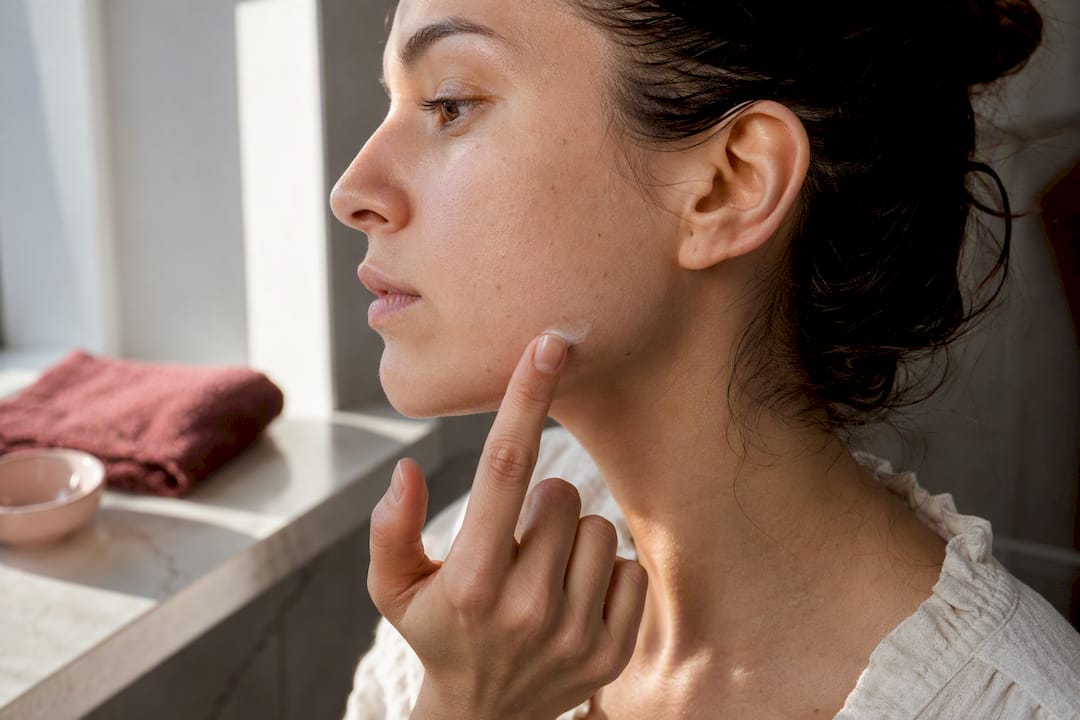
Before applying it to your face, patch test on the inner forearm or behind the ear: apply a dime-sized amount, leave it undisturbed for 24 to 48 hours, and check for redness, itching, or bumps before your first full facial application.
Pro Tip: If you’ve reacted to fragrance before, apply the cream to one side of your jaw only for the first three nights. Asymmetrical testing catches slow-building reactions that a one-time patch test can miss.
Stop use immediately if you notice stinging that doesn’t fade within minutes, spreading redness, or swelling, and talk to a dermatologist if symptoms persist beyond a day or two.
How Should You Use It in Your Routine?
Apply this moisture cream for sensitive skin as the last hydrating step before sunscreen in the morning, and as the final step after any treatment serum at night. A pea-sized amount is enough for the full face; press it in gently rather than rubbing, which reduces friction on skin that’s already inflamed.
- AM routine: gentle cleanser, antioxidant serum (optional), Goodal cream, mineral or chemical sunscreen.
- PM routine: cleanser, treatment (retinoid, exfoliating acid, or none during a flare), Goodal cream to seal in moisture.
- If you’re using retinoids or acids, pause them during active irritation and reintroduce gradually, once every third night, after skin calms.
- Layer this cream over, not under, treatment actives so the calming ingredients sit closest to the skin’s surface where redness shows.
What a Sensitive-Skin Practitioner Wants You to Know
Caitlin Grey has spent years studying how plant-based actives interact with reactive, eczema-prone skin, and her read on formulas like this one is consistent: concentration matters, but so does everything riding alongside the hero ingredient. A a substantial amount of heartleaf extract is genuinely calming on paper. Real-world barrier improvement, though, tends to show up gradually, usually within two to four weeks of consistent twice-daily use, not overnight.
That timeline lines up with how barrier repair actually happens: slowly, and only with consistency. It’s also why some brands build formulas around transparency first, so you know exactly what’s touching your skin before committing weeks to a routine.
Where Should You Buy It, and What Should You Expect to Pay?
Buy through established e-commerce storefronts or authorized K-beauty retailers rather than unverified marketplace sellers, since counterfeit or expired stock circulates in gray-market listings. Legitimate product pages typically disclose the full size, batch information, and seller details, which is a quick way to separate authorized sellers from resellers cutting corners.
- Confirm the seller’s return policy and check listed batch codes against the manufacturer’s site when possible.
- Expect a mid-range price for the 75 mL size, reasonable for the ingredient concentration claimed.
- If a listing seems unusually cheap, treat that as a warning sign, not a bargain.
- If heartleaf-specific formulas aren’t available near you, look for cica-rich creams or plain panthenol balms as a fragrance-conscious substitute.
Local retailer listings on mapping platforms can help confirm whether a seller has a real physical presence, which adds one more layer of confidence before you buy from an unfamiliar storefront.
Goodal Heartleaf Calming Moisture Cream: Does It Soothe Sensitive Skin?
The honest answer is yes, with a condition. It represents a real formulation choice that most calming creams don’t commit to, and paired with madecassoside and panthenol, it gives this cream legitimate barrier-support credentials. Where conventional advice falls short is in treating “calming” as synonymous with “safe for everyone.” It isn’t. A formula can soothe redness for one person and trigger it in another, and the deciding factor is almost always the fragrance ingredients hiding a few lines down the label, not the hero extract at the top.
What I’d prioritize first, before the ingredient story, is the patch test. Sensitive skin doesn’t need more hero ingredients. It needs fewer variables and more certainty about what’s actually touching it. Skip the patch test and you’re gambling with a nervous system in your skin that doesn’t forgive quickly. Respect it, and a high-concentration botanical formula like this one can genuinely earn its place in a calming moisturizer for sensitive skin routine.
— Caitlin Grey
A Plant-First Calming Alternative Worth Knowing About
If the essential oil content in Goodal gives you pause, a botanical balm formulated around calendula and rose, two botanicals long recognized for calming visibly stressed, reactive skin without leaning on a long list of synthetic fillers, is an alternative option for those hesitant about essential oils.
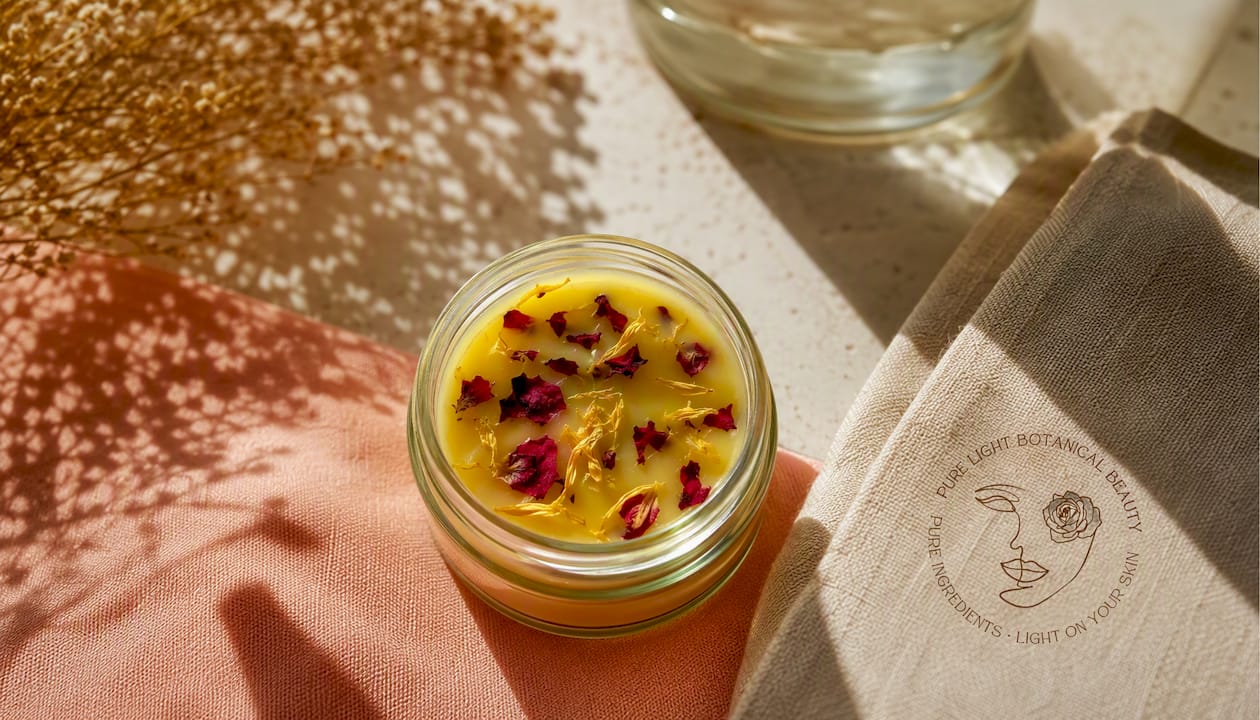
Where Goodal built its reputation on one concentrated extract, this balm takes a gentler, more fragrance-conscious approach that suits readers who want calming benefits without navigating essential oil labels line by line. It’s a natural next step for anyone who read this far and thought, “I want the soothing benefits, minus the guesswork over allergens.” Visit the Botanical Beauty Balm product page to see the full ingredient list and check current shipping details before your next reorder of calming skincare.
Where to Verify These Claims Yourself
For readers who want to double-check ingredient concentrations and formulation claims firsthand, a few resources are worth bookmarking. Product listing pages on major e-commerce platforms often disclose batch and size details that help confirm you’re buying from an authorized seller. Ingredient-aggregation sites can help you cross-reference specific actives like houttuynia extract or fragrance allergens before you commit to a purchase. For more on how calming ingredients function across different formulas, see this breakdown of calming skincare for sensitive skin.