

TL;DR:
- Omega oils provide essential fatty acids that strengthen the skin barrier, reduce inflammation, and enhance moisture retention. Different types—omega-3, omega-6, and omega-9—serve specific roles, from anti-inflammatory effects to deep skin penetration and emollient properties. Selecting the right oil based on your skin type and storing it properly maximizes their skin-healing benefits.
Omega oils are defined as lipid-based fatty acids that strengthen the skin barrier, regulate inflammation, and lock in moisture, making them one of the most clinically supported ingredients in modern skincare. The role of omega oils in skincare extends far beyond surface hydration. Omega-3, omega-6, and omega-9 fatty acids each perform distinct biological functions that directly affect how your skin looks, feels, and heals. Recent clinical studies confirm their benefits for sensitive, acne-prone, and mature skin alike. Whether you are managing eczema, dealing with reactive skin, or simply want a stronger, more resilient complexion, understanding how these fatty acids work gives you a real advantage.
What are the different types of omega fatty acids for skin?
Omega fatty acids fall into three main families, and each one does something different inside your skin.
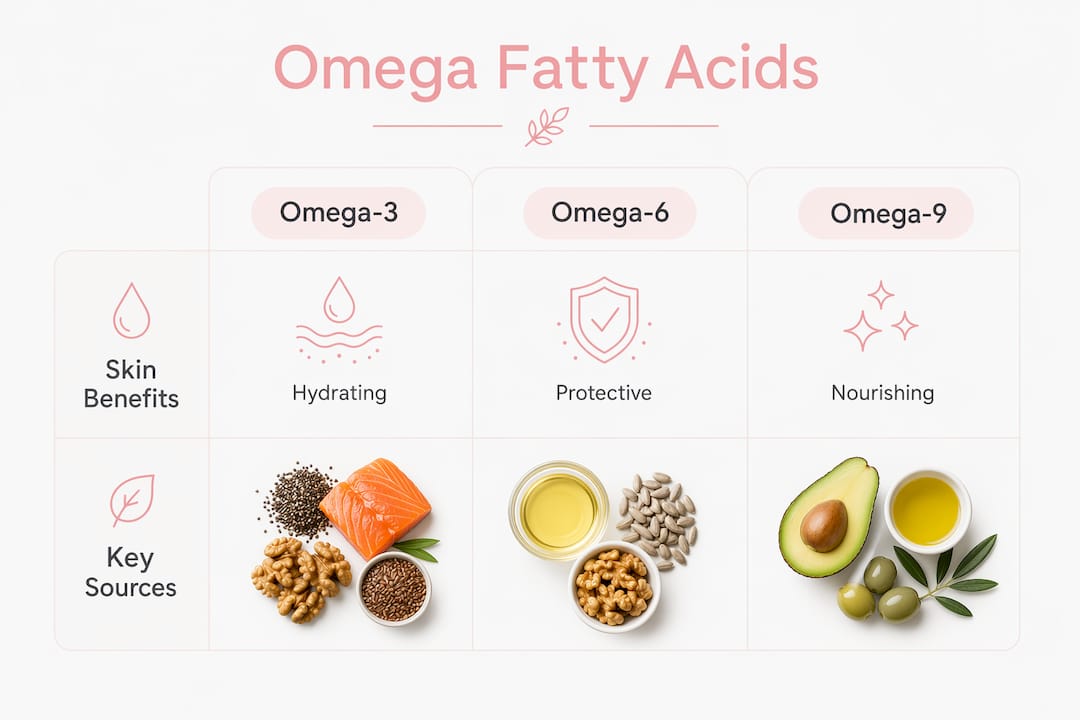
Omega-3 fatty acids include alpha-linolenic acid (ALA), eicosapentaenoic acid (EPA), and docosahexaenoic acid (DHA). ALA is found in plant oils like flaxseed and hemp seed. EPA and DHA come primarily from marine sources like fish oil and algae. Omega-3s are best known for their anti-inflammatory properties. They generate specialized mediators called pro-resolving mediators (SPMs) that actively shut down chronic skin inflammation. That mechanism is why omega-3s are particularly valuable for sensitive and reactive skin.
Omega-6 fatty acids include linoleic acid and gamma-linolenic acid (GLA). Linoleic acid is the most structurally important fatty acid in skin biology. Linoleic acid is essential for producing ceramide EOS, the specific ceramide that holds your skin barrier together. Without enough linoleic acid, barrier permeability increases, moisture escapes, and skin becomes more reactive. GLA, found in evening primrose oil and borage oil, adds an extra layer of anti-inflammatory support.
Omega-9 fatty acids are led by oleic acid, the dominant fat in argan oil, avocado oil, and macadamia oil. Unlike omega-3 and omega-6, oleic acid is non-essential, meaning your body can produce it. Its primary role in skincare is as an emollient and penetration enhancer. Oleic acid softens skin and helps other active ingredients absorb more deeply.
| Omega type | Key fatty acid | Primary skin benefit | Best source oils |
|---|---|---|---|
| Omega-3 | ALA, EPA, DHA | Anti-inflammatory, barrier repair | Flaxseed, hemp seed, fish oil |
| Omega-6 | Linoleic acid, GLA | Ceramide production, barrier integrity | Rosehip, safflower, evening primrose |
| Omega-9 | Oleic acid | Emollient, deep penetration | Argan, avocado, macadamia |
How do omega oils improve skin health and address sensitivities?
The benefits of omega oils go well beyond moisturizing. They work at a cellular level to repair, protect, and calm skin.
Omega-3 fatty acids are the most studied for sensitive skin. Krill oil supplementation at 1g or 2g daily significantly reduces transepidermal water loss and increases skin hydration in randomized, double-blind trials. Less water loss means a stronger barrier and less reactivity to environmental triggers. That is a measurable, dose-dependent result, not a marketing claim.
Linoleic acid deficiency is directly linked to thicker sebum and a compromised barrier. When your skin lacks linoleic acid, the barrier becomes leaky and inflammation follows. Topical linoleic acid restores barrier function and is considered essential for acne-prone skin because it normalizes sebum composition. This is why many people with oily or breakout-prone skin actually benefit from applying the right oil rather than avoiding oils entirely.
Omega-3 fatty acids also show clinical results for acne. Omega-3 supplementation reduces acne lesion counts and softens the side effects of isotretinoin therapy over a 16-week period. That finding matters because it positions omega-3s as both a standalone support and a complement to medical acne treatment.
“Polyunsaturated fatty acids have distinct biological roles beyond hydration, including inflammatory regulation, with direct effects on conditions like psoriasis and eczema.” — Polyunsaturated Fatty Acids in Skin Biology
For aging skin, omega oils help preserve collagen by reducing the low-grade inflammation that breaks it down over time. Omega-3s in particular slow the inflammatory cascade that degrades collagen fibers. The result is firmer, more even skin with consistent use.
Pro Tip: If you have eczema or chronic redness, look for products containing both linoleic acid and GLA. That combination addresses both barrier repair and active inflammation at the same time. Purelightbotanicalbeauty’s formulas are built around exactly this kind of dual-action approach.
How to choose the right omega-rich oil for your skin type
Choosing the wrong oil is the most common mistake people make. The fix is simple: read the fatty acid profile, not just the marketing label.
Matching oil fatty acid profiles to your skin type is the single most reliable way to reduce breakouts, dryness, and irritation from topical oils. Here is how to apply that principle by skin type.
1. Oily and acne-prone skin
Reach for high-linoleic oils. Hemp seed oil carries a near-ideal omega-6 to omega-3 ratio of approximately 3:1, making it one of the most balanced options for barrier repair without clogging pores. Rosehip oil and safflower oil are also high in linoleic acid and absorb quickly without leaving a greasy residue. These oils normalize sebum and reduce the comedogenic risk that comes with heavier, oleic-dominant oils.
2. Dry and mature skin
High-oleic oils are your best match. Argan oil, avocado oil, and macadamia oil are rich in oleic acid, which penetrates deeply and delivers long-lasting softness. High-oleic oils feel rich and nourishing, but they can worsen acne-prone conditions if misapplied. Use them only if your skin genuinely skews dry or mature.
3. Sensitive and combination skin
Blending oils gives you the most control. A mix of hemp seed oil (high linoleic) and a small amount of argan oil (high oleic) covers both barrier repair and emollient comfort. Start with a 70/30 ratio favoring the linoleic oil and adjust based on how your skin responds over two to three weeks.
4. Eczema-prone skin
Evening primrose oil and borage oil are the most targeted options. Both are rich in GLA, which directly supports the inflammatory pathways involved in eczema flares. Purelightbotanicalbeauty formulates with these principles in mind, creating products that work for skin that needs genuine healing, not just surface coverage. You can also explore plant oils for sensitive skin to find options matched to your specific concerns.
Pro Tip: Store all polyunsaturated omega oils in dark, airtight containers away from heat. Topical omega oils oxidize easily and rancid oil can irritate skin rather than heal it. Look for formulas that include Vitamin E as a natural antioxidant stabilizer.
What are the best ways to use omega oils in your skincare routine?
Knowing which oil to use is only half the equation. How you apply it determines whether you get results.
- Apply to damp skin. Omega oils seal moisture in rather than add it. Pressing a few drops onto slightly damp skin after cleansing locks in hydration and improves absorption significantly.
- Layer correctly. Apply water-based serums first, then your omega oil, then a moisturizer if needed. Oils create a semi-occlusive layer that holds everything underneath in place.
- Start with a small amount. Two to three drops is enough for the full face. More product does not mean more benefit, and excess oil can sit on the surface and oxidize.
- Use at night for repair. Skin cell turnover peaks overnight. Applying omega-rich oils before bed gives your skin the fatty acids it needs during its natural repair window.
- Consider supplementation alongside topical use. Topical application addresses the skin barrier directly, while oral omega-3s from fish oil or algae-based supplements work from the inside out. Fish oil provides omega-3s beneficial for skin, though plant-based alternatives like sea buckthorn are often preferred in topical formulas due to sensory considerations.
- Check for oxidation. If an oil smells sharp, paint-like, or off, it has oxidized. Discard it. Oxidized oils deliver free radicals to your skin instead of fatty acids.
For sensitive skin specifically, patch-test any new oil on your inner arm for 48 hours before applying it to your face. Learn more about using facial oils safely to build a routine that works without triggering flares.
Key takeaways
Omega fatty acids are the most structurally and biologically significant lipids in skincare, and matching the right type to your skin is the difference between results and frustration.
| Point | Details |
|---|---|
| Omega types have distinct roles | Omega-3 resolves inflammation, omega-6 repairs the barrier, omega-9 softens and penetrates. |
| Linoleic acid is non-negotiable | Deficiency causes leaky barriers and thicker sebum, especially in acne-prone skin. |
| Match oil to skin type | High-linoleic oils suit oily skin; high-oleic oils suit dry and mature skin. |
| Storage protects efficacy | Polyunsaturated oils oxidize quickly; store in dark, airtight, cool conditions. |
| Topical and oral work together | Supplementing with omega-3s and applying omega-rich oils addresses skin from both directions. |
What I have learned from years of watching skin respond to the right oils
Most people come to omega oils after trying everything else. They have used heavy creams, prescription treatments, and a dozen serums, and their skin is still reactive, dull, or breaking out. What I find again and again is that the missing piece is almost always fatty acid balance, not more product.
The biggest misconception I see is that oily skin should avoid oils entirely. That belief causes real harm. When acne-prone skin is stripped of linoleic acid, it compensates by producing more sebum, and that sebum is thicker and more pore-clogging than before. Adding a lightweight, high-linoleic oil like hemp seed or rosehip actually calms that cycle down. I have watched people with years of persistent breakouts see their skin settle within weeks of making that one change.
The other thing I want you to know is that not all omega oil formulas are created equal. Oxidation is the silent problem in this category. An oil that was beautifully formulated six months ago can become a source of free radical damage if it was stored poorly or sits too long on a shelf. This is why I trust brands that include Vitamin E in their formulas and use dark, protective packaging. It is not a small detail. It is the difference between an oil that heals and one that quietly worsens inflammation.
My honest recommendation is to start simple. Pick one high-quality oil matched to your skin type, use it consistently for four weeks, and observe what changes. Your skin will tell you what it needs if you give it time and the right ingredients.
— Kaitlyn
Discover Purelightbotanicalbeauty’s omega-rich botanical formulas
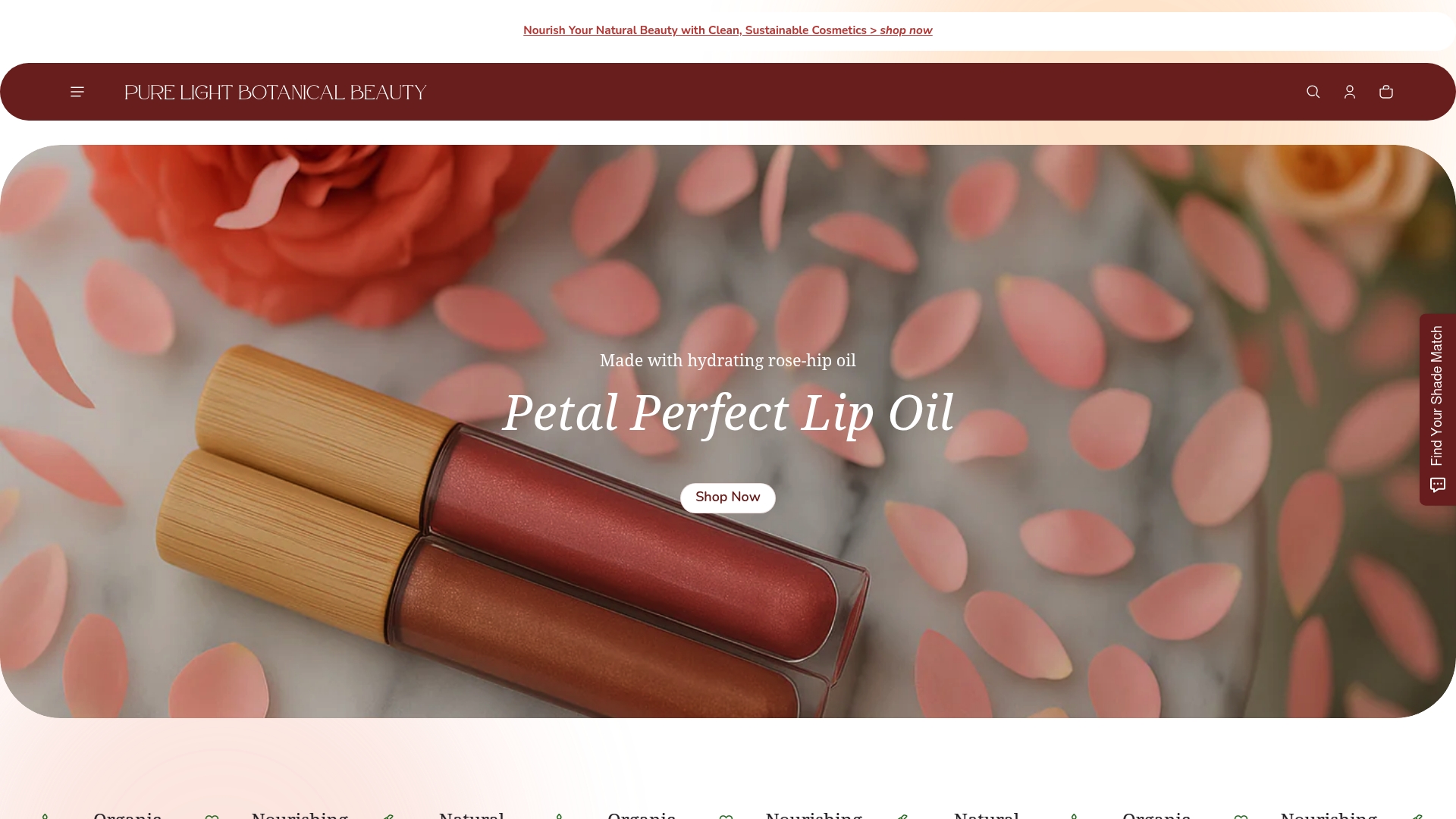
Purelightbotanicalbeauty was built on the belief that your makeup should nourish your skin, not just sit on top of it. Every formula in the nourishing cosmetics collection is crafted with clean, plant-based ingredients chosen for their fatty acid profiles and skin-healing properties. Products like the Nourishing Lipstick and Petal Perfect Lip Oil deliver omega-rich botanical oils directly to skin that needs both color and care. If you have sensitive skin, eczema, or simply want beauty products that work with your skin’s biology, Purelightbotanicalbeauty offers a gentler, more intentional way forward. Visit Pure Light Botanical Beauty to explore the full collection.
FAQ
What is the role of omega oils in skincare?
Omega oils strengthen the skin barrier, reduce inflammation, and improve moisture retention by supplying essential fatty acids that skin cannot produce on its own. Omega-3, omega-6, and omega-9 each serve a distinct biological function in skin health.
Which omega oil is best for sensitive or eczema-prone skin?
Evening primrose oil and borage oil are the strongest choices for eczema-prone skin because both are rich in GLA, which directly targets the inflammatory pathways involved in flares. Hemp seed oil is also excellent for its balanced omega-6 to omega-3 ratio.
Can omega oils help with acne?
Yes. Omega-3 supplementation reduces acne lesion counts over 16 weeks, and topical linoleic acid normalizes sebum composition to reduce pore congestion. High-linoleic oils like rosehip and safflower are the best topical options for acne-prone skin.
How do I store omega-rich oils to keep them effective?
Store polyunsaturated omega oils in dark, airtight containers in a cool location away from direct sunlight. Oxidized oils lose their skin benefits and can introduce free radicals that worsen inflammation.
Can I use omega oils with other skincare products?
Yes. Apply water-based serums first, then your omega oil, then a moisturizer if needed. This layering order preserves the function of each product and allows the oil to act as a protective, moisture-sealing layer.
Recommended
- Understanding the Role of Natural Oils in Skincare – Pure Light Botanical Beauty
- Understanding the Role of Lip Care for Healthy Lips – Pure Light Botanical Beauty
- The Role of Holistic Health in Beauty: What Works – Pure Light Botanical Beauty
- Role of Oils in Skin Health – Nature’s Nourishing Solution – Pure Light Botanical Beauty