

The single best daily combination for glowing skin is a hydrating humectant like hyaluronic acid, a barrier moisturizer with ceramides, gentle exfoliation once or twice a week, a brightening step like vitamin C, and broad-spectrum SPF 30+ every single morning. Glow comes down to three things: smoothness, hydration, and even tone. Hyaluronic acid gives you an optical lift within days; brightening and barrier repair take weeks to months to show their full effect.
TL;DR:
- A consistent routine with hydrating humectants, barrier moisturizers, gentle exfoliation, vitamin C, and SPF 30+ is essential for lasting skin glow, not just brightening serums.
- Hydration and barrier repair come before brightening and exfoliation, which are supplemental steps, especially for sensitive or compromised skin.
- Exfoliation should be limited to one or two times weekly with gentle acids like PHAs to prevent barrier damage and dullness.
- Diet impacts skin over months, with omega-3s, carotenoid-rich vegetables, and antioxidants supporting tone, hydration, and overall health.
- Makeup tricks can create an instant glow, but true skin brightness requires a barrier-first skincare routine and avoidance of habits like smoking or heavy alcohol consumption.
Table of Contents
- What Can I Use for Glowing Skin Every Day?
- A Simple Morning and Evening Routine for Radiant Skin
- What Ingredients Actually Make Your Skin Glow?
- Diet and Lifestyle Habits That Support a Natural Glow
- Instant Glow: Makeup Tricks That Fake It Well
- Adjusting the Glow Routine for Sensitive or Eczema-Prone Skin
- An Editorial Note on Rituals, Sensitive Skin, and Real Glow
- Do Natural Remedies and DIY Treatments Actually Work?
- When Should You See a Dermatologist About Dull Skin?
- Which Skin Type Are You Actually Working With?
- How Pollution and Humidity Affect Your Skin’s Glow
- Habits That Undo Your Glow Routine
- Why the Conventional Glow Advice Gets It Backwards
- Build Your Glow Ritual With Pure Light Botanical Beauty
- Further Reading on Skin Health and Glow
- FAQ
What Can I Use for Glowing Skin Every Day?
Glow is not a mystery ingredient. It is an optical effect created by three conditions working together: a smooth surface that reflects light evenly, a well-hydrated stratum corneum, and a tone free of blotchiness or dark patches. Dermatologists who study this describe it plainly. When any one of those three is off, skin looks flat or dull, even if it is technically “healthy.”
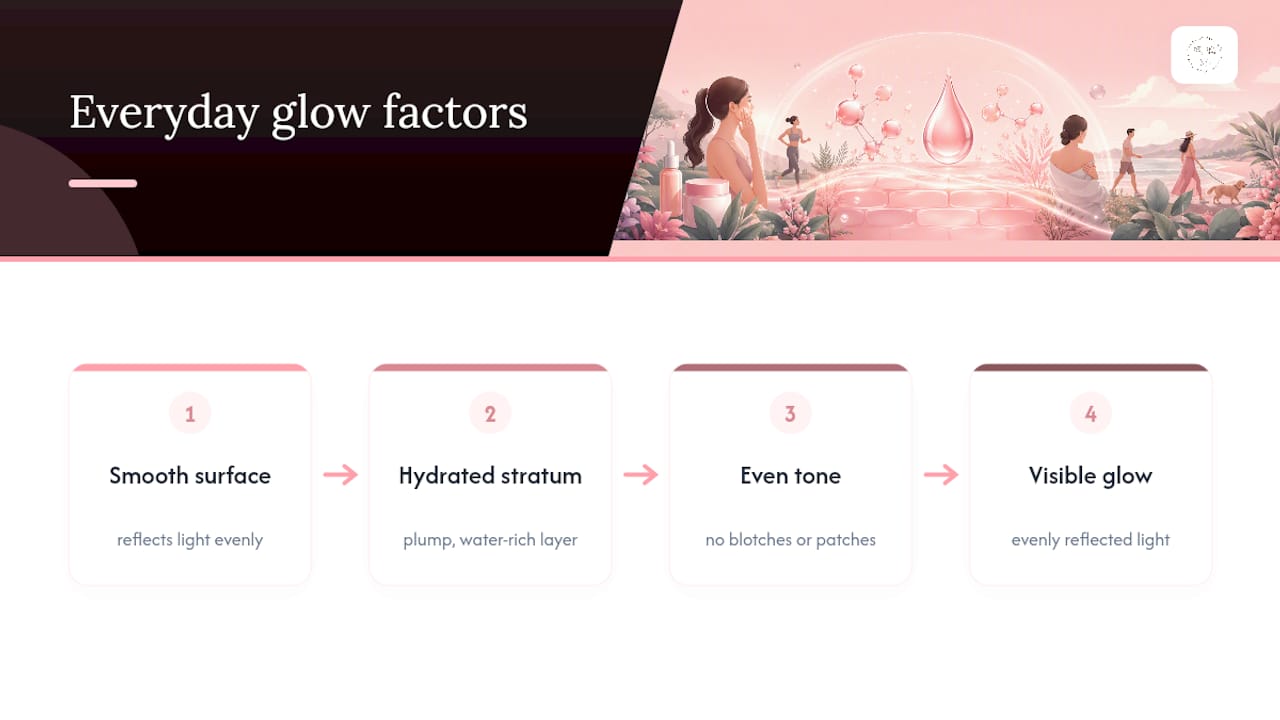
That means the products that make skin glow are not exotic. They are the ones that consistently address surface texture, water content, and pigment evenness. A rough, dehydrated, uneven-toned face will never catch light the way a smooth, plump, evenly pigmented one does, no matter how expensive the serum.
Here is where a lot of people go wrong: they chase brightening serums while skipping the barrier work that makes those serums actually absorb and perform. Hydration and barrier repair come first. Brightening and exfoliation are the finishing touches, not the foundation. If your skin barrier is compromised, from over-exfoliating, harsh cleansers, or untreated eczema, adding a stronger vitamin C or acid on top usually backfires into redness and sensitivity rather than glow.
A Simple Morning and Evening Routine for Radiant Skin
You do not need eleven steps. A checklist of the right product types for your skin usually beats a shelf full of actives you use inconsistently. Here is a routine built around what actually moves the needle:
- Morning cleanse. Use a gentle, fragrance-free cleanser. You are not trying to strip oil, just remove overnight buildup.
- Hydrating serum on damp skin. Apply a hyaluronic acid or glycerin serum while your face is still slightly wet. This traps more water at the surface than applying it to dry skin.
- Barrier moisturizer. Follow with a moisturizer containing ceramides or squalane to seal that hydration in.
- Broad-spectrum SPF 30 or higher. Apply this last, every morning, rain or shine. Reapply every two hours if you are outdoors or sweating.
- Evening cleanse. Remove sunscreen, makeup, and pollution buildup with the same gentle cleanser.
- Targeted treatment. Two or three nights a week, this is where a brightening serum or a retinoid goes. On other nights, just repeat the hydrating serum.
- Night moisturizer. Lock everything in with your barrier cream.
Exfoliation is where most routines get overcomplicated. Skip daily scrubs entirely. Instead, use a PHA or a low-strength AHA one to two times a week. PHAs are gentler and better suited to reactive or eczema-prone skin, since their larger molecule size limits how deep they penetrate.
When introducing any new active, whether it is vitamin C, a retinoid, or an acid exfoliant, add just one at a time and wait a week before judging results or adding another.
Pro Tip: Apply hydrating serum within sixty seconds of washing your face. Waiting even a few minutes lets that surface water evaporate, and you lose most of the plumping effect before the serum has a chance to work.
What Ingredients Actually Make Your Skin Glow?
Every glow-focused product falls into one of five categories. Knowing what each one does helps you stop buying duplicates and start building a routine that works with your skin instead of against it.
- Humectants (hyaluronic acid, glycerin): These pull water into the skin’s outer layer, creating a plumping effect almost immediately. The catch is they need a barrier moisturizer layered on top, or that water evaporates back out within an hour.
- Barrier builders (ceramides, fatty acids, squalane): These seal in the hydration humectants provide. Without them, you are refilling a bucket with a hole in the bottom.
- Brighteners (topical vitamin C, niacinamide): Vitamin C works on pigment production and oxidative stress at the skin cell level. Some formulations can show visible brightness and texture improvement within about a week, but the durable, cumulative effect on tone requires consistent use over weeks to months.
- Exfoliants (PHAs, AHAs, BHAs): PHAs suit sensitive and reactive skin best. AHAs work well for dry, sun-damaged skin. BHAs target oily, congested pores. Overuse of any of them causes the exact dullness and irritation you are trying to fix.
- Retinoids: These support long-term texture and collagen over months of consistent nightly use, but they require SPF the following morning without exception, since they increase sun sensitivity.
One safety note dermatologists repeat often: do not layer strong acid exfoliants with retinol in the same routine on the same night. That combination strips the barrier faster than either ingredient alone. Patch-test any new active on your inner forearm for a few days before applying it to your face.
Diet and Lifestyle Habits That Support a Natural Glow
Topical products handle the surface. What you eat and how you live shapes what is underneath, and it works on a slower timeline: weeks and months, not days.
- Omega-3 fatty acids from oily fish, walnuts, and chia seeds support barrier integrity and hydration from the inside out.
- Carotenoid-rich foods like carrots, sweet potatoes, and spinach contribute to subtle, healthy tone shifts over time.
- Antioxidant-rich foods, including berries and green tea, help offset oxidative stress that dulls skin over time.
- Prioritize consistent sleep, manage stress, and stay hydrated. All three affect how your skin barrier functions day to day.
- Avoid smoking and limit alcohol. Both accelerate collagen breakdown and dehydrate skin from within.
Nutrition works through gradual, systemic change. Do not expect a salmon dinner to show up on your face tomorrow. Expect it to show up after a few consistent months.
Instant Glow: Makeup Tricks That Fake It Well
Sometimes you need a fast fix before an event, and there is nothing dishonest about reaching for one. Makeup works by manipulating how light reflects off your skin, not by changing its condition.
- Highlighters and dewy primers placed on the high points of the face (cheekbones, brow bone, bridge of the nose) create instant light reflection.
- Tinted SPF gives you sun protection and a soft glow in one step, ideal for daytime wear.
- Cream blush and lip oil, like Botanical Crème Blush™ and Petal Perfect Lip Oil™, add warmth and a dewy finish without heavy coverage.
- For sensitive skin, stick to fragrance-free, non-comedogenic formulas so your quick fix does not trigger a breakout or flare.
Use these for a night out, never as a substitute for the barrier and hydration work that builds real, lasting glow.
Adjusting the Glow Routine for Sensitive or Eczema-Prone Skin
Reactive skin needs a barrier-first sequence, not a more aggressive one. Skip fragranced cleansers and heavy oils in favor of gentler alternatives.
- Choose a fragrance-free, sulfate-free cleanser and a ceramide-rich moisturizer as your foundation.
- Swap heavier facial oils for squalane, which mimics skin’s natural lipids without clogging pores.
- Start with a lower-strength vitamin C serum formulated for reactive skin, and choose PHAs over AHAs or BHAs for exfoliation.
- Introduce one new product at a time, and watch for redness, stinging, or itching that lasts beyond the first few uses. That is your signal to stop.
The brand formulates products around a barrier-first principle, using plant-based ingredients intended to avoid common triggers for eczema and reactive skin.
Pro Tip: If a new product stings on application and that sting does not fade within a minute, that is your skin telling you no. Do not push through it hoping it will adjust.
An Editorial Note on Rituals, Sensitive Skin, and Real Glow
Caitlin Grey writes for Pure Light Botanical Beauty with a focus on skin healing, eczema care, and plant-based formulation. Her work centers on the belief that skincare rituals should nourish, not just perform. A short nightly ritual, cleanse, apply a calming serum, massage in a ceramide-rich cream, matters more for consistency than any single “miracle” active. Products built for a compromised barrier need to work in that ritual, not against it.
Do Natural Remedies and DIY Treatments Actually Work?
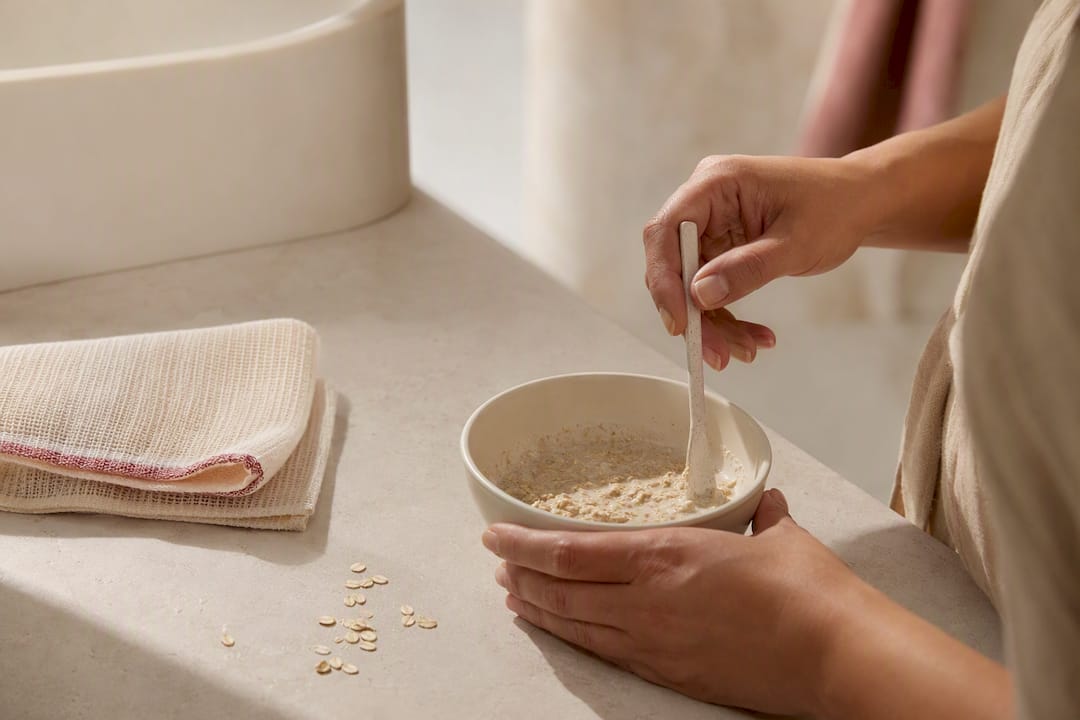
Some kitchen-cabinet remedies hold up. Oatmeal masks genuinely soothe irritated skin and support the barrier, which is why they show up in dermatology recommendations for eczema-prone patients. Honey has mild humectant properties, drawing in moisture similarly to glycerin, though its effect is gentler and shorter-lived than a formulated serum.
Others do not hold up, and some actively cause harm. Lemon juice is a common “brightening” DIY suggestion, but its acidity is high enough to cause chemical burns and increase sun sensitivity, especially risky given that sunscreen is non-negotiable in any glow routine. Baking soda disrupts skin’s natural pH balance and can compromise the barrier you are trying to build. Toothpaste, sometimes recommended for spot treatment, contains irritants that inflame skin rather than calm it.
The pattern is straightforward: gentle, hydrating, barrier-supporting DIY ingredients (oatmeal, aloe vera, plain yogurt for its lactic acid content) tend to be safe in moderation. Anything highly acidic, abrasive, or alkaline belongs in your kitchen, not on your face. When in doubt, patch-test on your forearm first, and treat DIY treatments as occasional additions, not a replacement for a real routine.
When Should You See a Dermatologist About Dull Skin?
Persistent dullness that does not respond to a few weeks of consistent hydration, gentle exfoliation, and sun protection is worth a professional look. Dullness can be a symptom of something beyond surface care: thyroid imbalances, anemia, dehydration from an underlying condition, or a skin barrier disorder like eczema or rosacea that needs targeted treatment rather than an over-the-counter serum.
See a dermatologist if you notice dullness paired with persistent redness, flaking, itching, or texture changes that don’t improve. The same goes for dullness that appeared suddenly rather than gradually, since that pattern sometimes points to a reaction, a medication side effect, or a nutritional deficiency. A board-certified dermatologist can also help you build a routine with prescription-strength retinoids or brightening agents if over-the-counter versions have plateaued.
If you have eczema and are unsure which products are safe for your specific triggers, a dedicated eczema healing consultation can help you build a barrier-first routine tailored to your skin’s actual needs, rather than guessing your way through it.
Which Skin Type Are You Actually Working With?
Product recommendations only work when they match your skin type, and most people misjudge their own.
Dry skin feels tight, flakes easily, and rarely gets oily by midday. It benefits most from richer barrier moisturizers, squalane, and gentle, infrequent exfoliation with PHAs.
Oily skin produces visible shine within a few hours of cleansing and tends to tolerate BHAs like salicylic acid well for keeping pores clear.
Combination skin runs oily through the T-zone and dry on the cheeks, which usually means layering lighter hydration on the T-zone and richer moisturizer on the cheeks.
Sensitive or eczema-prone skin reacts to fragrance, certain preservatives, and strong actives with redness, itching, or stinging. This skin type needs the barrier-first approach outlined earlier in this article, prioritizing ceramides, squalane, and PHAs over stronger acids.
Most people are a hybrid of two categories, which is exactly why a rigid, one-size-fits-all regimen backfires so often.
How Pollution and Humidity Affect Your Skin’s Glow
Environmental exposure works against glow in ways most routines ignore entirely. Airborne pollution generates oxidative stress on skin cells, which contributes to the dullness that antioxidant-rich foods and topical vitamin C are partly designed to counteract.
Humidity swings matter just as much. Dry, low-humidity air pulls moisture out of skin, which is why barrier moisturizers with ceramides become more important in winter or in air-conditioned environments. High humidity, by contrast, can trap sweat and oil against the skin, which is where lighter, non-comedogenic formulas matter more.
Protective measures are simple: a double cleanse at night to remove pollution particles, antioxidant serums in the morning, and a barrier moisturizer adjusted seasonally rather than used identically year-round.
Habits That Undo Your Glow Routine
Smoking constricts blood vessels near the skin’s surface, reducing the blood flow that gives skin its natural color and radiance, while also breaking down collagen faster than age alone would. Excessive alcohol dehydrates skin from the inside, which works directly against every humectant and barrier step in your routine.
Both habits also disrupt sleep quality, and poor sleep shows up on your face as puffiness, uneven tone, and a grayish cast that no amount of highlighter fully hides. If you are investing in vitamin C serums and ceramide moisturizers but still smoking or drinking heavily, you are working against your own routine every single day. Cutting back on either one, even partially, tends to show up in skin tone faster than most people expect.
Why the Conventional Glow Advice Gets It Backwards
Most glow advice leads with brightening serums and exfoliating acids because they photograph well in before-and-after posts. That is backwards. The research is consistent: hydration and barrier function are the foundation, and brightening agents only work well on top of a barrier that is already intact.
I’d argue the biggest mistake people make is treating sensitive and eczema-prone skin as a limitation to work around rather than a signal to simplify. A barrier-first routine is not a compromise version of a “real” glow routine. It is the version that actually works for the widest range of skin, reactive or not. Strip away the marketing and the sequence that dermatologists actually recommend is almost embarrassingly simple.
If you take one thing from this article, prioritize your barrier before you touch a single brightening product. Fix the foundation first, and the rest of your routine performs the way it is supposed to.
— Caitlin Grey
Build Your Glow Ritual With Pure Light Botanical Beauty
Pure Light Botanical Beauty builds every formula around the same barrier-first sequence covered in this article, using clean, plant-based ingredients meant to support reactive and eczema-prone skin rather than fight against it.
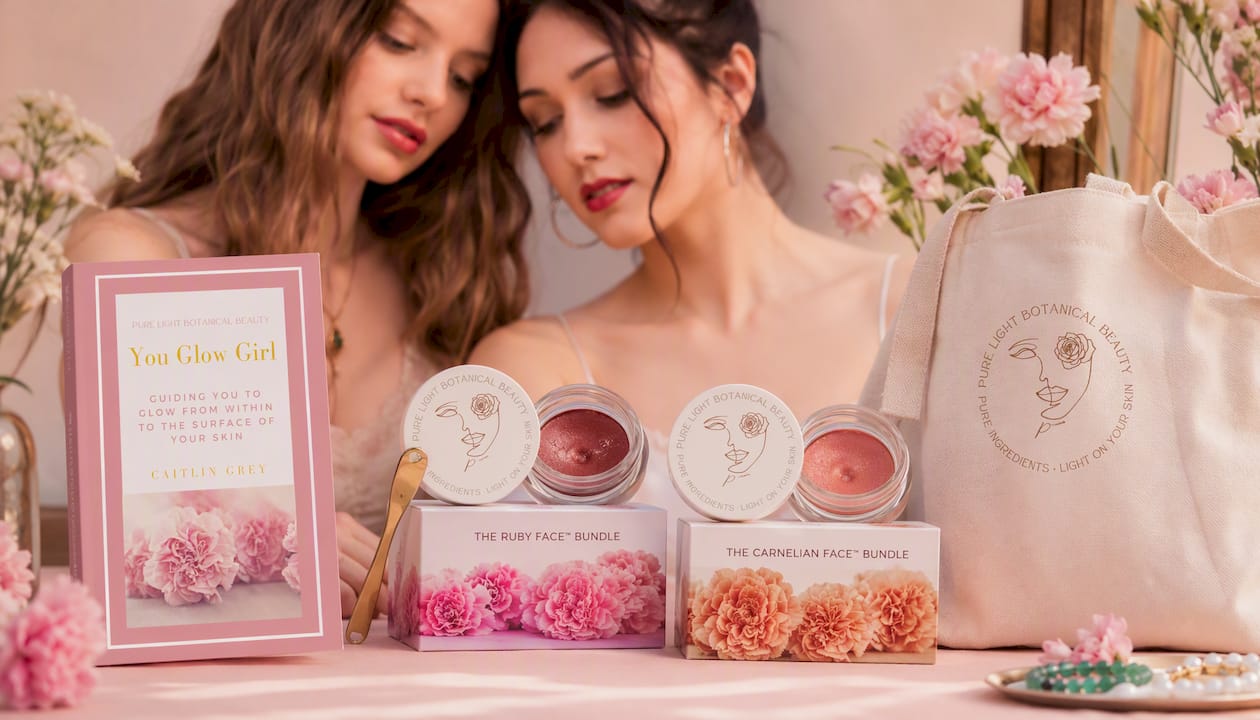
The Ruby Face™ Bundle is built around hydration and barrier support, the exact foundation this article recommends before adding any brightening step. The Carnelian Face™ Bundle focuses on nourishment and a dewy finish for those ready to layer in radiance once their barrier is stable. If you are still figuring out how to sequence your routine or build a consistent ritual around it, the You Glow Girl™ e-book walks through practical, ritual-based steps you can start tonight.
For a fully personalized plan, especially if eczema or reactive skin has made off-the-shelf products unpredictable, book an eczema healing consultation and get a routine built around your actual skin, not a generic one.
Further Reading on Skin Health and Glow
For deeper reading, Mayo Clinic covers foundational skin care habits, Dermatology Times details SPF application guidance, and DermApproved breaks down the optical science behind why skin glows.
FAQ
Can I get glowing skin in seven days?
You can see a visible optical lift within days using a hydrating humectant like hyaluronic acid, since it plumps skin almost immediately. Some vitamin C formulations show visible brightness and texture improvement in as little as seven days, but tone and texture changes that last require weeks to months of consistent use.
What is the best product to use for glowing skin?
There is no single best product. The most effective approach combines a hydrating serum, a ceramide-based barrier moisturizer, gentle weekly exfoliation, and daily broad-spectrum SPF 30 or higher. For sensitive or eczema-prone skin, a barrier-first bundle like the Ruby Face™ Bundle covers hydration and radiance without harsh actives.
How often should I exfoliate for glowing skin?
Most people do best exfoliating one to two times a week, using a PHA or low-strength AHA rather than a daily scrub. Overdoing exfoliation strips the barrier and causes the exact dullness and irritation you are trying to avoid.
Does diet actually affect how skin looks?
Yes, though the effect is gradual rather than immediate. Omega-3 fatty acids, carotenoid-rich vegetables, and antioxidant-rich foods support barrier function and subtle tone improvements over weeks and months of consistent eating patterns.
Is makeup a real substitute for a skincare routine?
No. Highlighters, dewy primers, and tinted SPF create an instant optical glow through light reflection, which is useful for events or photos, but they do not improve skin’s actual hydration, texture, or barrier function. Use them alongside a real routine, not instead of one.