

The moisture barrier is the outermost layer of skin, known as the stratum corneum, working alongside the acid mantle to hold moisture in and keep irritants out. Its primary job is to prevent transepidermal water loss and shield skin from microbes, pollutants, and harsh ingredients. When it falters, the skin tells you quickly, but with consistent, gentle care, most people see real improvement within weeks.
Key Takeaways
A healthy moisture barrier is essential for preventing water loss and protecting skin from irritants, and repairing it requires gentle, layered skincare practices over several weeks.
| Point | Details |
|---|---|
| Lipids form the physical barrier | Ceramides, cholesterol, and fatty acids organize into structures that physically prevent water loss and block irritants. |
| Disrupted barrier causes visible signs | Signs include tightness, sensitivity, redness, flaking, and breakouts, indicating barrier compromise that needs gentle treatment. |
| Avoid over-exfoliation and harsh cleansers | Repeated use of strong exfoliants, sulfates, and hot showers damages the lipid matrix and acid mantle, weakening the barrier. |
| Use a simple, layered routine | Apply a humectant on damp skin, follow with ceramide-rich emollients, and seal with an occlusive like petrolatum during repair. |
| Purelightbotanicalbeauty advocates a barrier-first approach | We focus on nurturing the skin’s natural structure through clinical, plant-based formulations that support long-term barrier health. |
Table of Contents
- 1. What the moisture barrier is made of and how it works
- 2. What a healthy barrier actually does for your skin
- 3. Everyday habits and conditions that weaken the barrier
- 4. How to tell if your moisture barrier is damaged
- 5. A practical routine to repair and protect your barrier
- 6. Ingredient spotlight: what actually rebuilds the barrier
- 7. A barrier-first approach rooted in evidence and plant wisdom
- 8. How stress and mental health affect your skin’s resilience
- 9. How diet, sleep, and your environment shape barrier health
- 10. Turning barrier care into a daily ritual of self-care
- 11. Common myths about the moisture barrier, cleared up
- 12. Plant-based ingredients worth seeking out for barrier support
- A personal note on patience and consistency
- How we can support your barrier repair journey
- FAQ
1. What the moisture barrier is made of and how it works
Picture your skin’s outer layer as a brick wall. The corneocytes, flattened, mature skin cells, are the bricks. Between them sits a lipid matrix, the mortar, made mostly of ceramides, cholesterol, and free fatty acids. This arrangement forms lamellar structures that physically block water from escaping and keep outside irritants from getting in, a function that depends on those lipids staying organized and plentiful.
Inside the corneocytes, natural moisturizing factors (NMF) draw in water and keep the skin pliable. These humectant molecules come largely from the breakdown of filaggrin, a protein that plays a quiet but essential role in skin’s ability to hold onto hydration. When filaggrin production is disrupted, as it often is in eczema, the skin loses some of its natural capacity to stay hydrated.
Layered on top of this structure is the acid mantle, a thin, slightly acidic film that helps maintain the skin’s resident microbiome, the community of beneficial microorganisms that compete with harmful bacteria for space.
Together, these elements form a cooperative system:
- Corneocytes and lipids create the physical barrier against water loss.
- Natural moisturizing factors keep the skin’s inner layers hydrated.
- The acid mantle and microbiome regulate pH and resist unwanted organisms.
2. What a healthy barrier actually does for your skin
A functioning barrier does far more than keep skin feeling soft. Its central task is controlling transepidermal water loss, or TEWL, the gradual evaporation of water from deeper skin layers into the air. When TEWL rises, skin becomes dry, rough, and prone to irritation.
The barrier also acts as a first line of immune defense. It physically blocks allergens and pathogens while supporting immune signaling that helps skin respond appropriately to irritants rather than overreacting.
Two additional, often overlooked functions matter here:
- Desquamation, the shedding of old corneocytes, keeps skin texture smooth and prevents buildup.
- Photoprotection, a modest but real contribution to shielding deeper skin from environmental stress.
When one of these functions falters, it shows up as a specific symptom. Flaking often points to disrupted TEWL and shedding; sudden sensitivity often signals a breakdown in the barrier’s chemical and immune defenses.
3. Everyday habits and conditions that weaken the barrier
Barrier damage rarely happens overnight. It tends to build from small, repeated stressors:
- Over-exfoliating with strong AHAs, BHAs, or textured scrubs strips lipids faster than skin can replace them.
- Harsh, sulfate-heavy cleansers dissolve the lipid matrix along with dirt and makeup.
- Long, hot showers pull moisture from the skin and disrupt its acid mantle.
- Low indoor humidity, especially in winter, accelerates water loss through the skin’s surface.
- Friction from rough towels, tight masks, or aggressive scrubbing physically disturbs the corneocyte layer.
- Underlying conditions like eczema, which involve filaggrin and lipid irregularities, leave skin naturally more vulnerable.
- Certain medications and the gradual thinning of skin with age reduce lipid production over time.
- Combining multiple active ingredients, or using them too frequently, overwhelms skin’s ability to recover between applications.
None of these causes act alone. Most barrier damage comes from a layered combination, which is exactly why a layered approach to repair tends to work better than a single fix.
4. How to tell if your moisture barrier is damaged
The signs are often immediate and specific. Persistent tightness that lotion does not relieve, a stinging or burning sensation when applying products that never bothered you before, redness that lingers, visible flaking, and unexpected breakouts in areas that were previously clear all point toward barrier compromise.
A few quick checks can help confirm what you are seeing:
- Apply a gentle, fragrance-free moisturizer and notice whether it stings or burns on contact.
- Pay attention to how skin feels an hour after a shower: persistent tightness suggests impaired water retention.
- Track whether sensitivity to products you previously tolerated has increased recently.
If symptoms persist for more than a few weeks despite gentler care, or if you suspect an underlying condition like eczema is involved, a targeted service such as our Eczema Healing Consultation can help identify what your skin specifically needs.
5. A practical routine to repair and protect your barrier
Repair starts with subtraction before addition. Simplifying your routine gives skin room to recover.
- Pause all exfoliants, whether chemical or physical, for at least two to four weeks.
- Switch to a gentle, fragrance-free cleanser that does not leave skin feeling tight afterward.
- Pat skin damp rather than fully dry after cleansing, leaving a thin layer of water on the surface.
- Apply a humectant first, such as a formula containing hyaluronic acid or glycerin, while skin is still damp.
- Follow with an emollient rich in ceramides to help rebuild the lipid matrix.
- Seal everything in with an occlusive layer where skin is especially dry or compromised.
- Reintroduce one active ingredient at a time, only once flaking and sensitivity have resolved, and space out new products by several days.
This humectant, emollient, occlusive sequence mirrors how clinicians describe optimal topical layering: water-binding first, lipid replenishment second, sealing third.
Pro Tip: Keep a small, simplified lineup on your nightstand during repair weeks. Fewer bottles mean fewer chances to accidentally reintroduce an irritant.
Many people notice calmer, less reactive skin within a matter of weeks of consistent care, a timeline reflected in our ingredient-first approach to barrier repair. Full repair can take longer for chronically irritated or eczema-prone skin, but the trajectory is usually visible well before then.
6. Ingredient spotlight: what actually rebuilds the barrier
Not every ingredient on a label plays the same role, and knowing the difference saves you money and frustration.
- Ceramides replace the specific lipids lost during barrier damage and are considered part of lipid-replacement therapy in clinical skin care.
- Hyaluronic acid and glycerin are humectants that pull water into the skin’s surface, but they offer limited benefit without an emollient or occlusive layer to lock that water in, especially in dry air.
- Petrolatum is an occlusive that seals in existing moisture and is considered non-comedogenic by dermatology consensus, making it a reliable option even for reactive skin.
One widely cited clinical finding: petrolatum helps prevent transepidermal water loss by forming an occlusive layer over the skin, and dermatology guidance recommends applying it to damp skin to maximize that effect.
When reading labels, fragrance is one of the more common triggers for barrier-compromised skin, so fragrance-free formulas are worth prioritizing. Favor blends that list physiologic lipids like ceramides and cholesterol rather than relying on a single humectant to do all the work. Our guide to protective ingredients for sensitive skin goes deeper into what to look for.
7. A barrier-first approach rooted in evidence and plant wisdom
We center our approach around the belief that skin heals best when we respect its natural architecture rather than fighting it, following a barrier-first philosophy supported by clinical literature and pairing it with clean, plant-based formulation.
A few ways this shows up in practice:
- We reference realistic four to eight week repair windows rather than promising overnight transformation, a timeline detailed in our barrier repair resource.
- We favor ingredient-first protocols, prioritizing what skin actually needs.
- We design rituals around the skin’s own acid mantle and microbiome, explored further in our piece on the beauty microbiome.
This is not about clinical claims. It is about honoring the science while making room for beauty that feels like care.
8. How stress and mental health affect your skin’s resilience
Skin and mind are more connected than most routines acknowledge. Chronic stress triggers a cascade of hormonal shifts, cortisol among them, that can interfere with lipid production and slow the skin’s natural repair processes. This is one reason flare-ups of eczema or sudden sensitivity often arrive during emotionally demanding periods, even when nothing in a routine has changed.
Holistic skin wellness recognizes this link rather than treating skin as separate from the rest of the body. A barrier under chronic stress has less capacity to rebuild its lipid matrix, which means the same products that worked well during calmer periods may need reinforcement, not replacement, during difficult ones.
This is part of why we think of skincare as something broader than product application. A few minutes of intentional, unhurried care, whether that is a slow cleanse or simply taking the time to apply a balm with attention rather than rushing, can lower the physical tension that often accompanies stress. It will not undo a difficult week on its own, but it gives skin a steadier foundation to recover from it.
For readers managing eczema alongside stress, this connection is especially worth naming. Our eczema-friendly skincare guide addresses how emotional and physical triggers often overlap, and why calming both matters as much as choosing the right cream.
9. How diet, sleep, and your environment shape barrier health
What happens outside your skincare routine often matters as much as what is inside it. Diets low in essential fatty acids can leave skin with fewer raw materials to build the ceramides and cholesterol that make up its lipid matrix. Adequate hydration, sleep, and nutrient intake all support the skin’s ongoing ability to repair itself overnight, when much of its natural renewal occurs.
Sleep deprivation in particular tends to show up on skin quickly: a tired body produces more stress hormones and less of the steady, repair-focused processes skin relies on. Consistently poor sleep compounds barrier vulnerability over time, making skin more reactive to products and environmental triggers that it might otherwise tolerate.
Environmental stressors deserve equal attention. Low humidity, extreme temperatures, pollution, and harsh wind all accelerate water loss and introduce particles that the barrier has to work harder to repel. Seasonal transitions, especially the move into colder months, are a common trigger for flare-ups precisely because humidity drops and skin’s water loss accelerates.
None of this means repair requires an overhaul of your entire lifestyle. It means paying attention to the basics, consistent sleep, adequate hydration, and a diet that includes healthy fats, as quiet but real contributors to how well your skin holds up against daily stress.

10. Turning barrier care into a daily ritual of self-care
There is a difference between applying products and caring for your skin with intention. Barrier repair tends to go further when it is treated as a small ritual rather than another task to rush through.
This might look like taking an extra thirty seconds to pat, rather than rub, your moisturizer into damp skin, or choosing a moment in your evening when you are not multitasking to apply a balm or oil. The physical act of slowing down can lower tension in the body, which, as we have seen, has its own quiet effect on skin resilience.
Ritual does not require elaborate steps. It can be as simple as lighting a candle while you cleanse, or choosing a tinted lip balm in the morning not just for color but because the act of applying it, slowly, becomes a moment of care rather than an afterthought. Our piece on barrier-first glow explores how small rituals like these can support skin without risking flare-ups.
This reframing matters especially for those managing eczema or chronic sensitivity, where skincare can start to feel like a chore defined by restriction. Treating barrier care as an act of nourishment, rather than a list of things to avoid, tends to make consistency easier to sustain, and consistency is what barrier repair depends on most.
11. Common myths about the moisture barrier, cleared up
A few persistent myths make barrier care harder than it needs to be. The first is that more product means faster repair. In reality, piling on multiple actives at once, even gentle ones, often slows recovery by overwhelming skin before it has rebuilt its defenses.
Another common myth is that dry skin and damaged barrier are the same thing. They overlap, but a barrier can be compromised while skin still produces enough oil, resulting in sensitivity and redness without obvious flaking. Treating only for dryness in that case misses the real issue.
Many people also believe that natural or plant-based products are automatically gentle. Formulation quality and ingredient selection matter far more than a product’s origin. A plant-based formula built around physiologic lipids and free of fragrance will generally be gentler than one that simply swaps synthetic for natural fragrance.
Finally, there is a widespread assumption that occlusives like petrolatum “suffocate” skin or clog pores. Clinical consensus considers petrolatum non-comedogenic, and its primary function is sealing in moisture that skin has already absorbed, not blocking the skin from functioning.
12. Plant-based ingredients worth seeking out for barrier support
Sensitive and eczema-prone skin tends to respond best to formulas built around a small set of well-understood, plant-derived ingredients rather than long lists of unfamiliar actives.
Calendula has long been valued for its soothing properties on irritated skin, making it a natural fit for balms intended to support compromised barriers. Rose-derived ingredients offer a gentle, hydrating quality that pairs well with heavier, lipid-rich bases without feeling occlusive in an uncomfortable way.
Plant oils rich in fatty acids, the same building blocks the skin uses to construct its own lipid matrix, can help reinforce what over-cleansing or harsh weather strips away. This is part of why we build formulas like our Botanical Beauty Balm™ around ingredients such as calendula and rose rather than synthetic fillers.

The goal with plant-based barrier support is not novelty. It is choosing ingredients whose function lines up with what skin is actually missing: lipids, gentle hydration, and a calming effect on inflamed tissue, delivered without fragrance or harsh preservatives that could undo the progress you are working toward.
A personal note on patience and consistency
Barrier repair is rarely a straight line, and a flare-up after a good week does not mean you have failed. What matters most is returning to simple, gentle habits rather than abandoning them. If you want guidance tailored to your skin, our Eczema Healing Consultation is here when you are ready.
— Caitlin Grey
How we can support your barrier repair journey
Once your skin is ready for a little color and nourishment again, we believe makeup should work with your barrier, not against it. Our Botanical Beauty Balm™ ~ Calendula & Rose is built for dry, reactive skin that needs gentle occlusion and calming botanicals in one step.
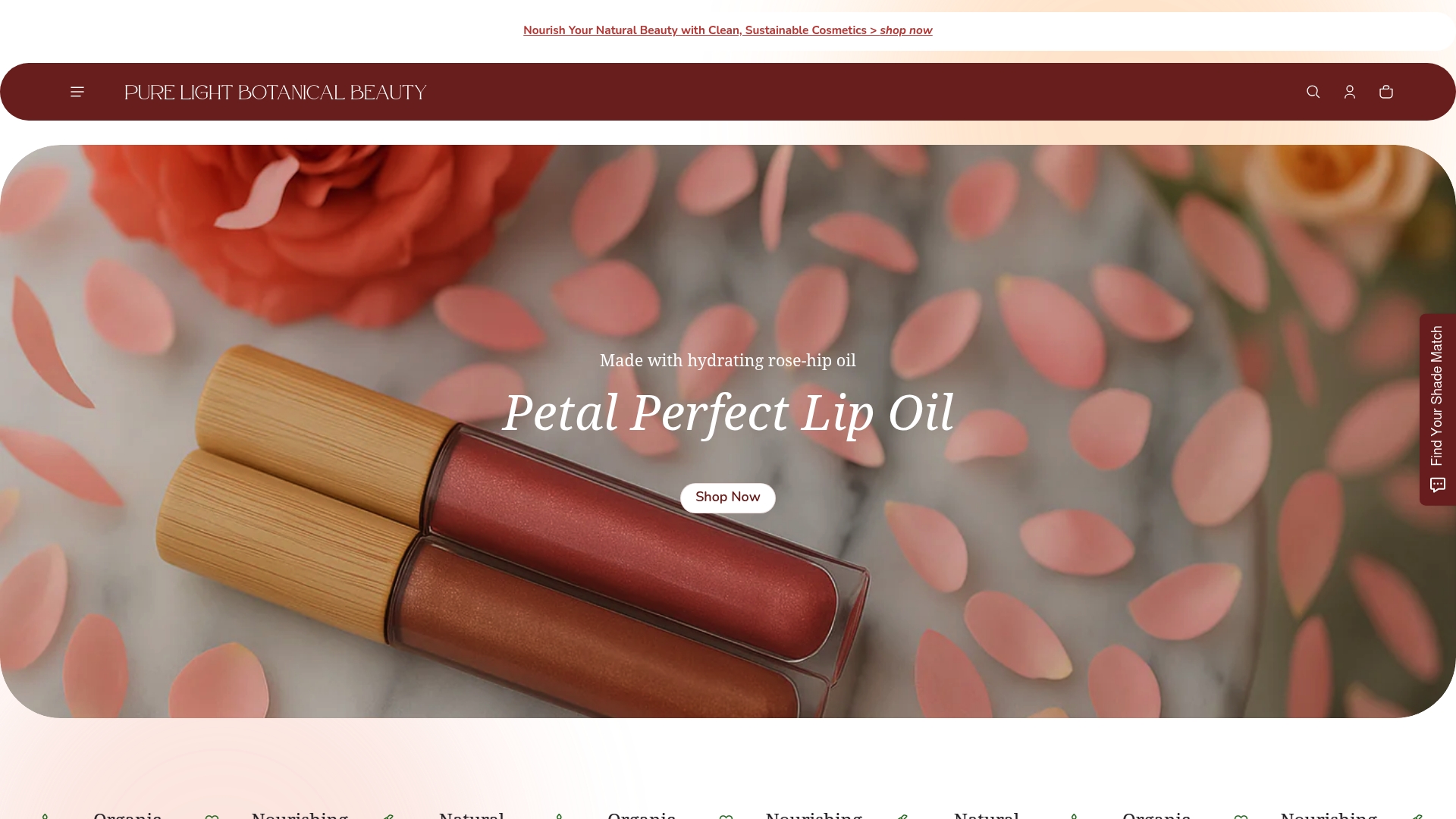
For lips, which lose moisture faster than most skin, our Petal Perfect Lip Oil™ offers a soothing, plant-forward way to protect delicate tissue. When you are ready for soft, buildable color, our Nourishing Lipstick™ and Botanical Crème Blush™ lines are formulated without harsh fragrances or irritating fillers.
- Botanical Beauty Balm™ ~ Calendula & Rose soothes and seals in moisture for compromised skin.
- Petal Perfect Lip Oil™ protects delicate lip skin prone to dryness and cracking.
- Nourishing Lipstick™ and Botanical Crème Blush™ add color without compromising barrier recovery.
- Our Eczema Healing Consultation offers one-on-one, barrier-first guidance for your specific skin.
If your skin needs more personalized direction, book an Eczema Healing Consultation and let’s build a plan around what your barrier actually needs.
FAQ
Is Vaseline a moisture barrier cream?
Vaseline is petrolatum, an occlusive that seals in moisture already on the skin rather than adding hydration itself. It is widely regarded in dermatology guidance as an effective tool for reducing water loss and is often applied to damp skin to boost its effect.
How long does it take to repair a damaged moisture barrier?
Many people notice visible improvement within four to eight weeks of consistent, gentle care, though chronically irritated or eczema-prone skin may take longer. Progress tends to depend more on consistency than on any single product.
What ingredients should I avoid if my barrier is damaged?
Fragrance, high concentrations of exfoliating acids, and physical scrubs are the most common irritants to avoid during repair. Favor fragrance-free formulas built around ceramides, cholesterol, and gentle humectants instead.
Can stress really affect my skin’s barrier function?
Yes, chronic stress can interfere with lipid production and slow skin’s natural repair processes, which is part of why flare-ups often coincide with emotionally difficult periods. Supporting overall well-being is a meaningful part of holistic barrier care.
Is petrolatum safe to use on sensitive or eczema-prone skin?
Petrolatum is considered non-comedogenic by dermatology consensus and is commonly recommended for dry, cracked, or irritated skin, including eczema-prone areas. Applying it to damp skin helps maximize its moisture-sealing effect.