

TL;DR:
- The skin microbiome comprises diverse microorganisms that protect and maintain skin health through ecological balance. Disrupting this ecosystem with harsh products can lead to inflammation, sensitivity, and chronic skin conditions like acne and eczema. Supporting it involves gentle, pH-balanced skincare, prebiotics, postbiotics, and practices that preserve natural microbial diversity.
The beauty microbiome is defined as the diverse community of bacteria, fungi, viruses, and mites living on your skin that collectively protects, regulates, and maintains skin health. This ecosystem, more formally called the skin microbiome, is not a single organism but a dynamic, site-specific community shaped by your genetics, environment, and daily habits. A 2025 Nature Reviews Microbiology article confirms the skin microbiome as a complex microbial community playing critical roles in health and emerging therapeutic targets. Understanding how this ecosystem works is the foundation of modern, evidence-based skincare.
What is the beauty microbiome made of?
The skin microbiome is an ecosystem, not a single species. It includes bacteria like Staphylococcus epidermidis and Cutibacterium acnes, fungi such as Malassezia, bacteriophage viruses, and microscopic mites like Demodex folliculorum. Each of these organisms occupies a specific niche on your skin, and their collective balance determines how your skin looks and behaves.
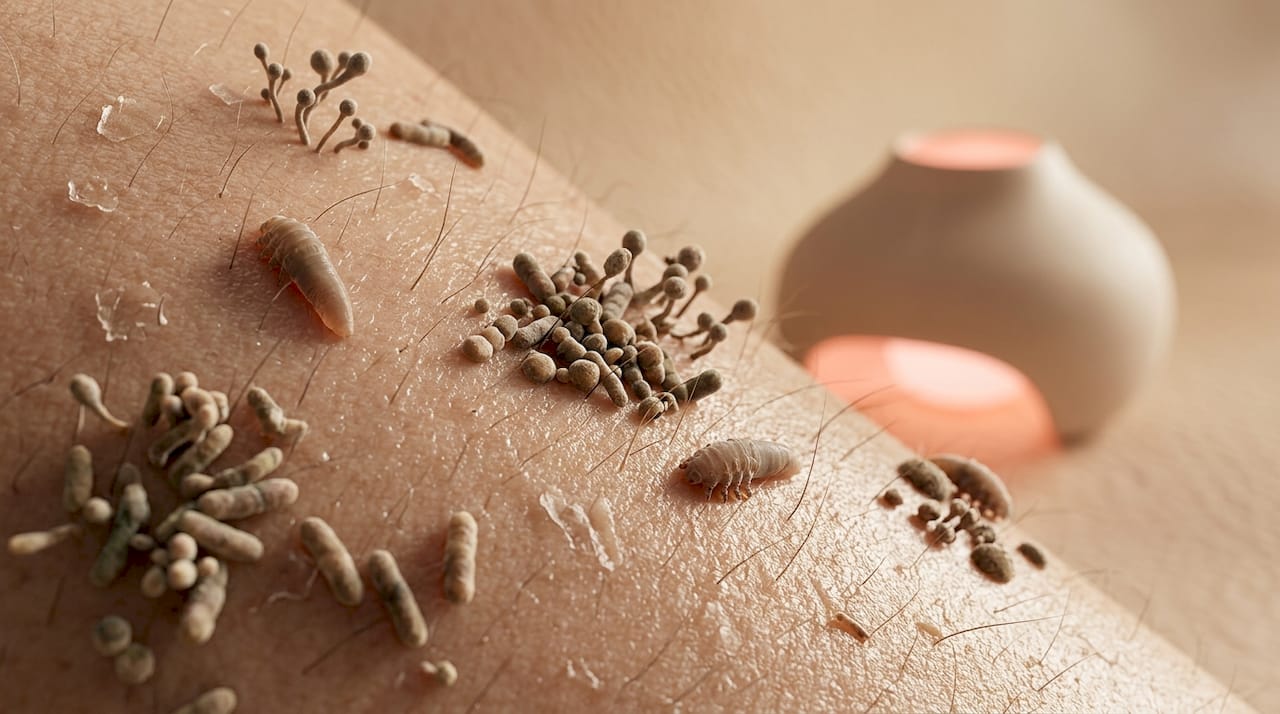
Composition varies significantly by body site and individual. The oily zones around your nose and forehead host different microbial communities than the dry skin on your forearms or the moist folds behind your knees. This site-specific variation means there is no single “normal” microbiome. What matters is the ecological balance within each zone.
A common misconception is that microbes are simply “good” or “bad.” Research published in Nature Reviews Microbiology emphasizes ecological function and community balance over simplistic labeling. Cutibacterium acnes, for example, is often blamed for breakouts, but it also produces antimicrobial compounds that protect against more harmful pathogens. Context and balance are everything.
Here is a quick breakdown of the key residents:
- Bacteria (Staphylococcus epidermidis, Cutibacterium acnes, Corynebacterium species): the most abundant group, involved in immune signaling and pathogen defense
- Fungi (Malassezia species): naturally present on oily skin zones; linked to dandruff and seborrheic dermatitis when overgrown
- Viruses (bacteriophages): regulate bacterial populations and contribute to microbial community stability
- Mites (Demodex folliculorum): live in hair follicles; their role shifts from neutral to inflammatory depending on population density
Pro Tip: Avoid judging your skin’s microbiome by one organism. A 2026 Nature Communications study isolated 968 microbial strains and found widespread antimicrobial activity among commensals, meaning your skin’s “ordinary” residents are actively defending you.
How does the skin microbiome affect your skin health?
The skin microbiome regulates three core functions: immune response, barrier integrity, and pathogen defense. When these functions are working in harmony, your skin stays calm, hydrated, and resilient. When the ecosystem falls out of balance, a state called dysbiosis, the consequences show up as inflammation, sensitivity, and chronic skin conditions.
A 2025 PMC review links dysbiosis to acne, eczema, and psoriasis, as well as impaired wound healing. This connection matters because it reframes these conditions not as purely genetic or hormonal problems but as ecosystem disruptions that can be addressed through targeted interventions. For anyone managing eczema or persistent breakouts, the microbiome is a meaningful piece of the puzzle.
“Healthy skin microbiome interventions should aim to restore balance rather than eradicate microbes, shifting away from broad-spectrum sterilization to precision microbial regulation.” — PMC, 2025
Here is how the microbiome supports each function:
| Skin function | Microbiome’s role |
|---|---|
| Immune regulation | Microbial signals train skin immune cells to distinguish threats from harmless stimuli |
| Barrier integrity | Commensal bacteria support the production of ceramides and maintain skin pH |
| Pathogen defense | Antimicrobial metabolites from commensals inhibit harmful bacteria and fungi |
| Inflammation control | Balanced microbiome suppresses excess inflammatory cytokine activity |
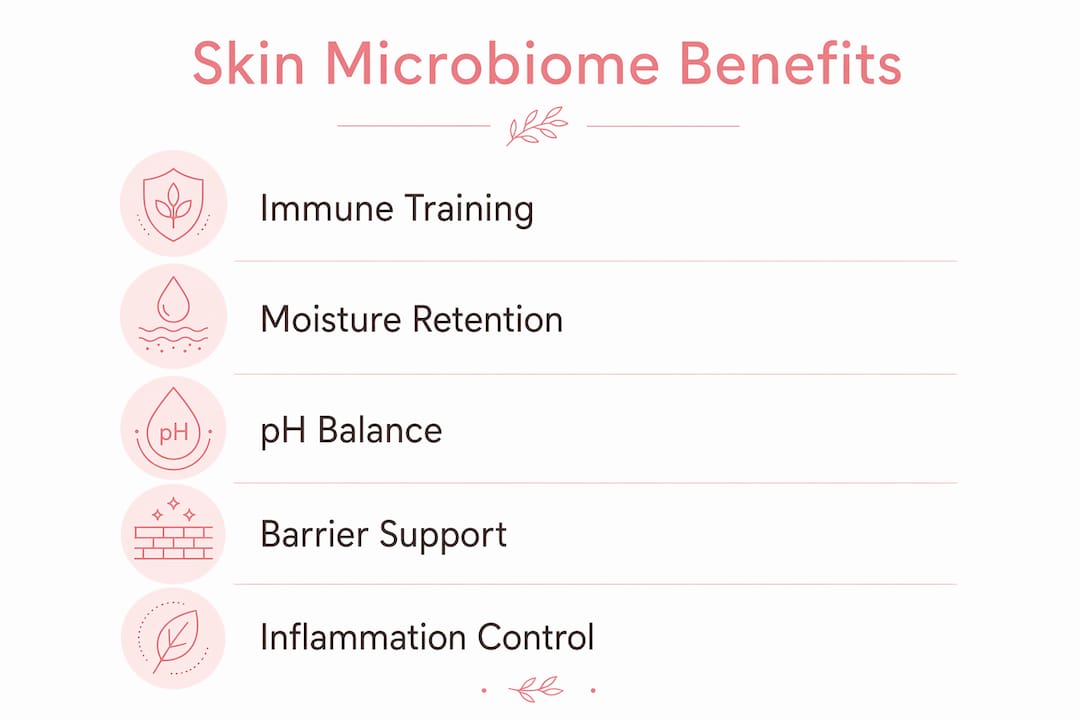
The microbiome also plays a direct role in moisture retention. Commensal bacteria help maintain the slightly acidic pH of healthy skin, around 4.5 to 5.5, which supports the lipid barrier that locks in hydration. When that pH shifts upward due to harsh cleansers or over-washing, barrier function weakens and transepidermal water loss increases. This is why holistic skin health practices that respect the skin’s natural chemistry consistently outperform aggressive cleansing routines.
What skincare practices support a balanced skin microbiome?
Building a microbiome-friendly skincare routine starts with understanding what disrupts the ecosystem in the first place. Harsh sulfate cleansers, alcohol-heavy toners, and broad-spectrum antimicrobial ingredients strip the skin of its microbial diversity. Over-cleansing is one of the most common and underappreciated causes of sensitive, reactive skin.
A 2024 randomized clinical trial found that low-pH skincare products generally preserve microbial diversity, with some formulations even reducing opportunistic pathogens like Corynebacterium. This finding supports the use of pH-balanced cleansers and serums, but it also comes with an important caveat: pH alone does not guarantee microbiome support. Product-specific formulation and clinical evidence matter just as much.
Here is a practical framework for building a microbiome-conscious routine:
- Cleanse gently. Use a pH-balanced cleanser in the 4.5 to 5.5 range. Avoid foaming cleansers with sodium lauryl sulfate, which can raise skin pH and disrupt microbial balance.
- Introduce prebiotics. Ingredients like inulin, oat beta-glucan, and fructooligosaccharides feed beneficial skin bacteria without introducing live organisms. Look for these in serums and moisturizers.
- Consider postbiotics. Postbiotics are inanimate microbial components, such as fermented extracts and cell wall fragments, that support skin microbiome restoration with less risk than live probiotics. They appear in a growing number of botanical and clean beauty formulations.
- Limit exfoliation frequency. Chemical exfoliants like AHAs and BHAs are effective but can reduce microbial diversity when used daily. Two to three times per week is a reasonable ceiling for most skin types.
- Moisturize consistently. Occlusive and emollient moisturizers support the lipid barrier that microbial communities depend on. Ingredients like shea butter, jojoba oil, and squalane work with the skin’s natural chemistry.
Pro Tip: A 2025 systematic review covering 60 randomized controlled trials found that probiotics and prebiotics reduced severity of atopic dermatitis and psoriasis, though results varied. Oral supplementation with Lactobacillus strains showed the most consistent outcomes for inflammatory skin conditions.
For those with sensitive skin, a self-care skincare workflow built around gentle, plant-based ingredients is one of the most reliable ways to protect microbial balance without triggering flare-ups.
How is microbiome science shaping the future of skincare?
Microbiome research is moving fast, and the skincare industry is beginning to catch up. Advances in metagenomic sequencing now allow scientists to identify not just which species live on skin but which genes those species express and what metabolites they produce. This level of detail is turning the skin microbiome into a research frontier with real therapeutic potential.
Several directions are gaining traction in both dermatology and beauty science:
- Live biotherapeutics: Topical applications of specific bacterial strains, such as Roseomonas mucosa for eczema, are in clinical trials. These go beyond probiotic skincare claims to targeted microbial therapy.
- Postbiotic formulations: As noted earlier, postbiotics offer a stable, shelf-friendly way to deliver microbial benefits without the complexity of live organisms. Expect to see these in more clean beauty lines over the next few years.
- Personalized microbiome profiling: Companies are beginning to offer skin microbiome testing kits that analyze your unique microbial community and recommend tailored product regimens. This is still early-stage but represents a meaningful shift toward precision skincare.
- Microbial strain identification: The EPICHHS culture resource, which covers over 95% of skin species abundance, gives researchers a working library of strains to study for therapeutic applications.
The challenge is translating laboratory findings into consumer products that are stable, safe, and clinically validated. Skin microbial ecology also shows seasonal variation and natural resilience, which makes it difficult to assess the long-term effects of any single product or intervention. The science is promising, but patience and specificity matter more than marketing claims.
Key takeaways
The skin microbiome is a living ecosystem that your skincare routine either supports or disrupts with every product you use.
| Point | Details |
|---|---|
| Microbiome definition | The beauty microbiome is a diverse community of bacteria, fungi, viruses, and mites that regulates skin health. |
| Dysbiosis and skin conditions | Microbial imbalance is directly linked to acne, eczema, and psoriasis, making balance a treatment target. |
| pH and product choice | Skincare products formulated at pH below 5.5 generally preserve microbial diversity better than alkaline formulas. |
| Prebiotics and postbiotics | These ingredients feed or mimic beneficial microbes and are safer alternatives to live probiotic skincare. |
| Restore, don’t eradicate | Effective microbiome care focuses on restoring ecological balance, not killing bacteria indiscriminately. |
Why I think we’ve been thinking about skin bacteria all wrong
I spent years watching people reach for the most aggressive cleansers they could find, convinced that “squeaky clean” meant healthy. The beauty industry reinforced this for decades. Antibacterial soaps, alcohol toners, and “deep pore cleansing” products were sold as solutions to every skin problem. What we now know is that this approach was often the cause of the problem, not the cure.
The shift I find most meaningful in current research is the move away from eradication toward ecology. Dermatology is starting to sound more like environmental science, and that is exactly right. You would not pour bleach on a garden to make it grow better. The same logic applies to your skin.
What I tell anyone who asks about microbiome skincare is this: simplify before you add. Most people’s skin would benefit more from removing two harsh products than from adding a probiotic serum. The microbiome is resilient. It wants to rebalance. Your job is to stop disrupting it long enough to let it do that.
The research on postbiotics and targeted live biotherapeutics is genuinely exciting, but it is still early. For now, the most evidence-backed thing you can do is use gentle, pH-appropriate products, moisturize consistently, and resist the urge to over-treat. The skin’s ecosystem does not need to be managed. It needs to be respected.
— Kaitlyn
Skincare that works with your skin, not against it
At Purelightbotanicalbeauty, every formula starts with the same question: does this support the skin, or does it stress it? The brand’s plant-based approach means ingredients like jojoba oil, oat extracts, and botanical actives that naturally align with the skin’s chemistry rather than disrupting it.
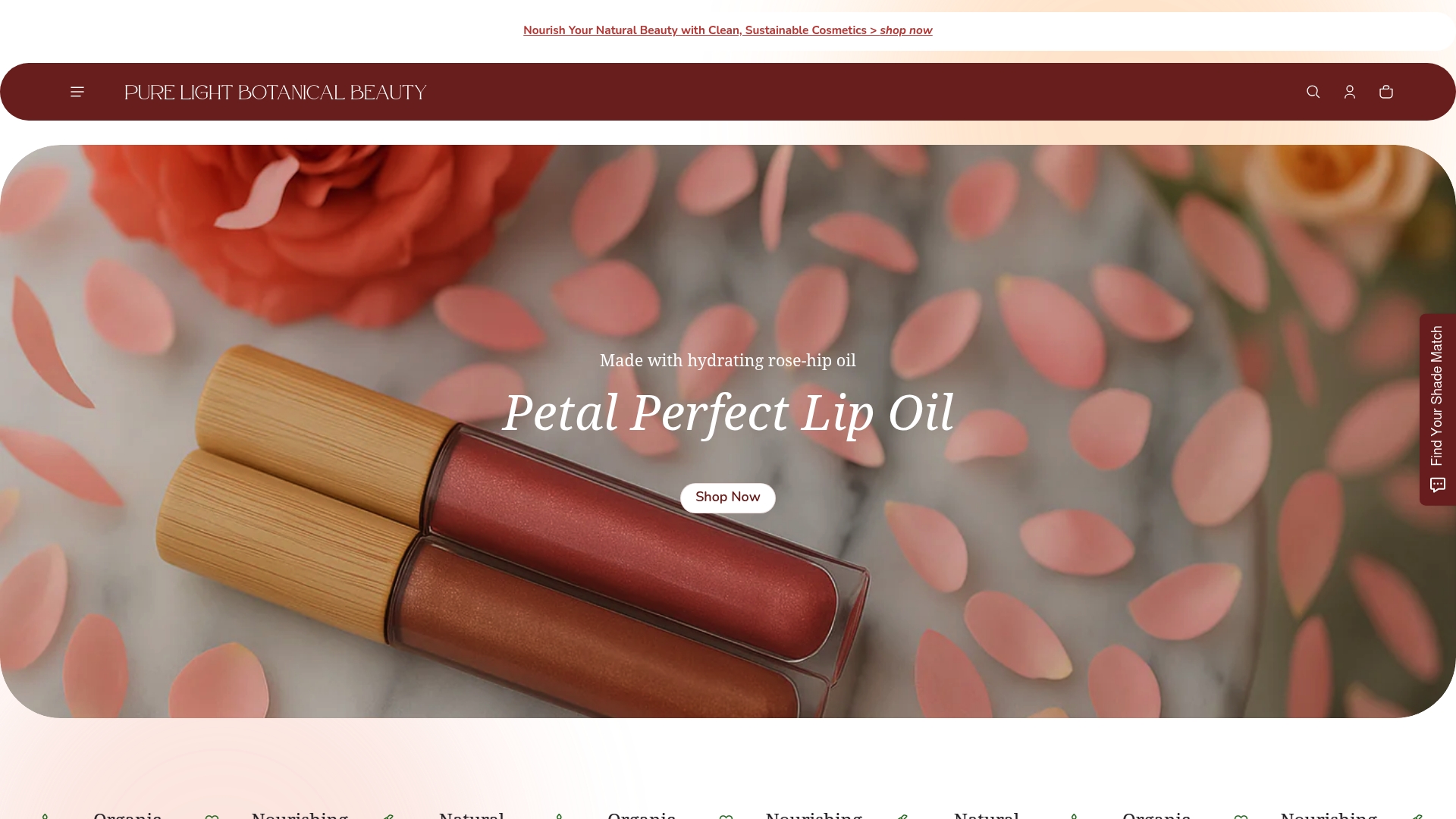
Products like the Petal Perfect Lip Oil and Botanical Crème Blush are formulated without harsh antimicrobials or synthetic fragrances that can shift skin pH and disturb microbial balance. For anyone with sensitive skin or eczema, this matters. Explore the full range at Purelightbotanicalbeauty and find formulas designed to let your skin’s natural intelligence do its work.
FAQ
What is the beauty microbiome in simple terms?
The beauty microbiome is the community of microorganisms, including bacteria, fungi, viruses, and mites, that live on your skin and collectively maintain its health, barrier function, and immune balance.
How does the skin microbiome affect acne?
Microbial imbalance, or dysbiosis, allows Cutibacterium acnes to overgrow in low-oxygen follicles, triggering inflammation. Restoring microbial diversity through gentle skincare and prebiotic ingredients can reduce acne severity over time.
Can skincare products damage the skin microbiome?
Yes. Harsh cleansers, alcohol-based toners, and broad-spectrum antimicrobial ingredients reduce microbial diversity. Products formulated at a pH below 5.5 are generally safer for preserving the skin’s microbial community.
What are postbiotics and why do they matter for skin?
Postbiotics are inanimate microbial components, such as fermented extracts, that support skin microbiome health without the instability of live organisms. They show promise in reducing inflammation and supporting barrier repair, particularly in conditions like eczema.
How do I know if my skin microbiome is out of balance?
Signs of dysbiosis include persistent redness, increased sensitivity, recurring breakouts, dryness that does not respond to moisturizer, and flare-ups of conditions like eczema or psoriasis. A dermatologist can help confirm whether microbial imbalance is a contributing factor.
Recommended
- What Is Mindful Beauty and Why It Matters – Pure Light Botanical Beauty
- How beauty habits transform skin and mental health – Pure Light Botanical Beauty
- The Role of Holistic Health in Beauty: What Works – Pure Light Botanical Beauty
- How community transforms beauty rituals for sensitive skin – Pure Light Botanical Beauty