

TL;DR:
- Genuine holistic skincare for sensitive skin emphasizes barrier support, evidence-based ingredients, and lifestyle changes. It avoids fragrance and unnecessary synthetics while focusing on gentle, targeted treatments and stress management. This balanced approach fosters skin health through both topical routines and mindful daily habits.
If you have sensitive skin, the phrase “natural and holistic” probably feels both hopeful and overwhelming at the same time. The market is flooded with products wrapped in botanical imagery and clean beauty promises, yet your skin still reacts, flares, or feels tight after trying them. The truth is that navigating holistic skincare with sensitive skin requires more than reading labels. It calls for genuine understanding, evidence-backed choices, and a routine that honors your skin’s biology as much as your wellness values.
Table of Contents
- Understand holistic skincare for sensitive skin
- Top holistic skincare tips for sensitive skin
- Comparison: Popular holistic routines and ingredient choices
- Go beyond products: Lifestyle rituals to support sensitive skin
- Why a balanced approach outperforms all-natural extremes
- Explore holistic skincare with Pure Light Botanical Beauty
- Frequently asked questions
Key Takeaways
| Point | Details |
|---|---|
| Natural isn’t always safer | Fragrance and some plant extracts in natural skincare may trigger sensitivity. |
| Barrier support is key | Use routines centered on cleanse–treat–moisturize–protect for best sensitive skin results. |
| Lifestyle matters | Good sleep and stress management have a real impact on skin flare-ups. |
| Patch test new products | Introduce new leave-on skincare items one at a time and test before full use. |
Understand holistic skincare for sensitive skin
Let’s start by clearing up what “holistic skincare” actually means, because it is often misunderstood. Holistic care does not simply mean buying products labeled natural or plant-based. True holistic skincare means supporting your skin as a whole system: its protective barrier, hydration levels, immune responses, and your broader physical and emotional wellbeing.
The barrier-first approach is at the heart of evidence-based holistic care. A clinical framework known as CTMP (cleanse, treat, moisturize, protect) focuses on restoring barrier lipids and supporting hydration to reduce symptoms like itching and barrier dysfunction. This structure gives sensitive skin what it needs most: consistency, gentleness, and nourishment delivered in the right order.
Here is where the myth of “natural equals safe” needs to be addressed honestly. Research from Stanford Medicine confirms that “natural” products can still irritate, especially those containing fragrance or essential oils, which are common triggers for contact dermatitis even in plant-derived forms. Learning more about the natural skincare benefits that genuinely exist can help you separate real advantages from clever marketing.
So what does a truly holistic approach look like for sensitive skin? Think of it through these guiding principles:
- Barrier support first: Choose ingredients that restore and strengthen your skin’s outer protective layer
- Fragrance-free choices: Avoid synthetic and natural fragrance alike, including many essential oils
- Hypoallergenic formulas: Look for products clinically tested to minimize allergic responses
- Whole-body awareness: Recognize that sleep, stress, and nutrition all show up on your skin
- Slow and steady introduction: Add new products one at a time to identify what your skin loves or resists
“Holistic beauty is not about the most ingredients. It is about the right ones, chosen with care and delivered with intention.”
Building your holistic beauty ritual steps on this foundation gives you a practice that is both gentle and genuinely effective.
Top holistic skincare tips for sensitive skin
With a clear understanding of what holistic really means for sensitive skin, here are the strategies that make the biggest difference. These are ordered intentionally, following the CTMP framework that clinical research supports for atopic and reactive skin types.
-
Choose gentle, fragrance-free cleansers. Your cleanser sets the tone for everything that follows. A harsh or fragrant cleanser strips your barrier before it even has a chance to heal. Look for creamy, low-foaming formulas with short ingredient lists. Micellar water is another reliable option for skin that reacts easily.
-
Layer moisturizers with ceramides and glycerin. These two ingredients are workhorses for barrier repair. Ceramides are lipids that naturally exist in healthy skin, and glycerin is a humectant that pulls water into the skin’s surface layers. Products combining both give your barrier the structural and hydration support it needs most. The CTMP barrier-repair framework specifically highlights restoring barrier lipids and supporting hydration as central goals for sensitive, atopic-prone skin.
-
Use essential oils with real caution. Essential oils are often celebrated in holistic circles, but sensitive skin requires a careful approach. Undiluted essential oils should never be applied directly to skin, and even properly diluted oils can cause reactions in sensitized individuals. If you love aromatherapy in your routine, reserve it for a diffuser rather than a topical product.
-
Patch test every new product before full use. Apply a small amount to the inside of your wrist or behind your ear. Wait 24 to 48 hours. This single habit prevents weeks of recovery from an unexpected flare. It sounds simple because it is, and yet it is the step most often skipped.
-
Protect with mineral sunscreen daily. Physical blockers like zinc oxide and titanium dioxide sit on the surface of the skin rather than penetrating it. They are far less likely to trigger reactions than chemical UV filters, making them the preferred choice for a routine for sensitive skin.
-
Introduce one product at a time. When you add multiple new things at once, you lose the ability to identify what is helping or harming. Give each new product at least two weeks before adding something else. Patience here is a form of self-care.
-
Support your skin with hydrating botanicals like aloe vera, oat extract, and calendula. These plant-derived ingredients have well-documented soothing and hydrating properties without the high sensitization risk of fragrant botanicals or essential oils.
Pro Tip: Anchor your morning and evening routines to the CTMP structure (cleanse, treat, moisturize, protect) and your skin will respond with more consistency. Predictable routines give sensitive skin the calm environment it needs to repair and strengthen over time.
A note on stress and sleep: Studies consistently show that chronic stress and poor sleep elevate inflammatory markers throughout the body, and your skin reflects that directly. Even the most perfect topical routine will struggle if your nervous system is constantly activated. Skin and mind are far more connected than most beauty guides acknowledge.
Comparison: Popular holistic routines and ingredient choices
Now let’s look at the most common holistic skincare approaches and how they measure up for genuinely sensitive skin. Not all “natural” methods are created equal, and some popular choices carry hidden risks.
| Approach or ingredient | Key benefit | Risk for sensitive skin | Recommended for sensitive skin |
|---|---|---|---|
| Oil cleansing (plant oils) | Removes makeup gently | Can clog pores; some oils are comedogenic | Use with caution; patch test first |
| Minimalist routine (2-3 products) | Reduces ingredient exposure | May miss key barrier-repair steps | Yes, when CTMP steps are covered |
| Layered botanicals (multiple serums) | Targets multiple concerns | High cumulative exposure risk | Use sparingly; introduce slowly |
| Ceramides and glycerin | Barrier repair and hydration | Very low risk | Strongly recommended |
| Hyaluronic acid | Deep hydration | Very low risk | Strongly recommended |
| Essential oils (diluted) | Aromatic and some anti-inflammatory | Moderate to high sensitization risk | Only with caution and patch testing |
| Fragrance (natural or synthetic) | Sensory appeal | High sensitization risk | Avoid |
| Plant butters (shea, cocoa) | Rich moisture | Can be occlusive; some comedogenic | Depends on skin type |
| Mineral sunscreen (zinc oxide) | Broad-spectrum UV protection | Very low risk | Strongly recommended |
This table tells a clear story. The ingredients with the strongest clinical backing for sensitive skin are not always the most glamorous ones. Ceramides and glycerin do not come with a story about rare flowers, but they work. The holistic beauty guide approach we believe in honors both botanical tradition and ingredient science.
Research confirms that fragrance remains a leading irritant in skincare, whether it comes from a laboratory or a lavender field. This is one of the most important distinctions to understand when reading holistic beauty labels. “Made with essential oils” can mean high sensitization risk for reactive skin, not added benefit.
Here is what genuinely separates a thoughtful holistic routine from one based on marketing language:
- It prioritizes barrier function above all else
- It avoids fragrance in any form until the skin is stable
- It chooses evidence-backed botanicals (aloe, oat, calendula, green tea) over trendy ones
- It respects the principle of minimal effective dose: use fewer things, chosen wisely
- It reads botanical ingredients for sensitivity with a critical and informed eye
Go beyond products: Lifestyle rituals to support sensitive skin
While topical care is key, truly holistic beauty means embracing supportive daily rituals for your whole self. Products alone cannot do everything your skin needs. The lifestyle layer of holistic care is where deep, lasting change often happens.
Sleep is one of the most powerful skincare tools you are not buying. Clinical research shows that sleep disturbance worsens inflammatory skin conditions, and that improving sleep quality can reduce both frequency and severity of flares. During deep sleep, your body produces growth hormone, repairs cellular damage, and regulates immune function. All of these processes directly affect how your skin looks and feels the next morning.

Stress is the other major invisible factor. Elevated cortisol (your primary stress hormone) increases inflammation throughout the body, disrupts the skin’s barrier function, and triggers histamine responses that show up as redness, itching, and sensitivity. Managing stress is not a luxury for sensitive skin. It is genuinely part of the treatment plan.
Here are lifestyle rituals that support sensitive, reactive skin at a deeper level:
- Create a calming bedtime routine. A consistent wind-down practice signals to your nervous system that it is safe to relax. This lowers cortisol before sleep, which supports overnight skin repair.
- Stay consistently hydrated. Water intake directly affects skin plumpness and barrier resilience. Aim for steady hydration throughout the day rather than catching up in the evening.
- Eat anti-inflammatory foods. Omega-3 fatty acids (found in salmon, walnuts, and flaxseed) support the skin’s lipid barrier from the inside. Colorful vegetables provide antioxidants that protect against environmental damage.
- Limit alcohol and high-sugar foods. Both trigger inflammatory responses that sensitive skin feels acutely, often within 24 hours of consumption.
- Practice mindful moments during your skincare routine. Applying products with intention, breathing slowly, and treating the ritual as a form of self-care activates the parasympathetic nervous system. Less stress. Better absorption. Deeper connection to yourself.
“Your skin is always listening to how you live. When you slow down, it begins to soften.”
Pro Tip: Try applying your evening moisturizer as the final step of a five-minute body scan meditation. Focus on gratitude for your skin’s resilience as you work. The combination of topical nourishment and nervous system calm is genuinely powerful for creating beauty rituals that support your skin from the inside out. You can also explore a holistic ritual how-to that integrates these moments into a full daily practice.
Why a balanced approach outperforms all-natural extremes
After exploring both topical strategies and lifestyle rituals, here is an honest perspective that most holistic beauty content will not give you. The “all-natural, no synthetics ever” approach is not always the most compassionate or effective choice for sensitive skin. In fact, holding rigidly to that position can sometimes cause more harm.
Ceramides, for example, are often synthetically derived in skincare formulations. They are identical in structure to the ceramides your skin produces naturally, and they are among the best-studied barrier-repair ingredients available. Rejecting them because they are made in a lab means potentially denying your skin one of its most reliable allies. Fragrance components in natural products carry a far higher sensitization risk than a gentle synthetic emollient ever will.
Holistic does not mean “avoid all synthetics.” It means choosing with intention. It means asking: does this ingredient support my skin’s barrier, reduce inflammation, and respect my body’s sensitivity? If the answer is yes, whether it came from a botanical source or a clean laboratory, it deserves a place in your ritual.
We believe the most powerful skincare philosophy is one that honors both botanical wisdom and scientific clarity. Plants like oat extract, calendula, and aloe have centuries of documented soothing use. When those traditions are validated by modern research and delivered in fragrance-free, barrier-supportive formulas, you get something genuinely special. That is the middle path where sensitive skin finally feels at home. Exploring hydrating botanicals insights through this lens reveals which plant ingredients earn their place and which are simply beautiful window dressing.
True holistic skincare is not about being the purest. It is about being the most thoughtful.
Explore holistic skincare with Pure Light Botanical Beauty
Your skin deserves a routine that feels like a ritual and works like a treatment. At Pure Light Botanical Beauty, every formula is crafted around exactly that balance: clean, plant-based ingredients chosen for their skin-supporting properties, with sensitive skin always at the center of every decision.
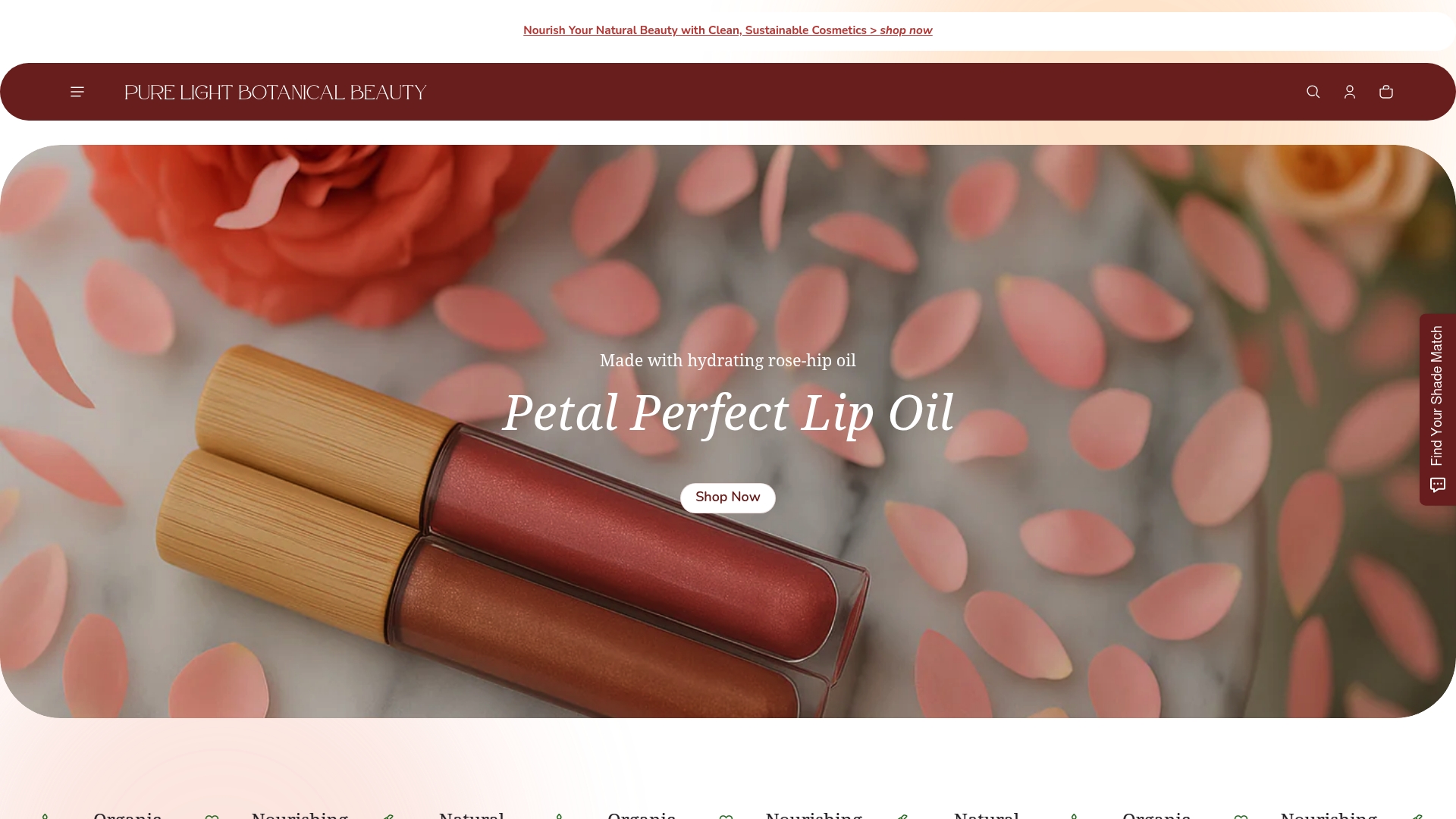
Our products are designed around the CTMP principles you have read about here, helping your skin build strength from barrier to surface. From our Botanical Crème Blush to our Nourishing Lipstick, each product nourishes while it enhances. If you are ready to build a routine that truly supports your sensitivity, explore the Pure Light Botanical Beauty collection and discover formulas made for skin that is healing, sensitive, and beautifully worth caring for. You can also start with our guide to shop hydrating botanicals chosen specifically for reactive and sensitive skin types.
Frequently asked questions
Are all natural skincare products safe for sensitive skin?
No, many “natural” products still contain potential irritants like fragrance or essential oils that can trigger reactions in sensitive skin. Stanford Medicine research confirms that natural does not mean non-irritating, especially for those prone to contact dermatitis.
What are the best types of moisturizers for sensitive skin with a holistic approach?
Moisturizers with ceramides, glycerin, and other humectants are the most supported choices, as they directly address barrier repair and hydration. The CTMP clinical framework places these ingredients at the center of barrier-first care for atopic and sensitive skin.
Can lifestyle factors really impact sensitive skin?
Yes, significantly. Sleep disturbance and skin inflammation are clinically linked, and improving sleep quality can reduce both frequency and severity of sensitive skin flares.
Is it safe to use essential oils on sensitive skin?
Essential oils should only ever be used diluted and always patch tested first, because undiluted essential oils on skin can cause reactions, and even diluted versions carry risk for sensitized individuals.
Recommended
- 7 Holistic Beauty Routines for Sensitive Skin Wellness – Pure Light Botanical Beauty
- How to create holistic beauty rituals for sensitive skin – Pure Light Botanical Beauty
- Plant-Powered Beauty Tips: Nourish Sensitive Skin Naturally – Pure Light Botanical Beauty
- Step-by-step holistic beauty guide for sensitive skin – Pure Light Botanical Beauty