

TL;DR:
- Botanicals calm irritation, repair skin barrier, and enhance moisture retention effectively.
- Key ingredients like calendula, centella, and licorice target sensitive skin needs.
- Consistent use of tailored plant-based formulas supports long-term skin resilience.
If your skin flares, stings, or turns red every time you try a new product, you already know the exhaustion of searching for something that actually helps. Conventional makeup and skincare are loaded with synthetic preservatives, fragrances, and alcohols that strip moisture and trigger reactions in sensitive skin. The good news is that nature offers a quieter, more intelligent solution. Hydrating botanicals work with your skin’s own biology, calming irritation while rebuilding the moisture barrier that keeps your complexion resilient. This guide walks you through the most effective plant-based ingredients for sensitive skin, how they work, and how to choose the right ones for you.
Table of Contents
- Understanding hydration: Why botanicals matter for sensitive skin
- Top hydrating botanicals for sensitive skin
- Botanical oils: Nourishing lipids for intense hydration
- How to choose the right hydrating botanicals for your sensitive skin
- Our perspective: The secret strengths of botanical hydration
- Find your perfect balance with Pure Light Botanical Beauty
- Frequently asked questions
Key Takeaways
| Point | Details |
|---|---|
| Sensitive skin needs gentle hydration | Botanicals provide hydration and soothing without the harsh effects of synthetic ingredients. |
| Top botanicals deliver multiple benefits | Ingredients like calendula, centella asiatica, and licorice root not only hydrate but strengthen and calm sensitive skin. |
| Botanical oils reinforce the barrier | Oils rich in omegas help prevent water loss and repair the protective skin barrier. |
| Personalized selection is key | Choosing the right plant extracts and oils depends on your skin’s unique needs and how you incorporate them into your routine. |
Understanding hydration: Why botanicals matter for sensitive skin
True hydration is not just about adding water to your skin. It is about helping your skin hold onto that water and protecting the barrier that prevents it from escaping. For sensitive skin, this barrier is often compromised, which is why even gentle-seeming products can cause stinging, tightness, or redness. When the barrier is weak, moisture evaporates quickly, a process called transepidermal water loss (TEWL). High TEWL leaves skin dry, reactive, and vulnerable.
Synthetic skincare ingredients, including certain preservatives and emulsifiers, can further disrupt this barrier. Over time, repeated exposure to harsh chemicals thins the skin’s natural defenses. This is why so many women with sensitive skin feel stuck in a cycle of irritation, even when they are trying to care for their skin.
Botanicals break that cycle. Plants have evolved complex chemical systems to protect themselves from environmental stress, and many of those same compounds translate beautifully to skin hydration for sensitive skin. They deliver multi-functional benefits in a single ingredient, soothing inflammation, replenishing moisture, and repairing the barrier simultaneously. Understanding the botanicals in beauty reveals why plant-based formulas consistently outperform single-molecule synthetics for reactive skin types.
Here is what well-chosen botanicals can do for sensitive skin:
- Reduce redness and calm inflammatory responses
- Strengthen the skin barrier to minimize water loss
- Replenish moisture without clogging pores
- Provide antioxidant protection against environmental triggers
- Support the skin’s natural repair cycle overnight
“Calendula supports wound healing, reduces redness, and enhances hydration via barrier repair.”
Calendula is one of the most researched botanicals for sensitive skin, and its clinical track record is impressive. But it is just the beginning. When you understand what your skin actually needs at a barrier level, choosing the right botanicals becomes much less overwhelming.
Top hydrating botanicals for sensitive skin
Now, let’s explore the top botanicals that stand out for sensitive skin hydration. Each of these has a distinct mechanism, so understanding how they work helps you match them to your specific concerns.
Calendula is the gold standard for reactive skin. Its active compounds, including flavonoids and triterpenoids, calm the inflammatory response while supporting the skin’s ability to retain moisture. It is especially effective for skin that is both dry and irritated, because it addresses both problems at once. The botanical benefits for sensitive skin that calendula offers are well-documented, making it a trustworthy first choice.

Centella Asiatica, sometimes called cica or gotu kola, has become one of the most celebrated botanicals in sensitive skin care. Research confirms that it modulates antioxidant defense, collagen synthesis, and enhances both barrier function and hydration. It is particularly helpful for skin that is sensitized by environmental stress or eczema, because it supports the structural proteins that keep skin firm and resilient.
Licorice root is quieter but equally powerful. It reduces inflammation and reactivity in sensitive skin, making it ideal for those who experience flushing or persistent redness. Its active compound, glabridin, also has brightening properties, so it works well for post-irritation discoloration.
Here is a quick overview of these top botanicals:
- Calendula: Soothes, repairs barrier, hydrates, reduces redness
- Centella Asiatica: Boosts collagen, antioxidant protection, enhances hydration
- Licorice Root: Calms inflammation, reduces reactivity, supports moisture balance
“The most effective botanical routines are not about using more ingredients. They are about using the right ones, consistently.”
Pro Tip: If you are new to botanicals, start with one ingredient at a time. Introduce calendula first, use it for two weeks, and then layer in centella or licorice root. This approach helps you identify what your skin loves without guessing.
For a broader look at how these plants are used in formulas, explore our guide to soothing plant oils and their role in calming reactive skin.
Botanical oils: Nourishing lipids for intense hydration
Besides botanical extracts, certain oils play a unique role in deep hydration and barrier reinforcement. While extracts work on the cellular level to calm and repair, plant oils work on the surface and just beneath it, sealing in moisture and physically reinforcing the lipid layer of the skin barrier.
The most effective oils for sensitive skin are those rich in omega-3 and omega-6 fatty acids. These lipids mirror the natural fats found in your skin barrier, which is why they absorb so well and cause so little irritation. Evening Primrose, Borage, Sea Buckthorn oils are rich in omegas that nourish the barrier and reduce water loss, making them standout choices for dry, sensitive, or eczema-prone skin.
| Oil | Key fatty acid | Best for | Texture |
|---|---|---|---|
| Evening Primrose | GLA (omega-6) | Eczema, dryness, hormonal skin | Lightweight |
| Borage | Highest GLA content | Severely dry or inflamed skin | Medium |
| Sea Buckthorn | Omega-7, beta-carotene | Redness, aging, barrier damage | Rich, orange-tinted |
Each of these oils brings something different. Evening primrose is a gentle daily option. Borage is best used in small amounts for intensive repair. Sea buckthorn is potent and works beautifully blended into a cream to avoid staining. Learn more about plant oils for sensitive skin and how to select the right one for your routine.
Layering is key when using botanical oils. Apply your water-based serum first, then seal it with a few drops of oil while your skin is still slightly damp. This locks hydration in rather than just sitting on top of dry skin.
- Apply oils after serums, not before
- Use 2 to 4 drops maximum to avoid congestion
- Blend sea buckthorn with a carrier oil to dilute its intensity
- Consider the role of botanical oils in your overall routine before adding new ones
Pro Tip: Evening primrose oil is one of the safest starting points for sensitive skin because of its lightweight texture and high compatibility with most skin types. Try it as a final step in your evening routine for two weeks before introducing anything richer.
How to choose the right hydrating botanicals for your sensitive skin
Understanding what each botanical offers, let’s look at how you can make the best selection for your skin’s specific requirements. Choosing botanicals is not one-size-fits-all. Your skin’s history, current sensitivities, and hydration goals all matter.
Follow these steps to build a botanical routine that works:
- Identify your primary concern. Is your skin mainly dry, reactive, or both? Dry skin benefits most from barrier-reinforcing oils. Reactive skin needs anti-inflammatory extracts like calendula or licorice root first.
- Patch test every new ingredient. Apply a small amount to your inner arm for 48 hours before using it on your face. This simple step prevents a lot of unnecessary flare-ups.
- Choose the right product form. Oils and balms offer the richest barrier support. Serums deliver extracts deeper into skin. Creams balance both. Match the form to your skin’s current state.
- Consider blends over single ingredients. Research on composite botanical extracts shows that younger skin responds with stronger hydration to botanical blends than to individual extracts, and similar synergistic effects appear across many skin types.
- Be consistent. Botanicals work gradually. Give any new ingredient at least four weeks before evaluating results.
Here is a summary of key botanicals and their primary properties:
| Botanical | Hydration | Soothing | Barrier repair | Antioxidant |
|---|---|---|---|---|
| Calendula | High | High | High | Moderate |
| Centella Asiatica | Moderate | High | High | High |
| Licorice Root | Moderate | High | Moderate | Moderate |
| Evening Primrose Oil | High | Moderate | High | Low |
| Sea Buckthorn Oil | High | Moderate | High | High |
For a deeper look at building a complete routine, the botanical skincare guide is a great next step. And if you want clinical backing, a clinical study on calendula confirms its measurable impact on hydration and TEWL reduction in sensitive skin.
Pro Tip: If you have eczema or a diagnosed skin condition, bring your botanical shortlist to a dermatologist. Most botanical ingredients are well-tolerated, but professional guidance helps you layer them safely with any prescribed treatments.
Our perspective: The secret strengths of botanical hydration
Taking all the evidence and options together, here is what really drives results based on our hands-on experience with sensitive skin care. The beauty industry loves a hero ingredient. One molecule, one dramatic claim, one product to solve everything. But sensitive skin does not work that way.
Synthetic actives are often designed to do one thing very efficiently. Botanicals, by contrast, offer something closer to an ecosystem. Calendula does not just hydrate. It calms, repairs, and protects at the same time. That layered action is exactly what fragile skin needs, not a single intervention but ongoing, gentle support.
We have seen time and again that the women who experience the most lasting improvement are those who commit to natural hydration advice and treat their routine as a long-term relationship with their skin, not a quick fix. The best results come from combining clinical evidence with close attention to how your own skin responds. No ingredient list is more authoritative than your skin’s honest feedback.
Find your perfect balance with Pure Light Botanical Beauty
Ready to bring these hydrating botanicals into your daily routine? Here’s how you can start.
At Pure Light Botanical Beauty, every formula is built around the botanicals that sensitive skin truly needs. From calendula-rich creams to omega-nourishing lip oils, our products are designed to hydrate, soothe, and support your skin barrier without compromise.
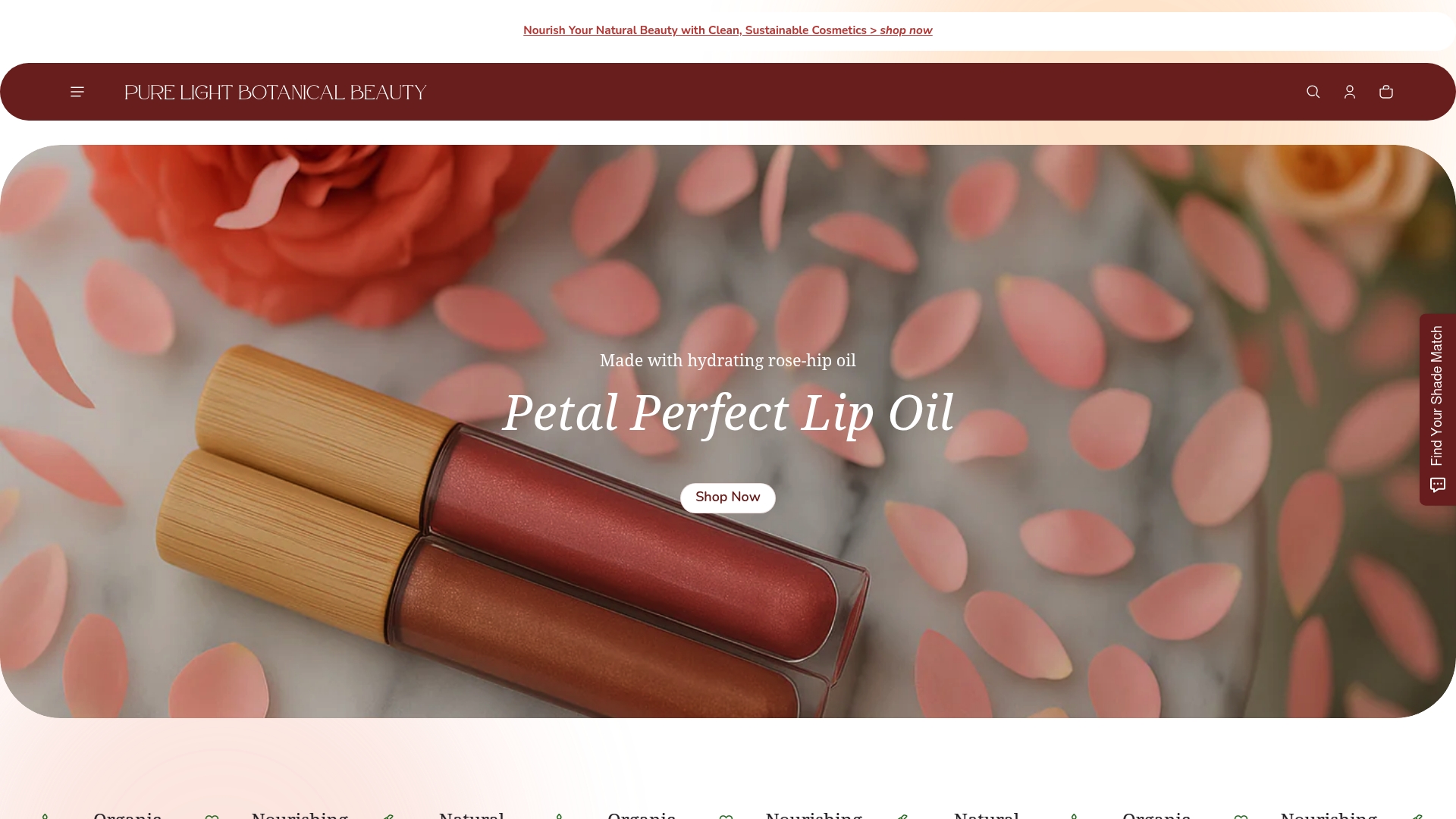
Explore the full Pure Light Botanical Beauty collection to find products formulated specifically for reactive and sensitive skin. If you are not sure where to start, our guide to plant oil solutions breaks down exactly which oils suit your skin type and how to use them. Your skin deserves ingredients that work with it, not against it. We are here to help you find them.
Frequently asked questions
Which botanical is best for extremely sensitive or reactive skin?
Calendula and licorice root are top choices because both support barrier repair and reduce inflammation with very low risk of irritation, making them safe starting points for even the most reactive skin.
Are botanical oils safe for daily use on sensitive skin?
Yes, oils like evening primrose, borage, and sea buckthorn are generally safe for daily use when patch-tested first and matched to your skin type and current moisture needs.
How do hydrating botanicals compare to conventional moisturizers?
Clinical data shows that calendula extract improves hydration and lowers TEWL faster than a base cream in irritated skin, confirming that well-formulated botanicals outperform many conventional options.
Can I use products with several botanical ingredients at once?
Yes, composite botanical blends often provide enhanced hydration and barrier benefits compared to single extracts, but always patch-test each new product individually to monitor your skin’s response.
Recommended
- Top Botanical Extracts That Soothe and Beautify Skin – Pure Light Botanical Beauty
- Skin-Soothing Beauty Tips for Sensitive Skin – Pure Light Botanical Beauty
- 7 Soothing Oils Every Sensitive Skin Seeker Should Know – Pure Light Botanical Beauty
- 7 Plant-Based Beauty Examples for Sensitive Skin Relief – Pure Light Botanical Beauty