

TL;DR:
- Aromatherapy uses plant-derived essential oils to improve skin and emotional health through direct absorption and nervous system effects. Proper dilution, patch testing, and personalized scent selection are essential for safe and effective use. It supports skin barrier function, reduces stress, and enhances overall beauty when integrated thoughtfully into routines.
Aromatherapy is defined as the therapeutic use of plant-derived essential oils to improve physical, emotional, and skin health. The role of aromatherapy in beauty extends well beyond pleasant fragrance. Essential oils interact with skin cells, regulate stress hormones, and support the skin barrier in ways that directly affect how your skin looks and feels. Research confirms that aromatherapy reduces anxiety, pain, and fatigue with measurable physiological effects, including blood pressure reductions. That connection between inner calm and outer radiance is exactly why botanical beauty brands like Purelightbotanicalbeauty have built entire product lines around plant-based aromatic ingredients.
What does aromatherapy do for skin health?
Aromatherapy for skincare works through two distinct pathways: direct absorption into the skin and indirect effects through the nervous system. Both pathways produce real, measurable changes in how your skin looks and behaves.
How essential oils absorb into skin
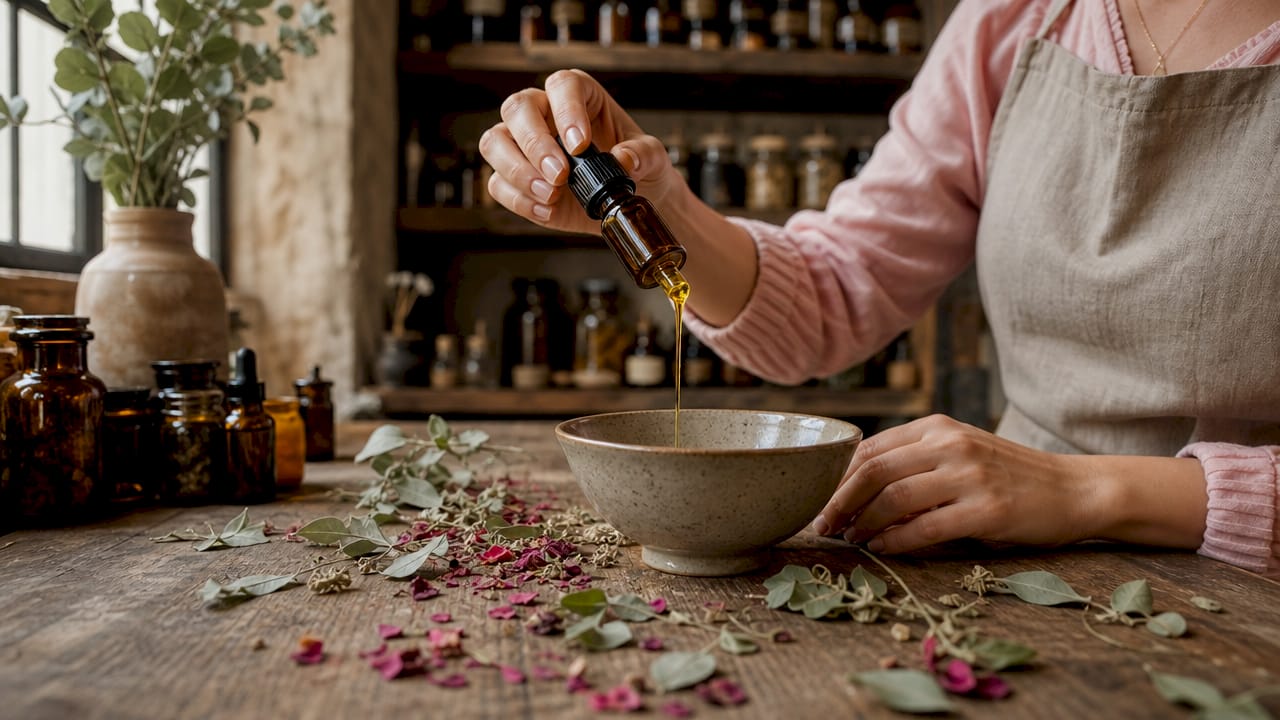
Essential oils are lipophilic, meaning they dissolve in fats rather than water. That property allows them to pass through the skin’s lipid barrier when diluted in carrier oils like jojoba or sweet almond oil. Once absorbed, the active compounds in essential oils interact with skin cells to reduce inflammation, regulate sebum production, and support hydration. This is why the carrier oil you choose matters as much as the essential oil itself.
Skin benefits backed by clinical data
Clinical studies on lavender aromatherapy massage show measurable improvements in skin hydration and barrier health. A healthy skin barrier retains moisture more effectively and resists environmental irritants. For people managing conditions like eczema or chronic dryness, that barrier support is not cosmetic. It is functional healing.
The key skin benefits of essential oils in beauty include:
- Hydration support: Carrier oils like jojoba mimic the skin’s natural sebum, locking in moisture without clogging pores.
- Inflammation reduction: Lavender and chamomile oils calm redness and irritation at the cellular level.
- Sebum regulation: Tea tree oil reduces excess oil production, making it effective for acne-prone skin.
- Skin regeneration: Rosehip oil delivers fatty acids that support cell turnover and fade post-inflammatory marks.
- Antibacterial action: Tea tree and eucalyptus oils inhibit bacterial growth on the skin’s surface.
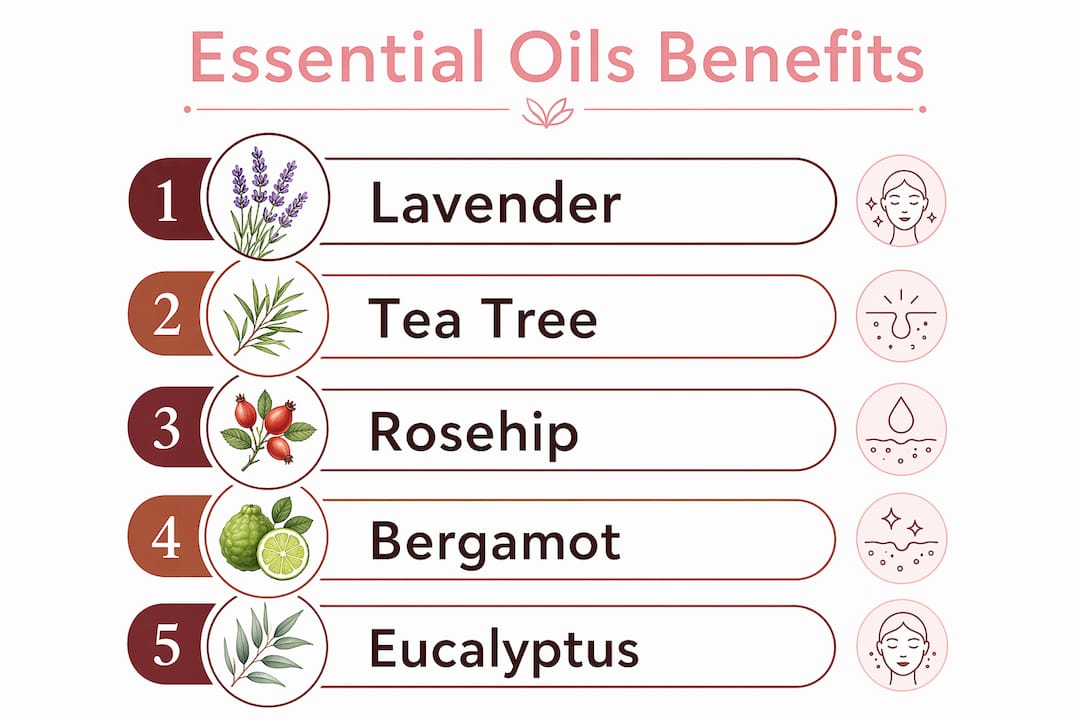
| Essential Oil | Primary Skin Benefit | Best Skin Type |
|---|---|---|
| Lavender | Calms inflammation, supports barrier | Sensitive, dry |
| Tea tree | Antibacterial, sebum control | Oily, acne-prone |
| Rosehip | Regeneration, moisturization | Dry, mature, scarred |
| Bergamot | Brightening, mood-lifting | Dull, combination |
| Eucalyptus | Antibacterial, clarifying | Oily, congested |
Pro Tip: Always choose cold-pressed carrier oils for topical blends. Heat processing destroys the fatty acids that make carrier oils nourishing for skin.
How does aromatherapy affect the skin through the nervous system?
The neurocosmetic field studies the skin-brain axis, which is the two-way communication between the nervous system and the skin. Aromatherapy sits at the center of this relationship.
The olfactory-limbic connection
When you inhale an essential oil, aromatic molecules travel through the olfactory nerve directly to the limbic system, the brain region that governs emotion and stress response. Sensory olfactory cues reduce cortisol, the primary stress hormone. Lower cortisol means less systemic inflammation. Less inflammation means fewer skin flare-ups, less redness, and a more even complexion.
Calming scents interrupt the hormonal cycle that damages skin from the inside out. Lowered cortisol protects the skin barrier by reducing the inflammatory signals that break it down. This is why people who manage stress well often have visibly calmer skin, and why aromatherapy beauty treatments can produce results that topical products alone cannot replicate.
“Modern clients seek beauty approaches that treat both physical skin conditions and stress simultaneously. Aromatherapy addresses both pathways at once, making it one of the most complete tools in a natural beauty routine.” — Natura Spa
The practical implications of the skin-brain axis are significant:
- Chronic stress elevates cortisol, which triggers acne, eczema flares, and accelerated aging.
- Lavender and bergamot scents are clinically associated with reduced anxiety and lower cortisol output.
- Scent preferences vary by individual due to olfactory memory, so the most effective oil is often the one you personally find calming.
- Aromatherapy’s effects on anxiety and sleep are well-documented in clinical settings, with systematic reviews confirming strong results across multiple studies.
Pro Tip: If a scent feels unpleasant to you, it will not produce the same calming effect. Trust your nose when selecting oils for stress-related skin concerns. Personalized selection is not a preference. It is a clinical consideration.
For a deeper look at how mental wellness connects to skin health, Purelightbotanicalbeauty covers the skin and mind connection in detail.
How to safely add aromatherapy to your daily beauty routine
Safe aromatherapy practice starts with one non-negotiable rule: never apply undiluted essential oils directly to skin. Pure essential oils are too concentrated and can cause chemical burns or systemic reactions when used without a carrier.
Follow these steps to build a safe and effective aromatherapy beauty routine:
- Choose your carrier oil. Jojoba suits most skin types. Sweet almond oil works well for dry skin. Argan oil is a good option for mature skin. Each carrier brings its own skin benefits alongside the essential oil.
- Dilute properly. A standard dilution for facial use is 1% concentration, which equals roughly 1 drop of essential oil per teaspoon of carrier oil. Body applications can go up to 2–3%.
- Patch test before full use. Apply the diluted blend to the inside of your wrist or elbow. Wait 24–48 hours. Patch testing reduces the risk of irritation, especially for sensitive skin or those with eczema.
- Select your application method. Topical massage, facial steaming with 1–2 drops in hot water, or adding oils to an unscented moisturizer are all effective approaches.
- Ritualize the practice. Combining inhalation and topical application together maximizes the neuro-sensory feedback loop. Slow down, breathe deeply, and let the scent work on your nervous system while the oil works on your skin.
The ritualistic aspect is not decorative. Research shows that the combination of scent and touch triggers the skin-brain feedback loop more powerfully than either method alone. A two-minute facial massage with a lavender and jojoba blend does more for your skin than applying the same blend quickly and moving on.
Pro Tip: Add 1 drop of lavender oil to your regular unscented moisturizer at night. You get the skin barrier benefits of lavender and the calming pre-sleep effect of its scent without changing your existing routine.
For guidance on building a complete routine around sensitive skin, Purelightbotanicalbeauty offers a detailed holistic beauty ritual guide.
Which essential oils are best for beauty?
The best essential oils for beauty are the ones matched to your specific skin concern. A single oil rarely solves everything, but the right oil for your skin type produces noticeable results within weeks of consistent use.
Lavender
Lavender is the most studied essential oil in beauty. It calms irritated skin, reduces redness, and supports the skin barrier. It suits sensitive and dry skin types and works well for people managing eczema or stress-related flare-ups.
Tea tree
Tea tree oil’s antibacterial properties make it the go-to choice for acne-prone skin. It reduces surface bacteria and controls excess sebum without stripping the skin. Use it at a 1% dilution to avoid dryness.
Rosehip
Rosehip oil is technically a carrier oil, but it functions as an active treatment. It delivers linoleic acid and vitamin A precursors that support cell regeneration, fade hyperpigmentation, and deeply moisturize. It is one of the best options for mature or scarred skin.
Bergamot
Bergamot has a bright, citrusy scent with documented mood-lifting effects. It also has mild antibacterial properties. Because bergamot is photosensitizing, use it only in nighttime routines or choose a bergapten-free version for daytime.
Eucalyptus
Eucalyptus clarifies congested skin and has strong antibacterial action. It works well in facial steaming blends for oily or acne-prone skin. Its sharp, clean scent also has a stimulating effect on alertness, making it a good morning routine addition.
Matching your oil to your skin type is the single most effective way to get results from aromatherapy beauty treatments. Using tea tree on dry skin or lavender on severely congested skin will produce underwhelming outcomes. Specificity matters.
Key takeaways
Aromatherapy enhances beauty by working through both direct skin absorption and the skin-brain axis, making it one of the few natural approaches that addresses skin health and stress simultaneously.
| Point | Details |
|---|---|
| Dilution is non-negotiable | Always blend essential oils in a carrier oil at 1% for facial use to prevent burns. |
| The skin-brain axis is real | Inhaled scents reduce cortisol, which lowers inflammation and protects the skin barrier. |
| Patch test every new blend | Wait 24–48 hours after a patch test before applying a new oil blend to your face. |
| Match oil to skin concern | Lavender suits sensitive skin, tea tree suits acne-prone skin, rosehip suits dry or mature skin. |
| Ritual amplifies results | Combining inhalation and massage together triggers stronger skin-brain benefits than either alone. |
Why I think most people are using aromatherapy wrong
Most people treat aromatherapy like a passive add-on. They light a candle, maybe spritz a mist, and expect their skin to improve. That is not how it works, and the science is clear on why.
The real power of aromatherapy in beauty comes from intentional, consistent practice. Inhaling a scent while simultaneously massaging a diluted oil into your skin activates both the olfactory-limbic pathway and the topical absorption pathway at the same time. That dual activation is what produces the cortisol reduction and skin barrier improvements that research documents. A quick sniff of lavender before bed is pleasant. A five-minute facial massage with lavender in jojoba while breathing slowly is genuinely therapeutic.
I also think the skincare industry undersells the importance of scent personalization. Two people can use the same lavender oil and get completely different nervous system responses based on their personal scent memories. If a particular oil does not feel calming to you, it will not lower your cortisol. That is not a failure of the oil. It is individual neuroscience. Choosing oils you genuinely love is not indulgence. It is good practice.
One caution I hold firmly: aromatherapy should complement, not replace, medical treatment for skin conditions. If you have active eczema, a diagnosed skin condition, or are on prescription skincare, work with a dermatologist. Aromatherapy is a powerful support tool. It is not a standalone cure, and treating it as one delays real healing.
The brands doing this right, including Purelightbotanicalbeauty, understand that beauty is not about masking. It is about supporting the skin’s own intelligence with the right plant-based inputs, consistently, and with care.
— Kaitlyn
Purelightbotanicalbeauty: botanical beauty rooted in nature
Purelightbotanicalbeauty builds every product around the same principle this article is grounded in: that skin health and beauty come from the same source.
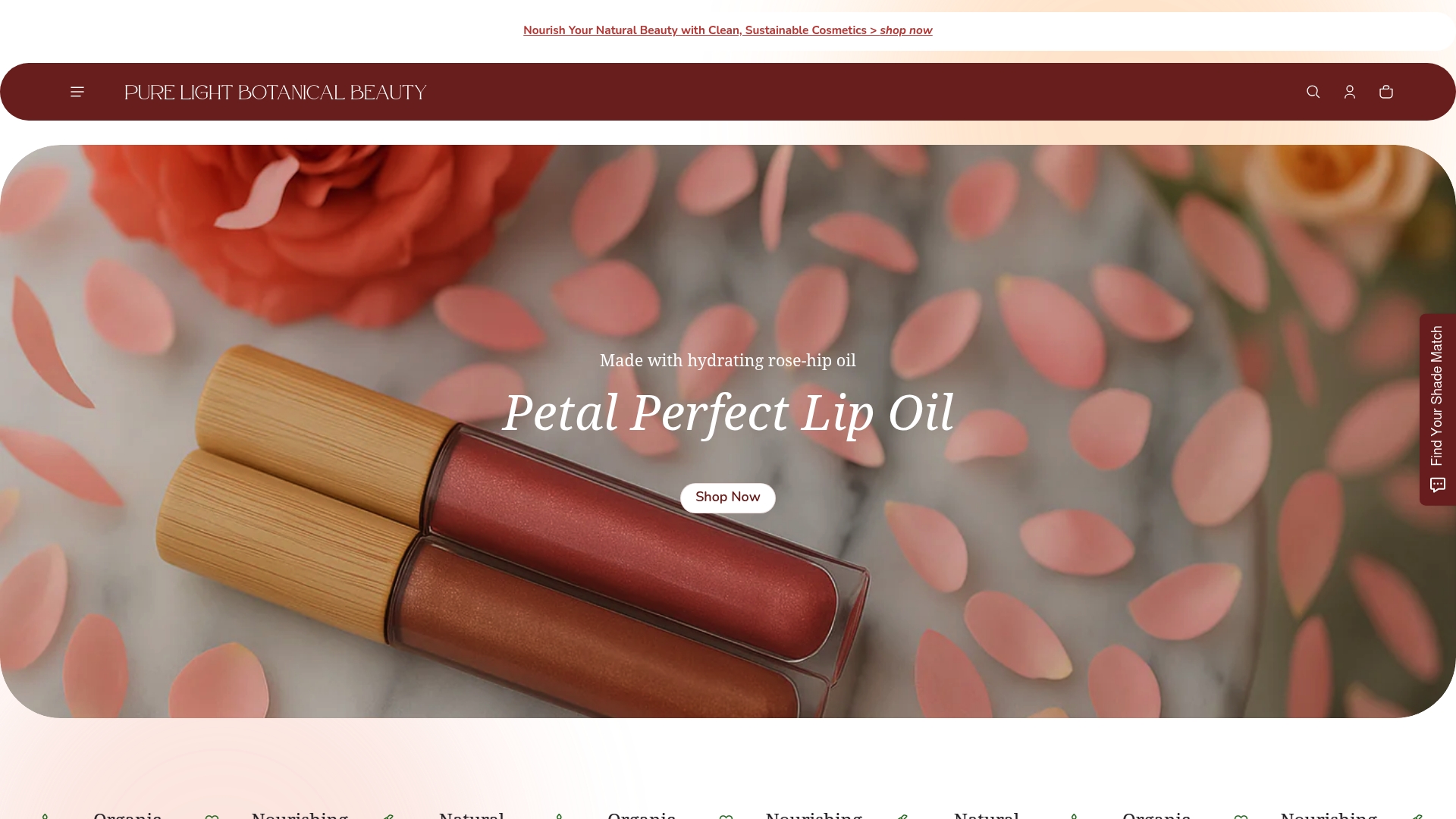
The brand’s formulas use clean, plant-based ingredients designed to nourish skin from within, not just sit on top of it. Products like the Petal Perfect Lip Oil, Botanical Crème Blush, and Nourishing Lipstick bring the benefits of botanical ingredients into your daily makeup routine. Each one is crafted with sensitive skin in mind, including skin prone to eczema. If you are ready to treat your beauty routine as an act of care rather than coverage, explore the full collection at Purelightbotanicalbeauty.
FAQ
What is the role of aromatherapy in beauty?
Aromatherapy uses essential oils to improve skin health through direct absorption and by reducing stress hormones that cause skin inflammation. It addresses both the physical and emotional factors that affect how skin looks and feels.
Can aromatherapy help with acne or eczema?
Tea tree oil reduces surface bacteria and sebum for acne-prone skin, while lavender oil calms inflammation associated with eczema. Both must be diluted in a carrier oil before applying to skin.
How do I dilute essential oils for my face?
Use a 1% dilution for facial application, which equals approximately 1 drop of essential oil per teaspoon of carrier oil. Jojoba and sweet almond oil are reliable carrier options for most skin types.
Is aromatherapy safe for sensitive skin?
Aromatherapy is safe for sensitive skin when oils are properly diluted and patch tested for 24–48 hours before full use. Undiluted essential oils can cause burns or allergic reactions even on non-sensitive skin.
Does aromatherapy replace skincare or medical treatment?
Aromatherapy complements skincare and wellness routines but does not replace medical treatment for diagnosed skin conditions. Experts recommend using it as a supportive tool alongside, not instead of, professional care.
Recommended
- The Role of Holistic Health in Beauty: What Works – Pure Light Botanical Beauty
- How to create a holistic beauty ritual for sensitive skin – Pure Light Botanical Beauty
- Why Beauty Rituals Matter for Sensitive Skin Wellness – Pure Light Botanical Beauty
- Understanding the Role of Botanicals in Beauty – Pure Light Botanical Beauty