

Non-comedogenic products are formulated to be less likely to clog pores and trigger comedones, the small plugs of sebum and dead skin that turn into blackheads and whiteheads. That makes the label a useful first filter if you have acne-prone, oily, or sensitive skin. It is not a guarantee, though, since no regulatory body verifies the claim before a brand prints it on a bottle.
TL;DR:
- Non-comedogenic claims are unregulated, so checking the first five ingredients and patch testing are essential before trusting a product.
- Ingredients like humectants, niacinamide, ceramides, and certain oils support skin without clogging pores, especially in lightweight, water-based formulas.
- Heavy oils such as cocoa butter, coconut oil, and lanolin near the top of ingredient lists raise the risk of clogging, particularly in acne-prone skin.
- Layering non-comedogenic products, especially actives like salicylic acid and retinoids, requires a buffer moisturizer to reduce irritation and maintain efficacy.
- A consistent routine of gentle cleansing, hydrating, and sun protection with non-comedogenic products minimizes pore clogging and supports skin health over time.
Table of Contents
- What Non-Comedogenic Means and How Comedones Form
- Who Should Choose Non-Comedogenic Products
- Ingredients to Look for in Non-Comedogenic Skincare
- Ingredients to Avoid or Watch Closely
- How to Verify a Non-Comedogenic Claim Before You Trust It
- Why Non-Comedogenic Products Can Still Cause Breakouts
- Building a Daily Routine Around Non-Comedogenic Choices
- How Purelightbotanicalbeauty Approaches Non-Comedogenic Formulation
- A Simple Starting Point If You’re Overwhelmed by Labels
- Try a Gentle, Non-Comedogenic Routine From Purelightbotanicalbeauty
- Where to Read More on Non-Comedogenic Skincare
What Non-Comedogenic Means and How Comedones Form
A comedo starts small. Sebum, dead skin cells, and sometimes a heavy topical product sit inside a pore, and if that mixture cannot drain, the follicle swells into a blackhead or whitehead. Ingredients that trap moisture and debris at the skin’s surface, called occlusives, are the usual suspects, but the term “non-comedogenic” describes an intention rather than a fixed chemical category. An ingredient’s actual pore-clogging behavior depends on concentration, how it’s combined with everything else in the formula, and the individual using it. Cocoa butter in a thick balm behaves differently than cocoa butter listed fifth in a lightweight lotion.
Dermatologists point to a handful of mechanisms that repeatedly show up when pores clog:
- Excess sebum production, often hormone driven, that overwhelms the pore’s natural drainage
- Dead skin cells that don’t shed properly and build up inside the follicle
- Heavy occlusive ingredients sitting on the skin’s surface for extended periods
- Bacterial activity that turns a clogged, low-oxygen pore into an inflamed breakout
- Product layering that compounds the occlusion effect of any single item
Research on sebum chemistry and comedone formation, published through NCBI and specialty dermatology journals, backs up why this is a formulation issue and not just an ingredient blacklist. The full picture matters more than any single component.
Who Should Choose Non-Comedogenic Products
If your skin runs oily, acne-prone, or combination, non-comedogenic formulas are usually the safer default. You’re already producing more sebum, so adding a heavy, pore-blocking layer on top rarely does you any favors.
Sensitive and eczema-prone skin benefits for a different reason. It’s not about oil control here. It’s about avoiding heavy occlusive ingredients that can trap irritants against a compromised skin barrier or feel suffocating on inflamed patches. If eczema is part of your skin story, our eczema-friendly skincare guide walks through which textures tend to calm rather than aggravate.
That said, this filter has limits:
- Acne-prone skin benefits most from choosing non-comedogenic moisturizers, sunscreens, and makeup as a baseline habit
- Oily and combination skin should watch for lightweight, oil-in-water formulas over heavy creams
- Sensitive or eczema-prone skin should prioritize barrier support over strict oil avoidance
- Active, inflamed breakouts need therapeutic treatment first. A non-comedogenic moisturizer is prevention, not a cure
Ingredients to Look for in Non-Comedogenic Skincare
Reading a label gets easier once you know which ingredients tend to hydrate and calm without clogging.
Humectants pull water into the skin rather than sealing it under an oily film. Hyaluronic acid, glycerin, and sodium hyaluronate all fall into this category, and they’re common in gel moisturizers built for oily or acne-prone skin.
Barrier-supporting and calming ingredients round things out. Niacinamide helps regulate oil production while soothing redness. Ceramides rebuild the skin’s natural barrier. Panthenol and aloe calm irritation without adding weight.
Not every oil is a threat, either. Sunflower, grapeseed, and hempseed oils carry a low comedogenic rating and can actually support a healthy skin barrier. Dimethicone, a silicone, gets an unfair reputation, but it sits on the skin’s surface without penetrating pores, which is exactly why dermatologists often recommend it as a gentle emollient for reactive skin.
If you’re also treating active breakouts, these actives pair well with non-comedogenic bases:
- Salicylic acid for exfoliating inside the pore lining
- Benzoyl peroxide for reducing acne-causing bacteria
- Retinoids or adapalene for regulating cell turnover
Pro Tip: Layer your actives on top of a non-comedogenic moisturizer, not the other way around. The moisturizer acts as a light buffer that can reduce irritation from stronger treatments like retinoids without blocking their effectiveness.
Ingredients to Avoid or Watch Closely
Some ingredients earn their reputation for a reason. Cocoa butter, coconut oil, lanolin, isopropyl myristate, and wheat germ oil are frequently cited as higher-risk for clogging pores, especially in leave-on products applied to acne-prone areas.
Placement in the ingredient list matters as much as the ingredient itself. A product where coconut oil appears near the top of the list is delivering it at a much higher concentration than one where it’s buried near preservatives and fragrance. Two products can list the same “risky” oil and behave completely differently on your skin depending on how much of it is actually in the jar.
This is also where “natural” gets misleading. Plant-based doesn’t automatically mean pore-friendly. Cocoa butter and coconut oil are both natural, and both carry a real track record of triggering breakouts in acne-prone skin. If you gravitate toward plant-based formulas, look past the marketing language and check:
- Where the oil sits in the ingredient list
- Whether the brand names a specific comedogenic rating or testing standard
- Whether the formula pairs a heavier oil with lighter, balancing ingredients
Our breakdown of oils that clog pores versus oils that don’t goes deeper into which plant oils actually behave well on reactive skin.
How to Verify a Non-Comedogenic Claim Before You Trust It
Here’s the part most shoppers don’t know: the FDA does not regulate or define the term “non-comedogenic” for cosmetics. Brands can print it on packaging without standardized testing behind it. That doesn’t make the claim worthless, but it does mean you should treat it as a helpful signpost rather than a guarantee.
The comedogenic rating scale that dermatologists sometimes reference is a rough guide, not gospel, as ratings can vary with formulation changes and between individuals.
Four steps help you verify a claim yourself:
- Scan the first five ingredients. These make up the bulk of the formula and tell you more than any front-label claim.
- Identify whether the base is water or oil. Water-based, oil-in-water formulas are typically lighter and less occlusive.
- Separate humectants (hyaluronic acid, glycerin) from occlusives (heavy butters, mineral oil derivatives) in the list.
- Patch-test before committing to full-face use.
For that patch test, apply the product behind your ear or on your inner forearm, and check at 24, 48, and 72 hours for redness or irritation. If you’re specifically testing for pore-clogging rather than irritation, try a small area on your jawline or forehead for 7 to 10 days before applying it across your whole face. Comedones take longer to develop than an allergic reaction does, so a one-day check won’t catch them.
If a product still causes persistent breakouts after a fair trial, or if you’re dealing with painful cystic acne, that’s the point to bring in a dermatologist rather than keep guessing.
Why Non-Comedogenic Products Can Still Cause Breakouts
A product labeled non-comedogenic isn’t a forcefield. Breakouts still happen for reasons that have nothing to do with formulation quality.
Individual skin chemistry plays a bigger role than most labels admit. An ingredient that’s low-risk for most people can still cause inflammation or a reaction in your particular skin, especially if you’re combining it with several other actives at once. Dermatologists at the American Academy of Dermatology note that acne is multifactorial, meaning the product sitting on your bathroom shelf is often just one variable among several.
Other common drivers worth ruling out:
- Hormonal fluctuations tied to your cycle, stress, or underlying conditions
- Certain medications that affect oil production
- Dietary patterns, particularly high-glycemic foods for some people
- Hair products migrating onto your hairline and jaw during the day
Layering is the sneaky one. A lightweight, non-comedogenic sunscreen under a non-comedogenic primer under a non-comedogenic foundation can still congest your skin by sheer accumulation, even though every single product would pass the test on its own.
Building a Daily Routine Around Non-Comedogenic Choices
Certain product categories deserve extra scrutiny because you use them daily and leave them on for hours.
Sunscreen is non-negotiable, so pick a non-comedogenic texture you’ll actually wear every day. Mineral formulas (zinc oxide, titanium dioxide) tend to sit on the skin’s surface, while chemical sunscreens often feel lighter but vary more by brand. The best sunscreen is the one you won’t skip.
Makeup should be non-comedogenic and easy to remove completely at night. Product left on overnight is one of the most avoidable causes of clogged pores. Our guide to non-comedogenic makeup for sensitive skin breaks down textures that wear well without building up.
Moisturizers work best as oil-in-water emulsions for acne-prone skin, since they hydrate without the heavier feel of water-in-oil formulas.
Hair products deserve a second look, too. Styling creams and oils transfer onto your hairline and jaw throughout the day, so keep heavier formulas away from your face and cleanse your hairline as part of your regular routine.
- Choose sunscreen you’ll wear consistently, not just the “best” formula on paper
- Remove makeup fully every night, no exceptions
- Favor oil-in-water moisturizers if you’re acne-prone
- Keep styling products away from your hairline and jaw
Pro Tip: If you wear makeup daily, double cleanse at night: an oil-based cleanser first to lift product, followed by a gentle water-based cleanser to clear any residue.
How Purelightbotanicalbeauty Approaches Non-Comedogenic Formulation
Formulating for sensitive and eczema-prone skin means every ingredient earns its place. At Purelightbotanicalbeauty, plant-based actives are chosen not just for how they perform on the skin’s surface, but for how they interact with a compromised barrier over time. That’s the difference between a product that looks clean on a label and one that actually behaves gently once it’s on your face.
The brand’s formulation philosophy leans on calendula, rose, and other botanicals recognized for calming irritation rather than masking it. These ingredients are combined with restraint, prioritizing short, purposeful ingredient lists over long ones padded with fillers.
What that looks like in practice:
- Hydrating balms built around calendula and rose rather than heavy, occlusive butters
- Crème-based color cosmetics formulated to support rather than suffocate reactive skin
- Guided rituals for readers who want to introduce new products slowly and safely
A Simple Starting Point If You’re Overwhelmed by Labels
If all of this feels like a lot to track at once, start simple. Cleanse gently, treat active concerns only if you have them, hydrate with a non-comedogenic moisturizer, and finish with sunscreen every morning. That’s the whole foundation.
Introduce one new product at a time, patch test before committing your whole face, and don’t be afraid to loop in a dermatologist if something isn’t settling right. Skincare works best as a quiet, consistent ritual, not a race to add more products. Give your skin room to tell you what it actually needs.
— Kaitlyn
Try a Gentle, Non-Comedogenic Routine From Purelightbotanicalbeauty
Purelightbotanicalbeauty formulates specifically for the reader this article was written for: skin that’s reactive, acne-prone, or recovering from a compromised barrier, where most conventional formulas either clog pores or sting on contact. The Botanical Beauty Balm™ ~ Calendula & Rose gives you barrier support and hydration without the heavy occlusion that triggers breakouts in oily or acne-prone skin.
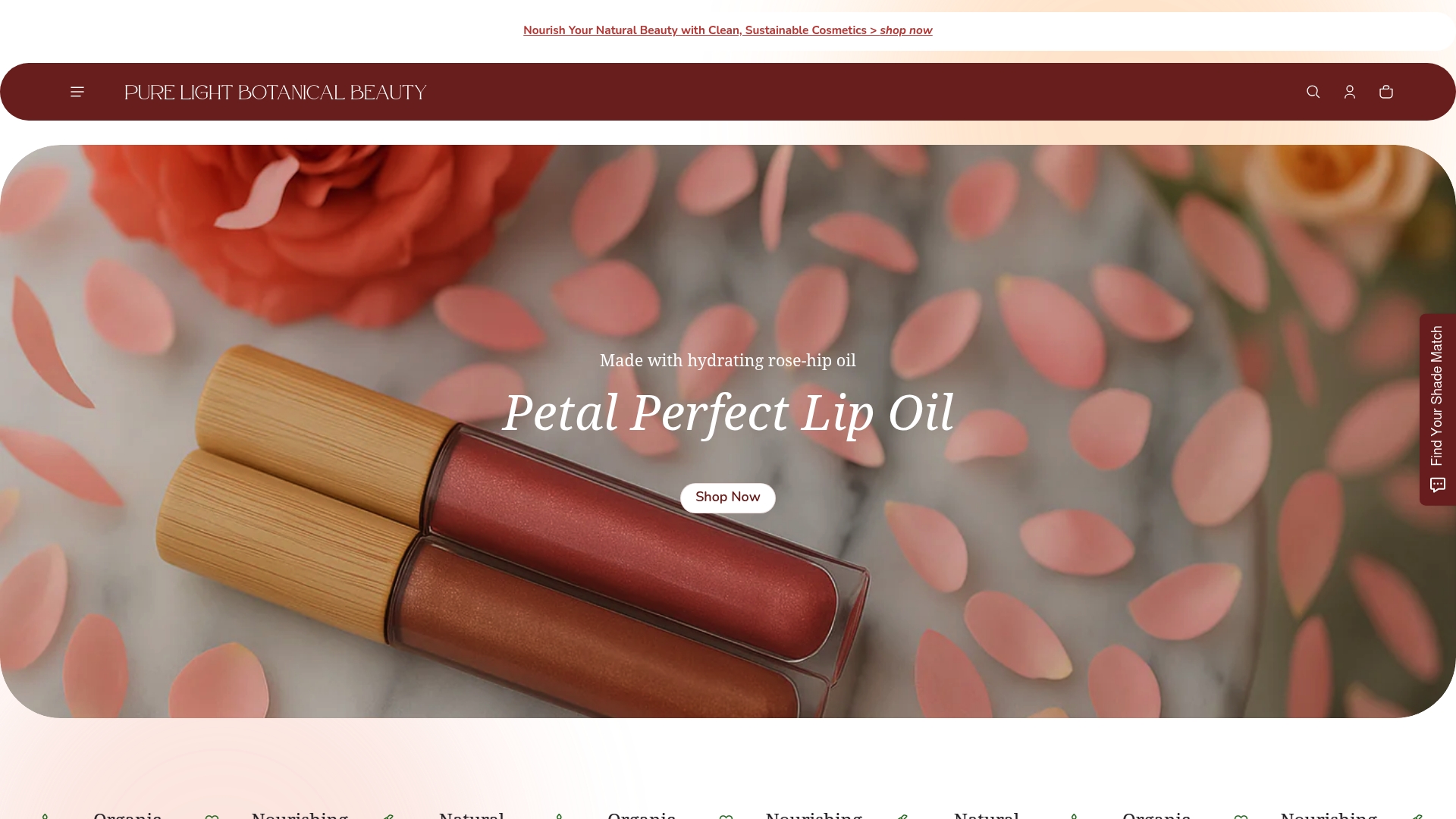
If you’re rebuilding your routine from scratch, the 7-Day Fresh Start Skin Ritual™ walks you through introducing products slowly and safely, which matters most in the first two weeks with anything new. For color cosmetics, the Botanical Crème Blush™ ~ Rose Quartz and Nourishing Lipstick™ ~ Cherry Quartz are formulated to skip the heavy waxes that tend to sit on reactive skin. And if eczema is part of your picture, our Eczema Healing Consultation gives you personalized guidance beyond what any label can tell you. Start with a single product, patch test it, and build from there on the Purelightbotanicalbeauty product pages.
Where to Read More on Non-Comedogenic Skincare
For readers who want to go deeper into the science, dermatology journals and NCBI-hosted papers cover the mechanics of sebum production and comedone formation in more clinical detail. The FDA’s cosmetic ingredient pages explain why terms like “non-comedogenic” carry no federal testing requirement. The American Academy of Dermatology’s resources on acne causes are worth a look if you’re trying to separate product-related breakouts from hormonal or medication-related ones, and skin-focused outlets like Healthline and Medical News Today offer accessible breakdowns of comedogenic ingredient ratings for quick reference.