

TL;DR:
- Most consumers now view beauty as linked to mental and physical well-being rather than appearance alone, emphasizing wellness over cosmetics. Conscious beauty encompasses ingredient transparency, ethical sourcing, skin-mind connection, and sustainability, promoting intentional product choices supporting overall health. Practicing it involves gradual swaps, verifying third-party certifications, and nurturing a mindful routine that integrates emotional well-being and environmental responsibility.
Most people pick up a lipstick because of the color. But 80% of consumers now define beauty through mental and physical well-being rather than appearance alone. That shift changes everything about why practice conscious beauty matters. It means the products you choose, the rituals you build, and the ingredients you put on your skin are not just cosmetic decisions. They are wellness decisions. This article breaks down what conscious beauty actually is, what science says about the skin and mind connection, how to spot the real thing versus clever marketing, and how to start living it without tossing out everything in your cabinet.
Table of Contents
- Key takeaways
- Why practice conscious beauty: what it really means
- The skin-brain axis: how your emotions affect your skin
- Sustainability in conscious beauty: what actually matters
- Conscious beauty tips for your daily routine
- My honest take on conscious beauty
- How Purelightbotanicalbeauty supports your conscious beauty practice
- FAQ
Key takeaways
| Point | Details |
|---|---|
| Conscious beauty goes deeper | It includes ingredient transparency, ethical sourcing, emotional well-being, and sustainability, not just clean labels. |
| Your skin and mind are connected | The skin-brain axis means emotional stress directly affects skin health, and your product choices can support both. |
| Greenwashing is widespread | Look for third-party certifications like Leaping Bunny, ECOCERT, or B Corp to verify a brand’s real values. |
| Gradual swaps work best | Finishing your current products before switching reduces waste and makes the transition feel manageable. |
| Efficacy still matters | Conscious beauty only works when it delivers real skin results alongside its ethical and eco commitments. |
Why practice conscious beauty: what it really means
Most people hear “conscious beauty” and assume it means clean or natural. It is actually broader than that, and the distinction matters.
Clean beauty focuses on ingredient safety, specifically avoiding potentially harmful chemicals. Natural beauty emphasizes plant-based or minimally processed ingredients. Sustainable beauty centers on environmental impact. Conscious beauty holds all of these together and adds one more layer: intentionality. It means asking not just what a product contains, but how it was made, who made it, what it does to your skin over time, and how it makes you feel in the process.
Here is what the core principles of conscious beauty actually look like in practice:
- Ingredient transparency: Full disclosure of what is in the formula and why each ingredient is there.
- Ethical sourcing: Ingredients obtained without exploiting workers, communities, or ecosystems.
- Environmental responsibility: Consideration of packaging waste, carbon footprint, and supply chain impact.
- Skin and emotional well-being: Products designed to support skin health and create a positive sensory experience.
- Mindful consumerism: Buying with intention rather than impulse, prioritizing quality over quantity.
The clean beauty market is projected to reach $14.38 billion by 2030, growing at 12.4% annually. That growth reflects a real shift in how people relate to their beauty products. But popularity also breeds confusion. “Eco-friendly,” “non-toxic,” and “green” are not regulated terms. Anyone can print them on a box.
Pro Tip: When you read a product label, look past the marketing language on the front. Flip it over. The ingredient list and any third-party certifications on the back tell the real story.
Understanding the importance of mindful beauty starts here: with knowing what you are actually choosing, and why.
The skin-brain axis: how your emotions affect your skin
This is the part of conscious beauty that most people have never heard of, and it changes the entire conversation.
Your skin and your brain are in constant communication. Research into the skin-brain axis shows that emotional states directly influence skin physiology. Stress triggers cortisol and inflammatory responses that can worsen conditions like eczema, acne, and rosacea. Positive sensory experiences, on the other hand, activate calming neurological pathways that promote skin barrier function and resilience.
This is not abstract theory. It is the science behind why your skin often breaks out before a big event, or why a warm, fragrant cleansing ritual genuinely leaves your skin looking calmer. The nervous system and the skin share developmental origins. They are designed to talk to each other.
“Neurocosmetics science focuses on sensory pleasure plus measurable skin benefits, connecting emotional well-being to visible skin results.”
This emerging field, called neurocosmetics, is developing formulas that do more than sit on the surface. Products designed with the skin-brain connection in mind target sensory receptors, reduce inflammation triggered by stress responses, and help the skin feel protected from the inside out. Consumers increasingly link emotional health to skin care, expecting products that deliver well-being alongside visible results.
The role of mental health in beauty is especially significant for those with sensitive skin or chronic skin conditions. When your stress levels drop and your ritual feels genuinely nourishing, your skin often responds in kind.

Pro Tip: Before applying any product, take three slow breaths. This micro-ritual activates the parasympathetic nervous system, which primes your skin to receive treatment more effectively. It sounds simple because it is.
AI and neurocosmetics are now converging to create personalized formulas that adapt to your stress levels, mood, and circadian rhythms. That future is closer than most people realize.
Sustainability in conscious beauty: what actually matters
The benefits of conscious beauty include environmental responsibility, but this part of the conversation comes with a major caveat: sustainability claims are easy to make and hard to verify.
The environmental footprint of a beauty product comes from multiple directions. Packaging and ingredient sourcing often account for the majority of a product’s carbon and water footprint, well before it reaches your shelf. That means a “natural” cream in a triple-layered plastic container with ingredients flown in from five continents may not be as conscious as its label suggests.
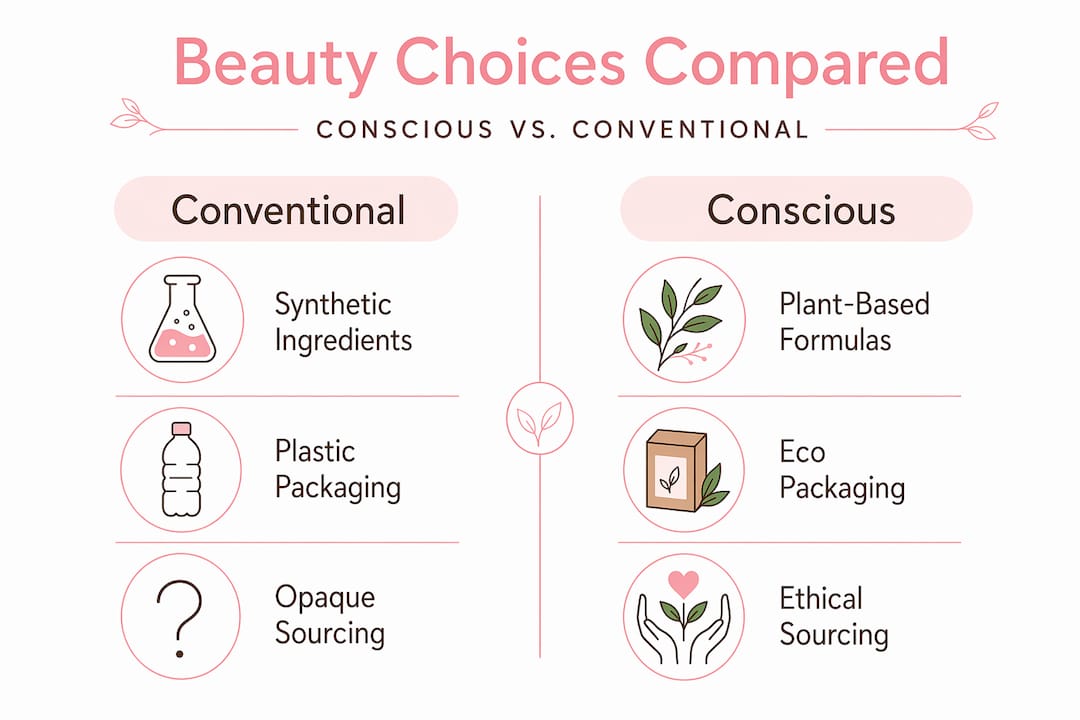
Here is a practical comparison to help you evaluate what you are actually buying:
| Factor | Conventional beauty | Conscious beauty |
|---|---|---|
| Packaging | Single-use plastic, non-recyclable | Refillable, recyclable, or compostable |
| Ingredient sourcing | Cost-driven, minimal traceability | Ethically sourced, traceable supply chain |
| Certifications | Self-declared claims | Third-party verified (Leaping Bunny, ECOCERT, B Corp) |
| Formula transparency | Partial disclosure common | Full ingredient list with purpose disclosed |
| Environmental testing | Rarely conducted | Lifecycle impact assessed |
Greenwashing, meaning brands that use environmental language purely for marketing appeal, is widespread in the beauty industry. The best defense is certification. Third-party certifications like Leaping Bunny for cruelty-free claims, ECOCERT for organic and natural standards, and B Corp for overall ethical business practice are independently audited. They are not easy to fake.
There is also an important tension worth naming. Some eco-conscious brands have faced consumer pushback when their products prioritize green credentials over actual performance. Consumers resist products that sacrifice skin results for sustainability. The most thoughtful brands understand this. Real conscious beauty delivers both.
For a deeper look at what eco-conscious beauty looks like in practice, including ingredient sourcing and packaging choices that actually reduce impact, the research is worth exploring.
Conscious beauty tips for your daily routine
Adopting conscious beauty does not require a complete overhaul. In fact, a sudden full-cabinet replacement creates its own waste. The most practical and sustainable approach is gradual and intentional.
- Finish what you have first. Experts recommend using up existing products before switching. Throwing away half-used bottles defeats the purpose of a conscious transition.
- Research one brand at a time. When a product runs out, replace it with something you have genuinely evaluated. Check for certifications, read the full ingredient list, and look up the brand’s sourcing practices before buying.
- Choose multi-use products. A botanical blush that doubles as an eye shadow, or a lip oil that moisturizes while it tints, reduces the total number of products you need. Fewer products means less packaging and less spending.
- Build a mindful ritual, not just a routine. There is a difference between rushing through skincare in thirty seconds and treating it as a moment of self-connection. Beauty rituals that are slow and intentional have measurable effects on emotional well-being, not just your skin.
- Look for refillable options. Many conscious beauty brands now offer refillable packaging. It reduces plastic waste significantly over time and often saves money.
- Trust certifications over claims. When a brand says “clean” or “eco-friendly” without a third-party badge to back it up, approach with healthy skepticism. Certifications are the shortcut to verified trust.
The benefits of conscious cosmetics accumulate over time. Small, consistent swaps build a routine that genuinely supports your skin, your values, and your sense of self without feeling like a sacrifice.
My honest take on conscious beauty
I have watched the beauty world use “conscious” as a buzzword often enough to know the difference between the real thing and a rebrand. My honest take is this: sustainability alone does not make a beauty practice meaningful.
What actually shifts things is the relationship you build with your routine. I have seen people with deeply troubled skin, including chronic eczema and stress-triggered breakouts, find genuine relief not by finding the perfect serum but by slowing down. By choosing products that feel good, smell calming, and contain ingredients they actually understand. That combination of intentionality and sensory care does something that a clinical product list rarely can.
The skin-brain axis research validates what many of us have felt intuitively. Your emotional state while you apply a product matters. A rushed, distracted application of even the most thoughtfully formulated product gives you half the benefit. Presence is part of the formula.
I am also deeply skeptical of brands that lead with eco-credentials and bury performance. You should not have to choose between a product that works and one that aligns with your values. The brands worth your trust are the ones building both from the ground up, with verifiable certifications and formulas that your skin actually responds to.
If I had one piece of advice for anyone starting this shift: do not try to do everything at once. Pick one product, choose it consciously, and notice how it changes the way you feel when you use it. That noticing is where conscious beauty actually begins.
— Kaitlyn
How Purelightbotanicalbeauty supports your conscious beauty practice
If you are ready to take a conscious step in your beauty routine, Purelightbotanicalbeauty was built exactly for this.
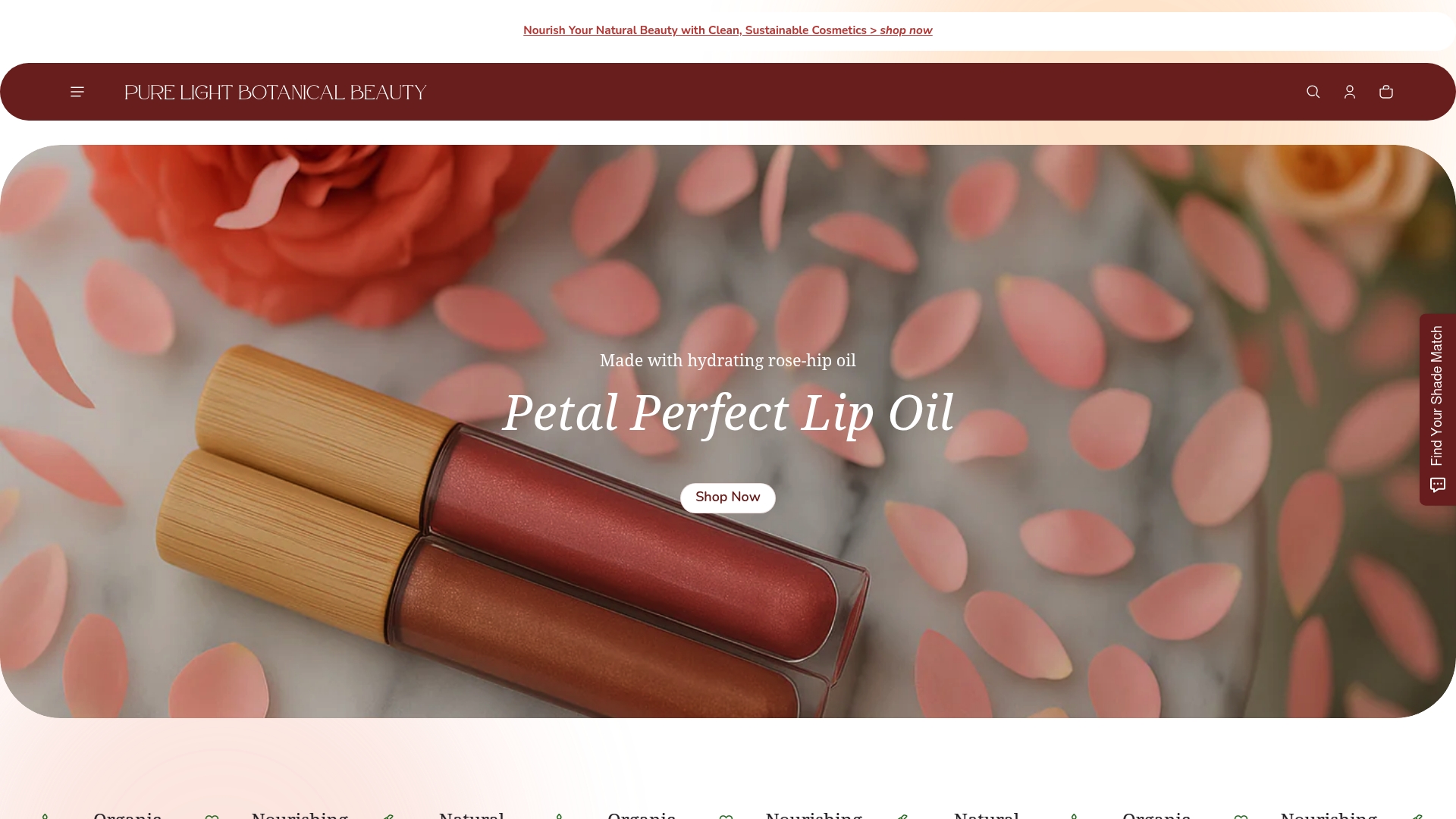
Every product in the Purelightbotanicalbeauty line is formulated with plant-based, clean ingredients designed to nourish your skin while you wear it. The Botanical Crème Blush, Petal Perfect Lip Oil, and Nourishing Lipstick are not just makeup. They are small rituals of skin care and self-expression in one. For those with sensitive skin or eczema, the formulas are thoughtfully crafted to support the skin barrier rather than disrupt it, which connects directly to everything the skin-brain axis research points toward. You can explore the full collection and learn more about the brand’s sourcing commitments at Purelightbotanicalbeauty. When your beauty products align with your values and genuinely care for your skin, the ritual feels entirely different.
FAQ
What is conscious beauty?
Conscious beauty is a holistic approach to personal care that considers ingredient transparency, ethical sourcing, sustainability, and emotional well-being together. It goes beyond clean or natural labels to include mindful consumerism and intentional product choices.
How does conscious beauty support skin health?
Conscious beauty products are formulated with skin health in mind, using clean, plant-based ingredients that support rather than disrupt the skin barrier. The mindful rituals associated with conscious beauty also activate calming responses through the skin-brain axis, reducing stress-related skin flare-ups.
What is eco-conscious beauty?
Eco-conscious beauty refers to products and practices that minimize environmental impact through sustainable ingredient sourcing, reduced packaging waste, and responsible supply chains. It is one dimension of the broader conscious beauty philosophy.
How do I avoid greenwashing in beauty products?
Look for verified third-party certifications such as Leaping Bunny, ECOCERT, or B Corp rather than relying on self-declared claims like “natural” or “eco-friendly.” These certifications are independently audited and much harder to misrepresent.
Do I need to replace everything in my routine to practice conscious beauty?
No. Experts recommend finishing your current products before making swaps, replacing items one at a time as they run out. Gradual, intentional transitions reduce waste and make the shift feel sustainable rather than overwhelming.
Recommended
- Intentional beauty: A wellness approach to glowing skin – Pure Light Botanical Beauty
- Mindful Beauty Practices for Sensitive Skin Health – Pure Light Botanical Beauty
- Benefits of Mindful Beauty: Complete Guide for 2025 – Pure Light Botanical Beauty
- How to create a holistic beauty ritual for sensitive skin – Pure Light Botanical Beauty