

TL;DR:
- Deep nourishment supports the skin barrier, reducing flare-ups and enhancing overall resilience.
- Proven plant-based ingredients like colloidal oatmeal and shea butter repair and soothe sensitive skin.
- Emotional rituals and a healthy diet play crucial roles in sustainable skin health and irritation reduction.
If you have sensitive skin or eczema, you have probably heard that moisturizing is the answer. Slather on more cream, layer more products, and your skin will finally calm down. But here’s the truth: most of us are solving the wrong problem. Colloidal oatmeal reduces flares by 30%, aloe vera reduces redness by 32%, and plant-based emollients soothe without triggering irritation. That’s not moisturizing. That’s deep nourishment. And it’s a completely different conversation. This article breaks down what deep nourishment actually means, which plant-based ingredients deliver real results, and how your daily habits and emotional rituals play a role in the skin you see every morning.
Table of Contents
- What does deep nourishment really mean for sensitive skin?
- Key plant-based ingredients and what science says
- Beyond products: Nutrition and lifestyle’s impact on skin nourishment
- The emotional and ritual power of deep nourishment
- Why real nourishment is often misunderstood—and what actually makes the difference
- How Pure Light makes deep nourishment effortless and empowering
- Frequently asked questions
Key Takeaways
| Point | Details |
|---|---|
| Deep nourishment is foundational | Truly nourishing sensitive skin means supporting the barrier, not just adding moisture. |
| Clean, plant-based offers best results | Evidence supports using fragrance-free, plant-derived emollients for less irritation and better healing. |
| Nutrition and ritual matter | Topical care works best alongside anti-inflammatory diets and consistent self-care routines. |
| Emotional well-being is linked | Daily beauty rituals can improve both skin appearance and stress resilience. |
What does deep nourishment really mean for sensitive skin?
Most people think of moisturizing as the gold standard for dry or reactive skin. But moisturizing and deep nourishment are not the same thing. Moisturizing adds water to the surface. Deep nourishment goes further by supporting the skin barrier, the protective outer layer that keeps moisture in and irritants out.
Understanding what nourished skin means starts with recognizing that the barrier is a living system. When it’s compromised, water escapes through a process called transepidermal water loss (TEWL). Skin becomes tight, red, and reactive. For those with eczema, a weakened barrier is often the root cause of flare cycles.
A clinical study on skin nourishment confirms that moisturizers improve SCORAD scores in atopic dermatitis, and that ceramides along with vitamin C correlate inversely with eczema symptoms. In other words, the right ingredients don’t just feel good. They measurably reduce severity.
“Deep nourishment is not about adding more to your routine. It’s about giving your skin what it needs to repair itself from within.”
Here’s what deep nourishment actually does for sensitive skin:
- Repairs the lipid barrier between skin cells
- Soothes active inflammation and reduces itch signals
- Fortifies the skin’s natural defense mechanisms
- Defends against environmental triggers like pollution and allergens
- Comforts reactive skin by reducing TEWL and locking in hydration
| Function | What it addresses | Key ingredients |
|---|---|---|
| Barrier repair | Lipid gaps in the skin | Ceramides, shea butter |
| Soothing | Redness, itch, inflammation | Colloidal oatmeal, aloe vera |
| Hydration lock | TEWL, dryness | Plant-based occlusives, squalane |
| Antioxidant defense | Free radical damage | Vitamin C, vitamin E |
Clean, plant-based formulas are especially important here. Conventional products often include synthetic fragrances, parabens, or alcohol, all of which can trigger or worsen sensitive skin reactions. Plant-based options work with your skin’s biology rather than against it.
Key plant-based ingredients and what science says
Not all natural ingredients are created equal. Some have decades of research behind them. Others are trendy but unproven. For sensitive and eczema-prone skin, the evidence points clearly to a core group of plant-based heroes.
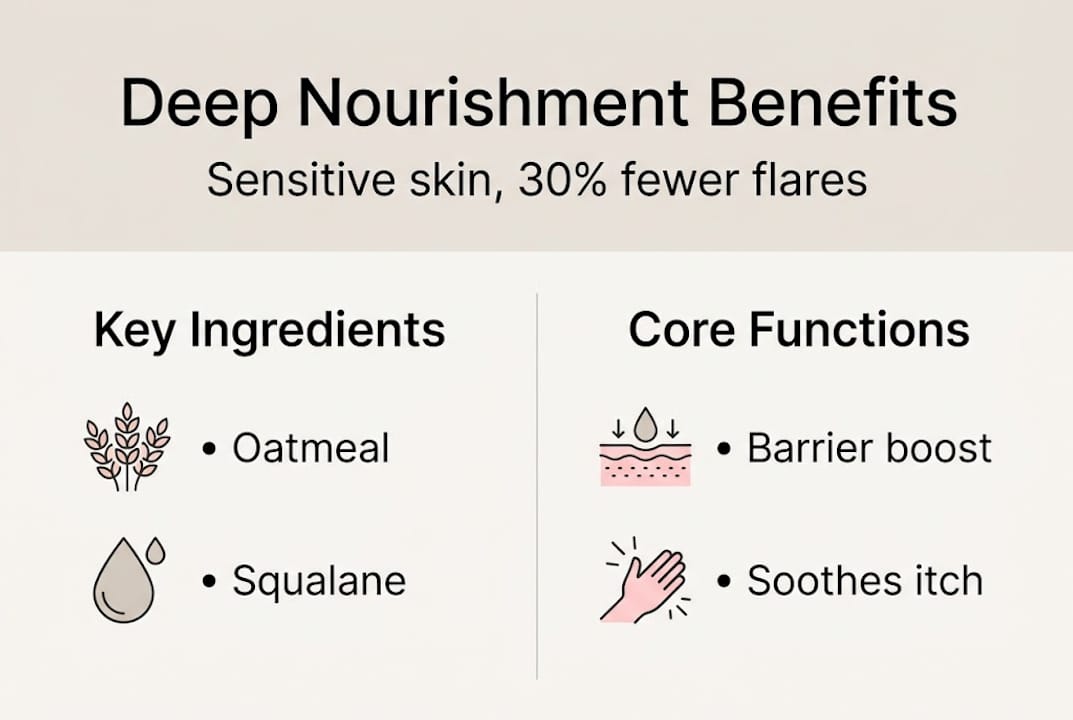
Colloidal oatmeal is one of the most studied ingredients in dermatology. It reduces flare-ups by 30% and forms a protective film on the skin that relieves itch almost immediately. Aloe vera reduces visible redness by 32% and carries natural anti-inflammatory compounds called polysaccharides. Shea butter is rich in fatty acids that mimic the skin’s own lipids, making it exceptionally good at barrier repair.
Squalane, derived from plants like sugarcane or olives, is a lightweight oil that absorbs quickly and supports the skin’s natural moisture factor without clogging pores. Calendula and chamomile both carry flavonoids that calm irritated skin and reduce histamine responses, which are often behind eczema flares.
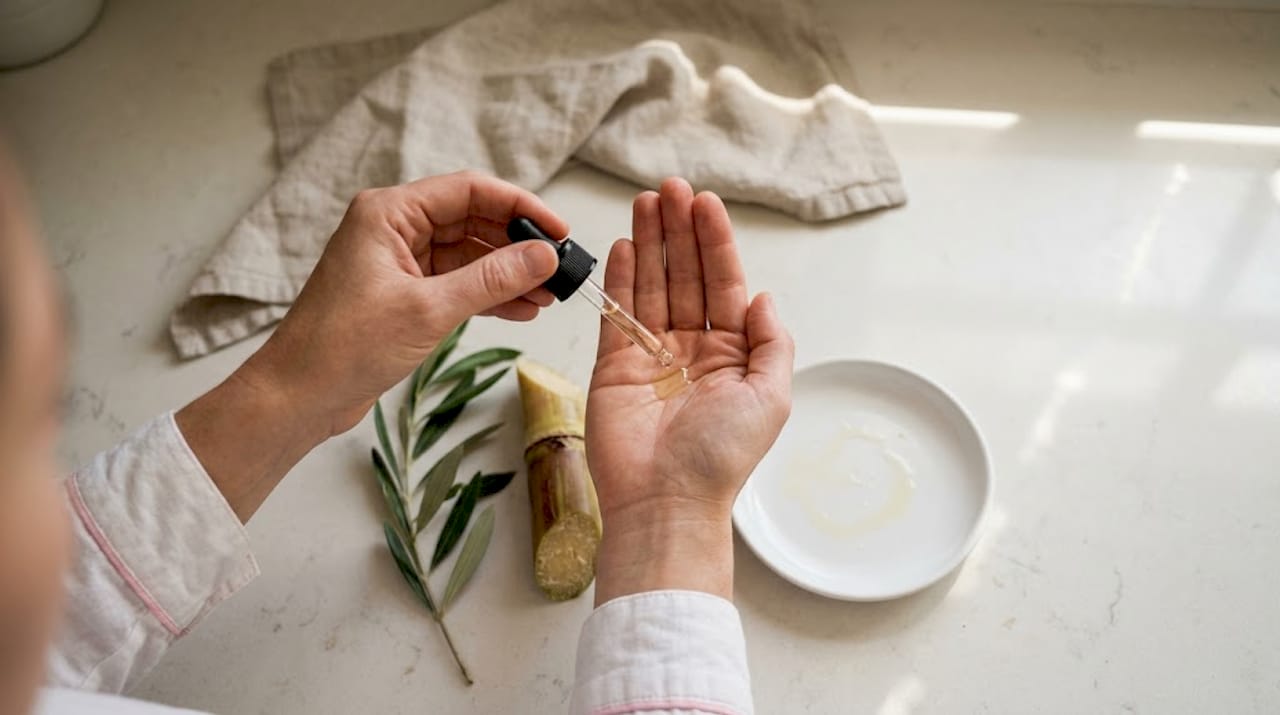
One important note: not all plant oils are safe for eczema-prone skin. Latest research on gentle ingredients shows that sunflower and coconut oils support a healthy barrier, while olive oil, which is high in oleic acid, can actually worsen barrier function over time.
Pro Tip: Always patch test new plant oils on a small area of your inner arm for 48 hours before applying to your face or body. And steer clear of anything with added fragrance, even natural essential oils, if your skin is currently reactive.
| Ingredient | Primary function | Eczema suitability | Key benefit |
|---|---|---|---|
| Colloidal oatmeal | Anti-itch, barrier film | Excellent | Reduces flares 30% |
| Shea butter | Barrier repair, emollient | Excellent | Mimics skin lipids |
| Aloe vera | Soothing, anti-inflammatory | Very good | Reduces redness 32% |
| Squalane | Hydration, lightweight moisture | Excellent | Non-comedogenic |
| Calendula | Calming, anti-histamine | Very good | Reduces flare triggers |
| Olive oil | Emollient | Poor for eczema | May worsen barrier |
Products formulated with healing sensitive skin holistically in mind and containing these proven ingredients can reduce flares and TEWL by 20 to 30%, which is a meaningful, measurable difference in daily comfort.
Beyond products: Nutrition and lifestyle’s impact on skin nourishment
Plant-based topicals are essential, but they’re just one piece of the nourishment puzzle. What you eat and how you live shapes your skin from the inside out, often more powerfully than anything you apply externally.
PUFAs and antioxidants in the diet support the skin barrier more effectively than topicals alone. A Western diet high in processed foods raises skin pH, increases TEWL, and worsens sensitivity. This is not a minor effect. It’s a systemic one.
Polyunsaturated fatty acids (PUFAs), found in foods like flaxseed, walnuts, and fatty fish, are building blocks for the lipid layer in your skin barrier. Antioxidants like vitamin C and E neutralize free radicals that damage skin cells. Polyphenols, found in berries, green tea, and dark leafy greens, reduce systemic inflammation that shows up on your skin.
Here’s a quick guide to what supports and what undermines your skin from within:
Foods and nutrients that support the barrier:
- Omega-3 rich foods: walnuts, chia seeds, salmon
- Vitamin E: sunflower seeds, almonds, avocado
- Vitamin C: citrus, bell peppers, kiwi
- Zinc: pumpkin seeds, lentils, chickpeas
- Polyphenols: blueberries, green tea, dark chocolate
Foods to limit or avoid:
- Refined sugars and processed carbohydrates
- Trans fats and highly processed vegetable oils
- Alcohol, which dehydrates and disrupts barrier function
- Dairy and gluten if you have known sensitivities
Pro Tip: Pairing an anti-inflammatory diet with your plant-based topical routine gives your skin support from two directions at once. Think of it as nourishing the soil while also tending the plant.
Beyond diet, stress management, quality sleep, and regular gentle exercise all contribute to skin resilience. Cortisol, the stress hormone, directly impairs barrier function. Prioritizing rest and calm is not a luxury. For sensitive skin, it’s a strategy. Explore a wellness approach to glowing skin that ties these habits together into a sustainable daily practice.
The emotional and ritual power of deep nourishment
Physical nourishment is important, but true healing flourishes when routines also support emotional well-being. The act of caring for your skin is not just cosmetic. It’s deeply psychological.
Rituals reduce anxiety through predictability and touch. When you repeat a gentle skincare routine each morning or evening, your nervous system learns to associate those actions with safety and calm. This matters for eczema sufferers especially, because stress-driven cortisol spikes are a known trigger for flares.
“Improved skin confidence reduces the psychological burden of visible skin conditions, creating a positive feedback loop between emotional health and skin health.”
Here’s a simple daily ritual that supports both your skin and your mind:
- Cleanse gently with lukewarm water and a fragrance-free, plant-based cleanser
- Apply a plant-based serum or oil while skin is still slightly damp to lock in moisture
- Massage in your moisturizer using slow, intentional strokes, not rushed application
- Take three slow breaths before moving on, anchoring the moment as a pause in your day
- Protect with SPF or a clean, nourishing tinted product if going outdoors
The hidden emotional benefits of consistent nourishing routines include:
- Increased self-confidence as skin visibly improves
- A sense of control and agency over your own healing
- Reduced anxiety from the calming rhythm of repetition
- A deeper connection to your body and its needs
- A healing mindset that supports patience and self-compassion
Understanding the value of beauty rituals and how they connect to habits for mental and skin health can transform your routine from a chore into a genuine act of self-care.
Why real nourishment is often misunderstood—and what actually makes the difference
Here’s something the beauty industry rarely admits: most products marketed as “deeply nourishing” are designed for short-term moisture, not long-term repair. They feel luxurious in the moment, but they don’t address the root causes of barrier dysfunction.
The most common mistake we see is layering multiple actives, retinols, acids, and peptides, all at once, hoping for faster results. For sensitive skin, this approach almost always backfires. More is not more. Simplicity is.
True nourishment comes from layering plant-based occlusives over gentle humectants, supporting that topical routine with an anti-inflammatory diet, and building rituals that keep cortisol low. Nutrition, rituals, and plant-based barrier repair consistently outperform miracle solutions in clinical reviews. The evidence is clear.
We also believe that authentic beauty healing starts with honesty about what your skin actually needs, not what marketing tells you it needs. Trends come and go. Barrier health is forever.
Pro Tip: Start with just two or three clean, plant-based products. Track how your skin responds over four weeks. Patience is not passive. It’s the most powerful thing you can do for reactive skin.
How Pure Light makes deep nourishment effortless and empowering
If you’re ready to put these nourishing practices into action, discovering trusted clean beauty options is the next logical step.
At Pure Light Botanical Beauty, every formula is built around the ingredients your sensitive skin actually responds to: colloidal oatmeal, shea butter, squalane, and plant-based actives that repair rather than irritate. There are no synthetic fragrances, no harsh additives, and no compromises. Just clean, intentional beauty that works as hard as it feels good. Whether you’re managing eczema or simply seeking products that honor your skin’s sensitivity, our collection is designed to make nourishment simple, effective, and genuinely empowering. Think of it as beauty as a healing journey, one gentle, radiant step at a time.
Frequently asked questions
Why is plant-based nourishment better for sensitive or eczema-prone skin?
Plant-based emollients soothe itch and inflammation without the common irritants found in conventional formulas, such as synthetic fragrances or harsh preservatives, making them a gentler and more compatible choice for reactive skin.
How quickly can deep nourishment improve my skin?
You may notice initial relief from itch and tightness within a few days, but full barrier repair typically takes 2 to 6 weeks of consistent, gentle routines to show measurable improvement in SCORAD scores.
Are there any plant oils that should be avoided for eczema?
Yes. Avoid high-oleic oils like olive oil, which can weaken barrier function over time. Stick to proven options like sunflower or coconut oil, and always patch test before applying any new oil to affected areas.
How do emotional factors play into skin healing?
Consistent skincare rituals calm the nervous system by reducing cortisol, which is a known barrier disruptor, while the visible improvement in skin health builds confidence and creates a positive cycle of emotional and physical healing.
Recommended
- Best soothing skincare ingredients: 30% fewer flare-ups – Pure Light Botanical Beauty
- Use Face Oil Before Makeup: 40% Fewer Flare-Ups 2026 – Pure Light Botanical Beauty
- Nourishing daily beauty rituals for sensitive skin – Pure Light Botanical Beauty
- What is skin nourishment? Complete guide for sensitive skin – Pure Light Botanical Beauty