

Many women with sensitive skin reach for products labeled natural, only to discover their skin reacts just as badly. The truth? Not every botanical ingredient is safe, and conventional cosmetics often contain hidden irritants that trigger flare-ups. Green beauty offers a clean, plant-based approach proven to reduce irritation by up to 40% while supporting your wellbeing. This guide will help you understand green beauty principles, identify truly safe products, and build a nurturing routine that honors both your skin and self-love.
Table of Contents
- Understanding Green Beauty: Definition And Core Principles
- How Green Beauty Supports Sensitive Skin And Eczema
- Common Misconceptions About Green Beauty And Sensitive Skin
- Comparing Green Beauty With Conventional Cosmetics
- Building A Green Beauty Routine For Sensitive Skin
- Embracing Beauty And Wellness Through Green Beauty
- Discover Pure Light Botanical Beauty For Sensitive Skin
- Frequently Asked Questions About Green Beauty And Sensitive Skin
Key Takeaways
| Point | Details |
|---|---|
| Green beauty uses non-toxic, plant-based ingredients specifically formulated for sensitive skin safety. | |
| Botanical extracts like calendula improve skin barrier function by 30-50% in eczema cases. | |
| Certification ensures safety, as not all natural ingredients are hypoallergenic or suitable for sensitive skin. | |
| Green beauty products reduce irritation compared to conventional cosmetics containing parabens and synthetic fragrances. | |
| Mindful green beauty routines enhance both physical skin health and emotional wellbeing. |
Understanding Green Beauty: Definition and Core Principles
Green beauty prioritizes non-toxic, plant-based ingredients and sustainability for skin health. At its core, this approach rejects harsh chemicals commonly found in conventional cosmetics, choosing instead botanical extracts and clean formulations tailored for sensitive and eczema-prone skin. The philosophy extends beyond ingredient lists to include ethical sourcing, environmental responsibility, and transparency.
Three principles define authentic green beauty:
- Ingredient Safety: Formulations avoid known irritants such as parabens, sulfates, and synthetic fragrances that damage the skin barrier.
- Sustainability: Products use renewable resources and eco-friendly packaging to minimize environmental impact.
- Ethical Sourcing: Ingredients come from suppliers committed to fair labor and regenerative farming practices.
Conventional cosmetics often contain preservatives and colorants linked to contact dermatitis and eczema flare-ups. Green beauty replaces these with gentle alternatives like plant-derived antioxidants and natural preservatives. This shift matters especially for women whose skin reacts to seemingly harmless products.
Sustainable makeup for sensitive skin combines performance with care. When you choose certified green products, you support both your skin’s healing and the planet’s health. The result? Beauty routines that feel like nurturing rituals rather than necessary evils.
Pro Tip: Look for third-party certifications like USDA Organic or EWG Verified to confirm a product meets strict green beauty standards.
Mindful beauty practices integrate this approach into daily self-care, transforming how you think about makeup and skincare. Instead of covering imperfections, you nourish your skin while enhancing your natural radiance.
How Green Beauty Supports Sensitive Skin and Eczema
Botanical extracts such as calendula and aloe vera improve skin barrier function by 30-50% and reduce inflammation in eczema. Clinical research demonstrates that these plant-based ingredients actively repair damaged skin while providing immediate relief from irritation. Calendula, for instance, contains triterpenoids that accelerate wound healing and reduce redness within days of consistent use.
Aloe vera brings additional benefits through its polysaccharides, which hydrate deeply and calm inflamed tissue. Chamomile extracts offer apigenin, a flavonoid that blocks inflammatory pathways responsible for eczema symptoms. Together, these botanicals create a therapeutic foundation that conventional cosmetics cannot match.
Conventional products often contain:
- Parabens: Preservatives that disrupt hormone function and trigger allergic reactions
- Synthetic Fragrances: Chemical blends responsible for up to 30% of contact dermatitis cases
- Sulfates: Harsh detergents that strip natural oils and compromise the skin barrier
Green beauty avoids these irritants, lowering flare-up risk by approximately 40% compared to traditional cosmetics. Studies tracking women with eczema show significant improvement in symptom frequency and severity after switching to certified green products.
The science is clear: plant-based formulations work with your skin’s natural processes rather than against them. Botanical lipids mimic your skin’s own protective layer, reinforcing barrier integrity. Antioxidants from green tea and rosehip neutralize free radicals that accelerate aging and inflammation.
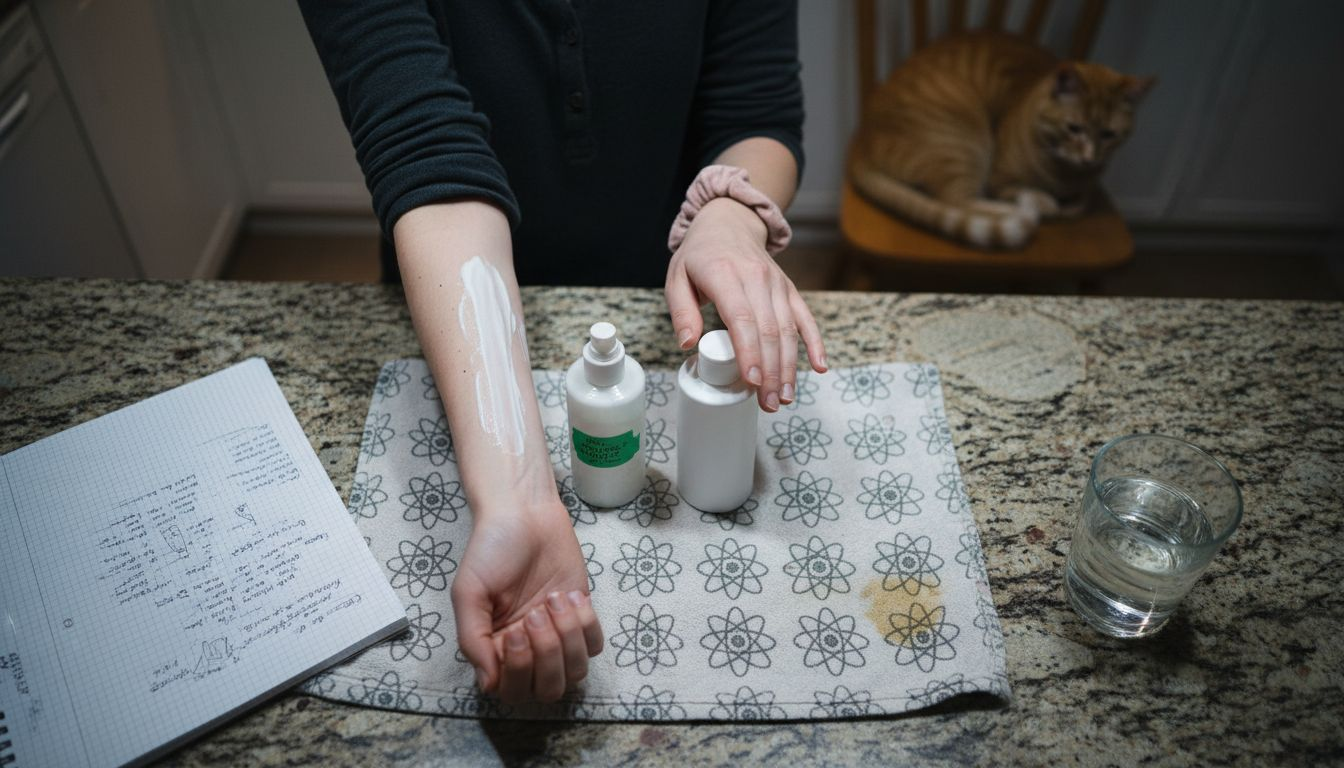
Pro Tip: Always patch test new botanical products on your inner forearm for 24 hours before applying to your face, as even natural ingredients can cause allergic reactions in some individuals.
Skin-soothing beauty tips emphasize gentle application techniques that maximize botanical benefits without stressing sensitive skin.
Common Misconceptions About Green Beauty and Sensitive Skin
Confusion surrounds green beauty, leading many women to make choices that undermine their skin health. Understanding the truth behind common myths helps you navigate product selections with confidence.
-
Myth: All natural ingredients are automatically safe for sensitive skin. Truth: Botanical allergens like lavender oil or citrus extracts trigger reactions in many people. Natural doesn’t guarantee hypoallergenic. Essential oils, while natural, concentrate volatile compounds that irritate compromised skin barriers.
-
Myth: Synthetic ingredients are always harmful. Truth: Some synthetic preservatives protect product integrity better than natural alternatives, preventing bacterial contamination that causes infections. Safe synthetics like tocopherol (vitamin E) extend shelf life without irritation.
-
Myth: Green beauty products perform worse than conventional cosmetics. Truth: Clinical testing shows certified green makeup matches or exceeds conventional formulas in coverage, wear time, and color payoff. Modern botanical science creates high-performance products without compromise.
-
Myth: Certification is just marketing hype. Truth: Third-party certifications require rigorous testing and ingredient verification. Organizations like EWG and USDA enforce strict standards that protect consumers from greenwashing. Certified products undergo safety assessments that uncertified natural products skip entirely.
-
Myth: Green beauty is too expensive for everyday use. Truth: While some premium brands charge more, many affordable green options exist. The long-term cost of treating irritation from conventional products often exceeds investing in quality green beauty from the start.
These misconceptions keep women trapped in cycles of trial and error, wasting money on products that promise safety but deliver irritation. Clean beauty certification cuts through marketing claims to identify genuinely safe formulations.
Comparing Green Beauty with Conventional Cosmetics
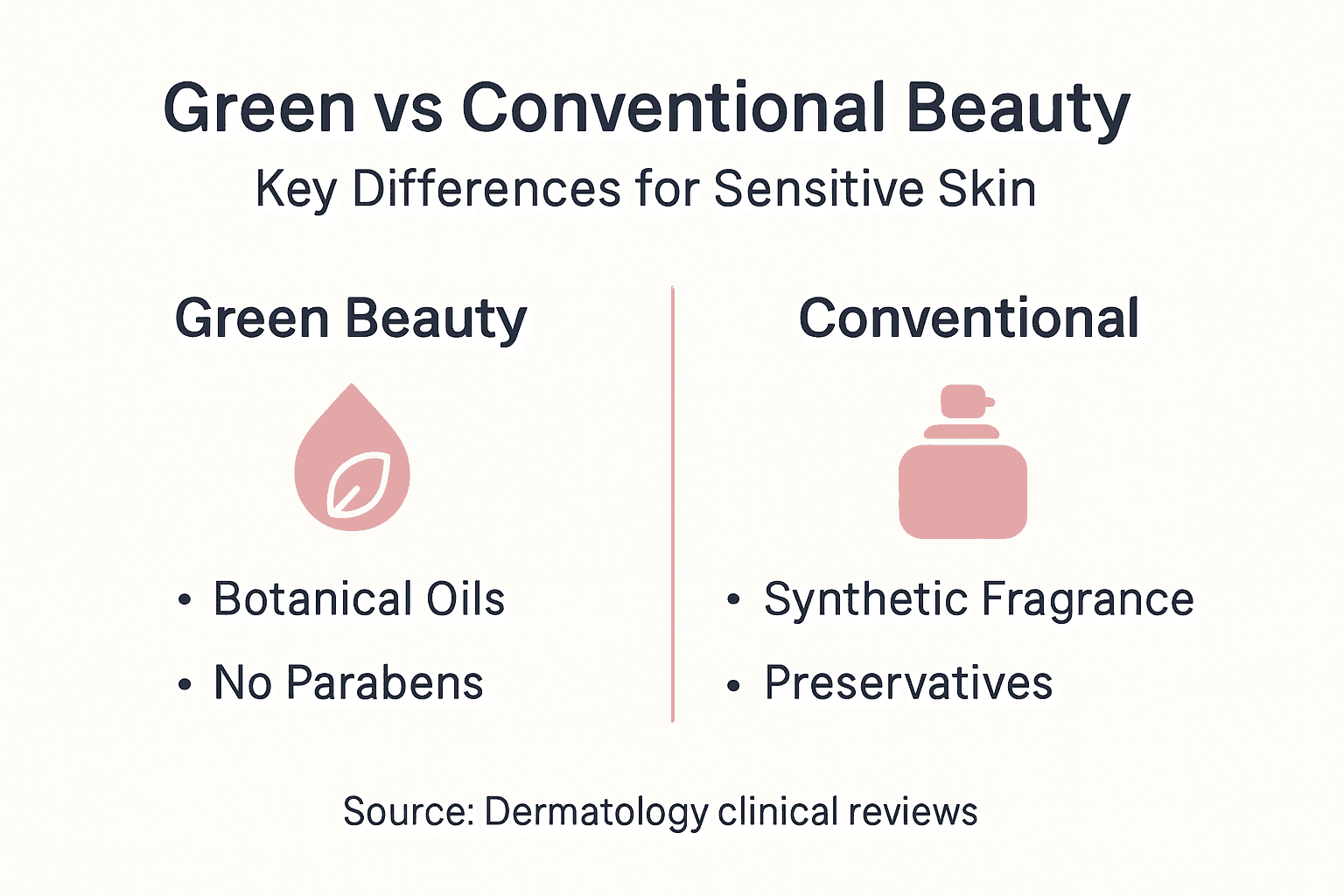
The differences between green and conventional cosmetics extend far beyond marketing. Understanding these distinctions empowers you to make choices that truly serve your skin.
| Feature | Green Beauty | Conventional Cosmetics |
|---|---|---|
| Primary Ingredients | Plant extracts, botanical oils, natural minerals | Synthetic polymers, petroleum derivatives, artificial colorants |
| Preservatives | Natural alternatives like rosemary extract, radish root ferment | Parabens, formaldehyde releasers, BHT |
| Fragrance | Essential oils or fragrance-free | Synthetic fragrance blends (often undisclosed) |
| Irritation Risk | Low to moderate (depending on botanicals) | Moderate to high for sensitive skin |
| Environmental Impact | Biodegradable, sustainable sourcing | Often non-biodegradable, resource-intensive |
| Certification Options | USDA Organic, EWG Verified, Leaping Bunny | Generally uncertified or self-certified |
Green beauty formulations prioritize skin barrier support through ingredients that mimic natural lipid structures. Conventional products focus on immediate cosmetic effects, often at the expense of long-term skin health. The preservatives in traditional cosmetics extend shelf life but accumulate in tissue over time, raising concerns about hormonal disruption.
Eco-conscious beauty considers the full lifecycle of products, from ingredient sourcing to packaging disposal. Conventional brands rarely account for environmental costs, using virgin plastics and ingredients that persist in waterways.
Key advantages of green beauty:
- Formulations tested on sensitive skin populations, not just average consumers
- Transparent ingredient lists that empower informed decisions
- Ethical supply chains that support communities and regenerative agriculture
- Products designed to nourish skin health, not merely create temporary appearance changes
Pro Tip: Read ingredient lists from bottom to top, as concentrations decrease. If irritants appear in the first five ingredients, choose a different product regardless of green marketing claims.
The choice between green and conventional cosmetics represents a fundamental decision about what you value in beauty products and how you want to care for yourself.
Building a Green Beauty Routine for Sensitive Skin
Creating a green beauty routine requires thoughtful selection and patient experimentation. Follow this framework to build a regimen that soothes your skin while honoring your self-care needs.
-
Research anti-inflammatory botanicals proven safe for eczema. Start with calendula, chamomile, and oat extract. These ingredients show consistent results across clinical studies without high allergen risk.
-
Verify certifications before purchasing. Look for USDA Organic, EWG Verified, or similar third-party seals that guarantee ingredient safety and transparency.
-
Patch test every new product. Apply a small amount to your inner forearm and wait 24 to 48 hours. Even certified green products can trigger individual sensitivities.
-
Build your routine gradually. Introduce one new product every two weeks, allowing time to assess your skin’s response before adding complexity.
-
Create mindful application rituals. Transform routine maintenance into moments of connection with yourself. Notice texture, scent, and how products feel on your skin.
Ingredients to seek:
- Calendula: Reduces inflammation and accelerates healing
- Aloe Vera: Hydrates deeply while calming irritation
- Chamomile: Blocks inflammatory pathways responsible for flare-ups
- Jojoba Oil: Mimics skin’s natural sebum without clogging pores
Ingredients to avoid:
- Parabens: Methylparaben, propylparaben, butylparaben
- Synthetic Fragrance: Listed simply as fragrance or parfum
- Sulfates: Sodium lauryl sulfate, sodium laureth sulfate
- Essential Oils: If you have known sensitivities to volatile compounds
Transformational beauty habits integrate product selection with mindful practices that reduce stress. Stress hormones trigger inflammation, so pairing green beauty with breathing exercises or gratitude practices amplifies benefits.
Pro Tip: Start with a cleanser, moisturizer, and one color product like a botanical lip oil. Master this simple routine before expanding to full makeup applications.
Your routine should feel nourishing, not overwhelming. Quality matters more than quantity, so invest in fewer products that truly serve your skin’s needs.
Embracing Beauty and Wellness Through Green Beauty
Green beauty offers more than safer ingredients. It represents a holistic path connecting physical skin health with emotional wellbeing and authentic self-love. When you choose products crafted from nature’s wisdom, you participate in a practice that honors your body’s needs rather than fighting against them.
This approach empowers sensitive skin women with knowledge and safer choices. You no longer guess which products might trigger flare-ups or wonder if marketing claims hold truth. Certified green beauty provides clarity backed by science and third-party verification.
Your daily beauty routine transforms into a nurturing ritual that fosters confidence and wellness. Each application becomes an opportunity to connect with yourself, acknowledge your worth, and practice gentle care. The products you smooth onto your skin carry intention as well as ingredients.
“True beauty shines from skin that feels safe, nourished, and respected. When you honor your sensitivity with clean botanicals, you create space for your natural radiance to emerge.”
Consider green beauty an invitation to begin or deepen your journey toward skin that thrives rather than merely survives. The benefits extend beyond reduced irritation to include improved barrier function, enhanced hydration, and the quiet confidence that comes from knowing you treat yourself with care.
Beauty becomes an act of self-love when products support your healing rather than requiring you to tolerate discomfort for the sake of appearance. You deserve this kindness.
Discover Pure Light Botanical Beauty for Sensitive Skin
If you’re ready to experience the soothing benefits of certified green beauty formulated specifically for sensitive and eczema-prone skin, Pure Light Botanical Beauty offers plant-based solutions you can trust. Our carefully crafted products combine botanical science with luxurious textures, creating makeup and skincare that nourish while enhancing your natural beauty.
Explore our collection of certified clean formulations featuring ingredients proven to reduce irritation and support skin barrier health. From our Petal Perfect Lip Oil to Botanical Crème Blush, each product integrates seamlessly into mindful self-care routines that honor your wellbeing. Discover the best beauty products naturally formulated for sensitive skin and experience how clean ingredients transform your relationship with beauty.
Visit Pure Light Botanical Beauty to view detailed ingredient transparency, third-party certifications, and customer stories from women who found relief through our gentle, effective formulations.
Frequently Asked Questions About Green Beauty and Sensitive Skin
What are the safest green beauty ingredients for eczema?
Calendula, aloe vera, chamomile, and colloidal oatmeal rank among the safest botanicals for eczema, backed by clinical research showing 30 to 50% improvement in skin barrier function. These ingredients reduce inflammation while supporting natural healing processes without common allergen risks.
How can I tell if a green beauty product is truly safe for sensitive skin?
Look for third-party certifications like USDA Organic or EWG Verified, which require rigorous testing and transparent ingredient disclosure. Always check ingredient lists for known irritants like synthetic fragrance or essential oils if you have sensitivities, and perform patch tests before full application.
Can green beauty makeup perform as well as conventional products?
Yes, modern green beauty makeup matches or exceeds conventional formulas in coverage, longevity, and color payoff. Clinical testing demonstrates that certified botanical cosmetics deliver professional results while actively nourishing skin, unlike traditional products that prioritize appearance over skin health.
How do I patch test a new product to avoid flare-ups?
Apply a small amount of product to your inner forearm, cover with a bandage if desired, and wait 24 to 48 hours. Watch for redness, itching, or swelling. If no reaction occurs, test behind your ear before applying to your face, as facial skin often shows greater sensitivity.
Is green beauty suitable for all types of sensitive skin?
Green beauty works well for most sensitive skin types, including those with eczema, rosacea, and contact dermatitis. However, individual botanicals can trigger allergies in some people, so patch testing remains essential even with certified natural products to identify any personal sensitivities.
Recommended
- What Is Green Chemistry in Beauty—Why It Matters – Pure Light Botanical Beauty
- 7 Eco-Friendly Beauty Swaps for Sensitive Skin Relief – Pure Light Botanical Beauty
- 7 Plant-Based Beauty Examples for Sensitive Skin Relief – Pure Light Botanical Beauty
- Why Choose Botanical Blush for Sensitive Skin – Pure Light Botanical Beauty