

TL;DR:
- Integrative beauty combines targeted skincare with lifestyle, diet, and ritual practices to address internal health. This holistic approach leads to longer-lasting results by treating root causes like inflammation, stress, and hormonal shifts. It works alongside conventional dermatology to create durable skin health improvements rooted in whole-person care.
Integrative beauty is a whole-person approach to radiance that pairs targeted skincare with lifestyle practices, inner-health assessment, and mindful ritual, treating the skin not as a surface to fix but as a reflection of everything happening within. The results tend to be more durable because the underlying drivers, not just the visible symptoms, are addressed.
Three things shift when you adopt this approach:
- Your skincare choices become more intentional. Instead of layering products reactively, you choose actives that work alongside nutrition, sleep, and stress practices.
- Results last longer. Integrative practitioners consistently report that outcomes compound when internal drivers like inflammation, hormonal shifts, and gut health are addressed alongside topical care.
- The entry point is simpler than it sounds. You do not need a clinical overhaul. One or two lifestyle pivots, paired with the right topical support, can produce visible change within weeks.
Integrative medicine, as described by the Mayo Clinic, combines conventional care with evidence-informed complementary therapies, including nutrition counseling, herbal support, and mind-body techniques. Applied to beauty, that same philosophy becomes a meticulous, whole-person practice.
Table of Contents
- What Is Integrative Beauty, Really?
- The Six Pillars of Integrative Beauty
- How integrative beauty differs from conventional skincare
- What clinicians and researchers say about integrative skin care
- A simple morning and evening routine to start today
- How to choose products that support an integrative routine
- What to realistically expect: timeline and cost
- Safety notes and when to get professional help
- Key Takeaways
- Why integrative beauty resonates so deeply with me
- Purelightbotanicalbeauty brings integrative beauty into your daily ritual
- Useful sources and suggested next steps
What Is Integrative Beauty, Really?
Integrative beauty draws from integrative medicine’s core principle: that the body functions as a connected system, and that skin health cannot be separated from gut health, sleep quality, emotional resilience, or the rituals that shape daily life. The formal term you will encounter in clinical settings is integrative aesthetics, which adds functional medicine investigation (blood work, hormone panels, gut analysis) to the mix. For most people, the everyday version is more accessible: a refined approach to skincare that asks why a concern exists before reaching for a product.
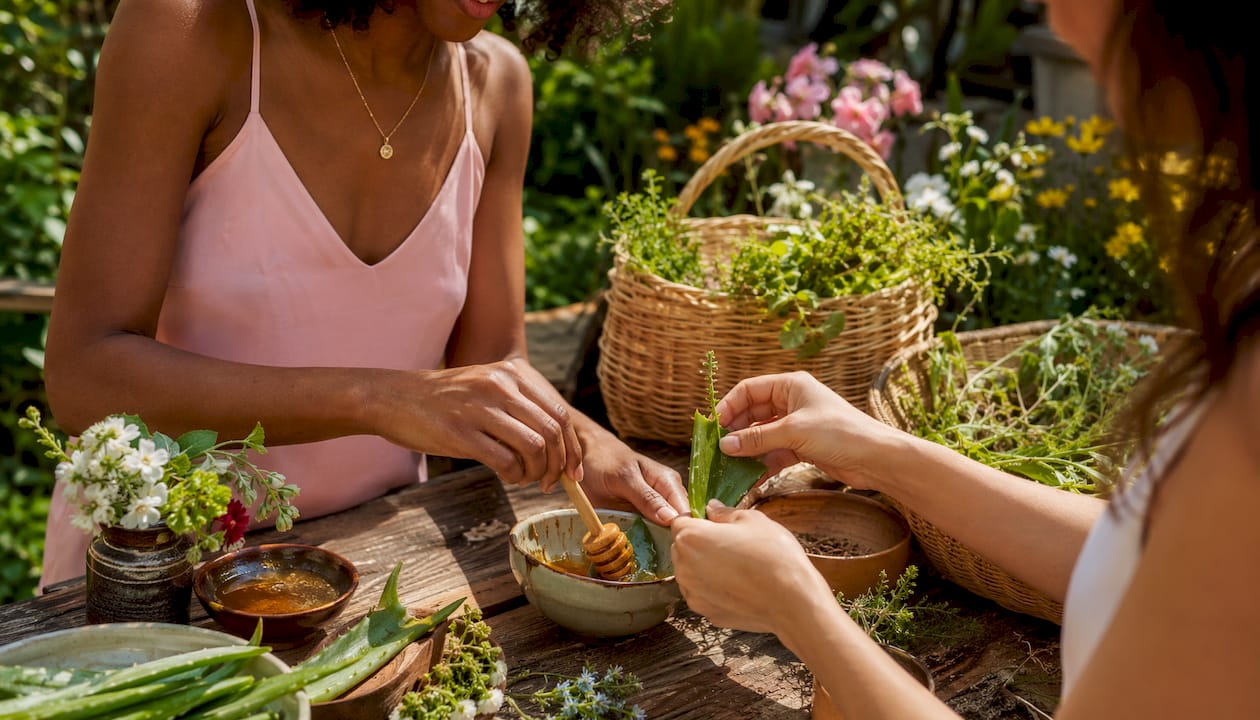
The non-negotiable principles are four. First, inside-out orientation: internal factors are assessed alongside topical ones. Second, personalization: what works for one skin type or lifestyle may not work for another. Third, evidence-awareness: practices are chosen because research or clinical observation supports them, not because they are trending. Fourth, ritualized care: the act of caring for your skin is itself a wellness practice, not a chore.
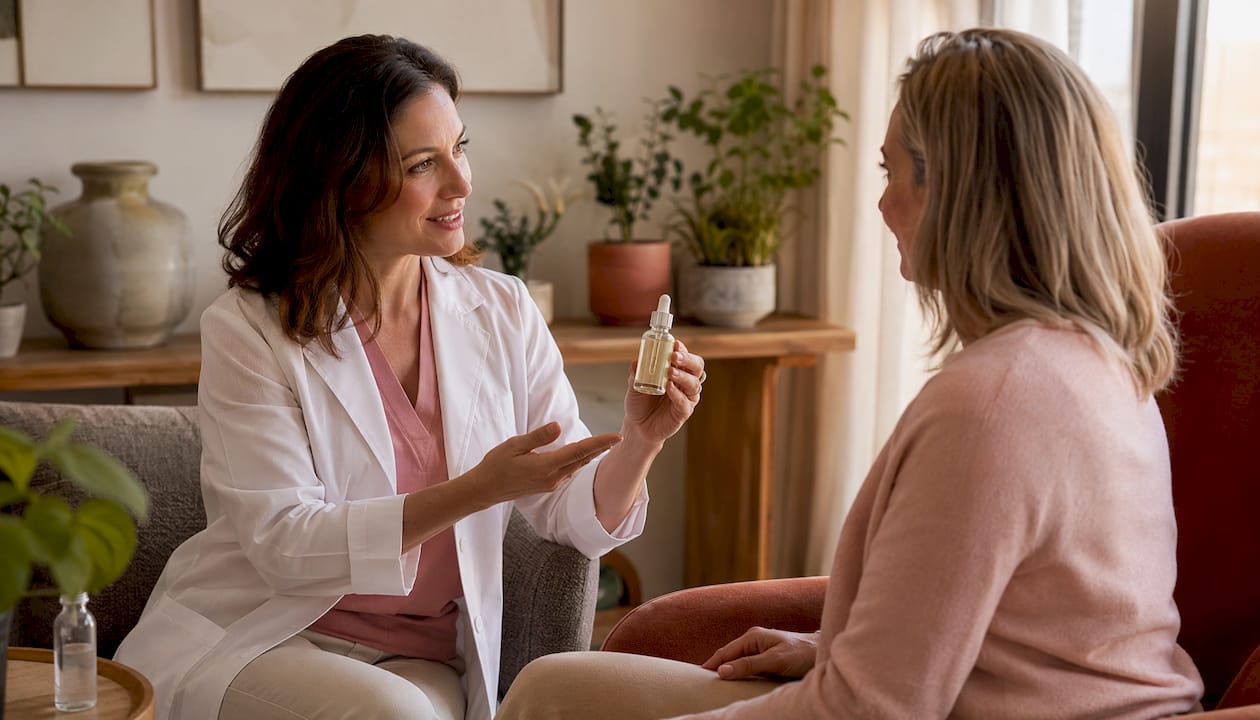
Integrative beauty also blends topical care with internal assessment. A practitioner might review your dietary patterns, sleep architecture, and stress load before recommending a single product. That sequence matters because the most precisely formulated serum cannot fully counteract chronic cortisol elevation or nutrient deficiency.
Pro Tip: When deciding whether to start with a lifestyle change or a new product, dermatologists practicing integrative care suggest asking one question first: Is this concern appearing or worsening during periods of high stress, poor sleep, or dietary change? If yes, address the internal driver first. The topical step will work harder once the internal environment supports it.
The Six Pillars of Integrative Beauty
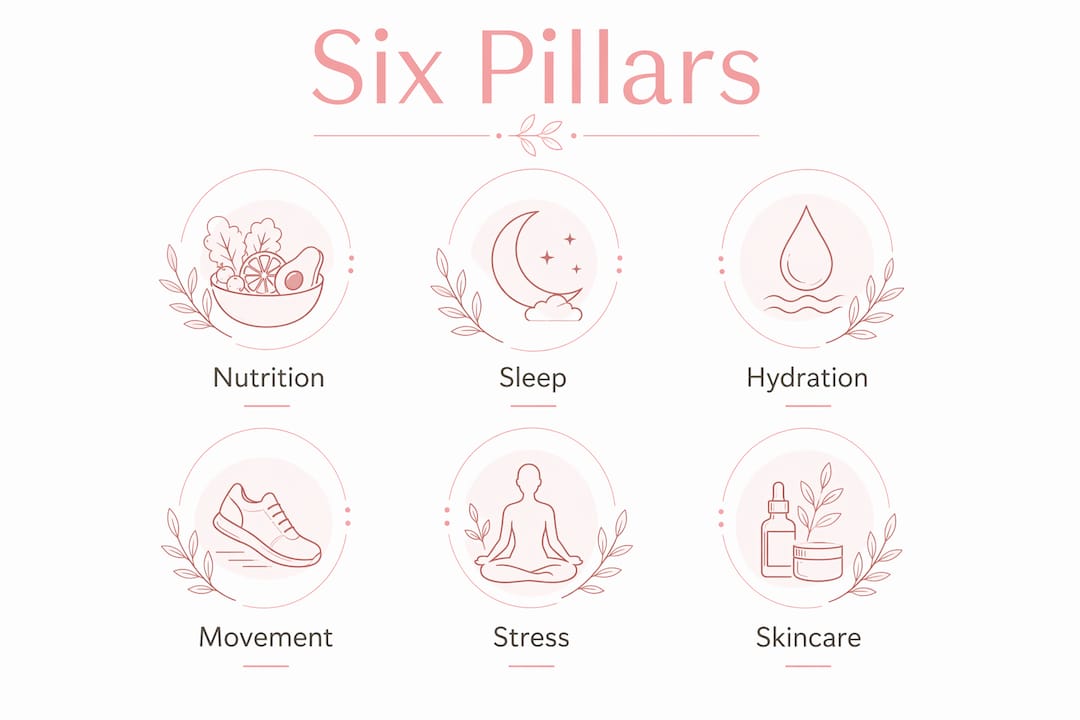
Think of these as the domains you can draw from. You do not need to work all six at once. Picking one or two and building consistency there will move the needle more than a scattered approach across all of them.
- Topical skincare. Targeted actives chosen for your specific concern: niacinamide for barrier support and uneven tone, ceramides for moisture retention, azelaic acid for sensitivity and redness. The goal is a minimal, purposeful routine rather than a crowded shelf.
- Internal nutrition. Dietary patterns shape inflammation and acne risk. Protein-focused meals support collagen synthesis; omega-3 fatty acids from sources like salmon or flaxseed help regulate inflammatory pathways. Reducing ultra-processed foods is one of the highest-leverage swaps available.
- Sleep. Skin repair peaks during deep sleep. Aiming for 7–9 hours, with a consistent wake time, is one of the most evidence-supported practices in integrative skin care. Sleep deprivation elevates cortisol, which directly disrupts barrier function.
- Stress resilience. Chronic stress is a documented driver of conditions including acne, eczema, and psoriasis. Breathwork, even five minutes of slow diaphragmatic breathing before bed, can shift the nervous system toward a repair state.
- Movement. Regular moderate exercise improves circulation, which supports nutrient delivery to skin cells and helps regulate cortisol. You do not need intense training; a 30-minute walk most days is sufficient.
- Mindful rituals. Practitioners who incorporate skincare rituals for wellness note that slow, sensory-focused routines, including tools like gua sha, can reduce stress and support nervous-system regulation. The ritual itself carries therapeutic value.
Mini checklist: Circle one pillar to strengthen this week. Write one specific action next to it (e.g., “Sleep: set a consistent 10:30 PM bedtime”). That single commitment is your integrative beauty starting point.
How integrative beauty differs from conventional skincare
Integrative beauty does not replace conventional dermatology. It layers alongside it. Understanding the difference prevents frustration and sets realistic expectations.
| Dimension | Conventional skincare | Integrative beauty approach |
|---|---|---|
| Primary goal | Treat or manage the visible concern | Identify and address the root cause |
| Methods | Topical treatments, clinical procedures | Topical care + lifestyle, nutrition, stress, and functional assessment |
| Timeline | Days to weeks for symptom relief | Weeks to months for durable change |
| Who leads | Dermatologist or aesthetician | Collaborative: clinician + patient lifestyle |
| When it excels | Acute flares, clinical-grade concerns | Chronic or recurring conditions, prevention |
Integrative aesthetics treats visible issues while investigating internal drivers so results are more durable. Clinical aesthetic treatments remain effective on their own; integrative steps improve durability and compound outcomes over time. If you are managing a condition like cystic acne or severe eczema, conventional dermatology remains the primary intervention. Integrative practices work best as a parallel layer, not a replacement.
When to seek medical dermatology first: a rapidly spreading rash, severe inflammation, signs of infection, or any skin change that appears suddenly and worsens within days warrants a physician visit before any complementary practice is added.
For a deeper look at why combining wellness and skincare produces better outcomes, integrating wellness and beauty explains the rationale clearly.
What clinicians and researchers say about integrative skin care
The most compelling shift in integrative dermatology is not a new ingredient or technology. It is a change in the question being asked. Dermatologists practicing integrative care report that moving from “what is the skin problem?” to “why does this keep recurring?” leads to more meaningful outcomes and stronger patient relationships.
Nutrition and sleep are key lifestyle levers that integrative practitioners review when treating skin issues. Dietary patterns and sleep quality influence inflammation and acne risk, two of the most common concerns people bring to skin-health consultations. Some practitioners also draw on Traditional Chinese Medicine diagnostics, using skin, tongue, and pulse assessment to reveal internal imbalances that inform personalized treatment plans. TCM is not intended to replace modern skincare but to complement it by identifying patterns that standard blood work may not capture.
The cultural framing matters too. Integrative holistic beauty reframes radiance as internal vitality expressed externally, a shift from narrow aesthetic standards toward whole-person vibrancy.
A simple morning and evening routine to start today
You do not need to rebuild your entire routine. These checklists are designed to slot integrative principles into what you likely already do.
Morning routine:
- Gentle cleanser (no stripping)
- One targeted active (niacinamide or antioxidant serum)
- Moisturizer with ceramides
- SPF 30 or higher
- Two minutes of intentional breathing before checking your phone
Evening routine:
- Double cleanse if you wore makeup or SPF
- Treatment active (azelaic acid or a barrier-repair formula)
- Nourishing face oil or overnight moisturizer
- One minute of slow, sensory-focused application (this is the ritual)
- No screens for 20 minutes before sleep
Weekly practices:
- One targeted nutrition swap (add a fatty fish meal or a handful of walnuts)
- A 10-minute stress practice: breathwork, gentle yoga, or a quiet walk
- A self-care ritual that has nothing to do with your face: a bath, journaling, or stillness
For sensitive skin, a holistic beauty ritual built around gentle layering can make this routine even more personalized.
Timeline: Most people notice a shift in skin texture and hydration within 2–4 weeks of consistent topical changes. Lifestyle-driven improvements, reduced redness, fewer breakouts, more even tone, typically emerge over 6–12 weeks. The most durable outcomes, where internal drivers are genuinely addressed, develop over 3–6 months.
How to choose products that support an integrative routine
The ingredient list is where integrative beauty principles become tangible. A few key actives carry most of the evidence.
Prioritize these:
- Niacinamide (vitamin B3): Supports barrier function, reduces redness, and helps regulate sebum. Pairs well with almost everything.
- Ceramides: Restore and maintain the lipid barrier, especially important for sensitive or eczema-prone skin.
- Azelaic acid: Anti-inflammatory and brightening; well-tolerated for rosacea and post-inflammatory marks.
- Antioxidants (vitamin C, vitamin E, green tea extract): Protect against oxidative stress and support collagen integrity.
- Plant-based oils (rosehip, sea buckthorn, jojoba): Provide fatty acids that mimic skin’s natural lipids without synthetic fillers.
Layering and sensitivity tips:
- Introduce one new active at a time, waiting at least two weeks before adding another.
- Patch-test any new formula on the inner arm for 48 hours before applying to the face.
- Avoid combining strong exfoliating acids with retinoids in the same routine until your barrier is well-established.
Shopping checklist: Look for a short ingredient list, no synthetic fragrance (a common sensitizer), and actives listed in the first half of the INCI list (where concentration is highest). Clean, plant-based formulas with transparent sourcing align most naturally with integrative principles.
Pro Tip: If your skin is reactive or eczema-prone, start with barrier repair before introducing any active. Ceramide-rich moisturizers used consistently for two weeks can reduce reactivity enough to make subsequent actives far better tolerated.
What to realistically expect: timeline and cost
Integrative beauty is not a quick fix. That is precisely what makes it worth the investment.
- Weeks 1–4: Topical changes show first. Hydration improves, texture smooths, and sensitivity often decreases as barrier function strengthens.
- Weeks 4–12: Lifestyle changes begin to register on the skin. Reduced breakout frequency, calmer redness, and more consistent tone are common markers.
- Months 3–6: Combined integrative outcomes emerge. When internal drivers (sleep, stress, nutrition) are addressed alongside topical care, results tend to hold rather than cycling back.
Cost shapes by path:
- Basic path (under $75/month): A minimal topical routine plus dietary swaps and sleep hygiene. Highest leverage for the investment.
- Intermediate path ($75–$200/month): Adds targeted supplements (omega-3s, zinc, vitamin D) and possibly one professional facial or consultation.
- Clinical-integrative path ($200+/month): Includes functional medicine testing (hormone panels, gut health markers) and practitioner-guided protocols.
For budget-limited readers, the basic path delivers meaningful results. Addressing sleep and stress costs nothing and often produces the most visible change.
When internal drivers are genuinely resolved rather than suppressed, practitioners report that results are more durable and require less ongoing intervention to maintain.
Safety notes and when to get professional help
Integrative beauty is largely low-risk, but a few cautions are worth naming clearly.
Red flags that need medical attention:
- Rapidly spreading rash or hives
- Severe swelling, especially near the eyes or mouth
- Skin changes accompanied by fever, fatigue, or joint pain
- Any lesion that changes shape, color, or bleeds without cause
Supplement cautions: Herbs and supplements can interact with medications. If you take prescription drugs, check with your physician before adding anything, including high-dose vitamin D, zinc, or botanical extracts. More is not better with supplements; therapeutic doses are specific, and excess can cause harm.
When to ask for a referral: If a skin concern has persisted for more than three months despite consistent topical and lifestyle care, ask your primary care provider for blood work covering thyroid function, iron levels, and vitamin D. Hormonal imbalances and nutrient deficiencies are among the most commonly overlooked drivers of chronic skin concerns.
This article is general information, not medical advice. For persistent or worsening skin conditions, consult a board-certified dermatologist or integrative medicine physician for guidance specific to your situation.
Key Takeaways
Integrative beauty works because it treats skin as a reflection of whole-body health, making results more durable when internal drivers are addressed alongside topical care.
| Point | Details |
|---|---|
| Inside-out definition | Integrative beauty pairs targeted skincare with nutrition, sleep, stress care, and mindful ritual. |
| Six core pillars | Topical actives, nutrition, sleep, stress resilience, movement, and ritual each contribute to lasting skin health. |
| Start simply | One pillar, one specific action this week, is a more effective entry point than overhauling everything at once. |
| Purelightbotanicalbeauty | Purelightbotanicalbeauty’s plant-based, ritual-friendly formulas are designed to support the topical layer of an integrative routine, especially for sensitive or eczema-prone skin. |
Why integrative beauty resonates so deeply with me
There is something quietly radical about the idea that beauty is not a problem to solve but a state to cultivate. What I find most compelling about the integrative approach is how it refuses the false choice between science and soul. You do not have to pick between a ceramide-rich formula and a breathing practice. You do not have to choose between evidence-based actives and the nourishing ritual of applying them slowly, with intention. The most meticulous skincare routine in the world will plateau if the internal environment is working against it. That is not a soft claim. Dermatologists practicing integrative care have said as much: lifestyle variables are clinical variables.
What tends to get lost in conventional beauty conversations is the role of the nervous system. Stress is not a mood. It is a physiological state that elevates cortisol, disrupts barrier function, and accelerates inflammation. Addressing it is not optional for anyone dealing with chronic skin concerns. The practitioners I find most credible are the ones who ask “why does this keep coming back?” before they reach for a prescription. That question is the heart of integrative beauty, and it is the question worth carrying into every skincare decision you make.
Purelightbotanicalbeauty brings integrative beauty into your daily ritual
The topical layer of an integrative routine deserves the same care and intentionality as the lifestyle practices surrounding it. Purelightbotanicalbeauty was built on exactly that premise: that clean, plant-based formulas can nourish the skin while the act of applying them nourishes something deeper. Products like the Petal Perfect Lip Oil, Botanical Crème Blush, and Nourishing Lipstick are formulated with botanicals that support skin health rather than simply sitting on top of it, making them a natural fit for sensitive skin and eczema-prone complexions.
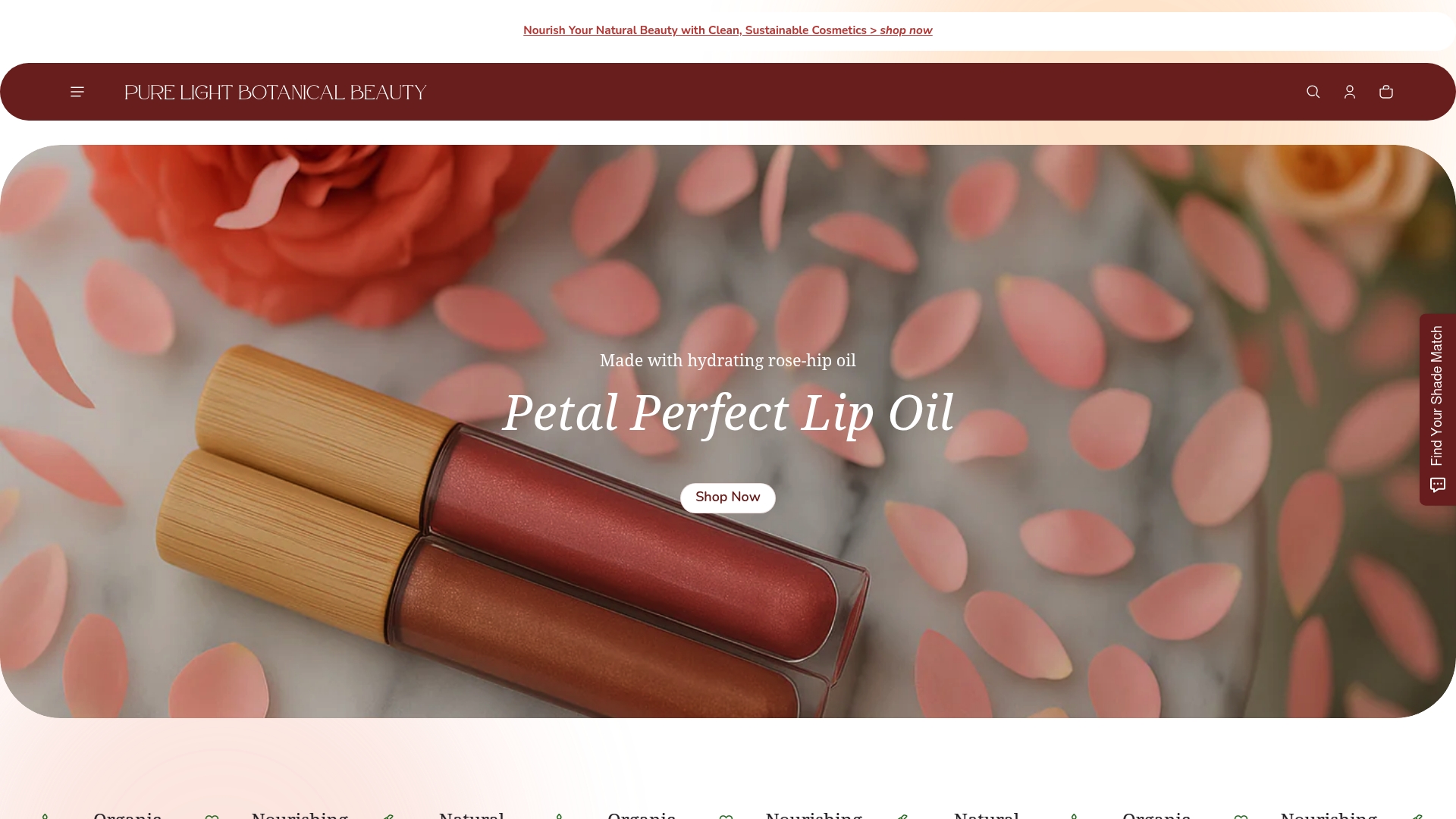
If you are building a morning or evening routine around integrative principles, these are the kinds of products that belong there: gentle enough for reactive skin, purposeful enough to earn their place on your shelf. Explore the full collection at Pure Light Botanical Beauty and find the pieces that fit your routine, your skin, and the way you want to feel in it.
Useful sources and suggested next steps
| Source | Why it’s worth reading |
|---|---|
| Mayo Clinic: Integrative Medicine Overview | Authoritative definition of integrative medicine and safety guidance on supplements and complementary therapies |
| NewBeauty: Integrative Skin Care Dermatologist Perspective | Clinician-voiced explanation of why asking “why” produces better outcomes than treating symptoms alone |
| House of Aetheria: What Is Integrative Aesthetics | Practical breakdown of how functional medicine investigation (blood work, hormone panels) layers with aesthetic treatments |
| Holistic Beauty: Mind and Body Balance | Accessible overview of how diet, sleep, and movement connect to skin health |
| TCM in Beauty Treatments: Expert Tips | Five practitioner insights on using Traditional Chinese Medicine diagnostics to personalize integrative protocols |
| Pure Light Botanical Beauty: Holistic skin care guide | Step-by-step practical resource for building an integrative skincare practice at home |
| Pure Light Botanical Beauty: Emotional wellness and skin health | Explores the nervous-system and emotional drivers of skin conditions with actionable practices |
Suggested next steps: Before a skin-health consultation, note how long the concern has persisted, whether it worsens during stress or dietary changes, and any supplements or medications you currently take. That context allows a practitioner to move directly into integrative assessment rather than starting from scratch.
Recommended
- Why Beauty Inside Out: Complete Guide to Holistic Glow – Pure Light Botanical Beauty
- What Is Holistic Beauty? Your Complete Wellness Guide – Pure Light Botanical Beauty
- Intentional beauty: A wellness approach to glowing skin – Pure Light Botanical Beauty
- What Is Beauty From Within? Complete Guide – Pure Light Botanical Beauty