

TL;DR:
- True beauty inclusivity goes beyond shades, addressing diverse skin types, ages, abilities, and communication.
- Inclusive brands focus on gentle formulas, accessible packaging, transparency, and tailored guidance for sensitive skin.
- Genuine inclusivity enhances trust, loyalty, and market reach, benefiting all consumers through higher quality and safety standards.
Beauty inclusivity is not simply about adding 40 shades of foundation to a product line. It runs much deeper than that. For women navigating sensitive skin, eczema, or ingredient sensitivities, true inclusivity can mean the difference between a beauty ritual that heals and one that harms. The beauty industry is undergoing a quiet but significant shift, moving away from surface-level representation toward something more holistic: products that serve your skin’s actual needs, packaging you can actually use, and messaging that speaks directly to your lived experience. This guide breaks down what beauty inclusivity really means, why it matters, and how it empowers you to show up beautifully in your own skin.
Table of Contents
- Defining beauty inclusivity: Beyond shades and ads
- How inclusivity shapes product creation and brand behavior
- The measurable impact: Why inclusivity matters for everyone
- Inclusivity and sensitive skin: The connection you can’t ignore
- A fresh perspective: True inclusivity is holistic care, inside and out
- Discover inclusive, plant-based beauty for sensitive skin
- Frequently asked questions
Key Takeaways
| Point | Details |
|---|---|
| Inclusivity goes beyond shade range | True beauty inclusivity also includes accessibility, ingredient choices, and ethical messaging. |
| Sensitive skin is central | Inclusive beauty embraces gentle, plant-based products that empower and heal sensitive skin. |
| Impact is now measurable | Brands committed to inclusivity outperform competitors and better serve diverse customer needs. |
| Packaging matters | Accessible design in packaging and use ensures beauty is available and enjoyable for all. |
| Self-care can empower | Choosing inclusive products creates a more personalized and refreshing beauty ritual. |
Defining beauty inclusivity: Beyond shades and ads
For years, the industry measured progress by counting shades. More shades meant more inclusive, right? Not quite. Real beauty inclusivity goes far beyond color range. According to industry reporting, beauty inclusivity means developing products and practices that serve a wider spectrum of people, including different skin tones, skin types, genders, ages, and abilities. That is a very different standard than simply offering a few extra colors.
True inclusivity also reshapes how a brand communicates. Research on diverse messaging confirms that inclusive and diverse practices in cosmetics affect product formulation, usage, and communication strategies. This is not a marketing checkbox. It is woven into every decision a brand makes, from the lab to the shelf to the caption on Instagram.
“Inclusive beauty is not about who appears in an ad. It is about whether the product itself was made with your needs in mind.”
When you understand inclusive beauty standards through this wider lens, several key pillars emerge:
- Skin type diversity: Formulas must work across oily, dry, combination, and sensitive skin without causing irritation or inflammation.
- Age inclusivity: Products should address the needs of skin at every decade of life, not just the concerns of a 22-year-old.
- Ability and accessibility: Packaging, application tools, and retail experiences must be usable for people with varying physical abilities.
- Gender inclusivity: Products should be designed and marketed for anyone who wants to use them, not just women in a narrow demographic.
- Ingredient transparency: For those with sensitivities or conditions like eczema, knowing exactly what is in a formula is not optional. It is essential.
This broader lens changes everything. And if you have ever struggled to find a product that did not inflame your skin or trigger a reaction, you already know why this matters personally. Beauty messaging for sensitive skin has historically been an afterthought, but that is finally beginning to change.
How inclusivity shapes product creation and brand behavior
Defining inclusivity is one thing. But how do brands actually live these values when they make real decisions about ingredients, packaging, and communication? The answer reveals a great deal about a brand’s intentions.
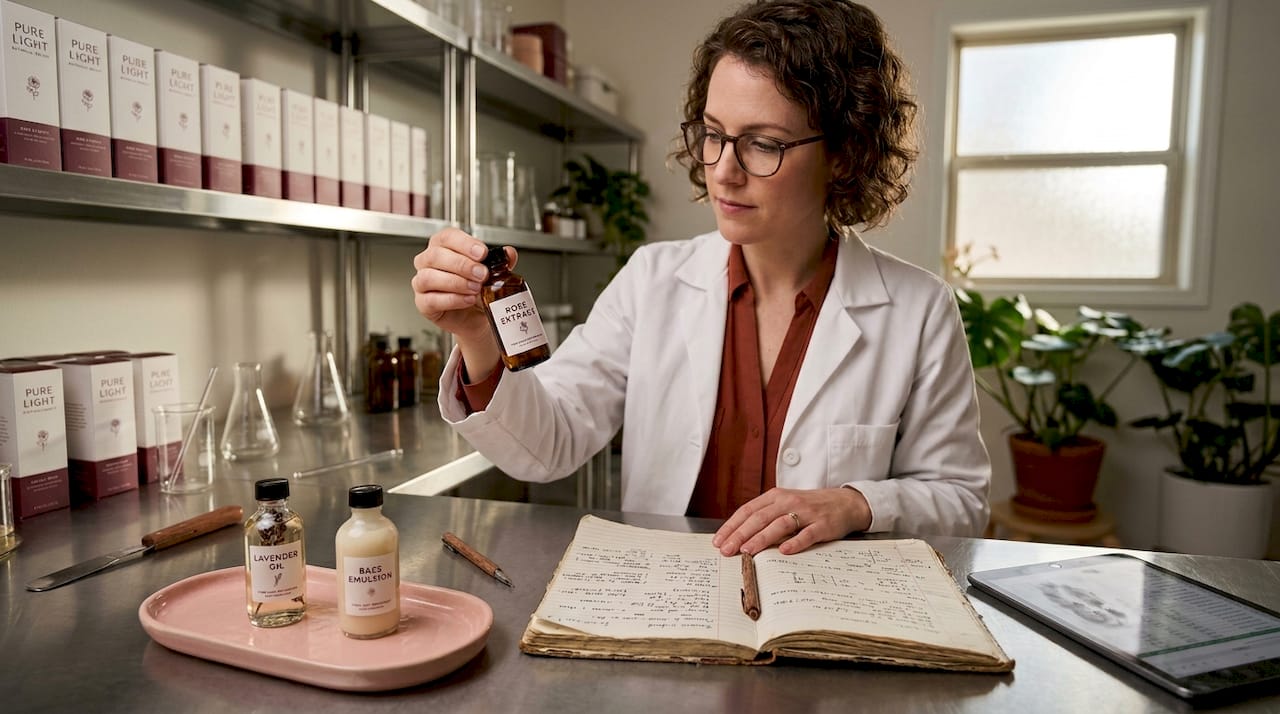
Ingredient selection is where it starts. Truly inclusive formulas consider the full spectrum of skin sensitivities. For women with reactive skin, this means a commitment to fragrance-free, hypoallergenic, and non-comedogenic (meaning the ingredients do not clog pores) formulations. It means avoiding known irritants like synthetic parabens, sulfates, and artificial dyes. Instead, plant-derived actives like aloe vera, chamomile extract, rosehip oil, and shea butter become the heroes. These ingredients soothe inflammation, support the skin barrier, and deliver color without compromise.
Packaging design is the next frontier. Think about a woman with arthritis, limited grip strength, or dexterity challenges. She should not have to sacrifice style or safety just to open a lip oil. The next phase of accessibility in beauty is about packaging that is genuinely usable for everyone. Easy-grip tubes, clear labels with high-contrast text, and compact designs that open and close simply are not luxury features. They are basic inclusive design principles.
Communication also plays a major role. Inclusive brands speak to many different experiences, not just one. Their tutorials show how to use a product on skin that flares, peels, or reacts. Their guides explain ingredient benefits in plain language. And their customer care teams understand that someone with eczema may have very different questions than someone without.
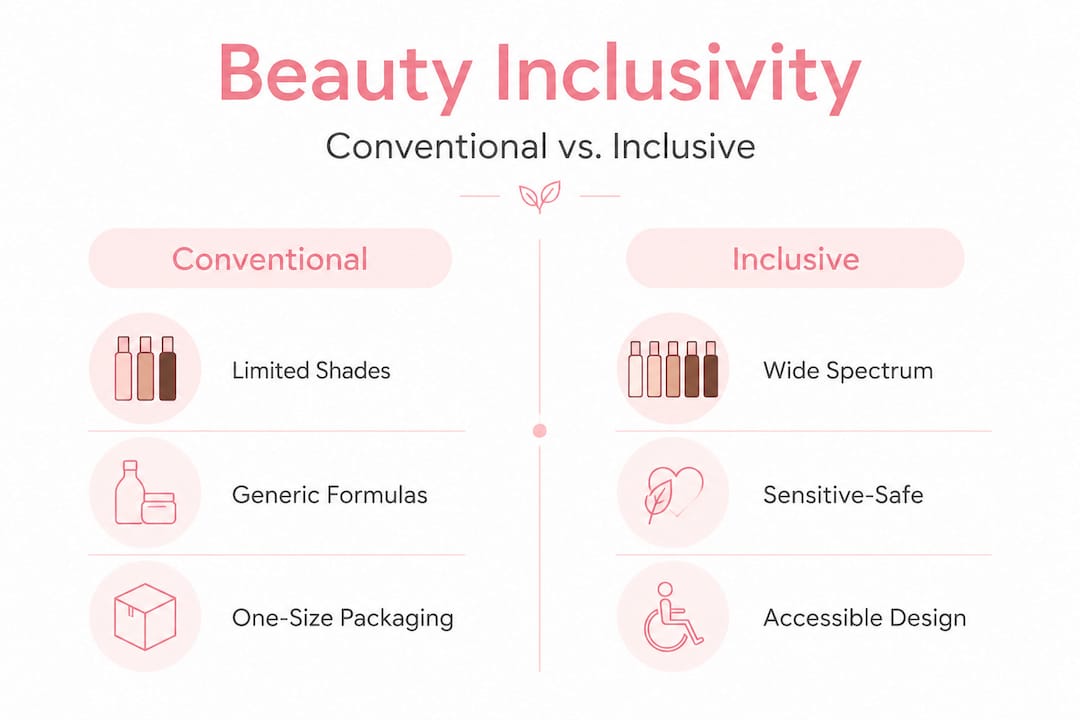
Here is how inclusive versus conventional approaches compare across key brand behaviors:
| Brand behavior | Conventional approach | Inclusive approach |
|---|---|---|
| Ingredient formulation | Trend-driven, mass appeal | Gentle, skin-type specific |
| Packaging design | Aesthetic-focused | Accessible and functional |
| Shade range | Limited to core skin tones | Wide spectrum for all undertones |
| Communication | One audience, one message | Multiple skin stories, many needs |
| Transparency | Partial ingredient lists | Full disclosure with explanations |
| Education | General tutorials | Skin-type and condition-specific guides |
For women with sensitive skin, this table tells a powerful story. The conventional model was never built for you. The inclusive model is.
Pro Tip: When shopping for makeup, look for brands that offer full ingredient lists online before you purchase. If a brand hides behind vague terms like “fragrance” or “parfum” without further detail, that is a red flag for sensitive skin. A brand that has pursued clean beauty certification or follows adaptive beauty in holistic care principles is far more likely to serve your needs honestly.
The measurable impact: Why inclusivity matters for everyone
You might wonder whether this is all idealism or whether inclusive beauty actually delivers measurable outcomes. The evidence points strongly toward the latter.
Inclusivity as a business standard is no longer just a values statement. Industry analysts now frame it as a measurable, business-relevant standard, with some indices tying certified inclusive positioning directly to performance outcomes. In other words, brands that genuinely invest in inclusive practices see the results in customer loyalty, reviews, and repeat purchases.
Here is a snapshot of how this plays out:
| Outcome area | Impact of inclusive practices |
|---|---|
| Customer retention | Higher loyalty among underserved communities |
| Product reviews | Better ratings from users with sensitive or reactive skin |
| Market reach | Access to previously overlooked consumer segments |
| Brand trust | Stronger credibility through transparency and certification |
| Long-term revenue | Sustained growth versus trend-dependent spikes |
The numbers behind this shift are telling:
- Roughly 1 in 3 women report difficulty finding makeup products that work with their skin type or condition.
- The global sensitive skin care market is projected to grow significantly through the late 2020s, driven by demand for gentler, cleaner formulas.
- Brands with accessible packaging design have reported measurably higher satisfaction scores among older consumers and those with disabilities.
This matters for you as a consumer because it means your purchasing choices have power. When you choose brands that invest in genuine inclusivity, you are supporting beauty sovereignty and inclusivity, the idea that you have the right to beauty products that were created with your needs in mind rather than adapted as an afterthought.
The most meaningful shift is this: when a brand designs for the most underserved members of its community, everyone benefits. Gentler formulas are better for all skin. Accessible packaging is easier for everyone. Clear communication builds trust across the board. Inclusivity is not a trade-off. It raises the standard for every person who picks up the product.
Inclusivity and sensitive skin: The connection you can’t ignore
So what does all of this mean for your daily beauty ritual? If you have sensitive skin, you know the experience well: you find a product you love, only to discover it leaves your skin red, itchy, or inflamed. You learn to scan labels. You become your own ingredient detective. And sometimes you simply give up on certain product categories altogether.
Truly inclusive beauty should make that experience a thing of the past. Beauty inclusivity means building products and practices for a wider spectrum of needs, including skin that is reactive, eczema-prone, or chronically dry. Here is how you can identify products that are genuinely built for you:
- Check the full ingredient list. Every ingredient should be listed clearly, with no hidden blends or vague descriptors. Look for calming botanicals like calendula, chamomile, and oat extract, and avoid synthetic fragrances, alcohol, and parabens.
- Look for skin-type-specific guidance. An inclusive brand will tell you exactly how to use a product if you have reactive or sensitive skin. If the instructions are generic, so is the formula.
- Assess packaging usability. Products that are easy to open, dispense without mess, and apply with minimal friction are better for sensitive skin and for everyone.
- Research the brand’s testing practices. Were the products patch-tested? Were they tested on diverse skin types? This information should be available, not buried.
- Seek ingredient transparency in clean beauty. Clean beauty certifications and voluntary ingredient disclosure programs are strong signals that a brand is building with your safety in mind.
When you find brands that meet these standards, something shifts. Your beauty ritual stops being a source of anxiety and starts becoming a genuine act of self-care. You can apply a blush without bracing for a reaction. You can wear a lip treatment that actually nourishes your lips instead of drying them out. That is not a small thing. For women who have spent years navigating sensitive skin, that sense of safety and ease is genuinely transformative.
Community and sensitive skin rituals also matter here. When inclusive brands create spaces where women share their experiences, swap product knowledge, and support each other’s skin journeys, the ritual becomes more than skincare. It becomes connection.
Pro Tip: Start a simple ingredient journal. Write down the key ingredients in products that have worked well for your skin and those that caused reactions. Over time, you will start to see patterns that help you shop smarter and choose brands that truly serve your skin’s needs.
A fresh perspective: True inclusivity is holistic care, inside and out
Here is something the mainstream beauty conversation often misses. Inclusivity is not reactive. A brand that is genuinely inclusive does not wait for a complaint to add an accessible lid or reformulate for sensitive skin. It anticipates those needs before anyone has to ask.
This is the heart of what we believe at Pure Light Botanical Beauty. Real inclusivity means listening to the full human experience, including the person whose skin flares under stress, the woman who has tried twelve mascaras and cried in the bathroom after each one, and the person who wants to wear color without fearing what it will do to their skin tomorrow.
Research confirms that packaging, retail, and product application should be designed so that people with disabilities can use products without sacrificing style or function. This is described as the next wave in inclusion, moving beyond imagery and shade range into the physical and functional experience of beauty. We agree, and we believe the same principle applies to ingredient inclusivity. A woman with eczema should not have to give up beautiful color. She should have access to products that honor both her desire for self-expression and her skin’s need for gentleness.
This is why we connect ethical sourcing in beauty to the inclusivity conversation. When ingredients are sourced ethically, the people who grow them are treated fairly and the plants themselves are harvested sustainably. That care flows into the formula, and you feel it on your skin. Inclusivity does not stop at your skin’s surface. It reaches all the way back to how the ingredients were grown and who was respected along the way.
The next frontier is universal design for wellness: products that are gentle enough for the most sensitive skin, functional enough for diverse physical needs, and transparent enough to earn genuine trust. That is not a niche aspiration. It is the direction beauty must move if it truly wants to serve everyone.
Discover inclusive, plant-based beauty for sensitive skin
Ready to find products that honor your skin story? Here is where to start your journey.
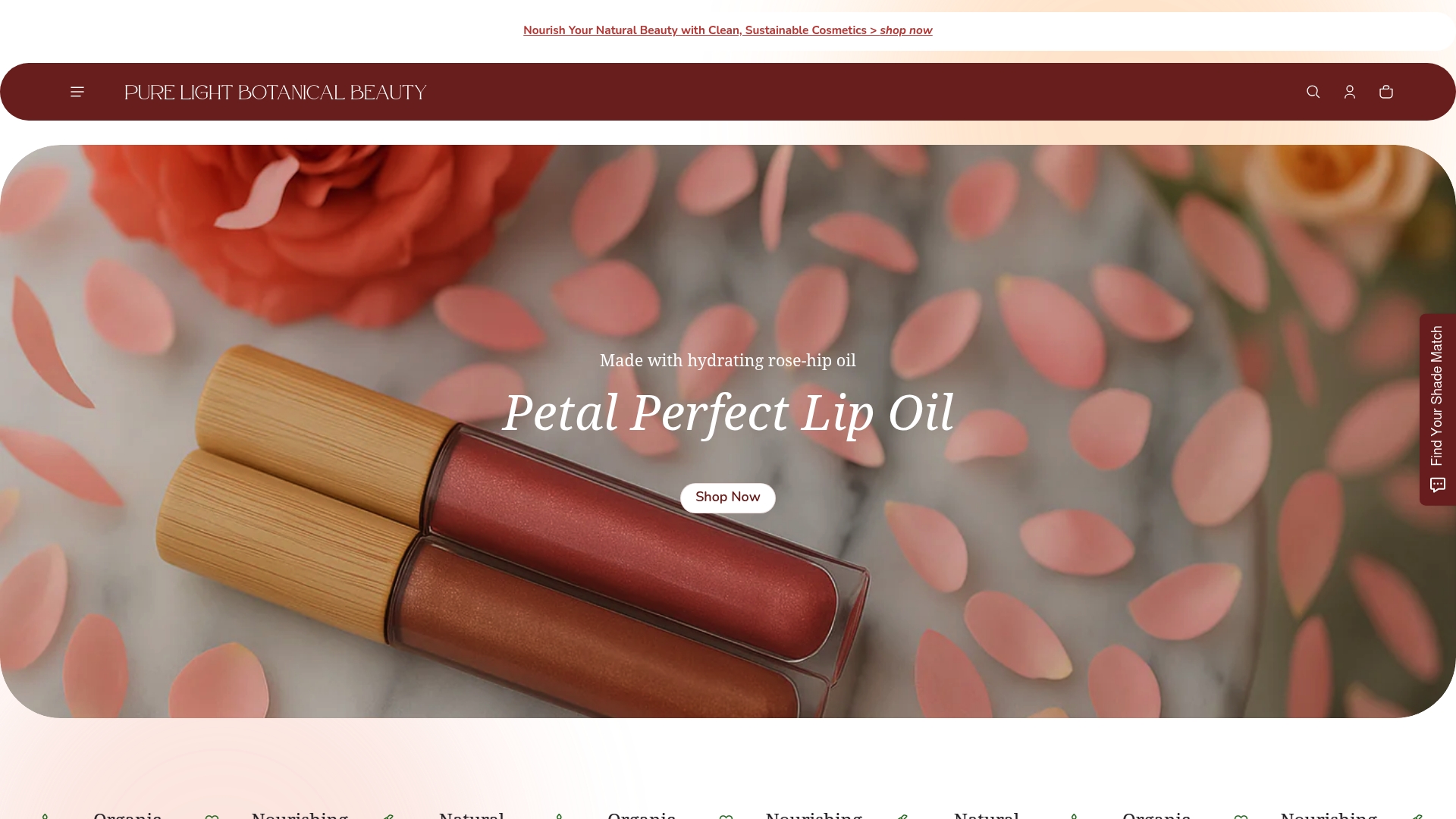
At Pure Light Botanical Beauty, every formula is created with the belief that beauty and healing belong together. Our plant-based, gentle makeup line, including the Petal Perfect Lip Oil, Botanical Crème Blush, and Nourishing Lipstick, was thoughtfully developed for skin that needs more care, not less. We believe that inclusive beauty means you should never have to choose between wearing color and protecting your skin. Explore our full collection at Pure Light Botanical Beauty and discover a ritual that feels as nourishing as it looks radiant.
Frequently asked questions
How can I tell if a makeup brand is truly inclusive?
Look for brands that offer accessible packaging, diverse shade ranges, full ingredient transparency, and proactive guidance for sensitive skin. Genuine inclusivity touches formulation, communication, and design, not just marketing campaigns.
Does inclusive beauty also mean clean or plant-based ingredients?
Many inclusive brands now prioritize clean and plant-based ingredients, especially for those with sensitive skin, because ingredient safety and inclusivity go hand in hand. A brand that truly includes you also considers what it puts on your skin.
Are there standards or certifications for inclusivity in beauty?
Yes. Some industry indices now measure inclusivity as a business-relevant, measurable standard rather than just a values statement, and these certifications are increasingly tied to brand reputation and consumer trust.
How does packaging design influence beauty inclusivity?
Accessible packaging design is described as the next wave of beauty inclusivity, ensuring that people with disabilities or dexterity challenges can use products comfortably and stylishly without compromise or assistance.
Recommended
- How to Use Makeup for Empowerment: A Gentle Guide – Pure Light Botanical Beauty
- What makes a beauty brand inclusive? Real standards – Pure Light Botanical Beauty
- The Essential Guide to the Role of Wellness in Makeup – Pure Light Botanical Beauty
- What is beauty empowerment? Guide to confidence & wellness – Pure Light Botanical Beauty